Introduction
Face contouring and reshaping treatments have become a popular choice for individuals seeking a more sculpted, youthful appearance without undergoing invasive surgery. From enhancing a jawline to adding definition to cheeks and chin, these treatments offer quick, effective solutions.
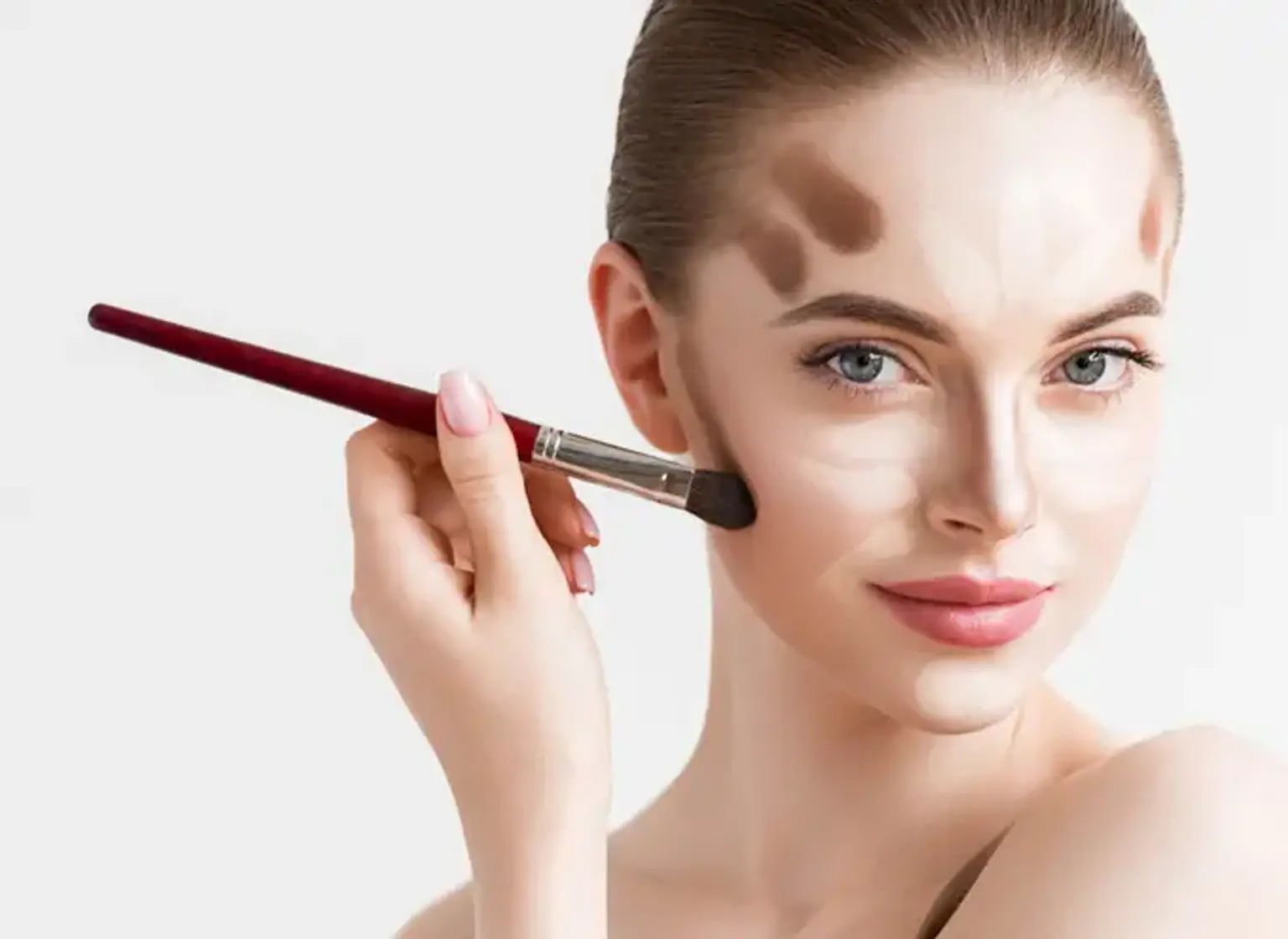
The rise in non-surgical options makes it easier than ever for people to achieve their desired facial aesthetics with minimal downtime and fewer risks. Whether you're aiming for a more defined look or correcting features, face reshaping treatments can significantly boost self-confidence.
Non-Surgical Face Contouring: What You Need to Know
Non-surgical face contouring allows for significant improvements in facial aesthetics with minimal risks and no lengthy recovery periods. Treatments typically include dermal fillers, Botox, ultrasound therapy, and radiofrequency. These methods work by adding volume to areas like the cheeks or jawline, relaxing muscles in the face, or tightening skin. One of the major benefits of non-surgical options is that they are temporary and adjustable, which makes them an ideal choice for those who want to test the look before committing to permanent changes. Moreover, non-surgical face contouring is usually quicker, with results seen almost immediately and no downtime required.
What is Face Contouring and Reshaping?
Face contouring and reshaping refer to procedures that alter the shape of the face to create a more balanced or defined appearance. These treatments can be surgical or non-surgical, with non-invasive options being especially popular today.
Surgical procedures may involve bone reshaping or fat removal, while non-surgical techniques usually involve injectables, such as dermal fillers or Botox, to sculpt features like the chin, jawline, or cheeks. The goal of both types of procedures is to enhance the natural beauty of the face by highlighting its best features.
Surgical Face Contouring: When is it Necessary?
While non-surgical treatments have gained popularity, surgical face contouring still offers permanent results for individuals looking for more dramatic changes. Procedures like chin implants, jawline surgery (mandibular contouring), and cheekbone reduction involve modifying the bone structure or removing excess fat for a more sculpted face. Surgical contouring may be necessary when non-invasive options don't provide sufficient results or when a person is seeking long-lasting, permanent changes.
Candidates for surgery typically have a stable bone structure and are in good health, with realistic expectations about the results. However, surgery is more invasive, requires a longer recovery time, and carries a higher risk of complications, which makes it a less attractive option for many. If you're considering surgical contouring, it's essential to consult with a qualified plastic surgeon to discuss potential risks, benefits, and alternatives.
Types of Non-Surgical Face Contouring Treatments
Several non-surgical treatments are available for reshaping the face. The most common include:
Dermal Fillers: Used to restore volume and definition to areas such as the cheeks, chin, and jawline. Fillers are injected to contour and enhance these regions for a more youthful appearance.
Botox: While primarily known for reducing wrinkles, Botox can also be used for facial shaping. By relaxing certain facial muscles, Botox can smooth out unwanted lines and create a more lifted, sculpted look, particularly along the jawline.
Thread Lifting: This minimally invasive procedure uses dissolvable threads to lift and tighten the skin, offering a subtle contouring effect without major surgery.
Radiofrequency and Ultrasound Therapy: These treatments stimulate collagen production, tightening and lifting the skin. They can be used to sculpt the face and reduce sagging over time.
Each of these treatments offers distinct benefits, and the choice of which to use depends on individual goals, facial structure, and budget.
Jawline Contouring: The Popular Treatment
A sharp, defined jawline is often seen as a sign of beauty and youth. Jawline contouring treatments are some of the most sought-after non-surgical procedures because they can significantly enhance facial symmetry. Common techniques include dermal fillers to add volume and structure or Botox to relax muscles that create a square or heavy jaw. Non-invasive jawline contouring is ideal for individuals who want a more defined look but aren't ready for surgery.
The results are visible almost immediately, with no downtime required. For those with loose skin or excess fat, a combination of ultrasound therapy or radiofrequency may also be used to tighten the skin, giving a more defined contour. This treatment is suitable for both men and women looking to enhance their facial features subtly and effectively.
Chin Contouring for a Balanced Facial Structure
A well-proportioned chin is key to achieving a balanced facial structure. Chin contouring can address issues such as a recessed or overly prominent chin, creating harmony with other facial features. Non-surgical options, such as dermal fillers or fat-dissolving injections, are commonly used to reshape the chin. For those with excess fat under the chin, treatments like Kybella or liposuction can be effective.
Fillers work by adding volume to a weak or uneven chin, making it appear more prominent and balanced with the rest of the face. On the other hand, fat-dissolving injections like Kybella target fat cells, breaking them down and reducing the appearance of a double chin. These treatments are minimally invasive and offer quick recovery times, making them an excellent choice for patients seeking subtle yet noticeable improvements.
Cheekbone Contouring: Elevating Facial Aesthetics
High cheekbones are often associated with youth and beauty, and they can dramatically elevate a person’s overall appearance. Cheekbone contouring can enhance this feature, providing a more sculpted look without the need for surgery. Non-surgical methods, such as dermal fillers, are commonly used to add volume to the cheeks and create a more angular, youthful profile.
In some cases, Botox can also be used to relax the muscles around the cheeks, giving a more lifted appearance. For patients who want to correct sagging or hollow cheeks due to aging, dermal fillers can restore lost volume and help restore a youthful contour. This treatment is popular among both men and women who wish to emphasize their cheekbones and create a more defined facial structure.
V-line Face: The Sought-After Look
The "V-line" face, characterized by a slim, sharp jawline that narrows towards the chin, has become a highly sought-after feature in recent years. This face shape is associated with youthful, feminine beauty and is especially popular in East Asian countries. Achieving the V-line look can be done through various non-surgical techniques, making it accessible to a wide range of people.
Dermal fillers are often used to refine the jawline and chin, helping to create a more defined "V" shape. Botox can also be used to reduce the size of the masseter muscles (the muscles used for chewing), which can give the lower face a slimmer appearance. For those with excess fat around the jawline, liposuction or fat-dissolving injections may be options to consider. These treatments can give dramatic results without the need for invasive surgery, allowing patients to achieve the V-line look quickly and safely.
Cost of Face Contouring and Reshaping Treatments
The cost of face contouring varies widely depending on the type of treatment, the clinic's location, and the experience of the practitioner. Non-surgical treatments, such as dermal fillers, typically range from $500 to $2,500 per session, depending on the area treated and the amount of filler used. Botox injections for jawline or chin contouring may cost between $300 and $1,500.
Surgical procedures like chin implants or jawline surgery are significantly more expensive, with costs ranging from $3,000 to $15,000, depending on the complexity of the procedure. It's important to note that some treatments require multiple sessions to maintain results, which can increase overall costs. While these procedures may seem costly, many people find that the aesthetic benefits and boost in confidence are well worth the investment. Before proceeding with any treatment, it's essential to get a full cost breakdown and discuss payment options with your practitioner.
Recovery Time After Face Contouring
One of the key advantages of non-surgical face contouring is the minimal recovery time involved. Most non-invasive procedures require little to no downtime. Dermal fillers and Botox treatments typically have immediate results, with patients able to return to their daily activities right after the procedure. Some swelling or bruising may occur, but it usually resolves within a few days.
For more invasive treatments, such as chin implants or liposuction, recovery time can range from a few days to several weeks. Surgical procedures often require bandages, stitches, and a period of rest to allow the body to heal. Patients undergoing these procedures should follow post-treatment instructions closely to avoid complications and ensure optimal results. During the recovery period, patients may be advised to avoid strenuous activity or direct sun exposure.
Potential Risks and Side Effects of Face Contouring
Like any cosmetic procedure, face contouring treatments come with potential risks and side effects. For non-surgical treatments such as dermal fillers or Botox, common side effects include swelling, bruising, or redness at the injection site. These side effects are typically mild and resolve within a few days. However, more severe reactions, such as infection, allergic reactions, or asymmetry, can occur in rare cases.
Surgical procedures, such as chin implants or jawline surgery, have more significant risks, including scarring, nerve damage, and post-surgical infections. There is also the potential for poor healing or dissatisfaction with the results, which may require additional procedures. It’s crucial to follow all aftercare instructions and attend any follow-up appointments to minimize risks.
Always discuss potential side effects and risks with your practitioner before committing to any procedure. Understanding what to expect helps you make a more informed decision about whether the benefits outweigh the potential drawbacks.
Safety Protocols in Face Contouring Treatments
Safety is paramount when it comes to face contouring treatments, whether surgical or non-surgical. Before undergoing any procedure, it is crucial to have a thorough consultation with a qualified professional to discuss your medical history, aesthetic goals, and any potential risks. A reputable practitioner will conduct a detailed assessment and explain the benefits and risks of different treatments.
Non-surgical treatments like dermal fillers and Botox are generally safe when administered by a licensed, experienced practitioner. However, complications can occur, such as allergic reactions, infections, or asymmetry. Surgical procedures carry more significant risks, such as infection, scarring, or nerve damage, and require careful aftercare to ensure proper healing.
To ensure the highest safety standards, always choose a certified, board-certified plastic surgeon or dermatologist. They should have experience with the specific procedure you're considering, as well as a reputation for delivering excellent results. Checking reviews, verifying credentials, and asking about their experience with the specific treatment can help you make an informed decision.
The Importance of Choosing a Qualified Practitioner
Choosing the right practitioner for your face contouring or reshaping treatment is one of the most critical decisions you'll make. Whether you're opting for a non-surgical option like dermal fillers or a more invasive procedure like jawline surgery, the skill and experience of the professional performing the treatment directly impact the results. A qualified practitioner should be certified, preferably a board-certified plastic surgeon, dermatologist, or aesthetic practitioner with extensive training in facial anatomy.
Before undergoing any procedure, ask about the practitioner’s credentials, their experience with the specific treatment, and if possible, request before-and-after photos of previous patients. A skilled professional will take the time to listen to your aesthetic goals, discuss the best treatment options for your face shape, and provide a comprehensive understanding of the risks involved. Always ensure that the practitioner works in a regulated, safe clinical environment.
Results and Longevity of Face Contouring Treatments
The results of face contouring treatments can vary based on the type of procedure, the areas treated, and individual factors like skin type and age. Non-surgical treatments such as dermal fillers offer immediate results, with most patients seeing noticeable changes right after the procedure. However, these results are temporary and typically last between 6 to 18 months, depending on the product used and the treatment area. To maintain the desired effect, follow-up treatments are needed.
Surgical procedures, on the other hand, offer long-lasting or permanent results. For example, a chin implant or jawline surgery can provide permanent contouring. However, the recovery period for these procedures is longer, and they carry more risks. The results of surgery are generally stable, but natural aging may affect the appearance of the treated areas over time.
Aftercare and Maintaining Results
After undergoing face contouring treatments, following proper aftercare guidelines is crucial to ensure the longevity of your results and minimize any complications. The care requirements will vary depending on the type of treatment, but here are some general tips for both non-surgical and surgical procedures:
Non-Surgical Treatments:
Avoid Touching: For dermal fillers and Botox, avoid touching or massaging the treated areas for at least 24 hours to prevent displacing the filler.
No Strenuous Activities: Refrain from intense physical activity or exercise for 24-48 hours to avoid swelling or bruising.
Avoid Heat: Stay away from hot showers, saunas, or direct sun exposure for a few days to avoid irritation or swelling.
Surgical Procedures:
Follow Post-Surgical Instructions: Surgical contouring procedures require more extensive aftercare, including keeping the treated area clean, managing any swelling, and attending follow-up appointments to ensure proper healing.
Avoid Heavy Lifting: For the first few weeks, avoid lifting heavy objects or engaging in strenuous activity to prevent complications.
Wear Compression Garments: If recommended by your surgeon, wear compression garments to help reduce swelling and promote the healing process.
By following these aftercare instructions and maintaining a healthy lifestyle, you can extend the longevity of your results and enjoy the benefits of your face contouring treatment.
Patient Expectations and Managing Them
One of the most important aspects of any face contouring treatment is managing patient expectations. While these treatments can offer significant improvements in facial appearance, it is essential to understand that no procedure can achieve “perfection.” Results will vary depending on your individual features, the technique used, and how your body responds to treatment.
Your practitioner should clearly explain what to expect, including the limitations of the procedure. For example, non-surgical treatments may not provide the same dramatic results as surgery. Similarly, surgical procedures may carry a longer recovery time. It's important to have realistic goals and communicate your expectations with your practitioner to ensure you are both on the same page. Understanding the limitations and the potential results will help you avoid disappointment and be more satisfied with the outcome.
Global Popularity of Face Contouring Treatments
Face contouring has become a global trend, with increasing popularity in both Western and Eastern countries. In particular, Asian countries like South Korea and Japan have long embraced face reshaping as a standard part of beauty routines. The V-line face, which emphasizes a sharp jawline and delicate chin, has become an iconic standard in many of these regions. However, the demand for non-invasive face contouring treatments is now growing worldwide, with clinics in Europe, the U.S., and other countries seeing a rise in requests for procedures like dermal fillers, Botox, and thread lifting.
Global advancements in medical technology and the rising interest in personal aesthetics have made these treatments more accessible. Social media and celebrity culture have also played a role in popularizing the "Instagram face" look, where high cheekbones, defined jawlines, and smooth, youthful skin are celebrated. As a result, many people are choosing to undergo facial contouring to achieve these features. The trend continues to spread, with the number of clinics offering face contouring services growing across the globe.
How to Prepare for a Face Contouring Procedure
Proper preparation is essential for achieving the best possible results and minimizing risks during face contouring treatments. Whether you’re undergoing a non-surgical procedure or considering surgery, here are some steps to ensure a smooth process:
Consultation: Schedule an initial consultation with your practitioner to discuss your goals, medical history, and any potential concerns. This is an opportunity for the practitioner to evaluate your face and suggest the most appropriate treatment options.
Medical Evaluation: For surgical procedures, a thorough evaluation may be necessary to assess whether you're in good health for the surgery. Be sure to disclose any allergies, medications, or health conditions to your practitioner.
Avoid Certain Medications: In the days leading up to the procedure, you may be advised to avoid blood-thinning medications like aspirin or ibuprofen to reduce the risk of bruising or bleeding.
Skin Care: For non-surgical treatments like Botox or fillers, it is usually recommended to avoid excessive sun exposure, tanning beds, or skin treatments (such as chemical peels) for at least a week before the procedure.
By preparing properly and following your practitioner’s instructions, you can ensure that the procedure goes smoothly and you get the best results.
Conclusion
Face contouring and reshaping treatments offer an excellent way to enhance one’s natural beauty, boost self-confidence, and achieve a more youthful appearance. Whether through non-surgical methods like dermal fillers and Botox or more permanent surgical options, these procedures provide tailored solutions to reshape the face and highlight its most flattering features.
The increasing availability of safe, effective treatments means that people from all walks of life can access options to refine their facial contours. With proper preparation, careful consideration of your goals, and expert guidance from a qualified practitioner, you can expect to enjoy the benefits of enhanced facial aesthetics, improved self-esteem, and a refreshed appearance. Whether you’re seeking subtle changes or a more dramatic transformation, face contouring can help you look and feel your best.