What is Fat Transfer Surgery?
Fat transfer surgery, also known as fat grafting or lipofilling, is a popular cosmetic procedure that involves removing fat from one part of the body and transferring it to another. This technique has gained traction due to its natural results, using the patient’s own fat for enhancement, instead of synthetic materials or implants. It is commonly used for facial rejuvenation, body contouring, and even breast augmentation.
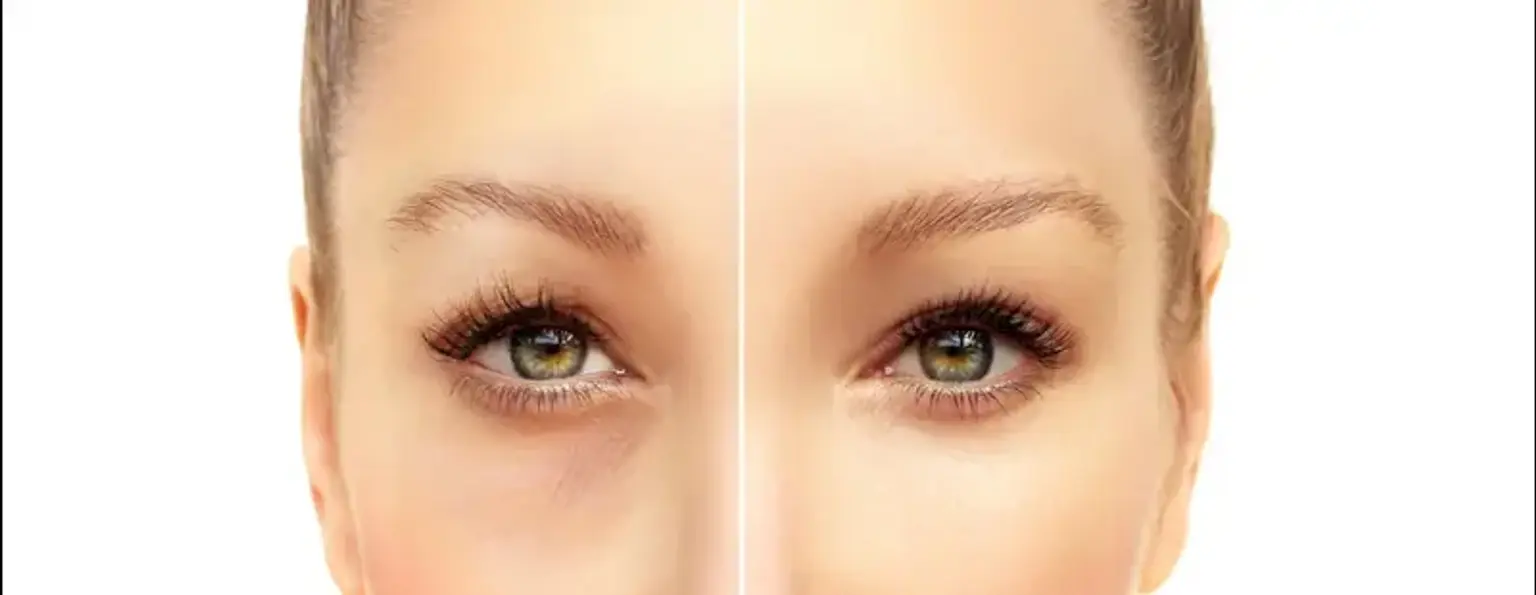
In the procedure, fat is typically harvested from areas like the abdomen, thighs, or flanks through liposuction, purified, and then injected into areas that need volume restoration or enhancement. This makes it a dual-purpose treatment: reducing unwanted fat while enhancing areas with volume loss.
How Does Fat Transfer Surgery Work?
The process of fat transfer involves several steps, all of which contribute to achieving a natural, long-lasting outcome.
Fat Harvesting: First, the surgeon performs liposuction to collect fat from an area where there is excess fat (like the abdomen or thighs). This fat is then purified to remove impurities.
Purification: The fat is processed to separate healthy fat cells, ensuring that only viable cells are used for grafting.
Injection: Once purified, the fat is carefully re-injected into the target area. This could be the face, buttocks, breasts, or even to correct uneven contours elsewhere on the body.
The beauty of autologous fat transfer (using the patient's own fat) is that it reduces the risk of allergic reactions and rejection, offering a natural, biocompatible solution.
Types of Fat Transfer Procedures
Fat transfer surgery can be applied to several areas of the body to restore volume or create contours. Here are some of the most common applications:
Facial Rejuvenation: As we age, we naturally lose fat in our face, leading to a hollowed appearance or deepening wrinkles. Fat transfer can restore volume to the cheeks, under-eye area, lips, and temples, resulting in a more youthful, refreshed look.
Brazilian Butt Lift (BBL): One of the most popular body contouring procedures, fat transfer to the buttocks (known as the Brazilian Butt Lift) uses liposuction to remove fat from areas like the abdomen or thighs, which is then transferred to the buttocks to create a fuller, shapelier figure.
Breast Augmentation: Fat transfer is an alternative to implants for natural breast enhancement. The process involves taking fat from one part of the body and injecting it into the breasts, providing a more natural feel and appearance than silicone implants.
Body Contouring: Fat transfer can also be used for body contouring purposes, helping to smooth out areas with uneven fat distribution or restore volume to areas affected by weight loss or aging.
Why Choose Fat Transfer Surgery?
There are several reasons why patients opt for fat transfer surgery, making it one of the most sought-after cosmetic procedures worldwide:
Natural Results: Using your own fat means the results look and feel more natural, as the body accepts its own tissue more easily than foreign materials like silicone or saline.
Dual Benefit: Fat transfer provides the added benefit of liposuction, removing excess fat from areas like the abdomen or thighs while improving the volume and contour of targeted areas.
Minimized Risk of Allergic Reactions: Because it uses the patient’s own fat, there’s little to no risk of allergic reactions, unlike with synthetic implants or fillers.
Long-Lasting Results: The fat cells that are successfully grafted into the targeted area can remain permanently, giving long-term results. However, some fat may be absorbed by the body, so some patients may require touch-ups.
Fat Transfer for Facial Rejuvenation
Fat transfer has become an increasingly popular method for facial rejuvenation, especially for individuals who want a more youthful, natural appearance without relying on artificial fillers or invasive surgeries. As we age, we naturally lose fat in the face, which leads to hollow cheeks, sunken eyes, and a gaunt appearance. By transferring fat from areas like the abdomen or thighs, these volume deficits can be restored, providing a fuller, more youthful look.
In addition to restoring volume, fat transfer can improve the skin's texture and tone due to the stem cells present in the fat. This makes it not only a volume-restoring procedure but also one that can potentially enhance skin quality over time. It is a great option for those who prefer a natural solution and want to avoid synthetic fillers or implants.
Fat Transfer for Body Contouring
Fat transfer surgery plays a significant role in body contouring, especially for patients who have experienced significant weight loss or aging. With areas of the body often losing volume and appearing deflated, fat grafting can be a solution for restoring shape and creating a smoother, more attractive silhouette. Common areas for fat transfer include the hips, thighs, abdomen, and flanks.
For instance, patients who have lost large amounts of weight may suffer from loose skin or volume loss in the abdomen or thighs. Fat transfer can help fill out these areas, creating a more balanced and contoured appearance. The ability to harvest fat from areas like the abdomen and transfer it to areas with volume loss is one of the reasons why fat transfer has become such a popular method of body sculpting.
Fat Transfer for Breast Augmentation
While breast implants have long been the standard for breast enlargement, fat transfer for breast augmentation has emerged as a natural alternative. Using your own body fat, fat grafting can create a subtle increase in breast size, offering a more natural feel compared to traditional silicone implants.
Fat transfer can also be an option for breast reconstruction following mastectomy, where it’s used to restore lost volume and improve the shape of the breast. The benefits of this procedure include reduced risks of complications like capsular contracture, a common problem with implants, and the fact that there’s no need for synthetic materials. The fat is gently injected into the breast tissue, and most patients report a more natural feel, both externally and internally.
This procedure is particularly appealing to patients who seek a modest increase in breast size, as it provides a more subtle, natural enhancement. However, it’s important to note that fat transfer to the breasts may not achieve the same dramatic results as implants for women seeking larger breast volumes.
Who is a Good Candidate for Fat Transfer Surgery?
Fat transfer surgery is ideal for individuals who are in good overall health, have realistic expectations, and have enough excess fat to be harvested. It’s especially beneficial for patients looking for a natural, minimally invasive alternative to implants or synthetic fillers.
Good candidates include:
Healthy individuals who do not have any medical conditions that would prevent them from undergoing surgery.
Those with enough fat for harvesting: Patients should have excess fat in areas like the abdomen, thighs, or flanks. If a patient is too thin or doesn’t have adequate fat stores, they may not be suitable candidates for fat transfer.
Patients with realistic expectations: Fat transfer is not meant for those seeking dramatic changes, especially when it comes to breast augmentation or body contouring. It’s ideal for patients seeking moderate enhancements or volume restoration.
Patients who are not ideal candidates may include those with:
Certain medical conditions that affect healing, such as diabetes or autoimmune disorders.
Unrealistic expectations or a desire for drastic changes that cannot be achieved with fat transfer alone.
Inadequate fat for harvesting, especially in individuals who are very slim.
Before considering fat transfer, it is essential to have a thorough consultation with a qualified, experienced surgeon who can evaluate your medical history, body type, and aesthetic goals. The surgeon will determine whether you’re a suitable candidate and advise you on the best treatment options.
Long-Term Results and Maintenance
One of the key advantages of fat transfer surgery is the potential for long-lasting results. The fat that successfully integrates into the target area can remain permanent. However, some fat may be naturally absorbed by the body over time, which is why touch-ups may be needed for optimal volume.
Factors affecting long-term results:
Fat Survival: Not all transferred fat survives. About 50-70% of the fat injected will stay in the treated area, while the rest may be absorbed by the body.
Body Changes: Weight fluctuations, aging, or lifestyle changes can affect the results over time. Maintaining a stable weight can help ensure the longevity of the transferred fat.
Touch-ups: Some patients may require follow-up procedures to maintain the desired volume or correct any unevenness.
Even though results are generally long-lasting, it’s important to have realistic expectations and be prepared for possible future adjustments.
Pre-Surgical Assessments and Consultation
Before undergoing fat transfer surgery, a thorough consultation with a qualified surgeon is essential. During this session, the surgeon will assess your overall health, discuss your aesthetic goals, and determine the best areas for fat harvesting and transfer.
Key pre-surgical steps include:
Health Evaluation: A review of your medical history to identify any conditions that may affect the procedure.
Personal Goals: Discussing which areas you want to enhance and setting realistic expectations for the results.
Fat Availability: The surgeon will evaluate whether you have enough excess fat for the procedure.
This consultation helps ensure that you're a good candidate and that the procedure aligns with your expectations.
Choosing the Right Surgeon
Selecting the right surgeon is one of the most important steps in fat transfer surgery. An experienced, board-certified surgeon ensures that the procedure is done safely and effectively. Look for a surgeon who specializes in cosmetic procedures and has a proven track record of successful fat transfer surgeries.
Tips for choosing a surgeon:
Board Certification: Ensure the surgeon is certified by a recognized medical board, such as the American Board of Plastic Surgery.
Experience and Reviews: Check the surgeon's experience with fat transfer specifically and read patient reviews or testimonials.
Before-and-After Photos: Request to see results from previous patients to understand the potential outcomes.
Choosing the right surgeon will not only increase your chances of achieving the desired results but will also ensure your safety throughout the process.
Fat Transfer Surgery and Its Global Popularity
Fat transfer surgery has gained worldwide popularity due to its natural results and versatility. From facial rejuvenation to body contouring and breast augmentation, this procedure has become a preferred option for patients seeking non-synthetic enhancements.
The popularity can be attributed to:
Less risk of rejection: Using the patient's own fat reduces the risk of complications compared to synthetic implants.
Minimal downtime: Compared to more invasive surgeries, recovery times are relatively short.
Wide appeal: Fat transfer can be customized to various parts of the body, making it a versatile option for many patients.
As more people seek natural beauty enhancements, fat transfer has become a go-to choice for those looking to improve their appearance in a subtle yet effective way.
What Are the Risks and Side Effects of Fat Transfer Surgery?
While fat transfer surgery is generally safe, it does carry some risks and potential side effects. Understanding these can help you make an informed decision.
Common risks include:
Infection: As with any surgical procedure, infection is possible. Following post-surgical care guidelines minimizes this risk.
Fat Absorption: Not all of the transferred fat will survive. The body may absorb some fat, resulting in a slight reduction in the volume of the treated area.
Contouring Irregularities: Uneven fat distribution or lumps can sometimes occur, although this can typically be corrected with follow-up treatments.
Scarring: Small incisions made for fat harvesting and injection may leave minimal scarring, but it is usually well-hidden.
Choosing a skilled surgeon and following aftercare instructions closely can help mitigate these risks.
Safety Protocols During Fat Transfer Surgery
Fat transfer surgery is a safe procedure when performed in a properly equipped medical setting. The safety protocols ensure that the procedure goes smoothly and reduces the risk of complications.
Key safety measures include:
Anesthesia: General or local anesthesia is used to ensure the patient is comfortable and pain-free during the procedure.
Sterilization: Strict sterilization techniques are followed to prevent infection. All instruments are carefully sanitized, and the surgical area is thoroughly cleaned.
Monitoring: The surgical team closely monitors the patient’s vital signs throughout the procedure.
Ensuring that the surgery is done in a certified facility with experienced medical staff is essential to achieving a successful and safe outcome.
The Recovery Process After Fat Transfer Surgery
The recovery process for fat transfer surgery can vary depending on the areas treated, but most patients can expect some level of swelling, bruising, and discomfort. The recovery timeline usually spans several weeks, with a full recovery taking around 6 to 8 weeks.
Initial recovery steps:
Rest: Most patients need to rest for a few days after the procedure, especially if fat was transferred to the face or body.
Swelling and Bruising: It’s normal to experience swelling and bruising in both the liposuction area and the injection sites. These typically subside within 1 to 2 weeks.
Compression Garments: If fat was transferred to areas like the body or buttocks, compression garments may be recommended to help reduce swelling and support the healing process.
Most people can return to light activities within 1 to 2 weeks, but strenuous exercise should be avoided for at least 4 to 6 weeks to allow for proper healing.
Fat Transfer Surgery Cost
The cost of fat transfer surgery can vary widely depending on factors such as the area being treated, the complexity of the procedure, and the surgeon’s expertise. On average, the cost ranges from $2,500 to $10,000, with procedures like Brazilian Butt Lifts (BBL) and breast augmentation typically being more expensive.
Factors influencing the cost include:
Area of Treatment: Facial fat transfers tend to be less expensive compared to body contouring or breast augmentation.
Surgeon’s Experience: Highly experienced surgeons may charge more for their expertise.
Location: Costs can also vary based on the region or country where the surgery is performed. For instance, surgery in major cities may be more expensive than in smaller towns.
Additional Costs: Consider costs for consultations, anesthesia, post-surgical garments, and follow-up appointments.
It’s important to discuss the cost upfront during your consultation to avoid any surprises and to ensure the procedure aligns with your budget.
Fat Transfer Surgery vs. Implants and Fillers
Fat transfer surgery offers a natural alternative to synthetic implants and injectable fillers. Understanding the differences between these options can help you make an informed decision.
Fat Transfer vs. Implants: Unlike implants, which are made from silicone or saline, fat transfer uses your own tissue, resulting in a more natural feel and appearance. Implants are typically used for breast augmentation or buttock enhancement, while fat transfer is ideal for more subtle, natural changes. Implants are also more permanent, while fat transfer may require touch-ups over time.
Fat Transfer vs. Fillers: While injectable dermal fillers can be used for facial rejuvenation, fat transfer provides longer-lasting results and doesn’t require repeat treatments. Fillers are often used for quick fixes, but they need to be re-administered every 6 to 12 months, whereas fat transfer can last for several years. Additionally, fat transfer can restore volume to larger areas of the body, which fillers cannot do.
Ultimately, the choice between fat transfer, implants, or fillers depends on your aesthetic goals, the areas being treated, and the level of permanence you're seeking.
Success Stories and Real-Life Examples
Many patients have shared positive experiences after undergoing fat transfer surgery. For example, individuals who have undergone Brazilian Butt Lifts (BBL) report a significant improvement in body proportions, while those who’ve had facial rejuvenation note a refreshed, youthful appearance with a natural glow.
In one case, a patient who had lost significant weight found that fat transfer helped restore volume to her breasts and buttocks, giving her a more balanced and youthful look without the need for implants. Another patient used fat transfer to restore volume in her cheeks and under-eye area, resulting in a much softer, younger appearance.
These success stories highlight the positive emotional and physical effects of the procedure, with many patients feeling more confident and comfortable in their own skin.
FAQs About Fat Transfer Surgery
Q1: How long do fat transfer results last?
Most of the fat injected will remain permanently, but some may be reabsorbed by the body over time. Touch-up procedures can help maintain the desired volume.
Q2: Is fat transfer surgery safe?
Yes, fat transfer is generally safe when performed by a qualified surgeon. Like any surgery, it carries some risks, but proper care and expertise can minimize complications.
Q3: How much fat can be transferred?
The amount of fat transferred depends on the area being treated and the fat available for harvesting. Surgeons typically transfer as much fat as possible without compromising the aesthetic outcome.
Q4: Can fat transfer be done more than once?
Yes, fat transfer can be repeated, especially if some of the fat is reabsorbed by the body. Touch-ups are common, particularly for areas like the face or breasts.
Conclusion
Fat transfer surgery is a versatile, natural, and effective cosmetic option for those seeking volume restoration, body contouring, or facial rejuvenation. With minimal risks, natural-looking results, and the use of your own fat, it provides a safer alternative to synthetic implants or fillers.
If you're considering this procedure, it’s crucial to consult with a board-certified surgeon who can assess your goals and determine the best approach for you. Whether you're aiming for a youthful face, enhanced curves, or breast augmentation, fat transfer surgery offers a natural, long-lasting solution that enhances both beauty and confidence.