Introduction
Uterine fibroids are non-cancerous growths that develop in or around the uterus. They are quite common, especially among women of reproductive age, and can vary in size from very small to large masses. Although many women with fibroids experience no symptoms, others face significant challenges. Fibroids can cause heavy menstrual bleeding, pelvic pain, frequent urination, and complications during pregnancy.
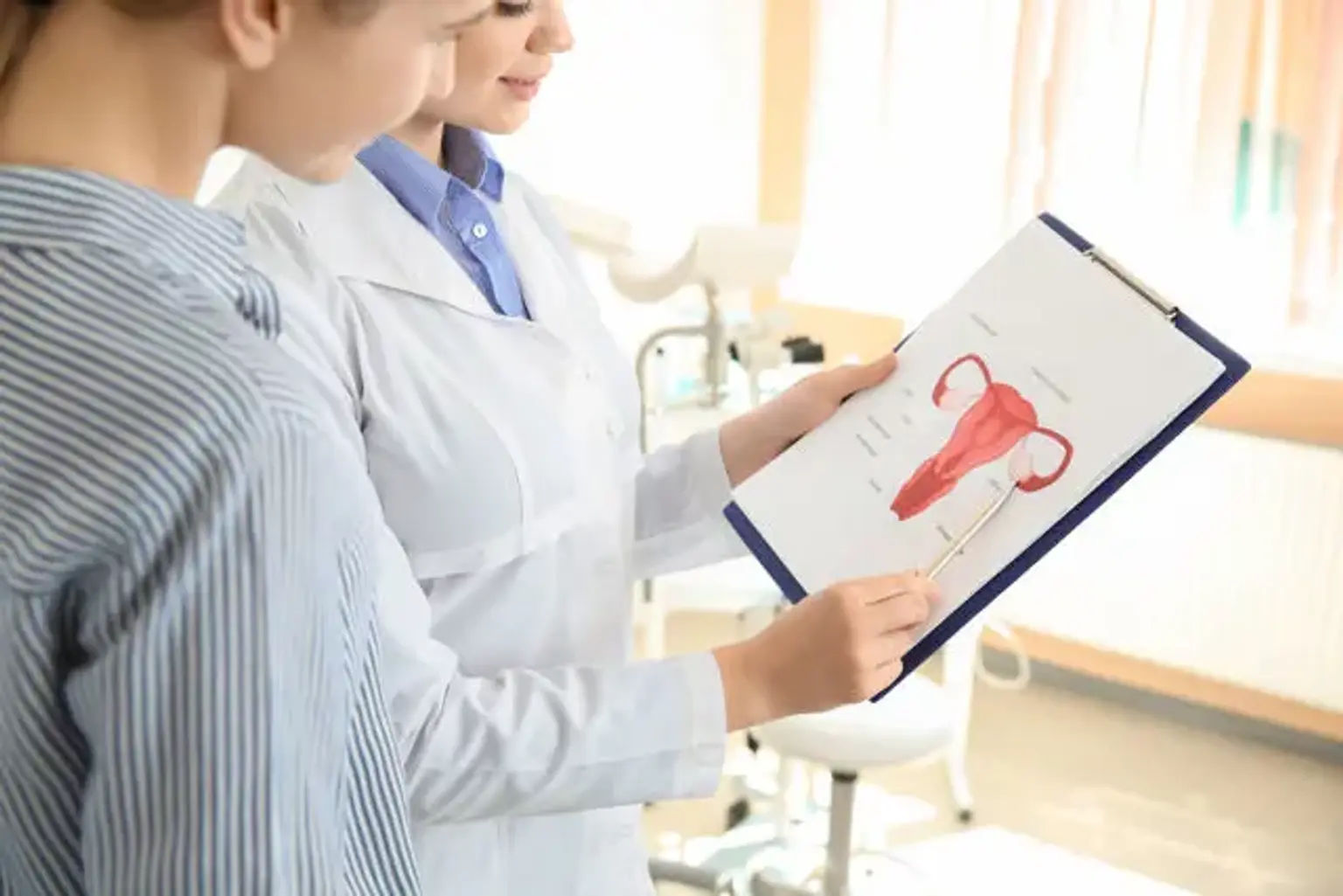
When symptoms become severe or affect quality of life, medical intervention may be necessary. One of the most common and effective treatments is myomectomy, a surgical procedure to remove the fibroids while preserving the uterus. This option is often preferred for women who wish to retain their fertility or want to avoid a hysterectomy.
Symptoms of Uterine Fibroids
Uterine fibroids can present a variety of symptoms, and some women may experience none at all. However, when symptoms do occur, they can significantly impact daily life. The most common symptoms include:
Heavy menstrual bleeding or prolonged periods, which can lead to anemia.
Pelvic pain or pressure, which may worsen during menstruation or intercourse.
Frequent urination due to pressure on the bladder.
Lower back pain or leg pain in some cases.
Reproductive challenges, such as difficulty conceiving or maintaining a pregnancy, especially if fibroids obstruct the fallopian tubes or affect the uterine lining.
Women experiencing any of these symptoms should consult with a healthcare provider for diagnosis and discussion of potential treatment options, including myomectomy.
Who is a Candidate for Myomectomy?
Myomectomy is generally considered for women who have uterine fibroids that are causing significant symptoms, such as heavy bleeding or pelvic pain, and for those who wish to preserve fertility. Ideal candidates typically include:
Women with symptoms that interfere with daily life or cause physical discomfort.
Women who desire future pregnancies and want to keep their uterus.
Those who have multiple fibroids, but where removal can alleviate symptoms.
Factors such as the size, location, and number of fibroids also play a role in determining if a myomectomy is appropriate. Women with larger or more deeply embedded fibroids may require a different type of surgery or approach.
In some cases, myomectomy may not be suitable, such as for those who are older and unlikely to benefit from preserving their fertility or for women with other health issues that would complicate surgery. A thorough consultation with a gynecologist or specialist is essential to determine the best course of action.
Types of Myomectomy: Which is Right for You?
There are three main types of myomectomy, and the choice of procedure depends on the size, location, and number of fibroids, as well as the patient’s individual circumstances.
Laparoscopic Myomectomy: This is a minimally invasive option, using small incisions and a camera to guide the surgeon. It’s typically chosen for smaller or fewer fibroids. It results in quicker recovery, less pain, and minimal scarring. However, it's not suitable for larger fibroids or multiple growths.
Open Myomectomy: This traditional surgery involves a larger incision to remove larger or more numerous fibroids. While it requires a longer recovery period, it offers the advantage of directly accessing the fibroids for removal. This method is often necessary for complex cases.
Hysteroscopic Myomectomy: Used for fibroids that grow inside the uterus (submucosal fibroids), this technique involves accessing the uterus through the cervix. It’s ideal for smaller fibroids that don’t require large incisions, and it can be done without any external scars.
Your doctor will recommend the best option based on your specific situation, balancing factors such as the fibroid's size and location, your health, and your desire for future fertility.
What is Myomectomy?
Myomectomy is a surgical procedure designed to remove uterine fibroids without removing the uterus. This preserves a woman's ability to conceive and carry a pregnancy to term, making it an ideal choice for women who plan to have children in the future. There are several types of myomectomy, depending on the fibroid's size, location, and the patient’s health.
Laparoscopic myomectomy (also called minimally invasive surgery) involves small incisions and the use of a camera to guide the surgeon. This method typically results in quicker recovery and less scarring.
Open myomectomy is a more traditional approach that requires a larger incision. It is typically used when the fibroids are large or numerous.
Hysteroscopic myomectomy is performed through the cervix and uterus, ideal for removing smaller fibroids located inside the uterine cavity.
Each type of myomectomy offers different advantages, and the choice depends on individual circumstances and the surgeon's recommendation.
The Myomectomy Procedure: Step-by-Step
The myomectomy procedure varies depending on the type of surgery, but generally, the process follows a similar path:
Pre-operative Preparation: Before the surgery, you’ll undergo various tests such as blood work and imaging (e.g., ultrasound or MRI) to determine the size and location of the fibroids. You will also be asked to stop eating and drinking several hours before the procedure.
Anesthesia: Myomectomy is typically performed under general anesthesia, meaning you'll be asleep during the procedure. In some cases, regional anesthesia may be used, especially for laparoscopic myomectomy.
Surgical Procedure:
Laparoscopic: Small incisions are made in the abdomen, and a camera (laparoscope) is inserted to guide the surgeon in removing the fibroids.
Open Myomectomy: A larger incision is made in the abdomen, allowing the surgeon to access and remove the fibroids directly.
Hysteroscopic: A small camera is inserted through the cervix to locate and remove fibroids growing inside the uterine cavity.
Closing Incisions: After the fibroids are removed, the incisions are closed with sutures, and the surgical site is dressed. In most cases, the surgery lasts a few hours, depending on the complexity.
Recovery After Myomectomy Surgery
The recovery process varies depending on the type of surgery performed. However, in general, most women can expect to go home the same day or the following day after surgery.
Laparoscopic Myomectomy: Recovery time is usually shorter, with many women resuming normal activities in about 1 to 2 weeks. Pain is generally mild and can be controlled with over-the-counter medications.
Open Myomectomy: Recovery may take 4 to 6 weeks or more, as this type of surgery requires a larger incision and more extensive healing. You may need to avoid strenuous activities for several weeks.
Hysteroscopic Myomectomy: This is the least invasive option, and recovery time is typically 1 to 2 weeks. You may experience some mild cramping or spotting after surgery.
During recovery, it’s important to follow your surgeon's instructions closely. Most patients are advised to take it easy, avoid heavy lifting, and refrain from sexual activity for a few weeks. Follow-up visits with your doctor are necessary to monitor healing and address any potential complications.
Myomectomy Risks and Complications
Like any surgery, myomectomy carries some risks, though serious complications are rare. Potential risks include:
Infection: As with any surgery, there is a risk of infection at the incision site. Your doctor will prescribe antibiotics to minimize this risk.
Heavy Bleeding: Although bleeding is expected during and after the surgery, excessive bleeding can occur, especially with larger fibroids. Blood transfusions may be necessary in rare cases.
Injury to Surrounding Organs: There’s a small risk of injury to nearby organs, such as the bladder, intestines, or ureters. However, surgeons take great care to avoid this during the procedure.
Scarring: Scar tissue may form, especially after an open myomectomy. This could potentially affect fertility or cause pain.
Recurrence of Fibroids: Although the goal of myomectomy is to remove fibroids, there’s always a chance that new fibroids could develop over time. Regular check-ups can help monitor for recurrence.
Before the procedure, your surgeon will discuss the potential risks and steps to minimize them. It's essential to ask questions and understand both the benefits and the risks involved.
Preparing for Myomectomy: What to Expect
Proper preparation is key to ensuring a smooth surgery and recovery. Here’s what to expect before the procedure:
Consultation and Pre-Surgery Tests: Expect imaging tests (like ultrasound or MRI) to assess the size and location of the fibroids. You may also undergo routine blood tests to check your overall health.
Pre-Operative Instructions: You will be advised to fast for several hours before the surgery. Your doctor may also suggest stopping certain medications, especially blood thinners.
Arrangements for Recovery: Plan for someone to help you at home, especially if you’re having open surgery, as recovery can take several weeks.
Taking these steps helps ensure a better outcome and faster recovery.
Myomectomy Benefits: Why Choose This Surgery?
Myomectomy offers several significant benefits for women suffering from uterine fibroids:
Symptom Relief: The procedure effectively reduces symptoms like heavy bleeding, pelvic pain, and pressure, greatly improving a woman's quality of life.
Fertility Preservation: Unlike hysterectomy, myomectomy removes fibroids while preserving the uterus, allowing women to maintain their ability to conceive.
Improved Quality of Life: Women who undergo myomectomy often report feeling more energetic and experiencing less discomfort in their daily activities.
For women seeking relief from fibroid-related symptoms and desiring to retain fertility, myomectomy is a highly effective choice.
What Happens if Fibroids Grow Back After Myomectomy?
Fibroids can sometimes regrow after a myomectomy, especially if the underlying cause of fibroid development is still present. If fibroids return, patients may experience a recurrence of symptoms like heavy bleeding or pain.
Monitoring: Regular follow-up appointments are important to detect any new fibroids early.
Further Treatment: If fibroids regrow, additional treatment options are available, such as medication or, in some cases, a second myomectomy or even hysterectomy.
The possibility of recurrence is something to consider when choosing myomectomy, but for many women, the benefits outweigh the risks.
Can You Have Children After Myomectomy?
Myomectomy is a fertility-preserving surgery, and many women successfully conceive after the procedure. In fact, myomectomy is often recommended for women experiencing infertility due to fibroids, as it removes the growths that may block the uterus or fallopian tubes.
However, the chances of pregnancy depend on factors like:
Fibroid Location and Size: Fibroids that are deeply embedded in the uterus or are very large can impact fertility.
Type of Surgery: Laparoscopic myomectomy may cause less scarring than open surgery, which can increase fertility outcomes.
Age and Health: Younger women with fewer fibroids tend to have better pregnancy outcomes after myomectomy.
Most women who undergo the procedure go on to have healthy pregnancies, but it’s important to discuss fertility goals with your doctor prior to surgery.
Fibroid Removal Success Rate
The success rate of myomectomy is generally high, with most women experiencing significant symptom relief. The likelihood of success depends on various factors, including:
Fibroid Size and Location: Smaller, less complicated fibroids tend to have higher removal success rates.
Type of Surgery: Minimally invasive methods like laparoscopic myomectomy have shorter recovery times and fewer complications but may not be suitable for larger fibroids.
Patient Health: Women in good overall health tend to recover faster and with fewer issues.
While there is a chance that fibroids can recur, especially if only a few are removed, the procedure is still considered highly successful for long-term symptom management.
Costs of Myomectomy Surgery
The cost of myomectomy varies depending on factors like the type of surgery, geographical location, and whether the procedure is performed at a public or private hospital. On average:
Laparoscopic Myomectomy: This minimally invasive procedure is typically less expensive than open surgery but may still cost between $7,000 to $15,000.
Open Myomectomy: Due to the more complex nature of this surgery, costs can range from $10,000 to $20,000.
Hysteroscopic Myomectomy: Generally the least expensive, costing between $5,000 to $12,000, depending on the complexity.
Insurance often covers myomectomy when it’s medically necessary, but out-of-pocket costs can still be substantial. It’s important to consult with your insurance provider to determine what is covered and what you may need to pay.
Aftercare and Post-Surgery Guidelines
Following myomectomy, proper aftercare is essential for a smooth recovery:
Pain Management: You may experience some pain or cramping after the procedure, which can typically be managed with over-the-counter pain relievers. Your doctor may prescribe stronger pain medications for more intense discomfort.
Rest and Activity Restrictions: Rest is crucial, especially in the first few weeks. Avoid strenuous activities and lifting heavy objects. Most patients can return to light work after 1-2 weeks, but full recovery may take 4-6 weeks.
Follow-up Appointments: Regular follow-up visits are necessary to monitor healing, manage any complications, and ensure that fibroids haven’t regrown.
Carefully following your doctor's aftercare instructions reduces the risk of complications and speeds up recovery.
Emotional Impact and Support After Surgery
Undergoing surgery like myomectomy can have an emotional impact. Some women may feel relieved to have fibroids removed, while others may experience anxiety or sadness about their health, fertility, or recovery process.
Emotional Support: It’s important to reach out for support from family, friends, or professional counselors. Talking about your feelings can help manage any stress or uncertainty.
Fertility Concerns: Women considering future pregnancies might feel nervous about their fertility after surgery. While most women go on to have successful pregnancies, it’s helpful to talk through these concerns with your doctor.
Recovery Journey: Remember that recovery is gradual. Be patient with yourself and celebrate small milestones as you regain your strength and health.
The emotional aspect of recovery is just as important as physical healing, so make sure to give yourself time to process and seek support when needed.
Success Stories: Real-Life Experiences of Myomectomy
Many women have shared their positive experiences after undergoing myomectomy, finding relief from debilitating symptoms and improved quality of life. Here are a few examples:
Case Study 1: Sarah, 32, had struggled with severe pelvic pain and heavy periods due to fibroids. After her laparoscopic myomectomy, she experienced immediate relief and was able to return to work in just two weeks. She also successfully conceived two years later, a dream she had feared was out of reach.
Case Study 2: Emily, 40, had multiple fibroids that caused infertility. After an open myomectomy, she became pregnant within a year and gave birth to a healthy baby. She credits the procedure with restoring her fertility and transforming her life.
These real-life stories highlight how myomectomy can provide a fresh start, not just physically, but emotionally as well.
Alternative Treatments for Uterine Fibroids
While myomectomy is an effective surgical option for many women, it's not the only treatment available. Other treatments for fibroids include:
Medications: Hormonal therapies like birth control or GnRH agonists can help shrink fibroids or manage symptoms. However, these are typically temporary solutions and may not be suitable for women who wish to preserve fertility.
Uterine Artery Embolization (UAE): This non-surgical procedure blocks the blood supply to the fibroids, causing them to shrink. While effective for symptom relief, it doesn't preserve fertility and may not be suitable for larger fibroids.
Hysterectomy: For women who no longer wish to have children and have severe fibroid symptoms, a hysterectomy (removal of the uterus) may be recommended. It is the most definitive solution but eliminates the possibility of future pregnancies.
It’s important to discuss all treatment options with your doctor to determine the best course of action based on your health goals and fibroid severity.
Prevention and Long-Term Management of Uterine Fibroids
Unfortunately, there is no guaranteed way to prevent uterine fibroids from developing. However, certain factors can influence their growth and recurrence:
Maintaining a Healthy Weight: Studies suggest that obesity increases the risk of fibroids. Maintaining a healthy weight may help reduce the risk or slow fibroid growth.
Hormonal Balance: As fibroids are sensitive to hormones like estrogen and progesterone, hormonal birth control methods can help regulate menstrual cycles and possibly reduce fibroid growth.
Regular Check-ups: Regular visits to your gynecologist are essential for early detection of fibroids, especially if you're experiencing symptoms. Monitoring fibroids can help you decide on the best time to intervene if treatment is needed.
While fibroids may recur, long-term management through healthy lifestyle choices and routine monitoring can help keep symptoms under control.
Conclusion
Myomectomy offers an excellent solution for women suffering from uterine fibroids, providing relief from symptoms, preserving fertility, and improving overall quality of life. The decision to undergo myomectomy is personal and should be made in consultation with a healthcare provider, considering the type, size, and number of fibroids, as well as individual health goals.
While surgery carries some risks, the benefits for many women far outweigh them. Whether you’re struggling with infertility, pain, or heavy bleeding, myomectomy can offer hope and a chance to reclaim your life. By understanding your options and working with a skilled medical team, you can make the best decision for your health and future.