Introduction
What is Fluoride Therapy?
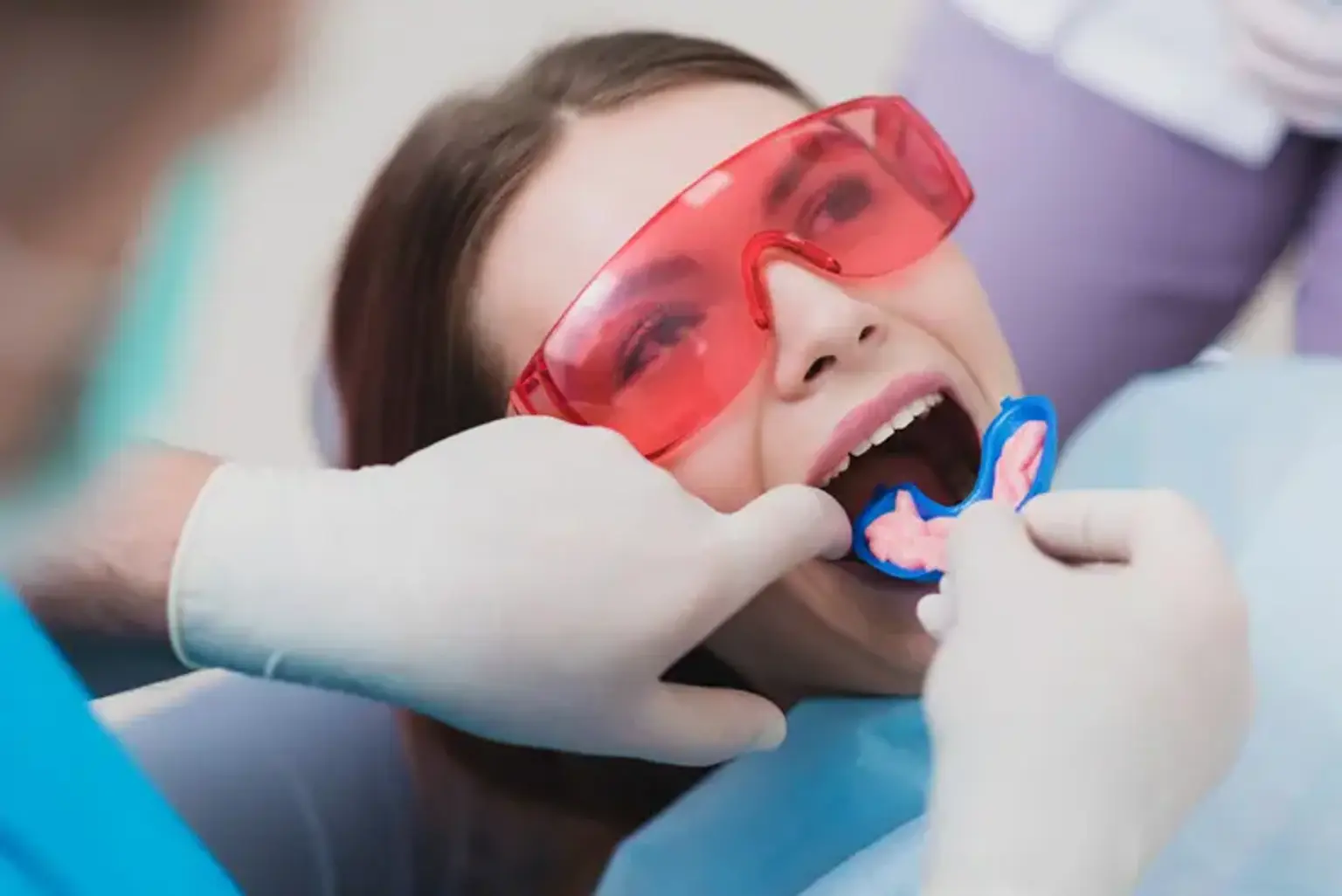
Fluoride therapy refers to the professional application of fluoride treatments designed to prevent tooth decay and strengthen tooth enamel. Fluoride is a naturally occurring mineral that has been shown to have a powerful effect on oral health. By remineralizing weakened enamel, fluoride helps prevent cavities and reduces the risk of tooth decay.
Global Popularity of Fluoride Therapy
Fluoride therapy is widely used around the world, particularly in the form of professional dental treatments and fluoride toothpaste. Its global adoption began in the mid-20th century when studies showed fluoride’s effectiveness in reducing cavities. Today, fluoride remains a cornerstone of preventive dental care in many countries.
The Role of Fluoride in Dental Health
How Fluoride Works
Fluoride works by strengthening tooth enamel, the outer layer of your teeth. It does this by promoting remineralization, which repairs the damage caused by acids produced by bacteria in the mouth. This process makes teeth more resistant to decay. Fluoride also disrupts bacterial growth, further helping to reduce cavities.
Topical vs Systemic Fluoride
There are two main types of fluoride: topical and systemic. Topical fluoride is applied directly to the teeth, usually through professional treatments like fluoride varnish or fluoride toothpaste. Systemic fluoride, on the other hand, is consumed, typically through drinking fluoridated water or fluoride supplements. Both types work together to help protect your teeth.
Different Types of Fluoride Treatments
Fluoride Varnish
Fluoride varnish is a concentrated form of fluoride that is painted onto the teeth by a dental professional. It sticks to the tooth surface and is absorbed over time, providing a long-lasting protective effect. It is particularly beneficial for children, as it’s easy to apply and can effectively prevent cavities.
Fluoride Gel and Rinse
Fluoride gels are applied to teeth in a more substantial layer than varnish, while fluoride rinses are usually used at home. Both products deliver fluoride directly to the enamel, helping with cavity prevention. Fluoride gels are typically used in professional treatments, while rinses can be found in over-the-counter products.
Fluoride Toothpaste
Fluoride toothpaste is a key part of daily oral hygiene. It helps protect against cavities and decay with each brushing session. While not as concentrated as professional treatments, fluoride toothpaste still plays a significant role in cavity prevention and is an essential part of any oral care routine.
The Benefits of Fluoride Therapy
Preventing Tooth Decay and Cavities
Fluoride therapy is primarily used to prevent tooth decay. By remineralizing tooth enamel and reducing the acid levels in the mouth, fluoride makes teeth more resistant to the bacteria that cause cavities. Studies have shown that regular fluoride treatments can significantly reduce the occurrence of cavities in both children and adults.
Strengthening Tooth Enamel
One of the main benefits of fluoride is its ability to strengthen the enamel. Fluoride ions are absorbed into the enamel, making it harder and more resilient against decay. This is particularly important for those who may have weakened enamel due to factors like aging, diet, or medication.
Special Benefits for Children
For children, fluoride is a crucial tool in preventing early childhood cavities. As their teeth develop, fluoride helps protect these new teeth from decay. Fluoride varnish, in particular, is often used for children as it provides a quick, safe, and effective way to help prevent cavities before they start.
Fluoride Treatment for Adults
Fluoride for Adult Teeth
Fluoride is not just for children—adults can benefit from it too. As we age, our enamel naturally weakens, and we may become more susceptible to tooth decay and sensitivity. Fluoride therapy can help strengthen the enamel and prevent cavities, particularly in areas where the enamel has thinned. It can also protect against issues like root decay, which is common in older adults.
Fluoride Treatments for Adults with Special Needs
Adults with dry mouth (xerostomia), often caused by medications or medical conditions, are at higher risk for tooth decay. Fluoride can help combat this by providing additional protection against cavities. Individuals with chronic conditions like diabetes or those who smoke may also benefit from more frequent fluoride treatments to maintain their oral health.
The Safety and Effectiveness of Fluoride Therapy
Is Fluoride Therapy Safe?
Fluoride therapy is generally considered very safe when applied correctly. Professional treatments are carefully controlled to ensure that the right amount of fluoride is used. The risk of toxicity is minimal, and the benefits far outweigh any potential risks. In fact, organizations like the American Dental Association (ADA) and the World Health Organization (WHO) support fluoride use in dental care.
Effectiveness of Fluoride Treatments
Research has consistently shown that fluoride treatments are highly effective in preventing tooth decay and cavities. A study published in the Journal of Dental Research found that children who received professional fluoride treatments experienced a 27% reduction in cavities. Fluoride’s effectiveness increases with regular use, making it a powerful tool in maintaining long-term dental health.
Fluoride Treatment Procedure
What to Expect During a Fluoride Treatment
The fluoride therapy process is simple and quick. If you’re receiving fluoride varnish or gel, your dentist will apply it directly to your teeth, and you’ll be asked to avoid eating or drinking for at least 30 minutes to allow the fluoride to be absorbed. For fluoride rinses, your dentist or hygienist may ask you to swish the rinse around in your mouth for a set time before spitting it out.
Possible Side Effects
Side effects from fluoride therapy are rare but can include temporary mild discomfort, such as tooth sensitivity or a strange taste in the mouth. These effects typically go away quickly. In extremely rare cases, an allergic reaction can occur, but this is unusual and should be addressed by your dentist immediately.
Fluoride Therapy for Children vs Adults
Fluoride in Children’s Oral Health
Fluoride is especially important for children, as their developing teeth are more vulnerable to decay. Professional fluoride treatments, such as fluoride varnish, can be applied to protect these teeth before cavities form. Fluoride therapy is also a preventive measure for baby teeth, which are more susceptible to early decay.
Fluoride for Older Adults
As we age, the risk of cavities and enamel erosion increases, particularly with changes in diet, dry mouth, and other medical conditions. For older adults, fluoride therapy can help prevent these issues and reduce the risk of tooth sensitivity. Dentists may recommend more frequent fluoride treatments for seniors to protect their teeth from decay and wear.
How Often Should Fluoride Treatments Be Done?
Recommended Fluoride Treatment Schedule
The frequency of fluoride treatments depends on individual oral health needs. For most people, fluoride treatments are recommended once every six months during regular dental checkups. However, people at higher risk of tooth decay, such as those with a history of cavities, dry mouth, or gum disease, may require fluoride treatments more frequently. Your dentist will tailor the schedule to meet your specific oral health needs.
Alternatives to Professional Fluoride Treatments
Over-the-Counter Fluoride Products
While professional fluoride treatments offer the strongest protection, there are several over-the-counter fluoride products available, such as fluoride toothpaste, mouth rinses, and gels. These products are beneficial for daily maintenance, but they are not as concentrated as professional treatments. They can help prevent cavities but may not provide the same level of protection as a dental office treatment.
When to Choose Professional Fluoride Therapy
Professional fluoride therapy is more concentrated and has a longer-lasting effect compared to over-the-counter options. If you are at high risk for cavities or have specific dental concerns (e.g., weakened enamel, dry mouth), your dentist may recommend professional fluoride treatments to provide a stronger protective barrier. They are also more effective for children who may not get sufficient fluoride from regular home care.
Fluoride and the Environment
Environmental Impact of Fluoride Usage
There has been ongoing debate about the environmental impact of fluoride, particularly concerning its presence in public water supplies. While the benefits of fluoride for dental health are well-documented, some environmentalists raise concerns about the effects of fluoride on local ecosystems. Fluoridation of public water has been a contentious issue in many countries, with some opting to remove fluoride from water sources due to environmental concerns. However, when used in moderation and within recommended levels, fluoride’s environmental impact remains relatively low.
Global Fluoride Regulation
Fluoride use is regulated differently in each country. In some nations, like the United States, water fluoridation is a common practice to prevent tooth decay. In other countries, fluoride is only used in dental treatments, and water fluoridation is avoided. The World Health Organization (WHO) sets global guidelines to ensure that fluoride use remains safe and effective, both for individuals and for the environment.
FAQs About Fluoride Therapy
Common Questions on Fluoride Therapy
Is fluoride therapy safe during pregnancy?
Yes, fluoride therapy is considered safe during pregnancy. The American Dental Association (ADA) states that fluoride is not only safe for expectant mothers but beneficial in reducing the risk of cavities in their teeth. However, it’s always best to discuss any concerns with your dentist.
How long do the effects of fluoride treatment last?
The effects of a professional fluoride treatment can last for several months, but it’s important to maintain proper oral hygiene, including brushing with fluoride toothpaste, to prolong the benefits.
Can fluoride therapy reverse cavities?
Fluoride therapy cannot reverse existing cavities but can help stop the progression of early decay by remineralizing the enamel. For more advanced cavities, other dental treatments such as fillings may be necessary.
What’s the difference between fluoride varnish and fluoride gel?
Fluoride varnish is a sticky substance that coats the teeth and releases fluoride over time. It’s more commonly used for children. Fluoride gel is typically applied in higher doses during professional treatments and is left on for a longer period for maximum effect.
Fluoride Therapy Costs and Insurance Coverage
Cost of Fluoride Treatments
The cost of fluoride therapy can vary depending on the type of treatment, location, and your dental provider. Professional fluoride treatments (varnish, gel, or rinse) typically range from $20 to $50 per session. However, the cost may increase if additional treatments or specialized fluoride options are recommended. For children, dental plans often cover fluoride applications as part of routine preventive care, but for adults, it may require additional fees.
Dental Insurance and Fluoride Coverage
Many dental insurance plans cover fluoride treatments for children under a certain age, as these are seen as a key preventive measure. For adults, coverage varies. Some plans cover fluoride applications for high-risk patients, but it may not be included in standard check-ups for most adults. It's advisable to check with your insurer for specific details about your plan’s coverage for fluoride therapy.
Fluoride Therapy in Different Regions
Fluoride Therapy in North America
In countries like the United States and Canada, fluoride therapy is a common part of dental care. Public water fluoridation is widespread in North America, and many schools and health programs promote fluoride use as a vital aspect of children’s oral health. Dental professionals in these regions regularly use fluoride treatments to prevent cavities and protect enamel, especially for at-risk populations.
Fluoride Usage in Europe
Fluoride use in Europe varies from country to country. While some countries, such as the United Kingdom and Ireland, have adopted water fluoridation programs, others rely primarily on professional fluoride treatments in dental clinics. European countries like Sweden and Denmark have a higher awareness of fluoride’s benefits, though public fluoridation of water is more contentious. Many European nations encourage fluoride toothpaste use, especially in areas without water fluoridation.
Fluoride Therapy in Developing Countries
In developing countries, access to professional fluoride therapy may be more limited, but fluoride toothpaste remains a widely available option. Public health campaigns in several nations promote the benefits of fluoride for dental health. Some countries are working toward integrating fluoride programs in schools and public health systems to address high rates of dental disease, especially in rural areas.
Fluoride Therapy and Ethical Considerations
Ethical Debate Over Water Fluoridation
One of the primary ethical concerns regarding fluoride therapy revolves around water fluoridation. Some individuals and organizations argue that adding fluoride to public water supplies is a violation of personal freedom and consent, as it administers fluoride to individuals without their direct consent. On the other hand, proponents argue that water fluoridation is a highly effective public health measure that benefits the general population, particularly in communities where access to dental care is limited.
Personal Choice in Fluoride Treatment
For those concerned about fluoride exposure, fluoride therapy remains a personal choice when it comes to dental care. Patients can decide whether to opt for professional treatments and select fluoride products based on their individual preferences and dental needs. It is crucial that patients are well-informed about both the benefits and the risks associated with fluoride use to make educated decisions about their oral health.
Conclusion
The Importance of Fluoride in Oral Health
Fluoride therapy has proven to be a vital tool in maintaining optimal dental health. Whether applied through professional treatments or through daily fluoride toothpaste use, fluoride plays a significant role in preventing cavities, strengthening enamel, and improving overall oral hygiene. Fluoride therapy is safe, effective, and accessible to most individuals, offering both children and adults protection against tooth decay.
The Global Impact of Fluoride
The widespread use of fluoride therapy across the globe, from North America to Europe and developing nations, demonstrates its importance in oral health prevention. By promoting fluoride’s benefits and ensuring safe usage, we can continue to reduce dental disease rates worldwide and improve quality of life through better oral health.
A Commitment to Oral Health
The adoption of fluoride therapy as part of a regular oral health regimen is a simple but highly effective method for maintaining a healthy smile. Regular visits to the dentist, along with fluoride treatments, can ensure that your teeth remain strong and protected for years to come. As part of comprehensive dental care, fluoride therapy remains an essential preventive measure that contributes to long-term dental well-being.