Introduction
Forehead lift surgery, also known as a brow lift, is a cosmetic procedure designed to reduce the visible effects of aging on the forehead. By addressing sagging brows, deep forehead wrinkles, and lines, it creates a smoother, youthful appearance.
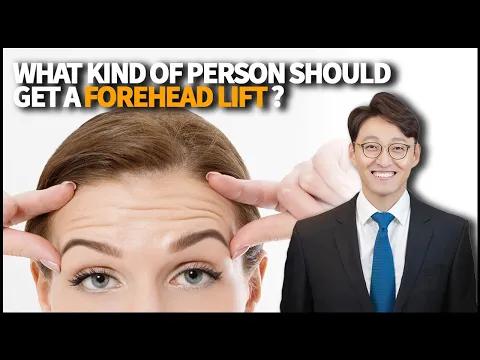
Many people choose this surgery when they feel that their facial expressions no longer reflect their energy or age, with a heavy brow or furrowed forehead making them look tired or angry. The procedure is effective in rejuvenating the upper face and restoring a more alert and refreshed look.
Understanding the Procedure: What is a Forehead Lift?
A forehead lift involves the surgical elevation of the brow, smoothing out wrinkles and tightening the skin of the upper face. There are two primary techniques: the traditional brow lift and the endoscopic brow lift. In the traditional method, an incision is made across the hairline, and excess skin, fat, and muscle are removed. The endoscopic technique uses smaller incisions and a camera to guide the surgeon, which results in less scarring and a quicker recovery.
The goal of the procedure is to lift the brows, reduce forehead wrinkles, and give the face a more youthful appearance. This is particularly beneficial for people with sagging brows or those looking to correct the signs of aging such as horizontal forehead lines.
Benefits of Forehead Lift Surgery
Forehead lift surgery offers numerous benefits. Firstly, it creates a smoother, more youthful appearance by lifting sagging brows and reducing wrinkles. The procedure can also improve vision obstructed by low-hanging brows. For many patients, the psychological benefits are equally important: the surgery can enhance self-esteem and confidence by restoring a youthful, refreshed appearance.
Additionally, unlike temporary treatments like Botox, a forehead lift provides long-lasting results that typically last for several years. The improvements in facial aesthetics are noticeable and can make a significant difference in how individuals feel about their appearance, leading to enhanced well-being.
Why Do People Opt for Forehead Lift Surgery?
There are several reasons why people choose to undergo forehead lift surgery. One of the primary motivations is to address sagging eyebrows, which can make individuals look older, tired, or angry. Deep forehead wrinkles and lines can also contribute to an aged appearance. A forehead lift smooths these wrinkles and elevates the brow to restore a youthful look.
Additionally, many patients seek a forehead lift to improve their overall facial expression. A sagging brow can give the impression of frustration or fatigue, even when a person feels alert and positive. By lifting the brows and smoothing out the forehead, patients achieve a more pleasant and energized appearance.
This procedure is also ideal for those looking for a permanent solution to the signs of aging. Unlike temporary treatments such as Botox, which require regular touch-ups, a forehead lift provides long-lasting results with minimal maintenance.
Who Are the Ideal Candidates for Forehead Lift Surgery?
The ideal candidates for forehead lift surgery are generally individuals between the ages of 40 and 60, though it can be performed on patients outside this range depending on their needs. Good candidates typically experience drooping eyebrows, deep forehead wrinkles, or a furrowed brow that makes them appear older or more tired than they feel. People with good skin elasticity and overall good health are the best candidates for the procedure, as they are likely to heal more quickly and enjoy longer-lasting results.
It’s also important for candidates to have realistic expectations. A forehead lift can dramatically improve one’s appearance, but it won't stop the natural aging process. Those who are looking for a permanent, youthful appearance and are emotionally and physically prepared for the recovery process tend to do well with the surgery.
Risks and Potential Complications of Forehead Lift Surgery
Like any surgery, forehead lift surgery carries certain risks. Though complications are rare, it’s important to be aware of potential issues that may arise.
Hematoma: The accumulation of blood under the skin can occur, requiring drainage or additional treatment.
Nerve Damage: Temporary or permanent changes in sensation or muscle function in the forehead, brows, or scalp may occur.
Scarring: While incisions are generally made in inconspicuous areas (such as the hairline), there is always a risk of visible scarring. In the endoscopic method, scarring is minimal, but some scarring may still occur.
Infection: As with any surgical procedure, there is a risk of infection, though this is rare with proper aftercare.
Asymmetry: In some cases, patients may notice slight asymmetry in their brows or forehead after the procedure. This is typically correctable with follow-up treatments.
Patients are also advised to be aware of potential complications such as persistent swelling, bruising, or changes in hairline position. To minimize risks, it’s essential to follow the surgeon’s pre-and post-operative care instructions carefully.
The Surgical Process: Step-by-Step
The procedure typically takes about 1 to 2 hours, depending on the technique used and the extent of the lift.
Traditional Forehead Lift: In a traditional forehead lift, the surgeon will make an incision along the hairline, often extending from ear to ear, to access the underlying tissue. The forehead skin is then lifted, excess skin, fat, and muscle are removed, and the skin is tightened. The incision is closed with stitches or staples, leaving minimal visible scarring.
Endoscopic Forehead Lift: For patients seeking less invasive surgery, the endoscopic approach uses smaller incisions—usually within the hairline. A tiny camera (endoscope) is inserted through the incisions to guide the surgeon as they lift and reposition the forehead skin. This technique generally results in less scarring and a quicker recovery.
Regardless of the technique, the goal is to smooth wrinkles, lift the brows, and restore a youthful contour to the upper face. The procedure is typically performed on an outpatient basis, meaning patients can go home the same day.
Post-Surgery Care and Recovery: What to Expect
After forehead lift surgery, patients can expect some discomfort, swelling, and bruising around the forehead and eyes. While these effects are temporary, they are part of the normal healing process. The first few days following surgery are crucial for recovery, and the surgeon will provide detailed aftercare instructions to help manage these symptoms.
Pain Management: Mild to moderate discomfort is common and can usually be managed with prescribed pain medications. Over-the-counter pain relievers may be used as advised by the surgeon.
Swelling and Bruising: Swelling is to be expected, particularly around the eyes and forehead. Cold compresses can help reduce swelling, and most patients notice significant improvement within a week.
Incision Care: Keeping the incisions clean and dry is essential to avoid infection. Patients should follow the surgeon’s instructions for cleaning and dressing the incisions.
Head Elevation: For the first few days, patients should sleep with their head elevated to minimize swelling and promote faster healing.
Patients will need to avoid strenuous physical activities, heavy lifting, or bending over for at least two to three weeks after surgery to prevent complications and allow the body to heal properly.
How Long Do the Results of a Forehead Lift Last?
One of the significant advantages of forehead lift surgery is its long-lasting results. While the aging process continues, most patients experience permanent improvements in the appearance of their forehead and brow area. The effects of the surgery—such as lifted brows and reduced forehead wrinkles—can last anywhere from 10 to 15 years, depending on factors like skin quality, lifestyle, and genetics.
However, it’s important to remember that factors like sun exposure, smoking, and gravity will continue to affect the skin over time, which may lead to some sagging or wrinkle formation in the future. To maintain the results of the surgery, patients can complement the procedure with Botox, fillers, or skin care treatments as part of their long-term beauty regimen.
Preparing for Forehead Lift Surgery
Preparation for forehead lift surgery begins with a detailed consultation with a board-certified surgeon. During this consultation, the surgeon will evaluate the patient’s facial structure, skin quality, and overall health to determine the most appropriate surgical technique. The surgeon will also discuss the patient’s goals, answer any questions, and explain the benefits and risks of the surgery.
Patients may be advised to stop smoking and discontinue the use of certain medications, such as blood thinners, to reduce the risk of complications during surgery. Depending on the technique used, the surgeon will discuss anesthesia options. While some patients opt for general anesthesia (sleeping through the procedure), others may choose local anesthesia with sedation (remaining awake but relaxed).
It’s also essential for patients to arrange for someone to drive them home after the surgery and assist with basic tasks during the first few days of recovery.
Minimally Invasive Forehead Lift Techniques
For those who want the benefits of forehead lift surgery but with less downtime and smaller incisions, the endoscopic forehead lift is an excellent option. This minimally invasive technique uses small incisions hidden within the hairline, through which a tiny camera (endoscope) is inserted. The surgeon then performs the lift by manipulating the underlying tissue using specialized instruments.
The endoscopic method has several benefits:
Smaller incisions: These typically leave less noticeable scars compared to traditional methods.
Faster recovery: Because of the smaller incisions and less invasive nature, recovery time is often shorter.
Less risk of complications: The reduced invasiveness lowers the chances of complications such as scarring or nerve damage.
However, not all patients are candidates for the endoscopic lift, especially those with significant skin sagging or excess tissue. The best option depends on the patient’s specific concerns, which will be discussed during the pre-surgical consultation.
Recovery Timeline After a Forehead Lift
The recovery process following a forehead lift is gradual, and while patients can generally return to work within 1-2 weeks, the full healing process can take several months. Here’s a breakdown of the typical recovery timeline:
Week 1: Expect swelling, bruising, and discomfort, which can usually be managed with pain medication. Most patients are able to return to work after 7 to 10 days, though they may need to avoid strenuous activities and heavy lifting.
Week 2-4: By this time, swelling and bruising begin to subside significantly. Incisions may still be slightly red or swollen but should be healing well.
1-3 months: During this period, the final results of the surgery start to become more apparent as the face continues to settle. The skin will continue to tighten, and any residual swelling will gradually disappear.
6 months: By the six-month mark, most patients have fully healed and can enjoy the long-lasting benefits of a smoother, youthful appearance.
While healing times vary, following the surgeon’s aftercare instructions closely and attending all follow-up appointments will help ensure optimal results.
Cost of Forehead Lift Surgery
The cost of forehead lift surgery can vary depending on factors such as the surgeon’s experience, the geographical location of the procedure, and the specific techniques used. On average, the cost ranges between $3,000 and $8,000. This price typically includes the surgeon’s fee, anesthesia, facility fees, and post-operative care.
Patients should also consider additional costs such as follow-up visits, medications, and potential touch-up treatments. While this may seem like a significant financial commitment, many patients find the long-term results to be worthwhile, as a forehead lift can last for many years.
It's important for individuals to carefully research surgeons and clinics to ensure they are receiving quality care and results that meet their expectations. Financing options and payment plans may also be available to help make the procedure more accessible for those interested.
The Psychological Impact of Forehead Lift Surgery
Undergoing forehead lift surgery can have a significant positive impact on a person’s emotional well-being. Many patients report feeling more confident, youthful, and energized after the procedure, which often improves their overall self-esteem. The surgery is particularly beneficial for individuals who feel that their facial appearance does not reflect their true age or personality.
By lifting sagging brows and smoothing forehead wrinkles, the surgery helps restore a more open and expressive appearance, which can have a positive effect on personal and professional interactions. Feeling good about one's appearance can translate into improved mental health, better self-image, and greater satisfaction in daily life. For many, the procedure is more than just cosmetic—it is an investment in their emotional well-being.
Combining a Forehead Lift with Other Procedures
Many people choose to combine a forehead lift with other facial rejuvenation procedures to achieve more comprehensive results. Common combinations include:
Facelift: A facelift addresses sagging skin on the lower face and neck, complementing the effects of a forehead lift by creating an overall more youthful appearance.
Eyelid Surgery (Blepharoplasty): Eyelid surgery can further enhance the results of a forehead lift by addressing puffiness, bags, and sagging skin around the eyes, which often accompanies a heavy brow.
Botox or Dermal Fillers: While a forehead lift permanently addresses brow sagging and wrinkles, Botox or dermal fillers can be used to target fine lines around the eyes, mouth, or forehead for a more complete rejuvenation.
Combining procedures can be a cost-effective way to achieve a more dramatic transformation in a single surgical session, but it's essential to discuss all options with the surgeon to determine the best approach for each individual’s needs and goals.
Maintaining Results After a Forehead Lift
To keep the results of a forehead lift looking fresh, patients should adopt healthy lifestyle habits. Here are some tips to maintain the youthful appearance after surgery:
Sun Protection: Protecting the skin from sun damage is crucial. Use a high-SPF sunscreen daily to prevent premature aging.
Skin Care: Consistent skincare routines, including moisturizers, retinoids, and antioxidants, can help maintain the firmness and elasticity of the skin.
Healthy Habits: Staying hydrated, eating a balanced diet, and not smoking can all contribute to the longevity of the results.
Follow-Up Treatments: Some patients opt for Botox or dermal fillers periodically to touch up any areas of concern, particularly as they continue to age.
By following these guidelines, patients can maximize the results of their forehead lift and keep their appearance youthful for as long as possible.
Global Popularity of Forehead Lift Surgery
Forehead lift surgery has gained global popularity in recent years, particularly in countries where cosmetic surgery is widely accepted and accessible. In the United States, it is a well-established procedure, with thousands of people opting for the surgery each year. The demand for brow lifts has also increased in countries like Brazil, South Korea, and the UK, where facial aesthetics are a significant focus.
The popularity of this surgery can be attributed to the increasing desire for non-invasive yet long-lasting facial rejuvenation options. Many patients are looking for procedures that can address the visible signs of aging without requiring extensive recovery time. Additionally, social media’s influence on beauty standards has contributed to more people seeking ways to enhance their appearance, driving the demand for forehead lifts worldwide.
As techniques improve and awareness grows, the procedure’s appeal is expected to continue rising. Whether for personal satisfaction or professional reasons, more individuals around the world are turning to forehead lifts as a solution to combat the signs of aging and enhance their facial aesthetics.
Non-Surgical Alternatives to Forehead Lift Surgery
For those not ready for surgery or seeking less invasive options, there are several non-surgical alternatives to a forehead lift. While these options won't provide the same dramatic results, they can help temporarily address forehead wrinkles and brow sagging.
Botox: Botox injections are commonly used to smooth out forehead lines and lift the brows. The effects typically last for 3 to 6 months, making it a low-commitment option for individuals who want to delay surgery.
Dermal Fillers: Fillers like hyaluronic acid can be used to add volume to the forehead and brow area, helping to restore a youthful appearance. These treatments provide temporary results that last between 6 months to a year.
Thread Lifts: This procedure involves inserting temporary sutures under the skin to lift the brow and tighten the forehead. The results are subtle and last around 1 to 2 years.
These alternatives may be suitable for individuals looking for a quick refresh or for those who aren’t candidates for a traditional forehead lift due to health or age restrictions.
Choosing the Right Surgeon for Forehead Lift Surgery
Choosing the right surgeon is crucial to the success of a forehead lift. It’s important to find a board-certified plastic surgeon or facial cosmetic surgeon with significant experience in performing forehead lifts. Here’s what to look for:
Credentials: Ensure the surgeon is board-certified by a reputable medical board (e.g., American Board of Plastic Surgery).
Experience: Look for a surgeon who specializes in facial aesthetics and has a proven track record with forehead lift procedures.
Before-and-After Photos: Request to see examples of the surgeon’s previous work. This will help you assess the quality of their results.
Patient Reviews: Read reviews and testimonials from previous patients to get a sense of their experiences and satisfaction.
A thorough consultation where the surgeon listens to your concerns and discusses realistic outcomes is also key to making an informed decision.
Conclusion
Forehead lift surgery can offer significant benefits for individuals looking to rejuvenate their facial appearance and eliminate the signs of aging. Whether you're dealing with sagging brows, deep forehead wrinkles, or a tired, aged look, the procedure can provide a natural and youthful transformation.
However, it’s important to consider the procedure’s costs, recovery time, and potential risks before making a decision. Consulting with a qualified surgeon will help you determine if forehead lift surgery aligns with your goals and expectations.
With proper preparation, care, and maintenance, a forehead lift can provide long-lasting results that enhance not only your appearance but also your confidence and self-esteem. If you’re ready to take the step toward a more youthful look, a forehead lift might be the solution you’ve been searching for.