What is Gastritis?
Gastritis refers to the inflammation of the stomach lining, which can be either acute (short-term) or chronic (long-term). This condition occurs when the protective lining of the stomach becomes damaged or irritated. Gastritis can lead to discomfort, pain, and other digestive issues, significantly affecting a person's quality of life. The inflammation can result from a variety of factors, including bacterial infections, excessive alcohol consumption, long-term use of nonsteroidal anti-inflammatory drugs (NSAIDs), and even stress.
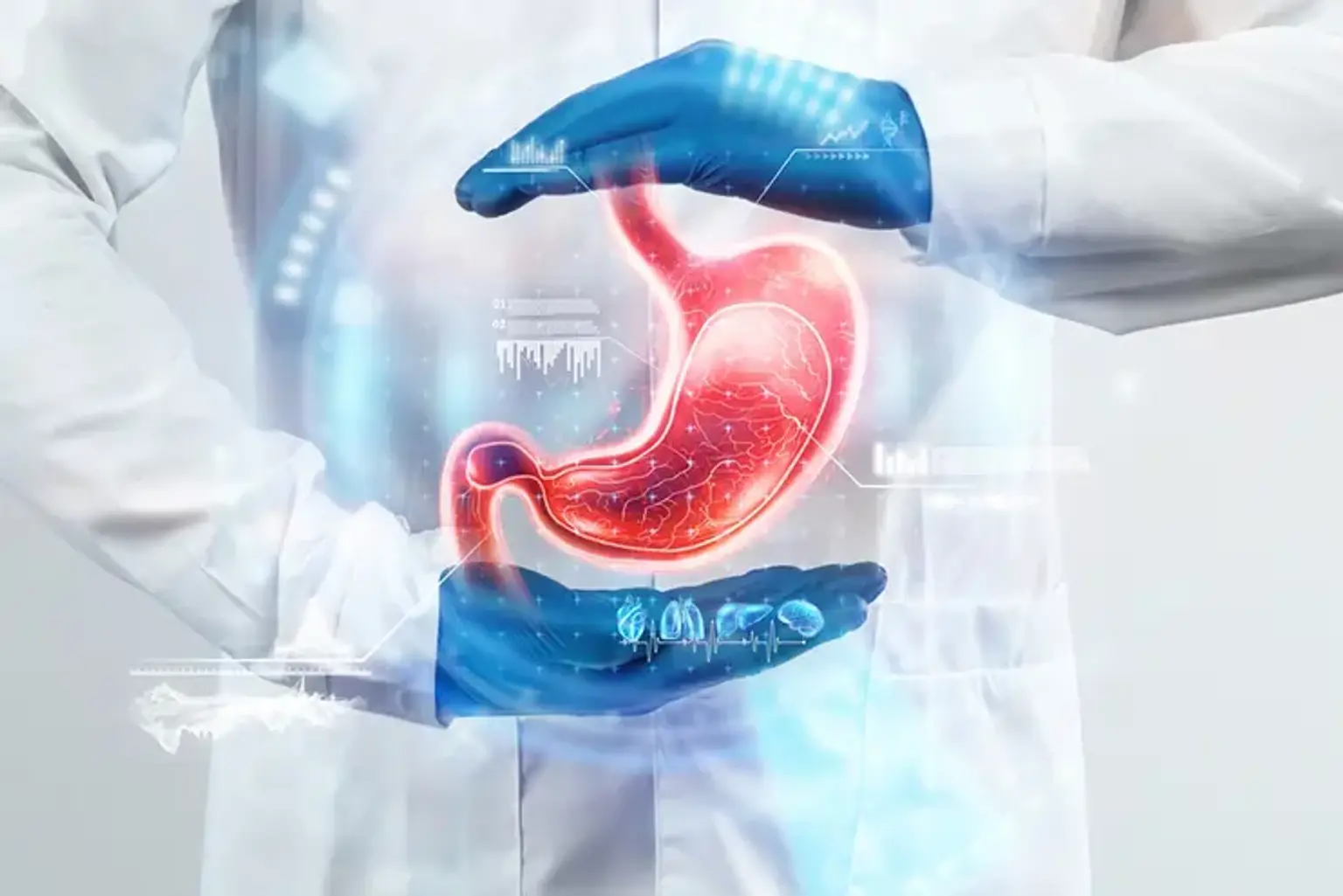
Understanding the causes and symptoms of gastritis is crucial, as it allows individuals to seek timely treatment and avoid further complications like ulcers, bleeding, or even stomach cancer. Treatment varies based on the underlying cause and the severity of the condition.
Importance of Early Diagnosis and Treatment of Gastritis
Early diagnosis and treatment of gastritis are essential in preventing long-term complications, such as ulcers or gastrointestinal bleeding. When left untreated, the inflammation can erode the stomach lining, leading to further health issues. Timely intervention with the right treatment can not only alleviate symptoms but also help restore the stomach lining and reduce the risk of more severe conditions, like stomach cancer.
Many people may initially ignore mild gastritis symptoms, such as bloating, nausea, or indigestion. However, these early signs should not be overlooked. Seeking professional medical advice when symptoms appear can help in identifying the condition and tailoring the best treatment plan. With proper care, most people with gastritis can recover fully and prevent future flare-ups.
Common Causes of Gastritis
Gastritis can arise from several factors that irritate or damage the stomach lining. The most common cause is an infection with Helicobacter pylori (H. pylori) bacteria, which disrupts the protective mucus lining of the stomach, making it more vulnerable to acid. This infection is particularly prevalent and can lead to chronic gastritis if not treated appropriately.
Another major cause of gastritis is the prolonged use of NSAIDs (such as aspirin and ibuprofen), which can weaken the stomach's protective lining. Excessive alcohol consumption is another significant risk factor, as alcohol can directly irritate the stomach lining. Additionally, stress can play a role in the development of gastritis, though it may not directly cause it, stress can exacerbate symptoms.
Other contributing factors include autoimmune diseases, where the body attacks its stomach lining, as well as bile reflux, smoking, and a poor diet.
Risk Factors for Developing Gastritis
Several factors can increase the likelihood of developing gastritis. Age is one of the primary risk factors, as older adults tend to have a weaker stomach lining. People with a family history of gastrointestinal disorders are also at a higher risk, suggesting a genetic predisposition to developing conditions like gastritis.
A poor diet, especially one that includes excessive spicy, acidic, or fried foods, can also increase the risk. Smoking is another major contributor, as it reduces blood flow to the stomach, impairing the ability to heal and regenerate the stomach lining. Chronic stress is often cited as a factor that worsens existing gastritis, though it is typically not the sole cause.
Additionally, individuals with conditions like Crohn's disease or other autoimmune disorders are more susceptible to autoimmune gastritis, where the immune system mistakenly attacks the stomach lining.
When to Seek Medical Help for Gastritis
While mild gastritis symptoms may resolve on their own with simple lifestyle changes and over-the-counter treatments, it’s important to seek medical help if symptoms persist or worsen. If you experience any of the following, it's critical to consult a doctor immediately:
Severe stomach pain that doesn’t improve after eating or persists for several hours.
Vomiting blood or the appearance of black or tarry stools, which could indicate bleeding in the stomach.
Unexplained weight loss or a feeling of constant nausea that interferes with daily activities.
Persistent indigestion or bloating that doesn’t improve after dietary changes.
If gastritis is left untreated, it can lead to more serious complications, such as stomach ulcers, bleeding, and even an increased risk of stomach cancer. Early intervention allows for effective treatment and can help prevent these severe outcomes.
Common Symptoms of Gastritis
The symptoms of gastritis can range from mild to severe and may vary based on the underlying cause of the condition. Some people with gastritis may experience no symptoms at all, while others may suffer from significant discomfort. The most common symptoms include:
Abdominal pain: A dull or burning pain in the upper stomach area is typical. The pain may be worse after eating.
Nausea and vomiting: A feeling of sickness or the need to vomit is frequent with gastritis, sometimes accompanied by vomiting.
Bloating: Many individuals feel a sensation of fullness or bloating in the stomach, often after meals.
Loss of appetite: A reduced desire to eat, often due to discomfort or nausea, is another common symptom.
Indigestion: A sensation of discomfort or burning in the upper abdomen, sometimes accompanied by heartburn, is a frequent sign of gastritis.
More severe symptoms may include vomiting blood, black stools, or sudden, intense pain, which can indicate complications like ulcers or gastrointestinal bleeding. Anyone experiencing these symptoms should seek medical attention immediately.
The Role of Blood and Stool Tests
Blood and stool tests are often the first steps in diagnosing gastritis, particularly when the condition is suspected to be caused by an infection or bleeding. Here’s how they contribute to the diagnosis:
Blood tests: A complete blood count (CBC) can reveal signs of anemia, which may occur due to chronic gastritis or blood loss. It can also detect elevated white blood cell counts, indicating an infection or inflammation.
H. pylori blood test: This test looks for antibodies or the bacteria itself in the bloodstream. A positive result suggests that an H. pylori infection is the likely cause of gastritis.
Stool tests: Stool tests are crucial for identifying blood in the stool, a common symptom of stomach ulcers or severe gastritis. Additionally, stool tests can be used to detect the presence of H. pylori bacteria, helping guide treatment with antibiotics.
These tests provide valuable information that helps doctors determine the most effective treatment approach for each patient, whether it’s eradicating an infection or reducing inflammation with medication.
Endoscopy and Biopsy for Gastritis
In cases where gastritis symptoms are persistent or severe, doctors may recommend an endoscopy, a procedure where a thin, flexible tube with a camera (called an endoscope) is inserted into the stomach through the mouth. This allows the doctor to visually examine the stomach lining for signs of inflammation, ulcers, or any other abnormalities.
During the endoscopy, if any suspicious areas are identified, a biopsy (a small tissue sample) may be taken. A biopsy helps in diagnosing the specific cause of gastritis. For example, it can identify infections caused by Helicobacter pylori or autoimmune conditions where the body's immune system attacks the stomach lining.
Endoscopy also allows the doctor to check for signs of bleeding or other complications that may need immediate treatment. The procedure is typically performed under sedation to ensure the patient’s comfort. While it may sound intimidating, endoscopy is a highly effective way to accurately diagnose gastritis and rule out more serious conditions.
Medications for Treating Gastritis
The treatment of gastritis typically involves medications aimed at reducing inflammation, neutralizing stomach acid, and, in some cases, treating infections. Several types of medications are commonly prescribed depending on the cause of gastritis:
Antacids: These medications help neutralize stomach acid, providing relief from symptoms such as heartburn and indigestion. Antacids can be purchased over-the-counter and are often used for mild gastritis cases.
Proton Pump Inhibitors (PPIs): These drugs, such as omeprazole, reduce the production of stomach acid and allow the stomach lining to heal. PPIs are often prescribed for more severe or chronic gastritis.
H2 Blockers: Similar to PPIs, H2 blockers (like ranitidine) also reduce stomach acid but in a different way. They are often used when PPIs are not effective or when long-term acid suppression is needed.
Antibiotics: If H. pylori infection is the cause of gastritis, antibiotics such as amoxicillin or clarithromycin may be prescribed. It is essential to complete the full course of antibiotics to ensure the infection is fully eradicated.
In addition to these medications, doctors may prescribe medications that protect the stomach lining, such as sucralfate or misoprostol, especially in cases caused by long-term NSAID use.
How Gastritis is Diagnosed
Diagnosing gastritis typically involves a combination of physical examination, patient history, and diagnostic tests. The first step in diagnosis is a thorough discussion of the patient's symptoms and any contributing factors, such as diet, medication use, or alcohol consumption. After this, the following tests may be recommended:
Blood tests: These can help identify infection, anemia, or the presence of antibodies associated with autoimmune gastritis.
Stool tests: These tests are used to detect blood in the stool, which may suggest bleeding in the stomach. They also help in identifying an H. pylori infection.
Breath tests: Specifically, the H. pylori urea breath test is commonly used to detect this bacterial infection.
Endoscopy: In more severe or chronic cases, an endoscopy may be performed. A flexible tube with a camera is inserted into the stomach through the mouth to directly examine the stomach lining for signs of inflammation, ulcers, or other abnormalities.
Sometimes, a biopsy (a small sample of tissue) is taken during the endoscopy to test for bacterial infections or autoimmune diseases, helping to pinpoint the specific cause of the gastritis.
Eradicating H. pylori Infection
One of the most common causes of gastritis is an infection with Helicobacter pylori (H. pylori), a type of bacteria that can damage the stomach's protective lining. If H. pylori is detected, it is crucial to treat it promptly to prevent long-term damage, such as ulcers or stomach cancer.
The standard treatment for an H. pylori infection is a combination of antibiotics and acid-reducing medications. The antibiotics, such as clarithromycin and amoxicillin, target and eliminate the bacteria, while proton pump inhibitors (PPIs) reduce stomach acid, helping to promote healing and allowing the stomach lining to repair itself.
This treatment regimen usually lasts for about two weeks, and it’s essential to complete the full course of antibiotics to fully eradicate the infection. In some cases, if the first round of treatment doesn’t completely eliminate the infection, a second course of different antibiotics may be required.
Successfully eradicating H. pylori can significantly reduce symptoms of gastritis and prevent future complications like ulcers or cancer. Regular follow-up visits are necessary to ensure the infection has been fully treated.
Using Antacids and Proton Pump Inhibitors
For most people with gastritis, antacids and proton pump inhibitors (PPIs) are the go-to medications for relieving symptoms and healing the stomach lining.
Antacids: These medications neutralize excess stomach acid, providing immediate relief from symptoms such as heartburn, indigestion, and bloating. Over-the-counter antacids like Tums or Mylanta are effective for mild cases of gastritis. However, they only offer temporary relief and do not treat the underlying inflammation.
Proton Pump Inhibitors (PPIs): PPIs are more powerful and longer-lasting than antacids. They work by blocking the production of stomach acid, allowing the stomach lining to heal and reducing irritation. PPIs are commonly prescribed for more severe gastritis cases and may be used for several weeks to months, depending on the severity of the condition. Common PPIs include omeprazole (Prilosec) and esomeprazole (Nexium).
Both antacids and PPIs are highly effective in managing the symptoms of gastritis, but they should be used under the guidance of a healthcare provider, especially for long-term use. Overusing these medications without proper medical advice can lead to other digestive issues or nutrient deficiencies.
Natural Remedies and Supplements for Gastritis
While medication plays a significant role in treating gastritis, certain natural remedies may help soothe symptoms and support healing. Probiotics, found in yogurt, kefir, and supplements, help balance gut bacteria and may reduce inflammation in the stomach lining.
Ginger is another natural remedy with anti-inflammatory properties that may alleviate nausea and discomfort associated with gastritis. Some studies suggest that licorice may protect the stomach lining, although its use should be cautious and under medical supervision, as it can interact with certain medications.
While these natural remedies can provide some relief, they should not replace prescribed treatments, especially for severe gastritis or infection. Always consult with a healthcare provider before adding supplements or herbs to your treatment plan.
Long-Term Management of Chronic Gastritis
For individuals with chronic gastritis, long-term management is key to preventing flare-ups and maintaining a good quality of life. This often involves ongoing medication (like PPIs or H2 blockers) to control acid production and reduce inflammation in the stomach.
Regular follow-up visits with a healthcare provider are important to monitor the condition and adjust treatments as needed. Managing lifestyle factors, such as avoiding alcohol, smoking, and managing stress, is also crucial. Some individuals may need long-term antibiotics if they continue to test positive for H. pylori infection.
By maintaining a healthy diet, taking prescribed medications, and monitoring for any changes in symptoms, individuals can keep chronic gastritis under control and avoid complications. With proper care, people with chronic gastritis can lead a relatively normal life without severe symptoms.
When Surgery is Needed for Gastritis
In rare cases, surgery may be necessary to treat severe or complicated gastritis. This typically occurs when complications like gastric ulcers, bleeding, or perforation (a hole in the stomach) occur.
The most common surgical procedures for gastritis complications include:
Endoscopic treatments: These minimally invasive procedures can help stop bleeding in the stomach or remove damaged tissue.
Partial gastrectomy: In extreme cases, part of the stomach may need to be removed, especially if there's a large, non-healing ulcer or cancerous tissue.
Surgery is usually a last resort when other treatments have failed, and it’s typically performed when there’s a serious risk of bleeding or cancer. However, with proper medical intervention, most cases of gastritis can be managed without the need for surgery.
Dietary Modifications and Lifestyle Changes
Dietary changes are essential in managing and preventing gastritis. Certain foods and drinks can irritate the stomach lining and worsen symptoms, so avoiding them is crucial. Common irritants include spicy foods, acidic foods (like citrus and tomatoes), fried or fatty foods, and alcohol.
Instead, opt for a diet that includes:
Low-acid foods: Such as bananas, melons, and oatmeal.
Lean proteins: Like chicken, turkey, and fish.
Non-citrus fruits and vegetables: Such as apples, carrots, and leafy greens.
Whole grains: Brown rice and whole wheat bread.
In addition to dietary changes, lifestyle modifications can help prevent gastritis flare-ups. Avoid eating large meals, as they can overwhelm the stomach. It's also important to avoid smoking and manage stress, as both can worsen gastritis symptoms. Eating smaller, more frequent meals throughout the day can help reduce irritation and promote healing.
Managing Gastritis Symptoms at Home
Managing gastritis symptoms at home involves simple lifestyle and dietary changes. If you experience mild discomfort or nausea, try these home remedies:
Eat smaller meals: Eating smaller, more frequent meals can reduce irritation in the stomach.
Stay hydrated: Drinking plenty of water can help dilute stomach acid and ease symptoms.
Avoid lying down after meals: Give your stomach time to digest food before lying down to avoid reflux.
Use heat pads: Applying a warm compress or heating pad to the stomach can provide relief from pain or cramping.
It’s important to avoid irritants like spicy foods, caffeine, and alcohol, as these can worsen symptoms. Keep a food journal to track any triggers and adjust your diet accordingly.
Impact of Gastritis on Mental Health
Chronic gastritis can also affect mental health due to persistent discomfort and stress from managing the condition. The pain and unpredictability of symptoms can cause anxiety, frustration, and even depression. People with long-term gastritis often worry about flare-ups, which can affect their daily activities and social life.
Managing these mental health aspects is essential. Practicing stress-reduction techniques, such as meditation, deep breathing, or yoga, can help manage anxiety. Talking to a counselor or joining a support group can also provide emotional support. Addressing both physical and emotional well-being is key to managing gastritis effectively.
How to Prevent Gastritis and Protect Your Stomach
Preventing gastritis involves making lifestyle choices that reduce irritation to the stomach lining. Key preventive steps include:
Avoid irritants: Limit alcohol consumption, quit smoking, and use NSAIDs sparingly.
Eat a balanced diet: Include plenty of fruits, vegetables, and lean proteins to support digestive health.
Manage stress: Engage in regular physical activity and relaxation techniques to minimize stress, which can worsen gastritis symptoms.
Practice good hygiene: Wash your hands frequently and avoid close contact with people who have H. pylori infections to prevent bacterial transmission.
By following these guidelines, you can lower the risk of developing gastritis and improve overall digestive health.
Preventing Recurrence of Gastritis
For those who have experienced gastritis, preventing recurrence is essential to avoid flare-ups. Key strategies include:
Stick to prescribed treatments: If prescribed medication, continue taking it as directed, even if you feel better.
Regular check-ups: Schedule routine visits with your healthcare provider to monitor your condition, especially if you have chronic gastritis or H. pylori infection.
Avoid triggers: Continue avoiding foods, drinks, and habits that irritate your stomach, such as smoking, alcohol, and certain medications.
Maintain a healthy lifestyle: Stay active, eat a balanced diet, and manage stress to prevent the recurrence of symptoms.
By following these steps, individuals with gastritis can reduce the likelihood of future flare-ups and maintain a healthier digestive system.
Conclusion
Gastritis, though common, is a manageable condition with the right approach to treatment and lifestyle changes. By understanding the causes, symptoms, and risk factors, individuals can take proactive steps to seek early diagnosis and prevent long-term complications. Medications, along with dietary modifications and stress management, play a crucial role in alleviating symptoms and promoting healing.
For those with chronic gastritis, long-term management through regular check-ups, prescribed treatments, and a balanced lifestyle can help minimize flare-ups and maintain digestive health. Additionally, addressing the mental and emotional impacts of living with gastritis is just as important as managing physical symptoms.
By following a comprehensive treatment plan and making necessary lifestyle adjustments, people with gastritis can lead a healthier, more comfortable life, free from the limitations that this condition often brings. If you experience any persistent or severe symptoms, don't hesitate to seek medical advice and begin your journey toward recovery.