Introduction
Genetic Screening for Embryos (PGS) is a crucial tool in modern fertility treatments like IVF (In Vitro Fertilization). It helps identify chromosomal abnormalities in embryos before they are implanted into the uterus, increasing the chances of a healthy pregnancy. With its growing popularity, PGS offers couples the ability to choose the healthiest embryos, reducing the risk of miscarriage and genetic disorders. In this article, we’ll explore how PGS works, its benefits, risks, and why it’s becoming a standard part of fertility care worldwide.
What is Preimplantation Genetic Screening (PGS)?
Preimplantation Genetic Screening (PGS) is a procedure used during IVF to test embryos for chromosomal abnormalities before they are transferred into the uterus. PGS screens for common genetic issues like Down syndrome, Turner syndrome, and other chromosomal conditions, helping doctors select the healthiest embryos for implantation.
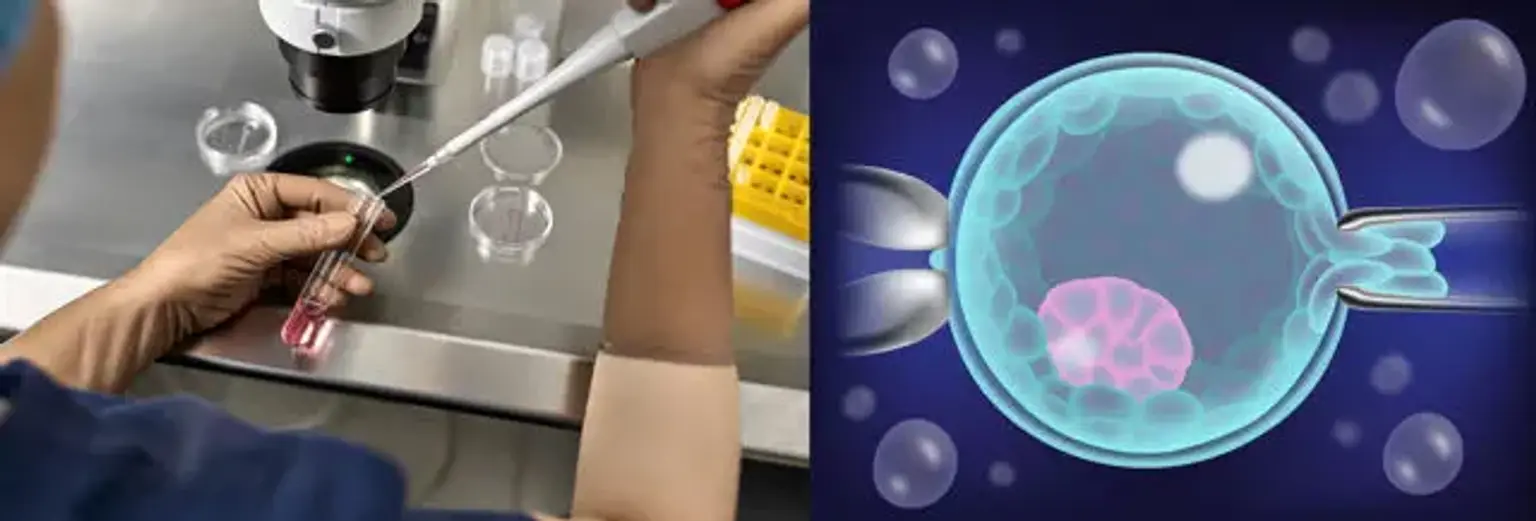
Unlike Preimplantation Genetic Diagnosis (PGD), which focuses on specific genetic diseases, PGS evaluates the overall chromosomal health of embryos, ensuring that only those with the correct number of chromosomes are chosen for transfer. This screening is especially beneficial for women of advanced maternal age or those with a history of miscarriage.
How is PGS Performed?
The PGS process begins after embryos are created during IVF. Once embryos reach the blastocyst stage (typically on day 5 or 6), a small sample of cells is removed from the embryo for testing. This process, called embryo biopsy, is performed by a skilled embryologist.
The extracted cells are then tested using methods like Next-Generation Sequencing (NGS) or Fluorescence In Situ Hybridization (FISH), which analyze the chromosomes for abnormalities. The testing takes about a week, and the results help doctors select embryos with the best chance of a healthy pregnancy. These embryos are then transferred into the uterus, while those with chromosomal abnormalities are discarded.
Potential Risks and Limitations of PGS
While PGS for embryos offers numerous benefits, it also comes with certain risks and limitations that patients should be aware of.
Procedure-Related Risks: Although the embryo biopsy is generally safe, there is a small risk of damaging the embryo during the process. Advanced techniques and experienced embryologists help minimize these risks, but they still exist.
Accuracy of PGS Results: Although PGS is highly accurate, no test is perfect. There is always a possibility of false positives (when an embryo is incorrectly identified as having a chromosomal abnormality) or false negatives (when a healthy embryo is mistakenly identified as abnormal). These errors are rare but can occur due to the complexity of genetic testing.
Emotional and Ethical Considerations: For many couples, the decision to undergo genetic screening can be emotionally challenging. The possibility of not having any viable embryos after screening can be devastating. Additionally, the ethical debate around choosing embryos based on genetic traits, while often focused on health-related issues, can be a sensitive subject for some.
PGS and IVF Success Rates
PGS has proven to be an effective tool for improving IVF outcomes, particularly for women with a history of miscarriage or advanced maternal age. Here’s how PGS impacts IVF success:
Improved Pregnancy Rates: By screening embryos for chromosomal abnormalities, PGS significantly increases the chances of successful implantation. Studies show that the use of PGS can improve live birth rates by identifying the healthiest embryos.
Reduction in Miscarriages: PGS helps reduce the risk of miscarriage by selecting embryos with a correct chromosomal count. Miscarriages are less common when healthy embryos are chosen for transfer.
Better Outcomes for Older Women: Women over the age of 35 are at higher risk for chromosomal abnormalities in their embryos. PGS helps them select embryos that are more likely to result in successful pregnancies, thus leveling the playing field in IVF treatments.
Selection of Viable Embryos: By eliminating embryos with genetic abnormalities, PGS ensures that only those with the highest potential for development are implanted. This leads to healthier pregnancies and fewer complications.
What Are the Benefits of PGS for Embryos?
Increased IVF Success Rates: PGS greatly improves the chances of a successful pregnancy by selecting only healthy embryos. This reduces the likelihood of implantation failure or miscarriage.
Reduced Risk of Genetic Disorders: By screening embryos for chromosomal issues, PGS helps prevent the transfer of embryos that could lead to genetic conditions like Down syndrome, making it an important tool for couples at risk of passing on genetic disorders.
Minimized Miscarriage Rates: Because PGS identifies chromosomally normal embryos, the risk of miscarriage due to genetic abnormalities is significantly lower. This is especially important for women over 35, who are at a higher risk for chromosomal abnormalities.
Improved Embryo Selection: PGS allows doctors to select embryos with the best chances of developing into healthy, full-term pregnancies. This targeted approach leads to more successful outcomes for IVF patients.
PGS vs PGD: What’s the Difference?
Both PGS and PGD are genetic testing methods used in IVF, but they serve different purposes.
Preimplantation Genetic Screening (PGS): PGS focuses on screening embryos for chromosomal abnormalities (like Down syndrome, Turner syndrome, etc.) to ensure that only chromosomally normal embryos are implanted.
Preimplantation Genetic Diagnosis (PGD): PGD, on the other hand, is used when there is a known genetic disorder in a family. It involves testing embryos for specific genetic conditions such as cystic fibrosis or sickle cell anemia. PGD is particularly useful for couples who are carriers of genetic diseases.
In terms of cost, PGS is generally less expensive than PGD because PGD involves more specialized testing for specific genetic conditions. While both PGS and PGD are highly accurate, PGD can provide more targeted information if there’s a specific genetic concern.
Global Popularity of PGS in IVF
Preimplantation Genetic Screening (PGS) has become widely adopted around the world, with fertility clinics in North America, Europe, and Asia offering this technology as a standard part of IVF treatments. Several factors have contributed to the growing popularity of PGS:
Technological Advancements: The development of more sophisticated genetic testing methods, such as Next-Generation Sequencing (NGS), has made PGS more accurate and accessible to a broader range of patients.
Increased Awareness: As more people become aware of PGS and its benefits, demand for genetic screening has risen. Fertility clinics are increasingly offering it as a part of their IVF packages to enhance pregnancy success rates.
Better IVF Outcomes: With studies showing improved pregnancy rates and fewer miscarriages, patients are more willing to invest in PGS, seeing it as an effective way to optimize their chances of having a healthy child.
Cost Variations: While PGS can be expensive, it is often seen as a worthwhile investment for couples facing fertility challenges. Some countries, such as the United States, offer PGS as part of comprehensive IVF packages, making it more accessible.
As more couples seek IVF, especially those with specific genetic concerns or advanced maternal age, PGS is likely to become a routine part of fertility treatment around the globe.
How Accurate is PGS in Detecting Genetic Disorders?
PGS is highly accurate but not flawless. While it significantly reduces the chances of transferring embryos with chromosomal abnormalities, there are a few limitations:
High Accuracy: Modern techniques like Next-Generation Sequencing (NGS) offer excellent precision in detecting common chromosomal issues such as Down syndrome and trisomies.
False Positives and False Negatives: Although rare, errors can occur. A false positive might lead to the rejection of a healthy embryo, while a false negative could allow an embryo with abnormalities to be transferred.
Complexity of Testing: PGS does not detect all genetic conditions. For more specific genetic disorders, PGD (Preimplantation Genetic Diagnosis) is recommended, as it focuses on particular inherited diseases.
Patient Considerations: Is PGS Right for You?
PGS is a valuable tool, but it’s not right for everyone. Here’s how to decide if it’s right for you:
Who Should Consider PGS?: It’s particularly beneficial for women over 35, those with a history of miscarriage, or those with known genetic conditions. Couples who have struggled with IVF failures may also benefit.
Personalized Consultation: Before deciding on PGS, it’s essential to consult with a fertility specialist who can assess your health, risks, and reproductive goals.
Emotional Impact: Undergoing genetic screening can be emotionally challenging. Couples must consider the emotional impact of the procedure, especially if no viable embryos are found after screening.
Cost of Genetic Screening for Embryos
PGS comes with a price tag, and costs can vary widely depending on the country and clinic. Here's what you should know about the cost:
Costs of PGS: The price of genetic screening is often added to the overall cost of IVF. On average, PGS can add $3,000 to $5,000 to the total IVF cost, though prices may vary.
Insurance Coverage: Some insurance plans may cover the cost of PGS, but many do not. It’s important to check with your insurance provider to understand your coverage options.
Is PGS Worth the Investment?: Given the increased chances of success and reduced miscarriage rates, many couples find the additional cost of PGS worthwhile for improving the odds of a healthy pregnancy.
Ethical Considerations and Controversies Surrounding PGS
While PGS is a valuable medical tool, it raises ethical questions that need to be addressed:
Embryo Selection: One of the main ethical concerns is the selection of embryos based on genetic traits. While PGS focuses on chromosomal abnormalities, some worry about the broader implications of selecting embryos based on characteristics like gender or potential intelligence.
"Designer Babies" Debate: Though PGS is not intended for selecting traits like eye color or height, there are concerns that genetic screening could evolve into selecting non-medical traits, leading to a “designer baby” culture.
Cultural and Religious Views: Different cultures and religions have varying opinions on the ethics of embryo screening. Some view it as a way to prevent suffering, while others see it as interfering with natural reproduction.
Despite these concerns, many consider PGS a necessary step in ensuring healthier pregnancies, particularly for those at higher genetic risk.
Success Stories: How PGS Has Helped Couples
PGS has transformed the IVF journey for many couples, increasing their chances of a healthy pregnancy. Here are a few success stories:
Older Couples: For women over 40, PGS has been a game-changer. One couple shared their experience of multiple IVF failures, but after undergoing PGS, they were able to select a healthy embryo, resulting in a successful pregnancy and the birth of a healthy child.
Couples with Recurrent Miscarriages: Another couple, after experiencing multiple miscarriages, opted for PGS. By selecting embryos with no chromosomal abnormalities, they were able to carry their pregnancy to full term, marking the end of a long and painful journey.
Genetic Disorder-Free Pregnancy: Couples with a family history of genetic disorders, such as cystic fibrosis, have found hope in PGS. By screening embryos for specific genetic conditions, they could select healthy embryos and prevent passing on the disorder.
These success stories highlight how PGS can change lives, offering hope and improved outcomes for couples facing fertility challenges.
The Future of PGS in Reproductive Medicine
As technology continues to evolve, the future of PGS looks even brighter:
Advancements in Genetic Testing: The development of more advanced technologies, like whole-genome sequencing, will likely improve the accuracy and scope of PGS, enabling doctors to screen for even more conditions.
Personalized Fertility Plans: With the increasing availability of genetic screening, personalized fertility plans will become more common. PGS could be integrated with other forms of genetic testing to provide a comprehensive view of reproductive health.
Expanding Access: As awareness of PGS grows and its benefits become more recognized, access to genetic screening may expand, making it more available to a wider range of patients, including those in lower-income regions.
The future of PGS promises to bring even more innovative solutions to couples striving for a healthy pregnancy.
PGS in the Context of Global Health Trends
As fertility rates decline and the average age of childbirth rises globally, PGS is becoming an essential tool in reproductive medicine. Here’s how it fits into broader global health trends:
Delayed Childbearing: Many women today are choosing to have children later in life. As age increases, so does the risk of chromosomal abnormalities. PGS helps these women achieve healthier pregnancies by selecting embryos with the correct number of chromosomes.
Rising IVF Popularity: The popularity of IVF is on the rise worldwide, especially in countries where access to fertility treatments is expanding. As IVF becomes more common, genetic screening like PGS is being adopted as a standard part of the process.
Global Fertility Clinics: With more fertility clinics offering PGS, patients from all over the world are seeking this service, making it an integral part of the global healthcare landscape. Countries like the U.S., Spain, and India have seen a rise in demand for PGS as part of IVF treatments.
Frequently Asked Questions (FAQs) About PGS
Here are some common questions that couples have when considering PGS for embryos:
Is PGS covered by insurance?
Insurance coverage for PGS varies depending on your provider and location. Many insurance plans do not cover it, but some may cover part of the cost if certain medical conditions are present.How many embryos can be tested with PGS?
Typically, 1-2 cells are biopsied from embryos at the blastocyst stage (usually day 5 or 6) for testing. The number of embryos that can be tested depends on how many are created and whether they reach the blastocyst stage.Can PGS guarantee a healthy pregnancy?
While PGS significantly reduces the risk of genetic abnormalities, no procedure can guarantee a healthy pregnancy. PGS improves the odds by selecting embryos that are chromosomally normal, but other factors, such as uterine environment and overall health, also play a role.Is PGS safe for embryos?
PGS is generally considered safe, and advancements in biopsy techniques have minimized the risk of damage to the embryo. However, like any medical procedure, it carries some risks, which should be discussed with a fertility specialist.
Emotional and Psychological Impact of PGS
While PGS offers many benefits, it can also have an emotional and psychological impact on couples:
Hope and Disappointment: PGS can provide hope for couples, but it can also bring disappointment if no healthy embryos are identified. It’s important for patients to prepare emotionally for the possibility of not having viable embryos for transfer.
Decision Fatigue: With so many choices during the IVF process, the added step of selecting embryos after PGS testing can feel overwhelming. Couples may experience stress or anxiety over the decision to continue with IVF or start over.
Counseling Support: Many fertility clinics offer counseling to help couples cope with the emotional challenges of genetic screening. Professional support can help address feelings of sadness, frustration, or uncertainty.
The Legal and Regulatory Landscape of PGS
The legal and regulatory status of PGS varies by country and region, with differing laws on the use of genetic testing in reproductive medicine:
Regulations Vary by Country: Some countries have strict regulations around genetic screening and embryo selection, while others have more lenient laws. In certain regions, PGS is tightly regulated to prevent misuse or ethical concerns regarding genetic modification.
Ethical Oversight: Ethical committees in many countries scrutinize the use of PGS to ensure that it’s used responsibly. This oversight ensures that decisions about embryo selection are made in accordance with medical guidelines and ethical standards.
Future Legal Challenges: As the technology advances, legal questions surrounding genetic screening, embryo selection, and the potential for genetic enhancement are likely to evolve. Ongoing discussions and legal reforms will shape the future use of PGS.
PGS in the Context of Global Reproductive Rights
As reproductive rights expand worldwide, access to PGS is an important consideration:
Equal Access: In many countries, access to genetic screening remains limited due to high costs or restrictive laws. Advocates argue for broader access to PGS as part of a comprehensive approach to reproductive rights, ensuring that all women have the option to pursue the healthiest pregnancies possible.
Support for Diverse Families: PGS plays a role in empowering a variety of families, including those who face fertility challenges or carry genetic diseases. Ensuring access to this technology supports the idea of reproductive autonomy and helps couples make informed choices.
International Debate: As fertility tourism grows, with patients traveling abroad for treatments, there are ongoing debates about the ethics and legality of genetic screening in countries with varying reproductive health laws.
Conclusion
PGS represents a major advancement in reproductive medicine, offering hope and improved outcomes for many couples:
Improved IVF Success: By increasing the chances of healthy embryo transfer, PGS significantly improves IVF success rates, particularly for older women and those with genetic concerns.
Ethical and Practical Considerations: While it raises ethical questions, PGS is ultimately a tool to help parents achieve their dream of a healthy child. It offers critical benefits, including the reduction of miscarriage rates and the avoidance of genetic disorders.
The Future is Bright: As genetic testing technologies evolve, PGS will continue to improve, making it more accessible and accurate for couples worldwide. For those facing infertility or genetic risks, it’s a valuable option in creating the family they’ve always wanted.