Introduction
Genital warts are a common sexually transmitted infection (STI) caused by the human papillomavirus (HPV). These warts can appear on the genital, anal, or surrounding areas, and while they are not life-threatening, they can cause discomfort and emotional distress. Genital warts are highly contagious, making early detection and treatment crucial for managing the condition and preventing the spread to others.
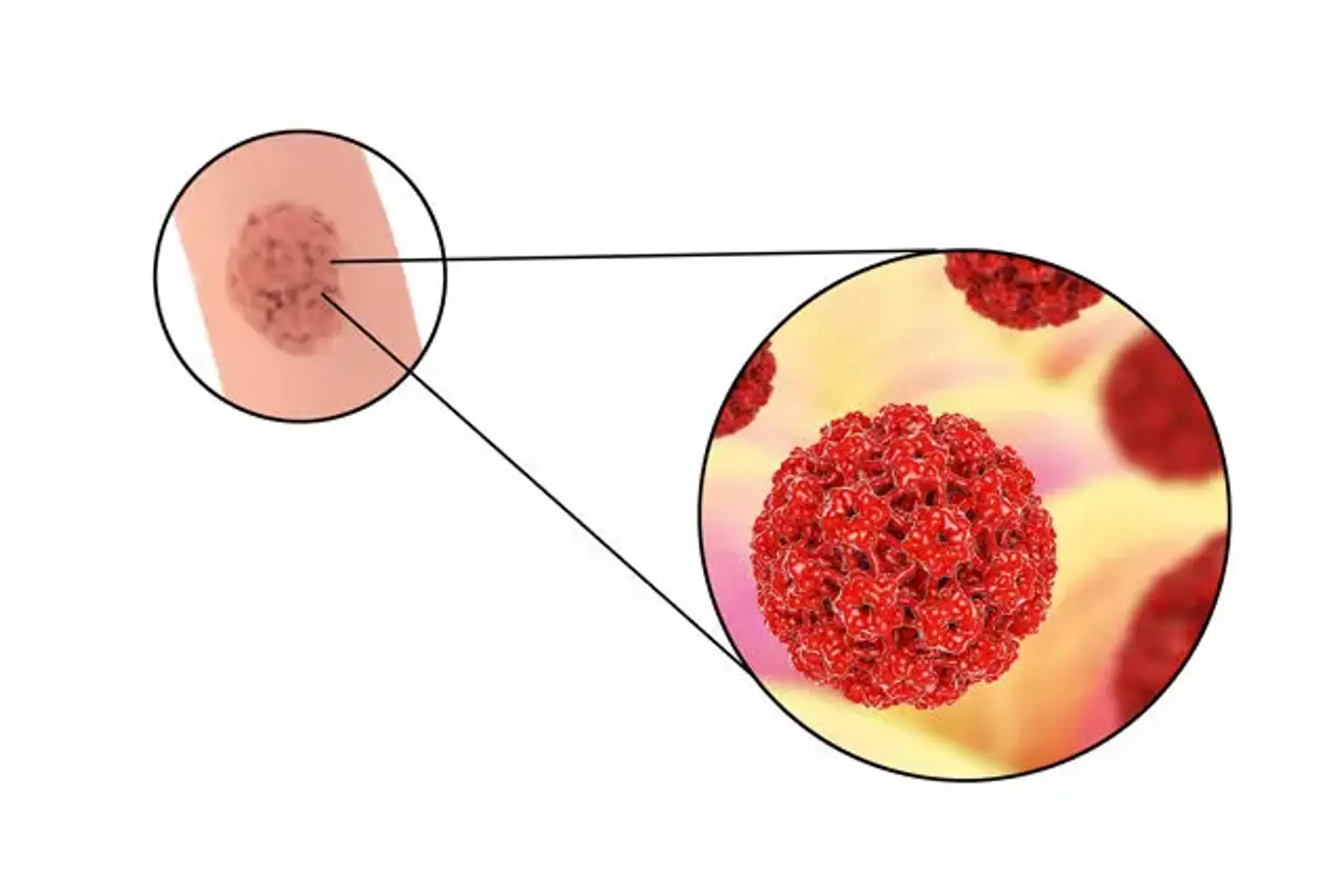
Fortunately, genital warts are treatable, with various methods available to remove them and reduce the risk of recurrence. This article provides a comprehensive guide to understanding genital warts, treatment options, and how to manage them effectively.
Understanding HPV and its Role in Genital Warts
Genital warts are caused by certain strains of the human papillomavirus (HPV), a group of over 200 viruses. Not all types of HPV cause warts, but those that do are commonly referred to as low-risk strains. HPV types 6 and 11 are most often associated with genital warts, though these strains do not usually lead to cancer. However, some high-risk HPV types (like 16 and 18) are linked to cancers of the cervix, anus, and throat.
HPV is typically spread through sexual contact, including vaginal, anal, or oral sex. It can also be transmitted even when an infected person shows no visible symptoms. This is why practicing safe sex—using condoms and dental dams—is important in reducing the risk of HPV transmission.
While genital warts are the most visible symptom of HPV infection, many people with the virus do not develop warts. For others, warts can take weeks, months, or even years to appear after exposure. Early detection is key in preventing the spread of HPV and managing warts before they cause further complications.
Initial Steps Before Treatment: Medical Evaluation
Before starting treatment for genital warts, it’s important to undergo a medical evaluation to determine the best course of action. This includes a thorough review of your medical history, sexual health history, and any prior treatments for warts. Depending on the severity of the warts and the impact on your life, your doctor may recommend a specific treatment plan.
During the evaluation, your healthcare provider will discuss different treatment options and help you choose the one that suits your condition and lifestyle. This is also the time to address any concerns you may have, such as treatment side effects, pain management, and the possibility of recurrence.
Psychological considerations are also essential during this evaluation. Many individuals with genital warts experience feelings of shame, embarrassment, or anxiety. A supportive doctor can help you navigate these emotions and provide guidance on managing the mental and emotional aspects of the condition.
Understanding the Risk of Recurrence
Even after successful treatment, genital warts can recur. This is because while the visible warts may be removed, the underlying HPV infection may still be present in the body. The virus can remain dormant in the skin or mucous membranes, and warts may reappear weeks, months, or even years later.
Several factors can influence the likelihood of recurrence:
Immune System Health: A weakened immune system, due to conditions like HIV, stress, or certain medications, may increase the chances of warts coming back.
Incomplete Removal: In some cases, not all wart tissue is removed during treatment, which can cause new warts to form.
New HPV Exposure: Re-infection with the same or different HPV strains can also lead to recurrence.
While recurrence is possible, it’s not inevitable. Regular follow-up visits with your healthcare provider can help monitor for new warts and ensure effective treatment.
Treatment Options for Genital Warts
When it comes to treating genital warts, there are several options available, and the choice of treatment depends on the size, location, and number of warts, as well as your overall health and preferences. While genital warts often go away on their own, treatments help speed up the process and alleviate discomfort. Here’s a look at the common treatment methods available:
Topical Treatments: These are applied directly to the warts and are often the first line of treatment for mild cases.
Cryotherapy: Freezing warts off is a widely used procedure in clinics.
Laser Treatment: For stubborn warts, lasers can effectively destroy the growth.
Electrocautery: This treatment involves burning off the warts using electrical current.
Surgical Removal: In rare cases, surgical excision may be necessary for large or persistent warts.
Your healthcare provider will consider various factors before recommending one of these options. In some cases, a combination of treatments might be suggested to achieve the best results.
Topical Treatments for Genital Warts
Topical treatments are commonly used for genital warts and offer a non-invasive approach to managing the condition. These medications can be applied at home, but some may require supervision from a healthcare professional. Here are the most widely used topical treatments:
Imiquimod Cream: This immune system modulator stimulates the body's immune response to fight the wart-causing HPV virus. It's typically used for small warts and can be applied three times a week for up to 16 weeks.
Podofilox Solution: Podofilox is a topical solution that works by destroying wart tissue. It's often recommended for small to medium-sized warts and is typically applied for three days in a row, followed by four days off.
Sinecatechins Ointment: Made from green tea extract, sinecatechins help in healing warts. It's applied as a thin layer to the warts and can be used for up to 16 weeks.
While effective, these treatments may cause irritation, redness, or itching at the application site. It’s essential to follow your doctor’s instructions and monitor for any adverse reactions.
Cryotherapy: Freezing Genital Warts
Cryotherapy is one of the most common in-office treatments for genital warts. It involves the application of liquid nitrogen to freeze the warts, causing them to shrink and eventually fall off. This treatment works by destroying the wart tissue through extreme cold, which prevents the HPV virus from continuing to grow.
The procedure typically takes just a few minutes, and multiple sessions may be needed, especially if the warts are large or widespread. Cryotherapy is effective for most people, with a success rate of up to 70%. However, it can be uncomfortable, causing a stinging or burning sensation during treatment. Afterward, there may be some blistering, redness, or swelling.
While cryotherapy is highly effective, it may not be suitable for all individuals, particularly those with sensitive skin or extensive wart growth. Your doctor will assess whether cryotherapy is the right choice for your case.
Symptoms and Diagnosis of Genital Warts
Genital warts are usually small, fleshy growths or bumps that appear on the genital area, but they can also be found around the anus, thighs, or groin. These warts are typically painless, but they may cause itching, discomfort, or bleeding during sexual intercourse. They can vary in appearance, ranging from small, flat lesions to large, cauliflower-like clusters.
The diagnosis of genital warts is straightforward and often made through a physical examination by a healthcare provider. If the warts are not immediately visible, a healthcare professional may use a vinegar solution to highlight any hidden warts. In some cases, a biopsy may be performed to confirm the presence of HPV or rule out other skin conditions.
Since genital warts are caused by a viral infection, they are often associated with other HPV-related complications, such as abnormal Pap smears in women. Regular screenings are important for those who are sexually active, particularly in women, to detect any signs of cervical abnormalities caused by high-risk HPV strains.
Laser Treatment for Genital Warts
Laser treatment is typically reserved for cases where other treatments have been ineffective, or if the warts are large, deep, or difficult to treat with topical therapies. This procedure uses a focused beam of light to burn and destroy the wart tissue.
The laser treatment works by vaporizing the wart cells, effectively removing the visible wart while minimizing damage to surrounding healthy tissue. It's often performed under local anesthesia to ensure that the patient remains comfortable throughout the procedure. The treatment may require several sessions depending on the size and number of warts.
One of the main advantages of laser treatment is its precision, allowing for the removal of warts that may be difficult to reach or treat using other methods. However, laser treatments tend to be more expensive and are usually not the first-line option for most patients.
After laser treatment, recovery is generally quick, but some mild swelling, redness, or discomfort may occur. It's important to follow your doctor’s aftercare instructions to ensure proper healing and avoid complications.
Electrocautery for Genital Warts
Electrocautery is a treatment method that uses electrical currents to burn and remove genital warts. The procedure involves applying a thin electrical probe to the wart, which generates heat to destroy the wart tissue. This method is effective for warts that are difficult to treat with other non-invasive options like cryotherapy or topical creams.
Electrocautery can be performed in a healthcare provider's office under local anesthesia to ensure comfort. The procedure is relatively quick, but some discomfort or mild pain may be experienced during or immediately after the treatment. Afterward, the treated area may form a scab, which typically falls off within a few weeks.
One of the key advantages of electrocautery is that it provides immediate results. However, as with any invasive procedure, there is a risk of scarring, so it's important to weigh this against the benefits with your healthcare provider.
Surgical Removal of Genital Warts
In rare cases where genital warts are large, persistent, or resistant to other treatments, surgical removal may be necessary. This procedure involves excising the warts through a small surgical incision. Surgery is typically reserved for cases where warts are causing significant discomfort, are numerous, or have not responded to other forms of treatment.
The procedure is usually performed under local anesthesia, but in some cases, general anesthesia may be used if the warts are widespread or located in hard-to-reach areas. After the warts are surgically removed, the area is carefully cleaned and dressed to promote healing.
While surgical removal is highly effective in eliminating warts, it carries a slightly higher risk of complications, such as infection or scarring. However, when performed by an experienced practitioner, surgical excision can provide a permanent solution for particularly problematic warts.
After surgery, recovery time may vary depending on the size and location of the warts. Patients should follow aftercare instructions closely to minimize the risk of infection and ensure optimal healing.
Prevention: HPV Vaccination and Safe Sex Practices
Prevention is the best way to avoid genital warts, and fortunately, there are effective methods to reduce the risk of contracting HPV, the virus responsible for genital warts. The most effective way to prevent HPV infection is through vaccination.
HPV Vaccine: The HPV vaccine protects against the most common strains of the virus, including types 6 and 11, which are responsible for genital warts. The vaccine is recommended for both boys and girls, typically starting at age 11 or 12, but it can be administered to individuals up to age 26. Vaccination before any sexual activity offers the best protection, but it can still provide benefits to those who have already been sexually active.
In addition to vaccination, practicing safe sex is crucial in preventing HPV and genital warts. Here are some tips for reducing the risk:
Use Condoms: While condoms don't provide 100% protection against HPV, they significantly reduce the risk of transmission. This is especially important if one partner has visible warts or is unaware of an HPV infection.
Limit Sexual Partners: Reducing the number of sexual partners can lower the likelihood of HPV exposure. It's also important to ensure that both partners are aware of their sexual health status.
Regular Health Screenings: Regular Pap smears and HPV tests for women can detect early signs of HPV-related changes in the cervix, helping prevent complications like cervical cancer.
By taking these precautions, individuals can greatly reduce their chances of developing genital warts or transmitting the virus to others.
Managing Pain and Discomfort During Treatment
While genital wart treatments are effective, they may cause some level of pain or discomfort, depending on the method used. Understanding the potential pain and having a plan for managing it can help you feel more at ease during the treatment process.
Cryotherapy: Cryotherapy (freezing) can cause a stinging or burning sensation during the procedure. Afterward, some individuals experience mild pain, swelling, or blistering at the treatment site. Over-the-counter pain relief, such as ibuprofen or acetaminophen, can help manage this discomfort.
Laser Treatment: Laser treatment tends to cause a sensation of heat and may lead to mild pain or swelling afterward. Some patients report discomfort similar to sunburn in the treated area. Your healthcare provider may suggest topical numbing agents or pain relievers to ease the discomfort.
Electrocautery: As electrocautery involves burning the warts, some pain or discomfort is expected during the procedure. The heat generated by the electrical current can be felt in the form of a sharp stinging or burning sensation. Afterward, some soreness may occur, but this can be managed with prescribed pain relievers.
Topical Treatments: While less invasive, topical treatments like imiquimod, podofilox, or sinecatechins can cause irritation, redness, and itching at the application site. If irritation becomes severe, it’s important to contact your healthcare provider for advice on how to manage the symptoms.
In all cases, it's essential to follow your healthcare provider’s instructions for post-treatment care and pain management. If you experience severe pain, unusual swelling, or signs of infection (such as pus or increased redness), it’s important to seek medical attention promptly.
Emotional and Psychological Impact of Genital Warts
The diagnosis of genital warts can have a significant emotional impact. Feelings of embarrassment, shame, anxiety, or low self-esteem are common. It’s important to address these emotional challenges alongside the physical treatment. Genital warts are a common condition, and seeking help from a healthcare provider or counselor can provide emotional support and reassurance.
Understanding that genital warts are a treatable, non-life-threatening condition is crucial in reducing anxiety. Additionally, open communication with your partner(s) about HPV and its implications can foster a supportive environment and reduce the stigma associated with the condition.
Support groups or online communities can also be helpful, offering opportunities to connect with others who have experienced similar challenges.
Costs of Genital Wart Treatment
The cost of treating genital warts varies based on the type of treatment, geographical location, and whether the treatment is covered by insurance. Here’s a breakdown of common treatment costs:
Topical Treatments: Prescription creams like imiquimod can cost anywhere from $100 to $500 per month, depending on your insurance and location.
Cryotherapy: A single cryotherapy session typically costs between $100 to $200. Multiple sessions may be required.
Laser Treatment: Laser treatments are the most expensive option, ranging from $1,000 to $2,000 per session, depending on the severity of the warts and the healthcare provider.
Surgical Removal: Surgical excision may cost between $500 and $1,500, with additional costs for anesthesia and follow-up care.
Many health insurance plans cover the cost of treatment, but it's important to check your coverage before beginning treatment. For individuals without insurance, some providers may offer payment plans or sliding-scale fees to make treatment more affordable.
How to Cope with the Recovery Process
Recovery from genital wart treatment varies depending on the type of treatment used. Regardless of the method, it’s important to follow aftercare instructions to ensure proper healing and minimize the risk of complications.
Cryotherapy: After freezing treatment, you may experience blistering or redness, which typically heals within a week. Avoid tight clothing and refrain from sexual activity until the area has fully healed to prevent irritation and reinfection.
Laser and Electrocautery: These methods may cause swelling and tenderness for a few days. Over-the-counter pain medications, like ibuprofen, can help manage any discomfort. It’s also essential to avoid touching or scratching the treated area to reduce the risk of infection.
Topical Treatments: With topical treatments, mild irritation, redness, and peeling of the skin may occur. Avoid applying the medication to broken or irritated skin to reduce side effects.
It’s crucial to maintain follow-up appointments with your healthcare provider to monitor the healing process and check for any recurrence of warts.
The Role of Diet and Lifestyle in Managing Genital Warts
While diet and lifestyle changes can't cure genital warts, they can play a role in supporting your immune system and potentially reducing the risk of recurrence. A healthy immune system can help your body fight off the HPV virus more effectively.
Balanced Diet: Eating a diet rich in fruits, vegetables, and lean proteins can boost your immune function. Vitamin C, vitamin E, and zinc, in particular, are known to support immune health.
Exercise: Regular physical activity helps maintain a healthy immune system, reduces stress, and improves overall health, all of which can aid in managing the body’s response to HPV infection.
Stress Management: Chronic stress can weaken the immune system. Techniques like meditation, yoga, or deep breathing exercises can help manage stress and promote better health.
Avoid Smoking: Smoking can suppress immune function, so quitting can help your body better defend itself against viral infections like HPV.
When to Seek Professional Help
If you suspect you have genital warts, it's essential to seek professional advice. A healthcare provider can confirm the diagnosis and guide you through treatment options. You should consult a doctor if:
You notice growths or lesions in your genital area that don’t go away.
You experience pain, itching, or discomfort around the affected area.
Over-the-counter treatments aren’t effective.
You have concerns about recurrence or the emotional impact of the condition.
Early intervention can prevent complications and ensure that you receive the most appropriate care for your situation.
Genital Warts and Sexual Health
Having genital warts does not mean you must give up your sexual health or relationships. However, it’s essential to be honest with partners about your condition and take precautions to prevent transmission.
Communication: Open discussions with your sexual partner(s) about HPV and genital warts can help reduce stigma and ensure mutual understanding and respect.
Condom Use: Condoms significantly reduce the risk of transmission, but they don’t eliminate it entirely. Warts can be spread from areas not covered by a condom.
Abstinence During Outbreaks: If you have visible genital warts, it’s best to avoid sexual activity until the warts are treated or completely healed.
By being proactive about safe sex practices, you can help reduce the risk of transmitting the virus while maintaining a healthy and respectful sexual relationship.
Conclusion
Genital warts are a common condition caused by the HPV virus, but they can be managed effectively with the right treatment. Although there is no permanent cure for HPV, treatments can help remove visible warts and reduce the risk of recurrence.
It's important to take a proactive approach to treatment, prevention, and emotional support. Seeking medical advice, following through with treatment plans, and communicating openly with sexual partners are key to managing genital warts successfully.
While the condition may feel overwhelming at first, remember that you're not alone. With the right care and support, most people with genital warts can lead healthy, fulfilling lives.