Understanding Gynecologic Cancer
Gynecologic cancer refers to cancers that begin in a woman's reproductive organs, including the cervix, ovaries, uterus, vagina, and fallopian tubes. These cancers can vary widely in their symptoms, treatment options, and outcomes.
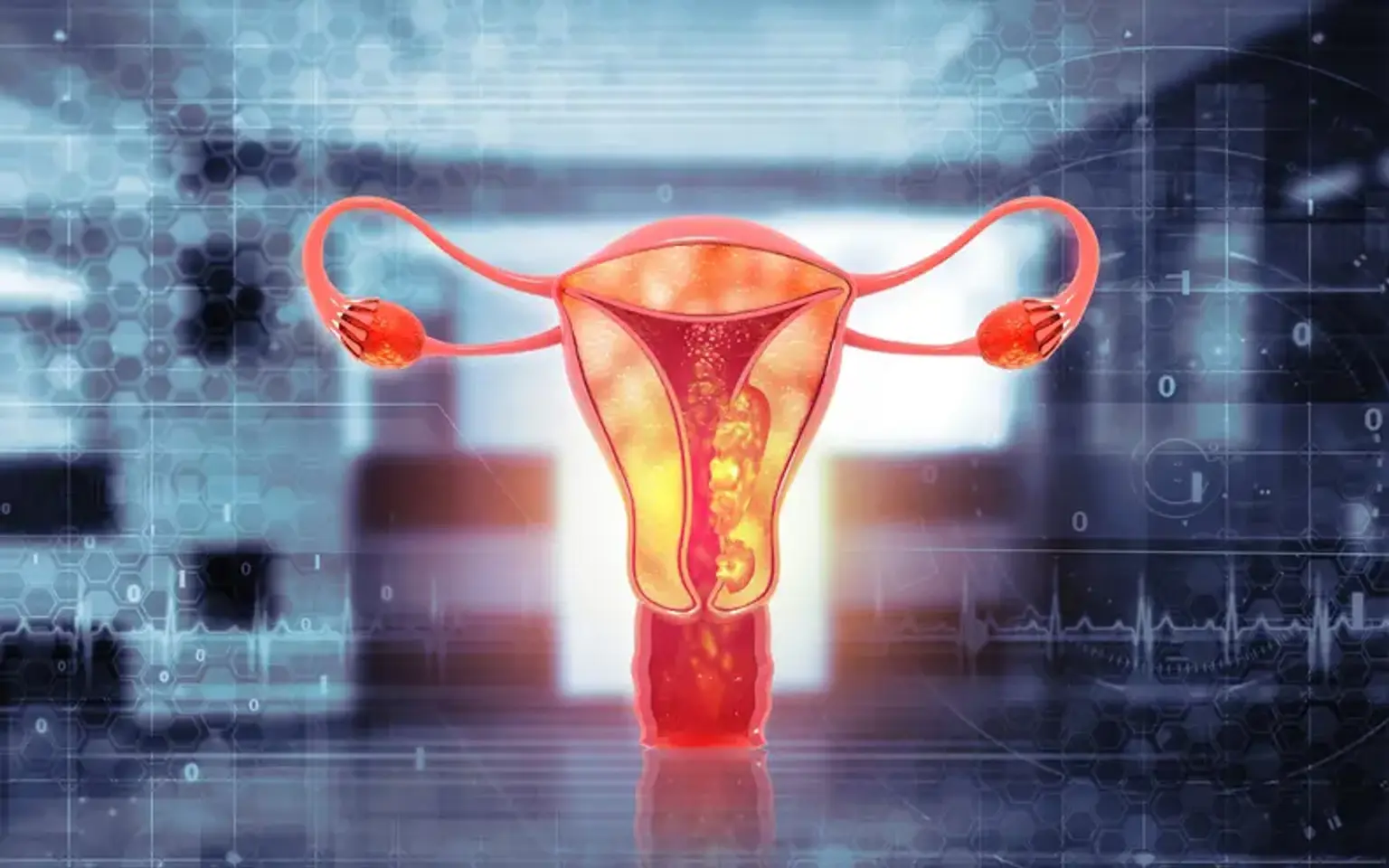
The most common types are cervical cancer, often linked to the human papillomavirus (HPV), ovarian cancer, which is often diagnosed in later stages, and endometrial cancer, the most common uterine cancer. Although gynecologic cancers are not as widely discussed as other cancers, they represent a significant portion of cancer diagnoses worldwide. Awareness and early detection are crucial in improving survival rates and outcomes.
Treatment Options for Gynecologic Cancer
Surgery
Surgery is often the first line of treatment for many gynecologic cancers. For instance, hysterectomy (removal of the uterus) is commonly performed for endometrial cancer. For ovarian cancer, oophorectomy (removal of the ovaries) is frequently recommended. Lymph node dissection may also be performed if the cancer has spread.
Chemotherapy
Chemotherapy involves using powerful drugs to kill cancer cells. It’s commonly used for ovarian cancer, cervical cancer, and endometrial cancer. While effective, chemotherapy can cause significant side effects like nausea, hair loss, and fatigue. Advances in supportive care have made chemotherapy more manageable for patients.
Radiation Therapy
Radiation therapy uses high-energy rays to destroy cancer cells. It’s especially effective for cervical and vaginal cancers. This treatment is often combined with surgery to shrink tumors before an operation or to target any remaining cancer cells afterward.
Immunotherapy & Targeted Therapy
In advanced stages, immunotherapy and targeted therapies are promising treatments. These therapies work by boosting the body’s immune system or specifically targeting cancer cells without harming surrounding healthy tissue. Targeted therapies can block specific cancer cell growth signals, offering a more precise treatment approach with fewer side effects.
Risk Factors and Early Detection
Risk Factors for Gynecologic Cancers
Several factors can increase the risk of developing gynecologic cancers, such as age, family history, and genetic mutations (e.g., BRCA1/BRCA2 for ovarian cancer). For cervical cancer, HPV infection is a key risk factor. Lifestyle choices like smoking, obesity, and lack of physical activity also contribute to increased risk.
Early Detection and Screening
Regular screenings are essential for early detection, which significantly improves treatment success. Pap smears help detect cervical cancer, while ultrasounds and CA-125 blood tests are commonly used for ovarian cancer. HPV testing is recommended for women aged 30 and older as it can identify the presence of the virus before it leads to cancer. Early diagnosis often leads to simpler and more effective treatment options.
Fertility Preservation and Reproductive Health
Fertility Preservation Options
Many women diagnosed with gynecologic cancer are concerned about preserving their fertility. Depending on the type of cancer and treatment plan, there are several options available. Egg freezing is a common method for women with ovarian cancer or those undergoing chemotherapy, which can damage eggs. Ovarian tissue preservation is another option for some, where ovarian tissue is removed and later reimplanted.
Post-Treatment Reproductive Health
For women who undergo treatments like hysterectomy (removal of the uterus) or oophorectomy (removal of ovaries), fertility may no longer be possible. However, many women can still have fulfilling lives with hormone therapy and other treatments to manage the effects of early menopause. Support for sexual health, emotional well-being, and body image are crucial during this time, helping women cope with these significant changes.
Post-Treatment Care and Recovery
Post-surgical Recovery
Recovery after gynecologic cancer surgery can vary, depending on the extent of the surgery and the type of cancer. Many women experience pain, fatigue, and discomfort, especially in the early days. However, most can return to normal activities within weeks to months. Physical therapy is often recommended to restore pelvic strength and flexibility after procedures like hysterectomy or ovarian surgery.
Managing Chemotherapy Side Effects
Chemotherapy is known for its side effects such as nausea, hair loss, fatigue, and an increased risk of infection. However, advances in anti-nausea medications and immune-supportive therapies have significantly improved the treatment experience. Patients are also closely monitored for potential long-term side effects, such as heart damage or changes in fertility.
Psychosocial Impact
The emotional impact of gynecologic cancer treatment is significant. Many women face anxiety, depression, and body image concerns. Counseling, support groups, and mental health services are essential parts of recovery, helping patients and their families navigate the psychological challenges of cancer care.
Symptoms and Diagnosis
Common Symptoms
Symptoms of gynecologic cancers can sometimes be subtle and easily dismissed. For example, abnormal vaginal bleeding, pelvic pain, bloating, and pain during intercourse are common signs of ovarian or uterine cancers. Women should not ignore these signs, especially if they persist.
Diagnostic Tests
Once symptoms are identified, doctors may use imaging tests like ultrasounds, MRI scans, and CT scans to locate the cancer and check for metastasis. Biopsies are crucial for confirming the diagnosis and determining the cancer type. If gynecologic cancer is suspected, genetic testing may also be recommended, particularly for those with a family history of cancer.
Multidisciplinary Care
Diagnosis involves a team of specialists, including gynecologic oncologists, radiologists, and pathologists, to ensure the most accurate assessment and treatment plan. The earlier the diagnosis, the more effective treatment can be.
Palliative and Supportive Care
Role of Palliative Care
For women with advanced gynecologic cancer, palliative care focuses on providing relief from pain and improving quality of life, rather than aiming to cure the disease. This approach may involve pain management, psychosocial support, and end-of-life care if necessary. Palliative care can be provided alongside other treatments and offers support for both the patient and their family.
Pain Management
Managing pain effectively is a major focus in palliative care for advanced-stage cancer patients. This may include prescription painkillers, nerve blocks, and complementary therapies like acupuncture or massage. A team of specialists works together to ensure the patient is as comfortable as possible, addressing both physical and emotional discomfort.
Survivorship and Follow-up Care
Survivorship Care
After successful treatment for gynecologic cancer, survivorship care becomes essential. This includes ongoing monitoring for signs of recurrence, managing long-term side effects of treatment, and addressing psychological health. Regular check-ups, blood tests, and imaging help ensure any signs of recurrence are caught early. Additionally, nutrition, exercise, and mental health support are emphasized to ensure survivors maintain optimal health.
Global Survivorship Statistics
The survival rate for gynecologic cancers varies depending on the type and stage at diagnosis. Endometrial cancer has one of the highest survival rates, while ovarian cancer can be more challenging to treat, with a lower survival rate. Despite these challenges, advancements in early detection and treatment options have led to improved survival outcomes worldwide. Increased awareness, better screening, and access to cutting-edge treatments are essential for improving global gynecologic cancer survival.
Advances in Gynecologic Cancer Care
New Treatment Innovations
The field of gynecologic cancer care has made remarkable progress in recent years. New treatment modalities such as immunotherapy, targeted therapy, and personalized medicine have changed the landscape of cancer care. These therapies target specific cancer cells or stimulate the body’s immune system to fight the cancer more effectively, often with fewer side effects than traditional treatments like chemotherapy.
For example, immunotherapies such as checkpoint inhibitors have shown promise in treating advanced ovarian cancer and cervical cancer. Targeted therapies like PARP inhibitors have improved outcomes for women with BRCA mutations in ovarian cancer, providing more precise and effective treatment options.
Global Research and Clinical Trials
Research and clinical trials play a crucial role in advancing gynecologic cancer treatments. Women diagnosed with gynecologic cancers are often encouraged to participate in clinical trials to test new therapies and improve treatment methods. Ongoing research is focusing on genetic markers, better detection techniques, and innovative drugs to improve patient outcomes globally.
As treatments evolve, the goal is not only to improve survival rates but also to minimize side effects and enhance patients' quality of life. Collaborative efforts between medical institutions, pharmaceutical companies, and research organizations are driving progress toward more effective therapies.
Psychological Support and Coping Strategies
Mental Health Support
A gynecologic cancer diagnosis can be emotionally overwhelming, affecting not only physical health but mental well-being as well. Many women experience feelings of anxiety, fear, and depression throughout the course of their diagnosis and treatment. Addressing mental health through counseling, therapy, and support groups is critical for a woman’s overall recovery.
The importance of psychological support cannot be overstated. Talking with a mental health professional can help patients process their emotions, reduce stress, and foster resilience. Many cancer centers offer psychological counseling services that focus on coping strategies, stress reduction, and fostering hope during the treatment process.
Coping Strategies for Patients
Coping with the challenges of gynecologic cancer involves both practical and emotional approaches. Learning about the disease and treatment options can help empower patients and reduce fear. Relaxation techniques such as deep breathing, meditation, and yoga can also help reduce stress and improve quality of life. For many patients, support groups offer a sense of community, allowing them to connect with others who understand their experience.
Staying connected with family and friends, as well as engaging in enjoyable activities, is also beneficial in maintaining a positive outlook throughout treatment.
Global Access to Care and Telemedicine
Access to Gynecologic Cancer Care
Access to gynecologic cancer care remains a global challenge. In many parts of the world, women lack access to early screening, diagnosis, and advanced treatment options due to financial, geographical, or societal barriers. In developed countries, patients often have access to the latest treatments, while those in low-resource settings may struggle to access the care they need.
Efforts are being made to address these disparities through global health initiatives, mobile clinics, and partnerships with local organizations to improve awareness and early detection in underserved regions. Education and advocacy are key components of these efforts, aiming to reduce the global burden of gynecologic cancers.
Telemedicine in Gynecologic Cancer Care
Telemedicine has emerged as an essential tool for improving access to gynecologic cancer care, especially for women in remote or rural areas. Through virtual consultations, patients can discuss their symptoms, receive second opinions, and even have follow-up care without needing to travel long distances. This technology helps bridge the gap between patients and specialists, ensuring that women receive timely and efficient care regardless of their location.
Telemedicine also facilitates easier access to psychological support services, allowing patients to stay connected with mental health professionals and support groups even when they are geographically separated.
Prevention and Awareness
Preventative Measures
Preventing gynecologic cancers focuses on reducing known risk factors and promoting lifestyle changes. For example, the HPV vaccine has proven to be a powerful tool in preventing cervical cancer, one of the most common gynecologic cancers globally. Regular Pap smears and HPV testing are critical for early detection and prevention.
Additionally, maintaining a healthy lifestyle by avoiding smoking, managing weight, staying active, and limiting alcohol intake can reduce the risk of gynecologic cancers. Women who have a family history of gynecologic cancers may also benefit from genetic counseling and regular screenings to identify potential risks early.
Raising Awareness
Global initiatives to raise awareness about gynecologic cancers are critical in reducing the stigma and educating women about early detection. Campaigns, such as National Ovarian Cancer Awareness Month and Cervical Cancer Awareness Week, provide platforms for education, fund-raising, and patient support.
Community outreach, social media campaigns, and educational programs are essential for spreading awareness, especially in communities with low access to healthcare. By encouraging regular screenings, vaccinations, and lifestyle changes, we can improve early detection and reduce the global burden of gynecologic cancers.
Financial Impact of Gynecologic Cancer Care
Cost of Treatment
The financial burden of gynecologic cancer treatment can be significant. Costs for surgery, chemotherapy, radiation, and long-term care can add up quickly, especially when multiple therapies are involved. Insurance coverage varies widely, and out-of-pocket costs can be a challenge for many patients.
Managing Costs
To manage financial strain, patients are encouraged to discuss financial assistance programs with their healthcare providers or seek guidance from patient advocacy organizations. Many foundations and cancer organizations offer grants, fundraising opportunities, or financial counseling to help cover treatment costs.
Role of Family and Caregivers in Treatment
Support from Family
The role of family members and caregivers in a woman’s gynecologic cancer journey is invaluable. They provide emotional support, assist with daily tasks, and help navigate the challenges of treatment. A strong support network can significantly reduce the emotional burden of cancer, offering comfort during difficult times.
Caregiver Responsibilities
Caregivers are often tasked with managing appointments, helping with medications, and providing physical support after surgery or during chemotherapy. It’s important for caregivers to also take care of their own health and seek support when needed. Many hospitals offer programs to help caregivers, including counseling and support groups.
The Role of Gynecologic Oncologists
Specialized Care
Gynecologic oncologists are doctors who specialize in treating cancers of the female reproductive system. They play a key role in diagnosing, treating, and managing gynecologic cancers. These specialists are trained in surgery, chemotherapy, and other advanced treatments, ensuring the most effective and personalized care.
Multidisciplinary Approach
A gynecologic oncologist often works with a multidisciplinary team of specialists, including surgeons, radiologists, and pathologists, to create a comprehensive treatment plan. This collaborative approach ensures that all aspects of the patient’s care are addressed, from diagnosis to recovery.
Importance of Early Detection in Improving Prognosis
Early Detection Saves Lives
One of the most important factors in gynecologic cancer survival is early detection. The sooner cancer is found, the more likely it is that treatment will be successful. Regular screenings such as Pap smears, HPV tests, and transvaginal ultrasounds are essential for identifying cancer in its early stages when it is most treatable.
Screening and Risk Assessment
Women who are at higher risk, due to family history or genetic mutations (like BRCA), should undergo more frequent screenings and possibly genetic testing. Early detection programs, particularly in high-risk populations, have proven to increase survival rates by catching cancers before they spread.
Patient Advocacy and Support Networks
Importance of Advocacy
Patient advocacy plays a vital role in improving access to care and supporting women through their cancer journey. Advocacy groups work to raise awareness, fund research, and influence policy to improve treatment options and healthcare access for women with gynecologic cancers.
Support Networks
There are numerous organizations that provide support, including online communities, support groups, and helplines. These networks offer emotional support, resources for patients and caregivers, and guidance on managing the practical aspects of cancer treatment. Joining these groups can help women feel less isolated and more empowered as they navigate their cancer care.
Nutrition and Lifestyle During Treatment
Maintaining a Healthy Diet
Nutrition plays a critical role in the recovery process during and after gynecologic cancer treatment. A healthy, balanced diet helps support the immune system, manage treatment side effects, and maintain energy levels. Patients are encouraged to eat high-protein foods, whole grains, fruits, and vegetables to promote healing and overall health.
Managing Side Effects Through Diet
Chemotherapy and radiation can cause side effects like nausea, loss of appetite, and weight changes. In these cases, eating small, frequent meals and incorporating foods that are easy on the stomach, such as soups and smoothies, can help. A registered dietitian can offer personalized advice based on treatment type and symptoms.
Global Challenges in Gynecologic Cancer Care
Healthcare Access Disparities
While advances in gynecologic cancer care have been made, significant disparities remain globally. Women in low-resource countries face challenges such as lack of access to screening, diagnosis, and treatments. These women often receive diagnoses at later stages when cancer is harder to treat and outcomes are less favorable.
Efforts to Address Disparities
Organizations and international health agencies are working to bridge the gap by increasing access to screening programs, providing health education, and improving treatment availability in underserved regions. Partnerships with local healthcare providers and international support have helped bring some treatments to areas where gynecologic cancers were once underreported.
Conclusion
Gynecologic cancer care has made significant strides in recent years, thanks to advances in treatment options, early detection methods, and patient support systems. While challenges remain—particularly in global access to care—the growing focus on personalized medicine, immunotherapy, and improved diagnostic tools provides hope for a brighter future.
Women diagnosed with gynecologic cancers now have access to more effective and less invasive treatments, and ongoing research continues to offer promise for even better outcomes. The importance of early detection, lifestyle modifications, psychological support, and a strong care team cannot be overstated.
With continued awareness, patient advocacy, and global collaboration, we can look forward to reducing the impact of gynecologic cancers and improving survival rates and quality of life for women around the world. By embracing advancements and ensuring equitable access to care, we move closer to a world where gynecologic cancer is no longer a major health threat.