Introduction
Hairline reshaping surgery, also known as hairline lowering surgery or forehead reduction, has gained significant popularity in recent years. Many people with high or recessed hairlines feel self-conscious about the balance of their facial features. This procedure can drastically improve self-esteem and enhance facial harmony by lowering the hairline and reducing the size of the forehead.
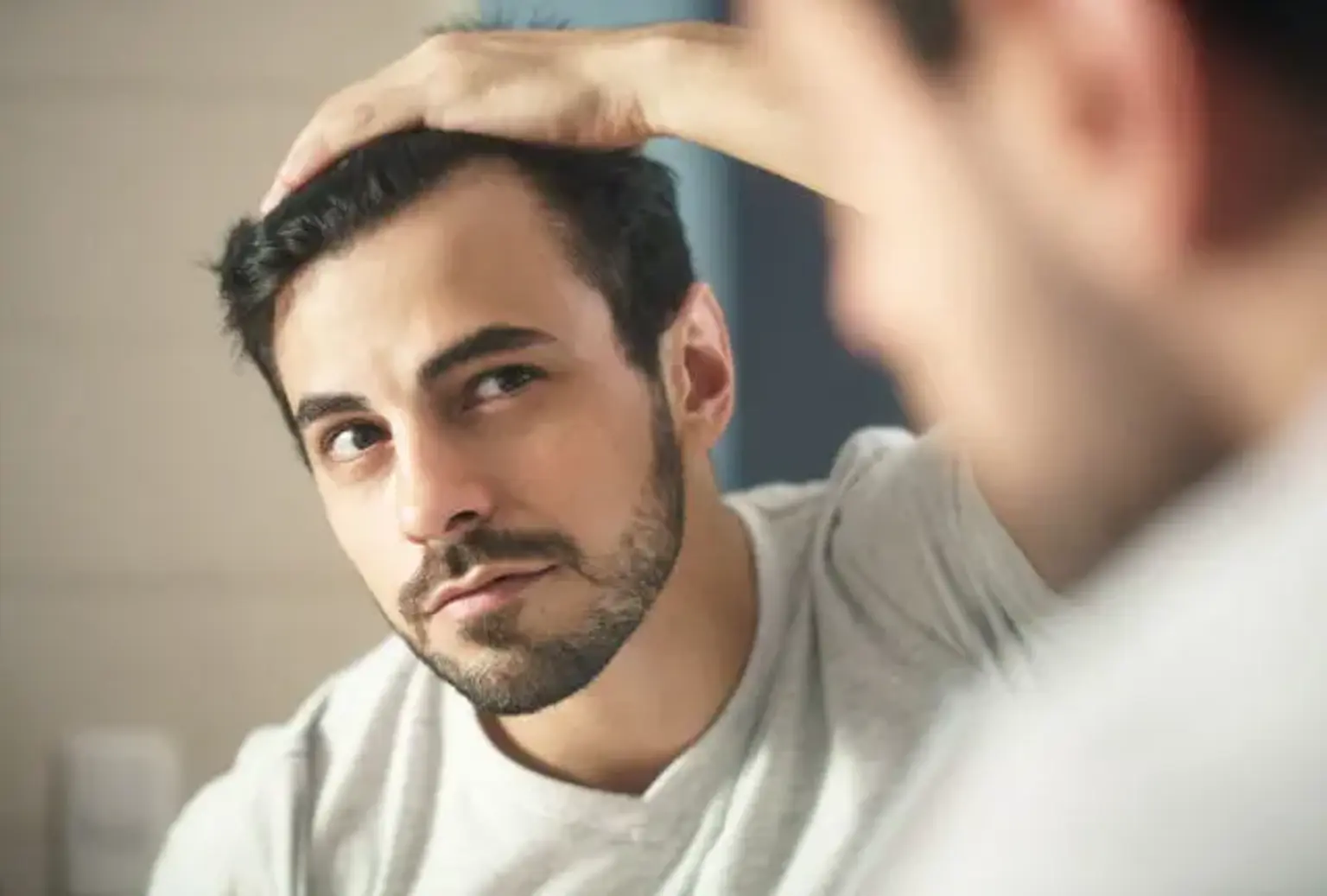
The surgery has a broad appeal, especially among individuals who feel their forehead is disproportionately large compared to the rest of their face. It is commonly sought by both men and women looking to improve their appearance and restore confidence. The results not only enhance the aesthetics of the face but also help individuals feel more comfortable in social situations and in front of the camera.
What is Hairline Reshaping Surgery?
Hairline reshaping surgery is a cosmetic procedure designed to lower a high hairline and reshape the forehead. The surgery can involve various techniques depending on the patient’s needs and the surgeon’s recommendations. Essentially, the procedure involves surgically repositioning the hairline by removing a portion of excess forehead skin, making it more proportional to the rest of the face.
One of the most common methods is the trichophytic incision, where the surgeon creates an incision along the hairline, excising excess skin and reattaching the scalp. Another technique is galeotomy, which involves cutting and releasing the galea (a fibrous layer) to create more flexibility and room for the scalp to move forward. The result is a lower, more aesthetically balanced hairline.
Why Do People Opt for Hairline Reshaping Surgery?
People choose hairline reshaping surgery for a variety of reasons, mostly to address cosmetic concerns regarding the size or shape of their forehead. A high hairline or excessive forehead can make individuals feel less confident about their appearance. This is particularly true for people whose hairlines recede with age or who have congenital high hairlines.
The surgery’s main goal is to create a more proportional look by reducing the size of the forehead. For many, this enhances facial balance, making the face appear more youthful and harmonious. The procedure can also have positive psychological effects, as individuals often report feeling more confident and self-assured after their hairline is reshaped. The result is a more natural and balanced appearance that boosts self-esteem.
Who Are the Best Candidates for Hairline Lowering Surgery?
The best candidates for hairline reshaping surgery are those with a naturally high hairline or those who have experienced significant forehead recession due to age, genetics, or other factors. Ideal candidates should have good scalp laxity, meaning that the scalp can stretch enough to allow the hairline to be moved forward without tension.
While both men and women can benefit from this surgery, it is particularly popular among women, especially those who have inherited a high or receding hairline from their family. For those considering the surgery, it is essential to have realistic expectations. The procedure works best for individuals in overall good health who are non-smokers, as smoking can interfere with the healing process.
Before moving forward with the surgery, a thorough consultation with a qualified surgeon is crucial. The surgeon will assess the scalp’s elasticity, hairline shape, and overall facial proportions to determine if hairline reshaping surgery is the best option.
Preoperative Assessment for Hairline Reshaping
Before undergoing hairline reshaping surgery, a detailed preoperative assessment is essential to ensure the procedure is right for you. During this consultation, the surgeon will examine the scalp’s elasticity, the height of the hairline, and the overall shape of the forehead. The surgeon will also evaluate whether the scalp can stretch sufficiently to allow for a comfortable and natural repositioning of the hairline.
Patients will be asked about their medical history, including any pre-existing conditions such as skin conditions, heart disease, or diabetes, as these can affect the surgery and healing process. Additionally, the surgeon will discuss your aesthetic goals and expectations to make sure you are a good candidate for surgery. Depending on the complexity, the surgeon may also recommend hair restoration treatments, such as hair transplants, to further enhance the results.
How Is Hairline Reshaping Surgery Performed?
Hairline reshaping surgery typically involves a few key steps. The first part of the procedure is marking the hairline design. The surgeon carefully plans the new hairline to ensure it fits the patient's facial features and aesthetic goals. Once the hairline is marked, local anesthesia is administered to numb the scalp, ensuring the patient is comfortable during the procedure.
The surgeon then makes a precise incision along the hairline to remove excess skin. In some cases, the galeotomy technique is used, where cuts are made in the fibrous layer under the scalp to allow for more mobility. After the scalp is advanced to the desired position, the incision is closed using fine sutures to minimize scarring. The skin is repositioned in a way that ensures a natural and smooth hairline.
The entire procedure usually takes around 2 to 3 hours, depending on the complexity and whether additional procedures, like a brow lift or hair transplant, are performed simultaneously.
The Surgical Process: A Detailed Overview
In this stage, after the initial markings, the surgeon carefully excises the excess forehead skin. The scalp is then gently pulled forward, and if necessary, the galeotomy technique is employed to create additional mobility in the scalp. This allows for more advancement and ensures the scalp remains flexible enough to be reattached without tension.
The surgeon uses sutures to secure the scalp in its new position. Specialized techniques like trichophytic incisions are often used to ensure that the scar is hidden within the hairline, making it virtually undetectable. These techniques allow hair to grow through the incision, camouflaging the scar. Once the scalp is properly positioned, the surgeon may apply a pressure dressing to help reduce swelling and ensure proper healing.
In some cases, additional procedures like brow lifts can be performed alongside the hairline surgery to improve the overall facial aesthetic, creating a more youthful and balanced appearance.
Recovery After Hairline Reshaping Surgery
Recovery after hairline reshaping surgery varies from patient to patient, but most people can expect mild swelling, bruising, and some discomfort in the first few days. The swelling generally peaks within 48 hours and begins to subside after a week. A pressure dressing is usually worn for the first few days to reduce swelling and help the scalp heal properly.
Patients are encouraged to rest and avoid strenuous activities during the initial healing period. It is also important to avoid direct sun exposure to protect the healing scalp. Most people can resume normal activities, including light work, within 1-2 weeks, although full recovery may take several weeks. Stitches are typically removed within a week, and patients should avoid touching or massaging the scalp until cleared by their surgeon.
Though full healing may take several months, results are visible fairly early on. Over time, the hairline will continue to settle into its new position. Any numbness or tingling in the scalp usually improves over the course of several months, and many patients report feeling satisfied with their new appearance within 3 to 6 months.
Risks and Complications of Hairline Lowering Surgery
Like any surgery, hairline reshaping comes with risks. The most common complications include infection, bleeding, and scarring. Though the incision is usually hidden within the hairline, some patients may experience visible scars or uneven hair growth at the surgical site. There's also the possibility of nerve damage, which could lead to temporary numbness or tingling in the scalp.
In rare cases, the scalp may experience necrosis (tissue death), especially if there’s insufficient blood supply during healing. To minimize risks, it's crucial to choose an experienced surgeon who uses precise techniques like trichophytic incisions to reduce scarring. Following all post-operative care instructions and attending follow-up appointments can also significantly reduce complications.
Addressing Scar Visibility: Trichophytic Incisions and Hair Grafting
Scarring is a concern for many patients considering hairline reshaping surgery. However, advanced techniques like trichophytic incisions ensure that the scar is well-concealed within the hairline. In this method, the surgeon uses a specialized technique that allows hair to grow through the scar, minimizing its visibility.
In some cases, hair grafting may be used after surgery to further hide any scars and enhance the overall appearance of the hairline. This can be particularly beneficial for patients who are worried about scarring or those who want a denser, more natural-looking hairline.
Postoperative Care and Follow-Up
Proper post-operative care is crucial for successful recovery after hairline reshaping surgery. Patients are advised to rest and keep the head elevated during the first few days to reduce swelling. A pressure bandage is usually worn to ensure the scalp heals properly.
It's essential to avoid touching or rubbing the scalp during the healing process to prevent infection or displacement of the scalp. Follow-up visits with the surgeon will allow for monitoring of healing progress, stitch removal, and addressing any concerns. Patients should also avoid strenuous exercise for a few weeks to prevent complications like bleeding or scarring.
Expected Results and Final Outcome of Hairline Surgery
While results are visible soon after the procedure, it takes several months for the full effects of hairline reshaping surgery to become apparent. The new hairline will continue to settle as swelling subsides and the skin tightens. Patients typically notice a more balanced facial appearance with a significantly lower and smoother hairline.
While some residual swelling and numbness may persist for a few weeks, most patients are pleased with their new appearance after a few months. The scar will be hidden within the hairline, and with proper care, the results can last for many years. A significant boost in self-esteem and confidence is often reported as the new hairline enhances overall facial harmony.
Non-Surgical Alternatives to Hairline Reshaping
Not everyone is comfortable with the idea of surgery, and for those seeking alternatives to hairline reshaping surgery, non-surgical options are available. One popular non-invasive procedure is scalp micropigmentation, which uses tattoo-like pigments to mimic the appearance of hair follicles along the hairline. This can create the illusion of a lower hairline without the need for surgery.
Another option is hair transplants, which involves moving hair follicles from one area of the scalp to another. This can be effective for people with thinning hair or recession at the hairline but is generally more appropriate for those with ongoing hair loss rather than just a high forehead. While these methods may not achieve the dramatic results of surgical hairline reshaping, they are less invasive and require minimal downtime.
Cost of Hairline Reshaping Surgery: What to Expect
The cost of hairline reshaping surgery varies depending on factors such as the surgeon's expertise, the complexity of the procedure, and the geographic location. On average, the procedure can range from $3,000 to $8,000 in countries like the United States, with higher costs often associated with well-known surgeons or high-demand regions.
It’s important to note that the cost might increase if additional treatments, such as a brow lift or hair grafting, are performed during the surgery. Some insurance companies may cover the procedure if it’s deemed medically necessary, but for most patients, hairline reshaping surgery is considered an elective cosmetic procedure.
Patients should consult with their surgeon about all associated costs, including post-operative care, medications, and follow-up visits, to fully understand the financial commitment.
Emotional Benefits and Psychological Impact of Hairline Lowering Surgery
The psychological benefits of hairline reshaping surgery are often just as significant as the physical improvements. Many patients who undergo the procedure report an increase in self-confidence and self-esteem, especially those who have struggled with the appearance of their forehead for years.
For individuals with a high hairline or receding hairline, the procedure can provide a profound sense of relief, improving how they feel in social interactions and in front of the camera. The new, more balanced facial proportions often lead to a noticeable boost in confidence, helping people feel more comfortable in their own skin.
In some cases, patients may even experience a shift in their social lives, as they feel more at ease in social settings. While the emotional benefits are not guaranteed for everyone, many find that reshaping their hairline can significantly improve their quality of life.
Global Popularity of Hairline Reshaping Surgery
Hairline reshaping surgery has seen a surge in popularity worldwide, particularly in countries like South Korea, the United States, and Brazil, where aesthetic procedures are highly sought after. In South Korea, for example, facial surgeries, including hairline lowering, are among the most popular cosmetic treatments, with patients often seeking procedures to create a more youthful or proportionate appearance.
In the United States, the trend is growing steadily, especially among individuals who feel self-conscious about their forehead size. Cultural influences and the increasing acceptance of cosmetic surgery contribute to the rise in demand for procedures like hairline reshaping.
The increasing availability of skilled surgeons and advanced techniques has made the procedure more accessible globally. Whether motivated by aesthetic reasons or a desire for better self-image, hairline reshaping surgery has become a go-to solution for many seeking a more balanced, youthful appearance.
Hairline Reshaping Surgery vs. Other Cosmetic Procedures
Hairline reshaping surgery offers distinct advantages over other cosmetic procedures aimed at improving facial appearance. While treatments like botox injections or dermal fillers can temporarily alter the face’s appearance, hairline reshaping surgery provides long-lasting results by physically repositioning the hairline for a permanent change.
For individuals who are also concerned about other aspects of their face, such as eyebrow position or facial aging, complementary procedures like a brow lift or facelift can be performed alongside hairline reshaping. This combination can enhance the overall aesthetic by balancing facial features. Unlike non-surgical treatments, hairline reshaping surgery offers permanent, predictable results, which many patients prefer for a lasting improvement in their appearance.
The Role of Surgeon Expertise in Hairline Lowering Surgery
The expertise of the surgeon is crucial in determining the success of hairline reshaping surgery. A skilled surgeon will carefully assess the patient’s anatomy, hairline, and facial proportions to create a natural-looking result. Experienced surgeons use advanced techniques, such as trichophytic incisions, to minimize scarring and ensure the hairline blends seamlessly with natural hair growth.
It's essential to choose a board-certified cosmetic or plastic surgeon with experience in hairline reshaping procedures. A good surgeon will not only have technical skill but also an eye for aesthetics, ensuring the hairline looks proportional and natural. Patients should look at before-and-after photos of previous patients to evaluate a surgeon’s work and confirm that their style aligns with the desired outcome.
Patient Testimonials: Real-Life Experiences with Hairline Reshaping
Patient testimonials can provide valuable insight into what to expect from hairline reshaping surgery. Many individuals report feeling more confident and happier with their appearance after the procedure. For instance, Sarah, a 32-year-old woman, shared how she had felt self-conscious about her large forehead for years. After undergoing hairline reshaping, she felt a sense of relief, stating that her new, lower hairline made her feel more feminine and youthful.
Similarly, John, a 45-year-old man, experienced a noticeable boost in self-esteem after having his hairline lowered. He explained that he had been troubled by his receding hairline for years and felt that the surgery gave him a more youthful and balanced appearance. These real-life stories show that beyond the physical changes, the emotional transformation can be profound.
Conclusion
Hairline reshaping surgery is an effective and lasting solution for individuals dissatisfied with their forehead size or hairline shape. With its ability to restore balance to the face, the procedure offers a significant boost in self-esteem and confidence. However, like any surgery, it is essential to carefully consider the risks, costs, and recovery time before making a decision.
If you’re thinking about this procedure, it’s important to consult with a qualified and experienced surgeon to discuss your goals and expectations. With the right surgeon and proper care, hairline reshaping can help you achieve a more harmonious facial appearance and a renewed sense of confidence. Whether you choose surgical or non-surgical methods, the key is finding the best solution for your unique needs and aesthetic desires.