Introduction
What is Hearing Loss?
Hearing loss is a condition where a person’s ability to hear sounds is reduced. It can range from mild difficulty hearing certain sounds to complete deafness. Early intervention is essential to prevent further deterioration and to improve quality of life. The good news is that there are a variety of treatments available, depending on the cause and severity of the hearing loss.
Prevalence of Hearing Loss Worldwide
Hearing loss affects millions globally. It’s most common among the elderly, but it can impact anyone, including children, due to genetic factors, illness, or environmental factors like exposure to loud noise. As the global population ages, the demand for effective hearing loss treatments is growing.
Overview of Hearing Loss Treatment Options
Treatment options for hearing loss include hearing aids, cochlear implants, surgical solutions, and non-surgical therapies. Advances like the Restore Volume procedure also offer innovative ways to restore hearing. Understanding these options is key to finding the most suitable solution.
Causes of Hearing Loss
Common Causes of Hearing Loss
Hearing loss can be caused by several factors, including:
Aging: Gradual deterioration of the inner ear.
Noise exposure: Long-term exposure to loud sounds can damage ear structures.
Genetic factors: Some people inherit hearing loss.
Infections or illnesses: Ear infections or diseases like meningitis can lead to hearing loss.
Physical trauma: Head injuries or sudden changes in pressure (e.g., barotrauma) can affect hearing.
Other Contributing Factors
Conditions like tinnitus, ear infections, and even diabetes or high blood pressure can contribute to hearing loss. Understanding the root cause helps in selecting the most effective treatment.
How the Causes Impact Treatment Options
Different causes require different treatments. For example, hearing aids are typically used for mild hearing loss, while cochlear implants are suitable for those with more severe damage to the inner ear. Restore Volume procedures focus on regenerating hearing in cases of volume loss due to aging or damage.
Types of Hearing Loss
Sensorineural Hearing Loss
This is the most common type of permanent hearing loss and occurs due to damage to the inner ear or auditory nerve. It is often treated with cochlear implants or auditory rehabilitation. Regenerative treatments, like Restore Volume, aim to improve hearing for patients with damaged hair cells in the inner ear.
Conductive Hearing Loss
Conductive hearing loss happens when sound waves cannot be efficiently transmitted through the outer or middle ear to the inner ear. Causes include ear infections, fluid buildup, or issues with the eardrum or ossicles. This type of hearing loss is often treated with surgery or medication.
Mixed Hearing Loss
This type involves both sensorineural and conductive hearing loss. A combination of treatments, such as surgical intervention and hearing aids, may be needed to address the hearing loss.
Recognizing the Symptoms of Hearing Loss
Common Symptoms of Hearing Loss
Difficulty understanding speech, especially in noisy environments.
Frequently asking people to repeat themselves.
Ringing in the ears (tinnitus).
Muffled sounds: The inability to hear certain frequencies or pitch.
How Early Diagnosis Leads to Better Outcomes
Recognizing the symptoms of hearing loss early allows for quicker treatment, preventing further damage. If you notice difficulty hearing or understanding conversations, it’s important to seek a hearing test as soon as possible. Early intervention, including hearing aids or surgical solutions, can help restore hearing and prevent permanent damage.
Hearing Tests: Diagnosing Hearing Loss
Types of Hearing Tests
A thorough diagnosis begins with hearing tests, which help determine the extent and type of hearing loss. Common tests include:
Pure Tone Audiometry: This test measures the faintest tones a person can hear at different pitches.
Speech Audiometry: Assesses how well a person can understand speech at different volumes.
Tympanometry: Checks the movement of the eardrum to identify middle ear problems.
Otoacoustic Emissions (OAE): Tests the function of the inner ear's hair cells, crucial for hearing.
How Doctors Use These Tests to Determine the Best Treatment Plan
The results from these tests allow audiologists to identify the type and severity of hearing loss. Based on the diagnosis, they can recommend suitable treatments, whether it’s hearing aids, cochlear implants, or other therapies. The right treatment depends on the type of hearing loss (sensorineural, conductive, or mixed) and the extent of the damage.
Non-Surgical Treatment Options for Hearing Loss
Hearing Aids
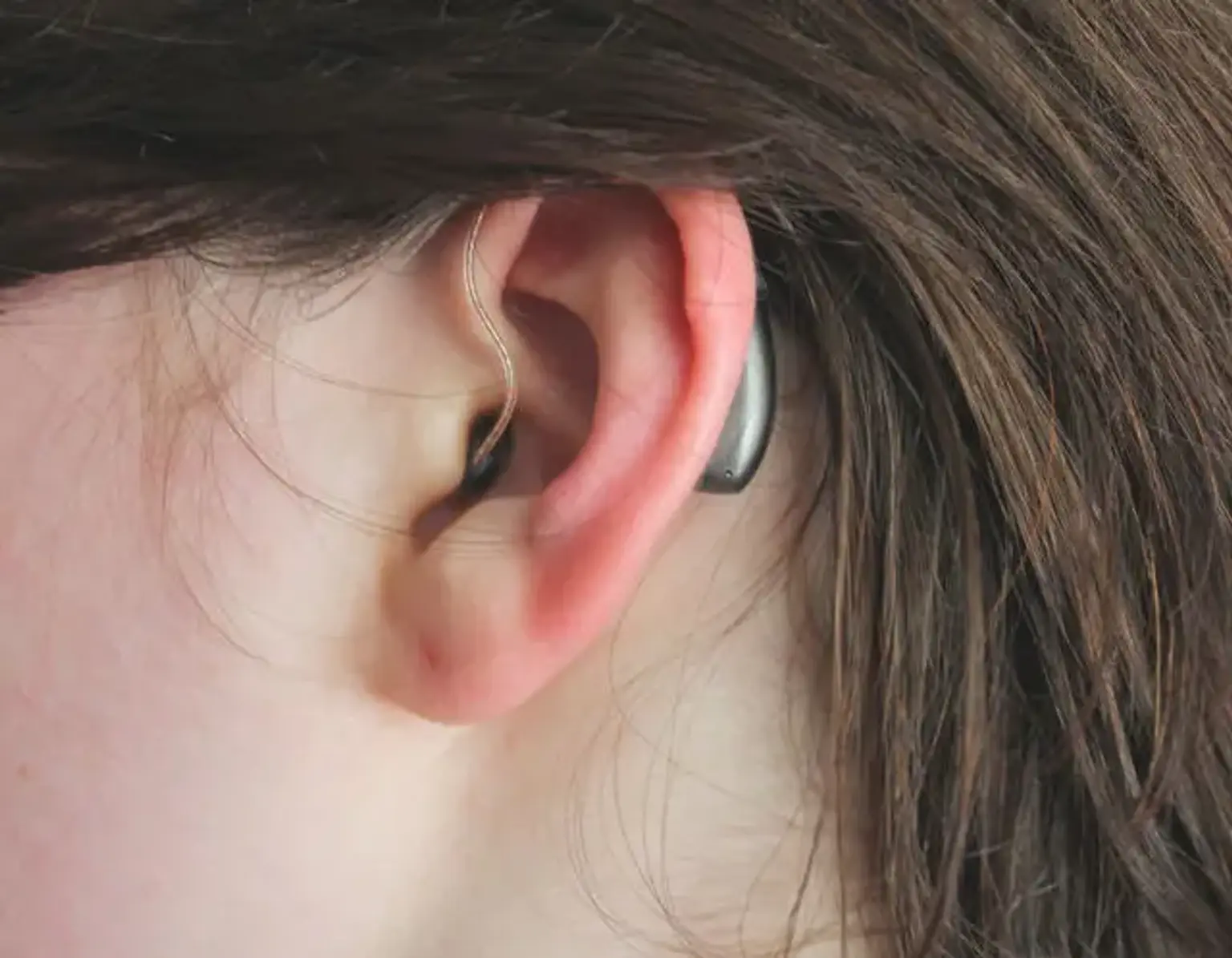
For mild to moderate hearing loss, hearing aids are often the first line of treatment. These small devices amplify sounds, helping people hear more clearly. There are several types of hearing aids, including behind-the-ear, in-the-ear, and completely-in-canal designs. The right style depends on the severity of hearing loss and patient preferences.
Sound Therapy
Sound therapy is a non-invasive treatment primarily used for tinnitus (ringing in the ears). It involves the use of external sounds to mask or reduce the perception of tinnitus. White noise machines or apps can provide soothing background sounds, helping patients manage the discomfort.
Tinnitus Treatment
Tinnitus can often accompany hearing loss, and treatments aim to alleviate the symptoms. Cognitive Behavioral Therapy (CBT), masking devices, and sound therapy are common approaches. While tinnitus may not be fully curable, these treatments can reduce the severity and help manage the condition.
Surgical Treatment Options for Hearing Loss
Cochlear Implants
For individuals with severe sensorineural hearing loss who do not benefit from hearing aids, cochlear implants can be life-changing. These implants bypass damaged parts of the ear and directly stimulate the auditory nerve. The surgery involves placing a small device under the skin behind the ear, with electrodes inserted into the cochlea. Cochlear implants provide a sense of sound, though they require rehabilitation and practice to use effectively.
Hearing Restoration Surgery
There are several types of surgical treatments for conductive hearing loss or physical damage to the ear:
Tympanoplasty: Repair of a perforated eardrum.
Ossicular Chain Reconstruction: Repair or replacement of the tiny bones in the middle ear to improve sound transmission. These surgeries help restore hearing by addressing the physical causes of conductive hearing loss.
Restore Volume Procedure
The Restore Volume procedure is a newer, non-invasive approach aimed at restoring hearing. It focuses on regenerating hearing by addressing volume loss caused by aging or damage to the inner ear. While still evolving, this procedure has gained attention for its potential to improve hearing in those who experience age-related hearing decline or mild hearing loss. The procedure is gaining popularity, particularly in Korea, where innovative treatments for hearing restoration are in high demand.
How Cochlear Implants Help Restore Hearing
How Cochlear Implants Work
Cochlear implants are advanced medical devices designed for individuals with severe hearing loss due to damage in the inner ear (cochlea). Unlike hearing aids, which amplify sound, cochlear implants convert sound into electrical signals that directly stimulate the auditory nerve, bypassing damaged parts of the ear. The implant consists of two main components: an external microphone and processor, and an internal device surgically placed under the skin.
Benefits and Challenges of Cochlear Implants
Benefits:
Restoration of hearing: Cochlear implants can help people with severe hearing loss perceive sound, allowing them to engage more fully in conversations and other activities.
Improved speech comprehension: Many patients report significant improvements in their ability to understand speech, even in noisy environments.
Challenges:
Surgical risks: As with any surgery, there are potential risks like infection, device failure, or further hearing loss.
Rehabilitation required: Following implantation, patients must undergo a period of auditory rehabilitation to adjust to the new way of hearing.
Cost: Cochlear implants can be expensive, though many insurance plans cover a significant portion of the costs.
Cochlear implants can offer a life-changing solution for people with severe hearing loss, providing the ability to hear again and reconnect with the world around them.
Restore Volume Procedure: An Innovative Solution
What is the Restore Volume Procedure?
The Restore Volume procedure is an emerging treatment that aims to restore hearing, particularly for those experiencing volume loss due to aging or damage. This procedure focuses on revitalizing the inner ear and enhancing auditory function by stimulating the regrowth of hair cells, which are crucial for hearing. Although still evolving, Restore Volume has shown promising results in improving hearing for patients with mild to moderate hearing loss.
How Restore Volume Helps Regenerate Hearing
Unlike traditional treatments like hearing aids, which simply amplify sound, Restore Volume works by addressing the underlying cause of hearing loss. The procedure involves advanced regenerative techniques that stimulate the body’s natural healing processes to repair damaged areas in the inner ear. Early clinical trials suggest this treatment could significantly improve hearing, especially for those who struggle with volume loss but are not yet candidates for cochlear implants.
Restore Volume Procedure in Korea
Korea has become a leader in innovative hearing treatments, and Restore Volume is gaining popularity due to its potential to offer a non-invasive alternative to more traditional options. With cutting-edge technology and highly trained medical professionals, Korea’s healthcare system is at the forefront of delivering this advanced treatment, attracting both local and international patients seeking solutions for hearing restoration.
Auditory Rehabilitation: Regaining Hearing Function
What is Auditory Rehabilitation?
Auditory rehabilitation is a process designed to help patients maximize their hearing potential after treatment, such as surgery or cochlear implants. This type of therapy focuses on improving speech recognition, sound localization, and overall auditory processing. The goal is to help patients adapt to their hearing device or surgical intervention, ensuring they regain optimal hearing function.
Importance of Therapy Post-Surgery
After receiving treatments like cochlear implants or Restore Volume, patients often require auditory therapy to fully benefit from the treatment. Speech therapy, listening exercises, and cognitive training can help individuals adapt to new sounds and improve speech understanding. The rehabilitation process is crucial for long-term success and helps patients regain independence and confidence in their ability to communicate.
How Auditory Rehabilitation Improves Quality of Life
Patients who undergo auditory rehabilitation often report improved social interaction and a better quality of life. By helping patients adjust to their new hearing abilities, rehabilitation can reduce feelings of isolation and frustration, providing emotional and psychological support along with physical hearing recovery.
Hearing Loss Solutions in Korea
Why Korea is a Leader in Hearing Loss Treatments
Korea has gained a reputation for its advanced healthcare system, particularly in the field of hearing loss treatments. The country’s hospitals offer state-of-the-art diagnostic tools, expert practitioners, and cutting-edge technologies that allow patients to receive the best possible care. Korean clinics are known for providing tailored solutions, whether it’s hearing aids, cochlear implants, or the innovative Restore Volume procedure.
Best Hearing Loss Treatment in Korea
Korea offers some of the best hearing loss treatments in the world. In addition to traditional options like hearing aids and cochlear implants, the Restore Volume procedure is being offered at leading medical centers in Korea. This non-invasive treatment shows great potential for improving hearing in patients with volume loss, making it an attractive option for those who want to restore their hearing function without surgery.
International Patients Seeking Hearing Loss Treatment in Korea
As medical tourism continues to grow, many international patients are turning to Korea for hearing loss solutions. With affordable prices, top-tier medical services, and highly skilled specialists, Korea is becoming the destination of choice for individuals seeking effective treatments for hearing loss.
Hearing Restoration Surgery: What You Need to Know
Types of Hearing Restoration Surgery
There are several surgical options for patients with severe hearing loss, including:
Cochlear implants: For patients with profound sensorineural hearing loss.
Tympanoplasty: Surgery to repair a damaged eardrum.
Ossicular chain reconstruction: Repair of the tiny bones in the middle ear. These surgeries aim to improve or restore hearing by addressing the underlying cause of hearing loss.
Risks, Benefits, and Recovery Timeline
Like all surgeries, hearing restoration surgery carries risks such as infection, complications from anesthesia, or further hearing loss. However, the benefits often outweigh the risks for patients with severe hearing loss. After surgery, patients typically need several months to fully adjust to the new hearing capabilities. This recovery process includes follow-up appointments and potential auditory rehabilitation.
Safety Protocols and Qualified Practitioners in Korea
Korea is home to many highly skilled ENT surgeons who specialize in hearing restoration. These professionals follow strict safety protocols, including thorough pre-surgical assessments, to ensure the best possible outcome. Patients can trust that they will receive top-quality care in a controlled, safe environment.
Regenerative Treatments for Hearing Loss
Stem Cell Therapy and Gene Therapy
Recent advancements in regenerative medicine offer exciting potential for treating hearing loss. Stem cell therapy aims to regenerate damaged cells in the inner ear, potentially restoring hearing function. This treatment is still in the experimental phase but has shown promise in early clinical trials. Gene therapy is another area of research where genetic modifications may enable the repair of damaged auditory cells, offering hope for reversing hearing loss caused by aging or noise exposure.
Regenerative Medicine in Korea
Korea has become a leader in cutting-edge treatments, including regenerative therapies for hearing loss. The country's research institutions and hospitals are at the forefront of trials for stem cell and gene therapy for hearing restoration. With an emphasis on medical innovation, Korea is a prime destination for patients seeking access to these advanced therapies.
Recovery and Rehabilitation After Hearing Loss Treatment
Recovery Timeline for Cochlear Implants and Surgery
After a cochlear implant or hearing restoration surgery, the recovery process can take several weeks to months. During the initial healing phase, patients may experience discomfort or temporary dizziness. For cochlear implant recipients, activation of the device and auditory rehabilitation usually follow a few weeks after surgery. Full integration of the implant and improved hearing may take several months as the brain adjusts to the new sound input.
Physical Therapy and Auditory Rehabilitation
Post-surgery, auditory rehabilitation is crucial for patients to maximize the effectiveness of their hearing restoration. This therapy includes speech and listening exercises designed to improve sound perception and comprehension. Regular follow-ups with an audiologist or speech therapist help guide the recovery process and ensure optimal results.
Patient Stories: Overcoming Hearing Loss
Many patients who undergo hearing loss treatments experience life-changing improvements. For example, individuals who have struggled with social isolation due to hearing impairment often find that their ability to engage in conversations and participate in social activities improves significantly after surgery or rehabilitation. These success stories highlight the emotional and psychological benefits of restoring hearing.
Hearing Loss and Its Impact on Quality of Life
Emotional and Social Effects of Hearing Loss
Hearing loss can have a profound impact on an individual’s emotional and social life. People with hearing loss often struggle with feelings of isolation, frustration, and depression. Social interactions can become challenging, and communication with family, friends, and colleagues may be hindered. These emotional effects can further diminish quality of life, making it important to address hearing loss early on.
Restoring Confidence and Self-Esteem Through Treatment
Restoring hearing through cochlear implants, hearing aids, or innovative treatments like the Restore Volume procedure can significantly boost a patient’s confidence and self-esteem. The ability to engage in conversations without constantly asking people to repeat themselves can lead to improved mental health and greater social integration. Patients often report a renewed sense of independence and empowerment following treatment.
Exploring Non-Surgical Hearing Loss Treatments
Hearing Aids vs. Cochlear Implants
For individuals with mild to moderate hearing loss, hearing aids are the most common non-surgical treatment. These devices amplify sound, making it easier to hear conversations and other environmental sounds. On the other hand, cochlear implants are typically reserved for those with severe hearing loss who do not benefit from hearing aids. While hearing aids help by amplifying sounds, cochlear implants bypass damaged parts of the ear and directly stimulate the auditory nerve, providing a sense of hearing.
Other Non-Surgical Options
Beyond hearing aids, other non-surgical treatments include sound therapy and tinnitus relief devices. Sound therapy can help mask the ringing associated with tinnitus, providing relief and improving quality of life. For some individuals, cognitive behavioral therapy (CBT) is also effective in managing the psychological aspects of hearing loss and tinnitus.
Understanding Hearing Loss Recovery Timelines
What to Expect During Recovery
Recovery after hearing loss treatment depends on the type of treatment and the patient’s overall health. For patients undergoing cochlear implants, the initial recovery phase typically lasts a few weeks. This involves managing pain and ensuring the implant site heals properly. Once healed, patients undergo the activation phase, where the device is turned on and fine-tuned to the patient's hearing needs. Hearing aids have a shorter adjustment period since they are external devices, but it may take several weeks for patients to adapt to the amplification.
Factors That Affect Recovery Time
Several factors can influence recovery times, including the severity of hearing loss, the type of procedure, and how quickly the brain adjusts to new hearing stimuli. For example, cochlear implant users may require a few months of auditory rehabilitation to achieve the best possible outcomes. Age, underlying health conditions, and the patient's commitment to post-treatment therapy also play a crucial role in the recovery process.
Frequently Asked Questions About Hearing Loss Treatment
How Do I Know If I Need Treatment for Hearing Loss?
If you experience difficulty hearing conversations, need to increase the volume on devices, or struggle to hear high-pitched sounds, it may be time to seek a hearing evaluation. Early detection and intervention are key to preventing further deterioration.
What is the Cost of Hearing Loss Treatment in Korea?
The cost of hearing loss treatment varies depending on the procedure and hospital. Hearing aids generally range from a few hundred to several thousand dollars. Cochlear implants and surgeries may cost significantly more, though many clinics in Korea offer affordable options with high-quality care, making it a popular destination for medical tourism.
Can Hearing Loss Be Fully Reversed?
While some forms of hearing loss can be reversed, especially in the case of conductive hearing loss (due to infections or blockages), most sensorineural hearing loss caused by aging or noise damage is permanent. However, treatments like cochlear implants, Restore Volume, and auditory rehabilitation can significantly improve hearing, even in severe cases.
The Future of Hearing Loss Treatment
Innovative Technologies and Future Trends
The future of hearing loss treatment is promising, with new technologies on the horizon. Gene therapy, stem cell treatments, and advanced regenerative techniques are being researched to repair damaged hair cells in the inner ear, potentially offering cures for previously irreversible types of hearing loss. These breakthroughs could provide long-term solutions for millions of people worldwide.
How Advances in Regenerative Medicine Could Change the Future
Regenerative medicine holds the key to reversing hearing loss. Stem cell therapy and gene editing techniques are being explored to regrow hair cells in the cochlea, which are essential for hearing. If successful, these treatments could replace the need for hearing aids or implants, offering a future where hearing loss is no longer a permanent condition.
Conclusion
The Importance of Early Treatment
Hearing loss is a gradual condition, but early diagnosis and treatment can make a significant difference. With advancements in medical technology, individuals with hearing loss have more options than ever to restore their hearing and improve their quality of life. Whether through hearing aids, cochlear implants, auditory rehabilitation, or cutting-edge treatments like Restore Volume, there are effective solutions to help people hear again.
Choosing the Right Treatment for Your Needs
With a variety of treatments available, it’s important to consult with a qualified professional who can assess the severity of your hearing loss and recommend the best course of action. From non-invasive options to surgical solutions, there is a treatment for everyone. By choosing the right treatment and staying committed to rehabilitation, patients can look forward to a better future with restored hearing and a renewed sense of confidence.