What is Hypertension?
Hypertension, commonly known as high blood pressure, is a condition where the force of the blood against the artery walls is consistently too high. It is often referred to as the "silent killer" because it may have no obvious symptoms but can lead to serious health problems like stroke, heart disease, and kidney failure if left untreated.
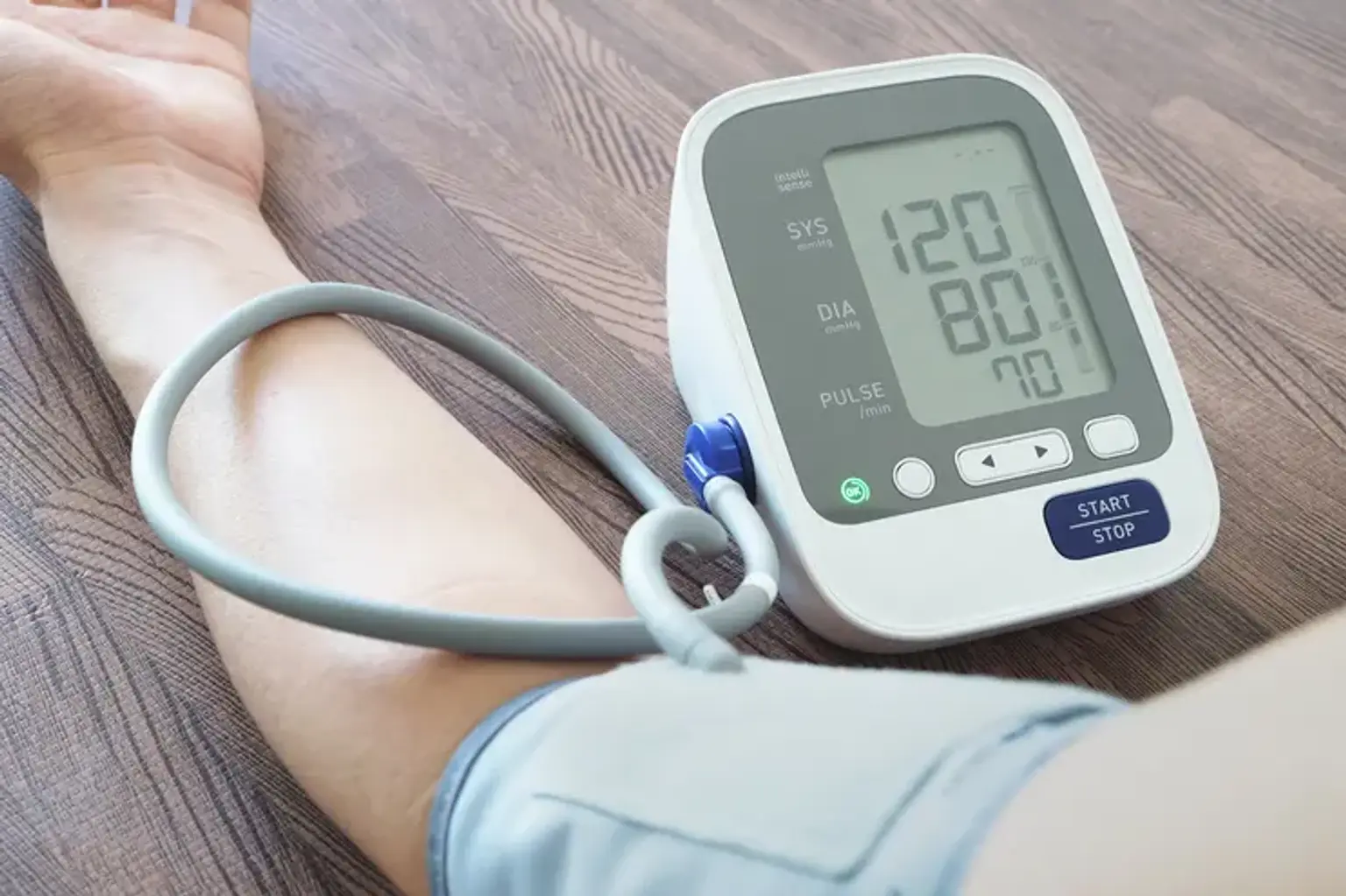
Blood pressure is measured in two ways: systolic (the top number) represents the pressure when the heart beats, while diastolic (the bottom number) represents the pressure when the heart rests between beats. A normal reading is usually below 120/80 mmHg. Hypertension is diagnosed when the reading consistently exceeds 130/80 mmHg. The condition can develop over many years and can be managed with medication, lifestyle changes, and regular monitoring.
Managing Stress to Control Hypertension
Stress is a significant contributor to high blood pressure. When you're stressed, your body releases hormones like adrenaline and cortisol, which can temporarily increase your heart rate and tighten your blood vessels, leading to elevated blood pressure. Chronic stress can cause sustained high blood pressure, which may eventually contribute to serious cardiovascular issues.
Stress Management Techniques:
Mindfulness and Meditation: Practices like mindfulness and meditation can help reduce the production of stress hormones and lower blood pressure over time. Even five minutes a day can make a difference.
Breathing Exercises: Deep breathing exercises, such as the 4-7-8 technique (inhale for 4 seconds, hold for 7, exhale for 8), help calm the body and mind, reducing stress levels.
Yoga and Tai Chi: These mind-body exercises promote relaxation and flexibility, lowering both stress and blood pressure.
Regular Breaks: Taking short breaks throughout the day, especially during stressful activities, can help relieve tension and prevent stress from building up.
Incorporating these stress-reducing techniques into your daily routine can significantly help in managing hypertension.
Blood Pressure Measurement and Monitoring
Blood pressure monitoring is a crucial part of managing hypertension. It helps track changes in blood pressure over time and ensures timely intervention. A home blood pressure monitor allows individuals to track their levels regularly, making it easier to spot trends and share this data with a healthcare provider.
When measuring blood pressure, it’s important to follow proper techniques:
Sit quietly for five minutes before taking a reading.
Use the correct cuff size for your arm.
Take readings at the same time each day, ideally in the morning.
Monitoring at home, combined with regular medical visits, offers a comprehensive way to control blood pressure and prevent complications from hypertension.
Effective Methods for Managing High Blood Pressure (Hypertension)
Managing high blood pressure involves a combination of lifestyle changes, medications, and consistent monitoring. The goal is to reduce the strain on the heart and arteries, which can prevent long-term complications like stroke, heart disease, and kidney damage.
Lifestyle Changes:
Diet: Reducing sodium intake, eating more potassium-rich foods (like bananas, spinach), and consuming a heart-healthy diet (low in saturated fats) can significantly help manage blood pressure.
Exercise: Regular physical activity, like brisk walking, swimming, or cycling, can help lower blood pressure by improving cardiovascular health.
Weight Loss: Maintaining a healthy weight reduces the load on your heart and helps control blood pressure.
Medications:
Diuretics help the body remove excess salt and water, reducing the pressure on the arteries.
ACE inhibitors relax blood vessels, lowering pressure.
Calcium channel blockers help the heart pump more efficiently and reduce blood pressure.
The Role of Medication in High Blood Pressure Treatment
Hypertension medication plays a key role in controlling high blood pressure, especially for individuals who cannot control it through lifestyle changes alone. The type of medication prescribed depends on individual health needs and the severity of hypertension.
Common Medication Options:
Diuretics (Water Pills): Help the kidneys remove excess sodium and fluid, lowering blood volume and reducing blood pressure.
ACE Inhibitors: Block enzymes that cause blood vessels to narrow, improving blood flow and lowering pressure.
Beta-Blockers: Reduce the heart’s workload by slowing down the heart rate, leading to lower blood pressure.
Calcium Channel Blockers: Prevent calcium from entering the heart and blood vessels, which helps relax and widen the blood vessels.
Angiotensin II Receptor Blockers (ARBs): Work similarly to ACE inhibitors by helping blood vessels relax.
Medication can be a lifesaver in managing hypertension, but it’s crucial to follow the doctor’s instructions and attend regular check-ups for optimal results.
Healthy Diet for High Blood Pressure
A healthy diet is one of the most effective ways to manage hypertension. Certain foods can lower blood pressure naturally, while others can make the problem worse.
Foods to Include:
Fruits and Vegetables: High in fiber, potassium, and antioxidants, these foods help reduce sodium’s effect on the body. Leafy greens, berries, and bananas are particularly beneficial.
Whole Grains: Foods like oats, quinoa, and brown rice are high in fiber and can improve overall cardiovascular health.
Fatty Fish: Rich in omega-3 fatty acids, fish like salmon and mackerel can lower blood pressure and reduce inflammation.
Low-fat Dairy: Helps regulate blood pressure through its calcium content.
Foods to Avoid:
High Sodium Foods: Too much salt can elevate blood pressure. Processed foods, canned soups, and salty snacks should be avoided.
Excessive Alcohol and Caffeine: Both can raise blood pressure when consumed in large amounts.
Incorporating a DASH diet (Dietary Approaches to Stop Hypertension) can be particularly effective in managing blood pressure and improving overall heart health.
The Impact of Regular Exercise on Hypertension
Regular exercise is one of the most effective ways to lower blood pressure naturally. Physical activity strengthens the heart, allowing it to pump blood more efficiently and reducing pressure in the arteries.
Benefits of Exercise:
Improves Heart Function: Regular cardiovascular exercise like walking, swimming, or cycling strengthens the heart and allows it to pump blood more efficiently.
Lowers Blood Pressure: Even moderate physical activity, such as 30 minutes of brisk walking most days of the week, can lower systolic blood pressure by about 4-9 mmHg.
Supports Weight Loss: Maintaining a healthy weight through exercise helps reduce the pressure on the heart.
Reduces Stress: Exercise also helps to reduce stress, which is a major contributor to high blood pressure.
Types of Exercises:
Aerobic exercises (e.g., walking, jogging, cycling)
Strength training (moderate weight lifting)
Yoga and stretching (helping reduce stress)
Incorporating exercise into daily life doesn’t have to be complicated. Simple changes, like taking the stairs instead of the elevator or walking during lunch breaks, can make a big difference.
The Causes and Risk Factors of High Blood Pressure
Several factors contribute to the development of hypertension. Common risk factors include:
Age: Blood pressure tends to rise with age, making older adults more vulnerable.
Family History: Genetics plays a significant role in hypertension risk.
Lifestyle Factors: Poor diet (high salt, low potassium), lack of exercise, smoking, and excessive alcohol intake can elevate blood pressure.
Health Conditions: Diabetes, kidney disease, and obesity also increase the likelihood of hypertension.
Identifying and managing these risk factors early can significantly reduce the chance of developing high blood pressure. Regular check-ups and monitoring are essential to catching hypertension before it leads to severe complications.
Hypertension Management Tips for Seniors
Managing high blood pressure in seniors presents some unique challenges due to age-related changes in the body. However, with the right approach, seniors can successfully control their blood pressure and reduce the risks of complications.
Hypertension Management for Seniors:
Medication Adjustments: Seniors often take multiple medications for various conditions, so it’s important to review all medications with a healthcare provider to avoid interactions. Blood pressure medication might need to be adjusted to suit an older adult’s specific health needs.
Exercise and Mobility: Regular low-impact exercises, like walking, swimming, or even chair yoga, can help improve circulation and control blood pressure without straining the joints.
Nutritional Support: A heart-healthy diet rich in vegetables, fruits, lean meats, and low-fat dairy is vital. Foods rich in omega-3 fatty acids (such as fish and walnuts) can also support heart health.
Monitor Blood Pressure Regularly: For seniors, keeping track of blood pressure at home with an automatic monitor ensures that any changes are detected early, allowing for timely intervention.
With proper monitoring, adjustments to medication, and lifestyle changes, seniors can manage hypertension effectively and live healthier, more active lives.
How to Lower High Blood Pressure with Lifestyle Changes
Many individuals can manage high blood pressure by adopting a few key lifestyle changes. These changes are not only effective but also sustainable, helping individuals take charge of their heart health for the long term.
Effective Lifestyle Changes:
Eat a Heart-Healthy Diet: Focus on the DASH diet (Dietary Approaches to Stop Hypertension), which emphasizes low-sodium foods, high fiber, and potassium-rich foods like leafy greens, fruits, and legumes.
Increase Physical Activity: Engaging in moderate aerobic exercise like walking, jogging, or swimming for 30 minutes a day can lead to a significant reduction in blood pressure.
Quit Smoking: Smoking damages blood vessels and raises blood pressure. Quitting smoking is one of the most important things you can do for your overall health.
Reduce Salt Intake: Limit salt consumption to less than 2,300 mg per day. Many processed and restaurant foods contain hidden salt, so it’s crucial to read food labels and cook more meals at home.
By making small but consistent changes to daily habits, many people can lower high blood pressure naturally, reducing the need for medication in some cases.
Hypertension Symptoms and Diagnosis
High blood pressure often presents no noticeable symptoms until significant damage has occurred. This is why regular blood pressure monitoring is vital. Common signs that could indicate high blood pressure include:
Headaches
Dizziness
Shortness of breath
Nosebleeds
Chest pain or pressure
However, most people with high blood pressure don’t experience these symptoms until the condition becomes severe. Diagnosis is based on repeated blood pressure readings during routine check-ups. If a reading consistently exceeds 130/80 mmHg, the doctor may confirm hypertension and start treatment.
How Hypertension Affects Heart Health
High blood pressure puts significant strain on the heart, increasing the risk of cardiovascular diseases. Over time, hypertension can cause the arteries to stiffen, leading to arterial plaque buildup, and in severe cases, heart failure or stroke.
Damage to arteries: The pressure can cause the arteries to thicken and narrow, leading to reduced blood flow to vital organs.
Increased risk of heart attack: Over time, high blood pressure forces the heart to work harder, eventually weakening the heart muscle.
Aortic aneurysm: Chronic high blood pressure can lead to the weakening of the aorta, the heart's main artery, which may result in a life-threatening rupture.
Managing blood pressure through lifestyle changes, medication, and monitoring is key to reducing the risk of these heart-related complications.
Foods That Help Lower High Blood Pressure
A healthy diet plays a crucial role in lowering blood pressure. Certain foods are known to help maintain healthy levels and support heart health.
Foods to Include:
Leafy Greens: Rich in potassium, which helps balance the effects of sodium and reduces blood pressure.
Berries: Packed with antioxidants and fiber, berries help reduce inflammation and improve heart health.
Beets: High in nitrates, which help relax blood vessels and improve blood flow.
Oats: Full of soluble fiber, oats help lower cholesterol and regulate blood pressure.
Reducing salt intake and focusing on whole, plant-based foods can have a significant impact on managing high blood pressure naturally.
Step-by-Step Guide to Managing Hypertension at Home
Managing high blood pressure at home involves consistent monitoring and lifestyle adjustments.
Steps to Take:
Measure Blood Pressure Regularly: Invest in a home blood pressure monitor to track your readings daily.
Adopt a Healthy Diet: Focus on a low-sodium, high-potassium diet with plenty of fruits, vegetables, and whole grains.
Exercise: Aim for at least 30 minutes of moderate exercise, such as walking or swimming, most days of the week.
Stress Management: Practice techniques like meditation, deep breathing, or yoga to keep stress levels low.
Medication Adherence: If prescribed medication, take it as directed and discuss any concerns with your doctor.
These steps, when combined, form a comprehensive approach to managing hypertension and reducing long-term risks.
Lifestyle Modifications for Long-Term Hypertension Control
Long-term management of high blood pressure relies heavily on lifestyle modifications that promote overall health. These adjustments can significantly reduce the risk of developing severe complications like heart disease, stroke, and kidney damage.
Key Modifications:
Healthy Diet: Focus on a diet rich in fruits, vegetables, whole grains, and lean proteins. Reducing sodium intake and cutting down on processed foods are also essential for controlling blood pressure.
Weight Loss: If overweight, losing even a small amount of weight can lower blood pressure significantly. Weight loss helps reduce the strain on the heart and arteries.
Physical Activity: Regular exercise strengthens the heart and improves circulation, helping to keep blood pressure in check.
Alcohol Moderation: Limit alcohol consumption to recommended guidelines (no more than one drink per day for women and two for men) to help maintain healthy blood pressure.
Implementing these lifestyle changes not only helps control hypertension but also contributes to a healthier and more active life overall.
The Role of Support in Hypertension Management
Support systems are crucial in managing high blood pressure effectively. Whether through family, healthcare providers, or community groups, support can encourage adherence to lifestyle changes and medication plans.
Family and Friends: Encourage positive lifestyle changes like healthy eating and exercise.
Healthcare Providers: Regular check-ups ensure that blood pressure levels are monitored and medication is adjusted as necessary.
Support Groups: Connecting with others who are managing hypertension can provide motivation and share coping strategies.
With the right support system, individuals can better manage hypertension and lead healthier, more fulfilling lives.
Hypertension Management Strategies for Special Populations
Managing high blood pressure in certain populations, such as the elderly, pregnant women, or those with underlying health conditions, requires tailored strategies to address their unique needs.
Hypertension in Seniors:
Older adults often have higher blood pressure due to age-related changes in the arteries. Treatment may include a combination of medications, dietary adjustments, and regular physical activity.
Seniors should regularly monitor blood pressure at home and ensure their medications don’t interact with other treatments they are using for other conditions.
Hypertension During Pregnancy:
Gestational hypertension is a condition that occurs during pregnancy and requires careful monitoring and treatment. Blood pressure medications are prescribed based on the severity of the condition and the pregnancy stage.
Lifestyle changes such as a low-sodium diet and adequate rest can help manage the condition while minimizing risks to both mother and baby.
For those with complex health issues or special circumstances, hypertension treatment must be customized to ensure both effective management and safety.
Hypertension and Regenerative Treatments: The Role of Volume Restoration
While managing high blood pressure is essential for overall health, many individuals seek additional ways to enhance their well-being, including aesthetic treatments like facial volume restoration. Though not directly related to hypertension, regenerative treatments like fat grafting have gained popularity, especially in countries like South Korea, where cosmetic procedures are widely accessible.
Fat Grafting and Hypertension:
Fat grafting is a non-surgical procedure that involves taking fat from one area of the body and injecting it into areas like the face, which have lost volume due to aging or other factors.
While these treatments focus on improving aesthetics, individuals managing hypertension should consult with their healthcare provider before opting for such procedures to ensure that the procedure does not interfere with their heart health or medications.
Regenerative treatments such as fat grafting in Korea provide a holistic approach to aging, enhancing both physical appearance and overall self-esteem. However, it’s important for patients to manage their blood pressure and maintain a healthy lifestyle to complement these treatments.
Anaphylaxis and Hypertension: How the Two Conditions Interact
Anaphylaxis and hypertension may seem unrelated, but they can impact each other in critical situations. Anaphylactic shock can cause a sudden drop in blood pressure, worsening symptoms of high blood pressure and complicating treatment.
Individuals with hypertension may experience increased risks during an anaphylactic reaction, as their cardiovascular system is already under strain.
Those with hypertension should carry epinephrine auto-injectors to manage allergic reactions, especially if they have a history of severe allergic responses. Quick action is vital in both managing blood pressure and anaphylaxis.
Understanding the connection between these two conditions and having a clear emergency plan can ensure better management and a quicker recovery in case of a crisis.
Conclusion
Successfully managing high blood pressure requires a proactive approach, combining lifestyle changes, medications, regular monitoring, and professional support. By making these changes, individuals can significantly reduce their risk of serious complications like heart disease and stroke.
Key Takeaways:
Regular monitoring, healthy eating, regular exercise, and stress management are all essential components of effective hypertension management.
Special populations, such as seniors or pregnant women, require tailored treatment plans.
Cosmetic procedures, like fat grafting, though unrelated to blood pressure, should be approached with caution, especially by those with hypertension, and discussed with healthcare providers.
Being prepared for emergencies like anaphylaxis and understanding how they relate to hypertension can save lives.
By adopting a comprehensive, multi-faceted approach to managing hypertension, individuals can enjoy better heart health, reduced risks, and an improved quality of life.