Introduction
Hip arthritis, or coxarthrosis, is a degenerative joint disease that occurs when the cartilage in the hip joint wears down over time. This condition leads to pain, stiffness, and limited movement, significantly affecting the quality of life. It's common in older adults but can also develop in younger people due to injury, genetics, or other underlying health conditions.
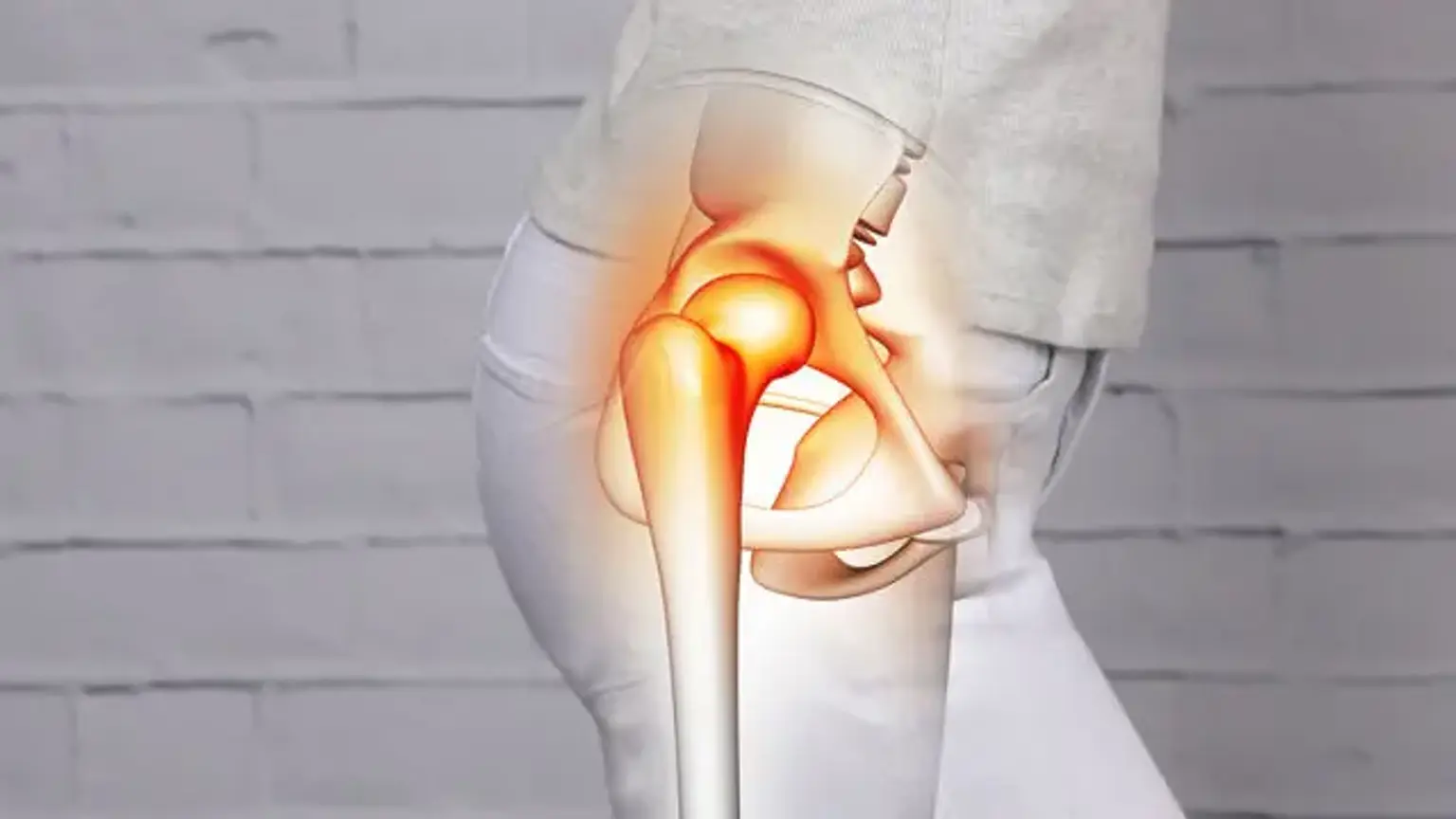
The hip joint is one of the largest weight-bearing joints in the body. When arthritis damages the cartilage, the bones can start to rub against each other, leading to discomfort and reduced mobility. Fortunately, there are various treatments available to manage symptoms and, in some cases, restore function.
What Is Hip Arthritis (Coxarthrosis)?
Coxarthrosis is a type of osteoarthritis that specifically affects the hip joint. The hip joint consists of a ball (the femoral head) and a socket (the acetabulum) that allows for smooth, pain-free movement. In arthritis, the protective cartilage that cushions these bones breaks down, leading to inflammation, pain, and stiffness.
Over time, the wear and tear on the joint can cause severe pain and limit motion, making daily activities like walking, climbing stairs, or sitting for extended periods difficult. Although this condition is commonly associated with aging, it can also result from hip injuries, congenital deformities, or inflammatory conditions.
Key factors contributing to coxarthrosis include:
Aging: As we get older, cartilage naturally wears down.
Genetics: A family history of hip arthritis can increase risk.
Injury or Overuse: Previous hip injuries or activities that stress the joint may lead to arthritis.
Symptoms of Hip Arthritis
The symptoms of hip arthritis can vary, but they often develop slowly and worsen over time. The most common signs include:
Pain: Initially, pain may only occur after physical activity, but as the condition progresses, it can become constant, affecting both rest and movement.
Stiffness: Reduced flexibility makes it difficult to fully rotate or extend the leg.
Limited Range of Motion: Simple tasks like bending over or lifting the leg can become challenging.
Swelling and Inflammation: Some individuals experience swelling around the hip joint, especially after activity.
Pain is typically located in the front of the hip or groin, though it can also radiate to the buttocks or thigh. In the early stages, symptoms may be mild and intermittent, but they often worsen over time. If left untreated, hip arthritis can severely impair mobility and quality of life.
Diagnosis of Hip Arthritis
Diagnosing hip arthritis typically involves a combination of medical history, physical examination, and imaging tests. Here’s how the process works:
Medical History: Your doctor will ask about your symptoms, lifestyle, and any past injuries. Family history of arthritis is also considered.
Physical Examination: A physical exam helps the doctor assess your hip's range of motion and the level of pain or discomfort. The doctor will check for signs of stiffness, swelling, or abnormal hip movement.
Imaging Tests: X-rays are the most common tool for diagnosing hip arthritis. They allow doctors to view the joint space and look for signs of cartilage loss, bone spurs, or other joint abnormalities. In some cases, an MRI or CT scan may be recommended to get a more detailed view, especially if there’s concern about soft tissue damage.
Early detection is crucial for managing hip arthritis effectively. If symptoms are caught early, a variety of non-surgical treatments may help slow the disease's progression and relieve discomfort.
Non-Surgical Treatments for Hip Arthritis
Non-surgical treatments for hip arthritis focus on managing pain, improving mobility, and slowing disease progression. These treatments can significantly improve quality of life, especially in the early stages of the disease.
Physical Therapy: Tailored exercises can strengthen the muscles around the hip joint, improving stability and reducing pain. Physical therapy also helps increase flexibility, which is crucial for restoring movement.
Medications: Over-the-counter anti-inflammatory drugs (NSAIDs) like ibuprofen can reduce pain and swelling. For more severe pain, doctors may prescribe stronger pain relievers or muscle relaxants.
Corticosteroid Injections: Injections directly into the hip joint can provide temporary relief by reducing inflammation and pain. These are especially useful during flare-ups but are typically not recommended for long-term use.
Stem Cell Therapy: Emerging treatments like stem cell injections aim to repair damaged cartilage. While research is still ongoing, some patients report improvements in pain and function.
Weight Management: Losing weight can reduce stress on the hip joints, easing pain and improving mobility.
Assistive Devices: Using walking aids, such as canes or walkers, can help reduce strain on the hips and improve balance, especially for those with advanced arthritis.
Surgical Treatments for Hip Arthritis
When non-surgical treatments no longer provide relief, surgery may become necessary. Surgical options can offer long-term solutions and significantly improve quality of life.
Total Hip Replacement (THR): This is the most common surgery for advanced hip arthritis. The damaged joint is replaced with a prosthetic, offering relief from pain and restoring function. Most patients experience significant improvement in mobility after recovery.
Hip Resurfacing: This less invasive option involves capping the femoral head with a metal prosthesis instead of replacing the entire joint. It is typically reserved for younger, more active individuals with less severe arthritis.
Osteotomy: This procedure involves realigning the bones to redistribute weight more evenly across the joint. It is often used for younger patients with early-stage arthritis.
Joint Preservation Surgery: For those with minimal joint damage, this surgery aims to preserve the hip joint by removing damaged tissue and cartilage to improve joint function and delay the need for a full replacement.
Benefits of Hip Replacement Surgery
Total hip replacement (THR) is a highly effective surgery that has helped millions of people regain pain-free mobility. The main benefits include:
Pain Relief: After recovery, most patients experience a dramatic reduction in pain, often feeling much better than before surgery.
Improved Mobility: THR allows for better movement, enabling individuals to resume activities like walking, exercising, and climbing stairs that were previously painful.
High Success Rates: THR has a high success rate, with most patients reporting significant improvements in quality of life. The prosthetic joints used in THR are designed to last 15-20 years or more.
Enhanced Quality of Life: With pain managed and mobility restored, patients often experience better mental and emotional well-being, as they can return to normal daily activities.
Recovery After Hip Replacement Surgery
Recovery from hip replacement surgery can take several months, with full recovery typically occurring within 6-12 months. However, patients can often return to normal activities much sooner, with reduced pain and greater mobility.
Initial Post-Surgery Phase: Immediately following surgery, patients will need to use crutches or a walker. Pain management through medication will be important during the first few weeks.
Physical Therapy: Rehabilitation is crucial for recovery. Physical therapy helps strengthen muscles, improve balance, and restore movement. Early mobilization and gentle exercises are encouraged to prevent complications like blood clots.
Long-Term Care: Patients are usually advised to avoid high-impact activities that could damage the new joint. Regular follow-up visits with the surgeon will ensure the prosthesis is functioning correctly and that there are no complications.
Alternative Treatments for Severe Hip Arthritis
For patients seeking alternatives to traditional treatments, several options can help manage severe hip arthritis:
Regenerative Medicine: Platelet-rich plasma (PRP) injections are an emerging treatment designed to stimulate healing and tissue regeneration. Although research is ongoing, PRP may help reduce pain and improve joint function in some patients.
Alternative Therapies: Acupuncture, chiropractic care, and massage therapy are alternative treatments that some people find beneficial for managing arthritis pain. While evidence is mixed, these therapies can complement traditional treatments for pain relief and relaxation.
Dietary Supplements: Supplements like glucosamine and chondroitin may support cartilage health and reduce inflammation. However, their effectiveness can vary, and it’s important to consult a doctor before starting any new supplement regimen.
Living with Hip Arthritis: Managing Daily Activities
Living with hip arthritis can be challenging, but there are several ways to make daily tasks more manageable:
Modify Daily Tasks: Simple modifications, like using grab bars in the bathroom, or sitting on a stool while cooking, can help reduce stress on the hip joint.
Use of Assistive Devices: Canes, walkers, or hip braces can provide support, balance, and reduce strain on the affected hip, especially when walking or standing for long periods.
Ergonomic Adjustments: Ensuring that work and home environments are ergonomically friendly (e.g., comfortable chairs, raised toilets, or accessible shelving) can help reduce discomfort and maintain independence.
Pacing Yourself: Avoiding overexertion is key. It’s important to listen to your body, take breaks, and pace activities to prevent flare-ups and joint strain.
Exercise and Hip Arthritis: What Works?
While it may seem counterintuitive, staying active is crucial for managing hip arthritis. Low-impact exercise can strengthen muscles, reduce stiffness, and alleviate pain.
Best Exercises: Swimming, cycling, and walking are all excellent choices for arthritis patients, as these activities are gentle on the joints but still effective for building strength and flexibility.
Strengthening Exercises: Focus on strengthening the muscles around the hip, such as the quadriceps, hamstrings, and glutes. This can reduce the pressure on the joint and improve stability.
Stretching and Flexibility: Gentle stretching exercises, especially for the hips and lower back, can improve range of motion and decrease stiffness. Yoga or tai chi are also good options for increasing flexibility and reducing pain.
Avoid High-Impact Activities: Activities like running, jumping, or heavy weightlifting should be avoided, as they can exacerbate pain and joint damage.
The Role of Nutrition in Hip Arthritis Management
Proper nutrition plays a key role in managing hip arthritis by supporting joint health and reducing inflammation.
Anti-Inflammatory Foods: Diets rich in omega-3 fatty acids (found in fish like salmon), and antioxidant-rich foods like berries, leafy greens, and nuts can help reduce joint inflammation.
Vitamin D and Calcium: These nutrients are essential for bone health. Adequate vitamin D helps the body absorb calcium, which is important for maintaining strong bones and preventing further damage to the hip joint.
Weight Management: Maintaining a healthy weight reduces the load on the hips, which can alleviate pain and slow the progression of arthritis. A balanced diet can help prevent excess weight gain.
Foods to Avoid: Highly processed foods, refined sugars, and excessive alcohol can increase inflammation and worsen arthritis symptoms. It's best to limit these in your diet for better joint health.
Psychological Impact of Hip Arthritis
Living with hip arthritis can have a significant emotional and psychological impact, especially as the condition progresses. Chronic pain and reduced mobility can lead to feelings of frustration, sadness, and isolation.
Depression and Anxiety: The ongoing pain and limitations caused by arthritis can contribute to mental health issues like depression and anxiety. It’s common for individuals with chronic pain to feel stressed or anxious about their future mobility and independence.
Coping Strategies: Psychological support is crucial. Talking to a therapist or counselor can help patients develop coping mechanisms and better manage stress. Cognitive-behavioral therapy (CBT) is one effective approach for dealing with chronic pain and its emotional effects.
Support Groups: Joining a support group, either in person or online, can provide a sense of community and shared experience. Interacting with others who understand the challenges of living with hip arthritis can be incredibly helpful for emotional well-being.
Cost of Hip Arthritis Treatment
The cost of managing hip arthritis varies significantly depending on the type of treatment and the stage of the disease. It's important for patients to consider the long-term costs associated with the condition, especially when non-surgical methods no longer provide relief.
Non-Surgical Treatments: Medications, physical therapy, and assistive devices can be costly, especially if required for extended periods. However, these options are often more affordable than surgery and can delay the need for more invasive treatments.
Surgical Costs: Total hip replacement surgery is expensive, with costs ranging from $20,000 to $50,000 or more, depending on the location and healthcare provider. This typically includes hospital stays, surgeon fees, anesthesia, and rehabilitation.
Insurance Coverage: Most health insurance plans cover a significant portion of the costs for hip arthritis treatments, including surgery, medications, and therapy. Patients should check with their insurer to understand the extent of their coverage.
Long-Term Costs: While hip replacement may have high initial costs, it often reduces the need for ongoing pain management, reducing long-term healthcare expenses.
Preventing Hip Arthritis: Is It Possible?
While hip arthritis (coxarthrosis) is often a result of aging and unavoidable wear and tear, there are preventive measures that can help delay its onset or reduce the severity of symptoms.
Regular Exercise: Engaging in regular physical activity can strengthen the muscles around the hip joint and improve flexibility, reducing the risk of arthritis and preventing further damage in those already affected.
Healthy Weight: Maintaining a healthy weight reduces stress on the hip joints, preventing unnecessary wear and tear. A balanced diet combined with exercise can help manage weight and protect joint health.
Injury Prevention: Avoiding joint injuries and taking care to protect the hips during high-risk activities (e.g., sports, heavy lifting) can reduce the chances of developing arthritis later in life. Proper warm-ups, stretching, and using appropriate protective gear are essential.
Early Intervention: If you have a family history of hip arthritis or have experienced joint injuries in the past, early intervention can help. Seeking treatment at the first signs of discomfort can slow the progression of arthritis and reduce long-term damage.
Global Trends in Hip Arthritis Treatment
Hip arthritis is a global issue, and treatment trends vary depending on geographic location, healthcare infrastructure, and cultural factors. However, certain treatment approaches are gaining traction worldwide due to their proven effectiveness and rising popularity.
Advanced Surgical Techniques: In many developed countries, total hip replacement surgery has become a common solution for severe arthritis. Newer techniques, such as minimally invasive surgery, allow for faster recovery and less tissue damage.
Regenerative Medicine: Stem cell therapies and platelet-rich plasma (PRP) injections are growing in popularity, particularly in countries with advanced medical research facilities. These treatments, though still in experimental stages, hold promise for reducing pain and promoting cartilage regeneration.
Access to Healthcare: In some parts of the world, access to modern treatments for hip arthritis is limited due to financial or infrastructural constraints. In these regions, conservative treatments like physical therapy and pain management may be the primary options available.
Global Awareness: Increased awareness of hip arthritis and its impact is leading to better diagnosis and early intervention. With the global rise in obesity and aging populations, more attention is being given to arthritis prevention and management through public health initiatives.
Innovative Approaches in Hip Arthritis Research
Ongoing research into hip arthritis is leading to innovative treatments that may offer better pain relief, improved joint function, and even potential cures in the future.
Gene Therapy: Researchers are exploring gene therapy as a way to repair damaged cartilage or prevent further degeneration of the joint. While still in its early stages, gene therapy could one day offer a solution to reversing arthritis damage.
3D Printing in Joint Replacement: 3D printing technology is being used to create custom implants for hip replacement surgeries, ensuring a better fit and improving recovery outcomes. This personalized approach helps reduce complications and prolong the life of the implant.
Biologic Treatments: New biologic drugs aim to target the root causes of inflammation in arthritis, potentially slowing or halting joint damage. These treatments are still under investigation, but they offer promise for reducing long-term reliance on painkillers or surgery.
Hip Arthritis and the Elderly: Special Considerations
As hip arthritis often affects older adults, special care must be taken when treating this population.
Age-Related Factors: Older individuals may have additional health conditions that complicate treatment options. For instance, managing arthritis in patients with heart disease or diabetes requires careful coordination to avoid adverse interactions between medications.
Rehabilitation Needs: Seniors recovering from hip surgery may need more intensive physical therapy to regain strength and mobility. Home care services and assistance during the recovery phase can help prevent complications.
Mental Health Considerations: The elderly may face depression or anxiety due to the limitations imposed by hip arthritis. Ensuring emotional support through counseling or support groups is key to improving overall well-being during recovery.
Living with Hip Arthritis: Tips for a Better Quality of Life
Managing hip arthritis effectively requires making adjustments to lifestyle and mindset to improve daily function and comfort.
Prioritize Joint-Friendly Activities: Choose activities that are gentle on the hips, like swimming, yoga, or walking. These low-impact exercises can keep the joint flexible without causing additional strain.
Adapt to Changes: Make home modifications, such as installing ramps, handrails, or using cushions to improve comfort. Use assistive devices, such as reachers or grabbers, to avoid overexerting your hips.
Stay Positive and Socially Active: Staying mentally active and socially engaged can reduce the emotional burden of arthritis. Keeping up with hobbies, social events, and connecting with loved ones can help improve overall quality of life.
Conclusion
Living with hip arthritis can be challenging, but advances in treatment options—both surgical and non-surgical—offer hope for better management and relief. Early intervention, combined with appropriate lifestyle changes and ongoing research, can help those affected maintain mobility and quality of life.
Holistic Approach: A combination of physical therapy, medication, exercise, and, when necessary, surgery, is key to managing the disease. Adopting a holistic approach that includes proper nutrition, mental health support, and patient education will help individuals better cope with their condition.
Hope for the Future: With continuing advancements in research and treatment, individuals with hip arthritis can look forward to more effective solutions and improved outcomes, ensuring they can live more comfortably and actively in the years to come.