What is Hip Joint Surgery?
Hip joint surgery is a medical procedure performed to treat various conditions affecting the hip joint. It involves repairing, replacing, or improving the function of the hip to relieve pain and restore mobility.
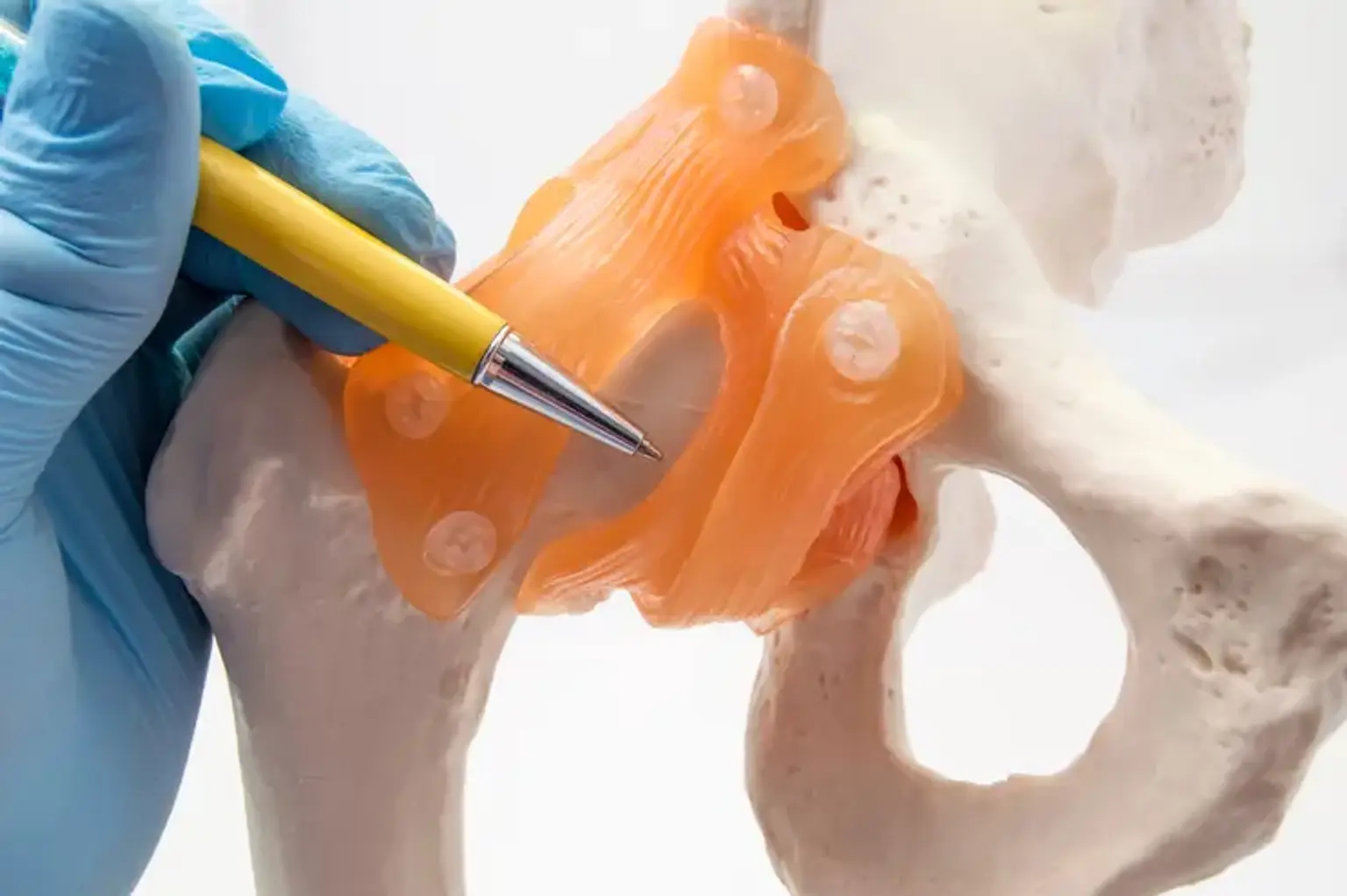
There are several types of hip surgery, with total hip replacement (THR) being the most common. In THR, the damaged hip joint is replaced with an artificial one. Another option is hip resurfacing surgery, which preserves more of the original bone and is suitable for younger, active patients. Hip arthroscopy is a minimally invasive procedure used to treat conditions like labral tears and impingements in the hip joint. The decision to have surgery is typically based on the severity of the condition and the patient's age, activity level, and overall health.
Types of Hip Joint Surgeries
There are a few common types of hip joint surgeries, each catering to different needs:
Total Hip Replacement (THR): This is the most common surgery. It involves removing the damaged joint and replacing it with a prosthetic implant. It's typically recommended for patients with severe arthritis or joint damage, often due to aging.
Hip Resurfacing Surgery: Instead of removing the entire joint, this procedure involves shaving the femoral head and capping it with a metal prosthesis. It's often used for younger, active patients because it preserves more bone and provides a more natural range of motion.
Hip Arthroscopy: A minimally invasive surgery, hip arthroscopy uses small incisions and a camera to visualize and treat issues such as labral tears, hip impingement, and minor cartilage damage. It has a faster recovery time than traditional surgeries.
Hip Fracture Surgery: This is performed when a fracture occurs in the hip, often due to a fall or trauma. Depending on the type of fracture, surgery may involve repairing or replacing the joint.
The Hip Joint: Anatomy and Function
The hip joint is a ball-and-socket joint, where the ball at the top of the femur (thigh bone) fits into the socket of the pelvis. This joint allows for a wide range of motion, including walking, sitting, standing, and bending.
The hip joint is designed to bear the body’s weight and facilitate movement, but over time, wear and tear, injuries, or conditions like osteoarthritis can damage the cartilage and bones. This damage can cause pain, stiffness, and difficulty moving. In some cases, when non-surgical treatments no longer provide relief, surgery becomes necessary to restore function and reduce pain.
Preparing for Hip Joint Surgery
Proper preparation is key to a successful hip surgery outcome. Here’s what you need to know:
Pre-surgical assessments: Before surgery, your doctor will perform a thorough examination, including X-rays or MRIs, to assess the extent of the damage to your hip joint. Blood tests and a physical exam will also be conducted to ensure you're healthy enough for surgery.
Discussing surgical options: Your surgeon will explain the different surgery options (e.g., total hip replacement vs. hip arthroscopy) based on your condition. It's important to understand the benefits, risks, and recovery expectations for each type of surgery.
Setting expectations: You’ll need to understand that surgery is only one part of the healing process. Recovery, including physical therapy and lifestyle adjustments, will play a huge role in regaining full function.
Preparing your home: It's helpful to prepare your home environment for your post-surgery recovery. This might include setting up a comfortable place to rest, organizing your living space to reduce the need for movement, and arranging for help with daily tasks like cooking and cleaning.
How Hip Joint Surgery is Performed
The specifics of how hip surgery is performed depend on the type of procedure chosen:
Total Hip Replacement (THR): In this procedure, the surgeon removes the damaged portions of the hip joint (the ball and socket) and replaces them with artificial components, typically made of metal, ceramic, or plastic. This surgery is usually performed under general anesthesia or spinal anesthesia. The procedure takes about 1 to 2 hours.
Hip Arthroscopy: This minimally invasive procedure uses a small camera (arthroscope) and tiny incisions to examine and treat the hip joint. The surgeon can remove damaged tissue, repair cartilage, or treat labral tears without the need for large incisions. This leads to a quicker recovery and less post-operative pain.
Hip Fracture Surgery: For fractures, the approach depends on the type of fracture. If the fracture is not severe, the surgeon may use pins or screws to stabilize the bone. In more severe cases, a partial or total hip replacement may be necessary.
Causes of Hip Joint Pain and Disorders
There are several reasons why people experience hip joint pain, and understanding the underlying cause helps determine the best course of treatment:
Osteoarthritis: The most common cause of chronic hip pain in older adults. It occurs when the cartilage that cushions the joint breaks down over time, leading to pain, stiffness, and limited movement.
Hip Fractures: A fall or trauma can cause a fracture in the hip, typically in the upper femur. These fractures are common in older adults, especially those with osteoporosis (brittle bones).
Labral Tears: The labrum is the cartilage that lines the hip socket. Tears can occur due to injury or wear over time and cause pain, stiffness, and a feeling of instability in the joint.
Hip Dysplasia: A condition where the hip socket doesn’t fully cover the ball of the femur. Over time, this leads to joint instability, arthritis, and pain. It often requires surgical intervention to prevent further damage.
Each of these conditions can significantly impact daily life, and if conservative treatments like physical therapy or medication don’t work, surgery may become the best option for long-term relief.
Benefits of Hip Joint Surgery
Hip joint surgery can offer significant benefits, especially for those suffering from chronic pain and limited mobility. Some of the key advantages include:
Pain relief: One of the most significant benefits of surgery is relief from chronic hip pain, allowing patients to return to everyday activities like walking, exercising, and socializing without discomfort.
Improved mobility: Surgery helps restore function to the hip joint, enabling patients to regain range of motion, flexibility, and strength. This is especially important for people with arthritis or joint degeneration who experience stiffness and immobility.
Better quality of life: With pain relief and restored mobility, many patients find that their overall quality of life improves dramatically. Hip surgery allows patients to return to hobbies, work, and activities that they had previously stopped doing due to pain.
Long-term benefits: Hip surgery, particularly total hip replacement, has a long-lasting effect. Many implants can last for 15-20 years or more, offering patients years of pain-free movement and functionality.
Minimally Invasive Hip Surgery
Minimally invasive hip surgery refers to techniques that use smaller incisions, which result in less tissue damage and faster recovery. These procedures include minimally invasive total hip replacement and hip arthroscopy.
Benefits: Smaller incisions mean less pain, reduced scarring, and a quicker recovery time. Patients typically experience a shorter hospital stay and can resume normal activities sooner.
Recovery: While recovery times vary, patients often return to walking with less discomfort and engage in physical therapy more quickly compared to traditional surgery.
Minimally invasive surgery has gained popularity for its ability to improve patient outcomes with fewer complications.
Symptoms Indicating the Need for Hip Joint Surgery
Knowing when to consider hip joint surgery is essential for effective treatment. Symptoms that may indicate the need for surgery include:
Chronic pain: Persistent pain in the hip, especially during movement or weight-bearing activities, that doesn’t respond to medications or physical therapy.
Limited range of motion: Difficulty moving the hip, such as bending, walking, or getting in and out of a chair.
Stiffness: A feeling of tightness in the joint, often worse in the mornings or after periods of inactivity.
Difficulty with daily activities: Struggling with everyday tasks like walking, climbing stairs, or driving due to pain and limited mobility.
If these symptoms significantly impact your quality of life and non-surgical treatments aren’t effective, it might be time to consider surgical options.
Recovery After Hip Joint Surgery
Recovery after hip joint surgery varies based on the type of procedure but typically involves several key steps:
Immediate Post-Op: After surgery, you may stay in the hospital for a few days. Pain management, blood clot prevention, and early mobility exercises are the focus during this period.
Physical Therapy: Essential for rebuilding strength and restoring range of motion. Most patients start physical therapy within the first few days post-surgery, gradually progressing to more intensive exercises.
Timeline: For total hip replacement, most patients are able to walk with assistance within a few days, while full recovery may take 6-12 weeks, with improvements continuing for months.
It’s important to follow your doctor’s advice and avoid excessive strain during recovery to ensure the best outcome.
Risks and Complications of Hip Joint Surgery
While hip joint surgery is generally safe, like any major surgery, it comes with risks, such as:
Infection: Though rare, infections can occur at the surgical site. Proper wound care and antibiotics reduce this risk.
Blood Clots: Blood clots can form after surgery, especially in the legs. Doctors typically recommend blood thinners and encourage movement to prevent this.
Prosthetic Issues: Implants can wear out or become dislocated, requiring additional surgery.
Dislocation or Fracture: After surgery, there’s a small risk that the new joint can dislocate or a fracture may occur.
By closely following post-surgery instructions and attending regular follow-ups, the chances of complications can be minimized.
Hip Joint Surgery for Older Adults
Hip joint surgery is commonly performed on older adults, particularly those with severe osteoarthritis or hip fractures. However, age can affect the surgery process:
Recovery: Older adults may take longer to heal due to slower tissue repair and pre-existing health conditions. But with proper care, many older patients experience significant improvements in pain relief and mobility.
Considerations: Surgeons often assess a patient’s overall health before surgery. Medical conditions such as heart disease or diabetes may need to be managed closely during the recovery period.
Post-Surgery Care: Ensuring a safe environment at home, including mobility aids and assistance, is crucial for older patients to prevent falls and complications during recovery.
Despite these challenges, many elderly patients benefit greatly from hip surgery, regaining the ability to move comfortably and live independently.
Cost of Hip Joint Surgery
The cost of hip joint surgery can vary significantly depending on several factors, including the type of surgery, location, and the patient’s insurance coverage.
Total Hip Replacement (THR): In the U.S., the cost for a total hip replacement can range from $20,000 to $50,000. This includes the surgeon’s fee, hospital stay, anesthesia, and rehabilitation costs.
Minimally Invasive Surgery: This type of surgery may be slightly more expensive due to specialized techniques and equipment, but the overall hospital stay and recovery time may be shorter.
Insurance: Many insurance plans, including Medicare, cover the cost of hip joint surgery if it is medically necessary. Be sure to check your insurance policy for specific coverage details.
While the upfront cost may seem high, the long-term benefits of reduced pain and improved mobility can significantly enhance your quality of life and reduce the need for future medical care.
Insurance and Financing Options
For those without adequate insurance coverage, several financing options are available to help manage the cost of hip joint surgery:
Insurance Coverage: Most health insurance plans, including Medicare and Medicaid, cover the costs of hip joint surgery if it’s deemed medically necessary. It's important to check with your insurer about what’s covered and if there are any pre-authorization requirements.
Out-of-Pocket Payment Plans: Many hospitals offer payment plans or financing options to spread the cost over time. Some hospitals also offer discounts for paying upfront or in full.
Medical Tourism: In some cases, patients choose to travel to countries where hip surgery costs are lower, such as Mexico, India, or Thailand. These options should be approached with caution, ensuring that the medical facilities are accredited and meet safety standards.
Patients are encouraged to explore all options, discuss costs upfront with their surgeon, and understand their financial responsibilities before committing to surgery.
Long-Term Outlook After Hip Joint Surgery
After hip joint surgery, many patients experience long-term improvements in pain relief and mobility. For most, the benefits last for many years:
Durability of Implants: Total hip replacement implants typically last 15-20 years. However, younger patients may require a revision surgery earlier due to wear and tear.
Quality of Life: Most patients report significant improvements in their ability to perform daily tasks, including walking, exercising, and enjoying hobbies.
Ongoing Care: Regular follow-ups with the surgeon are essential to monitor the condition of the hip joint and ensure that no complications arise.
With the right post-operative care and lifestyle adjustments, patients can enjoy an active, pain-free life for years to come.
Alternative Treatments Before Surgery
Before opting for surgery, patients often try conservative treatments to manage hip pain. These non-surgical options may delay or even prevent the need for surgery:
Physical Therapy: Strengthening the muscles around the hip can reduce pain and improve mobility. A skilled physical therapist will guide patients through exercises designed to increase flexibility and strength.
Medications: Nonsteroidal anti-inflammatory drugs (NSAIDs) and pain relievers can help manage pain, especially in early stages of joint degeneration. In more severe cases, corticosteroid injections may provide temporary relief.
Lifestyle Modifications: Weight loss, low-impact exercise, and avoiding activities that worsen the pain can be effective strategies in reducing hip joint strain.
Hyaluronic Acid Injections: These injections lubricate the joint and can help reduce pain and improve movement in patients with osteoarthritis.
If these treatments are ineffective, surgery may be considered as a next step.
The Role of Physical Therapy After Hip Joint Surgery
Physical therapy plays a critical role in the recovery process after hip joint surgery. It helps patients regain strength, flexibility, and coordination, ensuring a smooth transition back to everyday activities:
Early Stage: In the first few days post-surgery, physical therapy focuses on basic movements like standing, walking with assistance, and gentle exercises to prevent blood clots and maintain joint mobility.
Intermediate Stage: As healing progresses, physical therapy becomes more intense, with exercises to improve range of motion, balance, and leg strength.
Long-Term Recovery: Even after the initial recovery period, patients are encouraged to continue physical therapy to enhance muscle strength and prevent future injury. This is especially important for patients who underwent total hip replacement or resurfacing surgery.
A strong commitment to physical therapy can dramatically improve post-surgery outcomes and help patients regain independence more quickly.
When to Seek a Second Opinion
If you’re unsure about your surgery options or diagnosis, seeking a second opinion can provide clarity. Here’s when it might be helpful:
Multiple Treatment Options: If your doctor presents more than one surgical option (e.g., hip replacement vs. arthroscopy), another expert opinion can help you choose the best option.
Complex Cases: If you have additional health concerns (such as diabetes or obesity), a second opinion may offer insights into how your health may impact surgery and recovery.
Confidence and Comfort: If you’re uncertain about your surgeon or feel uncomfortable with the proposed treatment plan, consulting another specialist can provide peace of mind.
It's always a good idea to feel confident in your treatment plan and the medical team guiding you through it.
Emotional and Psychological Considerations
Undergoing hip surgery can be emotionally challenging. It’s important to be mentally prepared for the journey:
Anxiety and Fear: It’s natural to feel anxious before surgery. Concerns about the procedure, recovery, or potential complications are common.
Support System: Having a strong support system—friends, family, or even a counselor—can help alleviate emotional stress.
Mental Health: Physical recovery is often tied to emotional well-being. Staying positive and setting realistic goals for recovery can improve both physical and mental outcomes.
Talking to your healthcare team about any emotional concerns is vital, as they can provide additional resources or support.
Conclusion
Hip joint surgery offers hope for those suffering from chronic pain and mobility issues. Whether you need a total hip replacement, hip arthroscopy, or another procedure, surgery can significantly improve your quality of life. By understanding the options, preparing properly, and following a solid recovery plan, you can expect to enjoy better movement and reduced pain for years.
Remember, surgery is just one step in your journey. Post-surgery care, physical therapy, and lifestyle adjustments will play a key role in achieving the best long-term outcomes.
Always consult with your doctor to determine the best treatment plan and ensure a successful recovery!