What is the HSG Test?
The HSG test, or Hysterosalpingogram, is a diagnostic procedure that helps evaluate the health of a woman’s fallopian tubes and uterus. The test involves injecting a special dye into the uterus through the cervix, which then flows through the fallopian tubes. X-ray imaging is used to capture the path of the dye, revealing any blockages, abnormalities, or other issues that might be interfering with fertility.
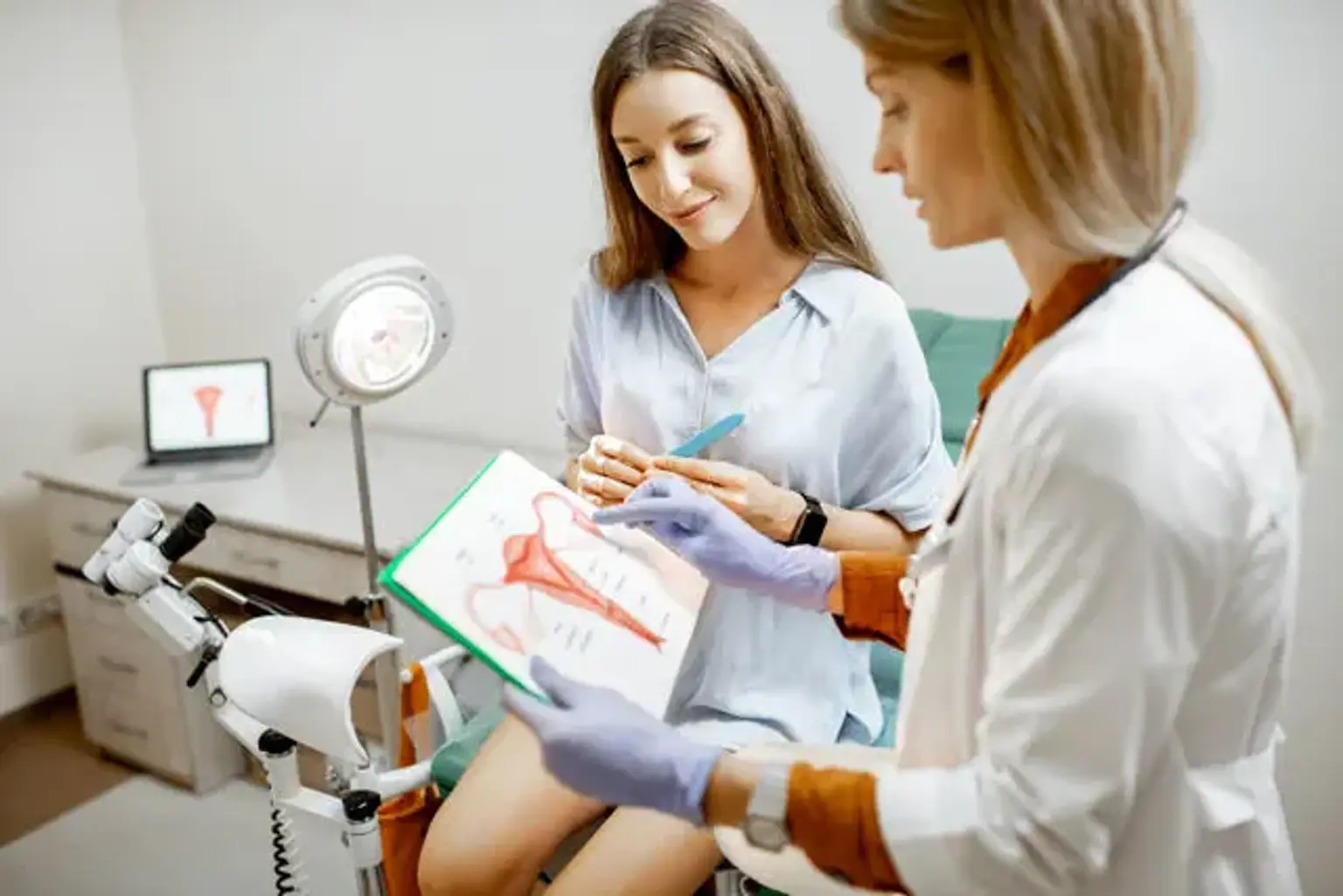
The HSG test is often recommended for women who have experienced difficulty getting pregnant or have a history of recurrent miscarriages. By assessing the condition of the fallopian tubes—where fertilization typically occurs—the test provides valuable insights into the potential causes of infertility.
While the test might sound intimidating, it’s a relatively quick and straightforward procedure that provides crucial information to fertility specialists. Identifying problems with the fallopian tubes, such as blockages, is an essential step in determining the most appropriate course of action for improving fertility.
Role of Fallopian Tubes in Fertility
The fallopian tubes play a critical role in a woman’s reproductive system. They serve as the pathway through which eggs travel from the ovaries to the uterus. It’s in the fallopian tubes where fertilization of an egg by sperm typically occurs. If the tubes are blocked, damaged, or otherwise obstructed, sperm may not be able to reach the egg, making natural conception difficult or impossible.
Several factors can cause problems with the fallopian tubes, including infections, endometriosis, previous surgeries, or scarring from pelvic inflammatory disease. When these issues occur, it can prevent eggs from meeting sperm, leading to infertility.
The HSG test is one of the most effective ways to assess the patency (openness) of the fallopian tubes. It can reveal whether the tubes are clear, or if there are blockages, fluid-filled sacs (hydrosalpinx), or other abnormalities. Identifying these issues early on is crucial for determining the most appropriate fertility treatments, such as surgery, IVF (in vitro fertilization), or other assisted reproductive technologies.
Step-by-Step Process of the HSG Procedure
The HSG procedure is usually performed in a fertility clinic or a hospital radiology department. Here’s what you can expect during the test:
Preparation:
The procedure is typically scheduled after menstruation but before ovulation, usually around the 7th to 10th day of your menstrual cycle. This timing helps reduce the risk of pregnancy during the test and ensures the uterus is not obstructed by blood.
You’ll be asked to lie on an examination table, similar to a pelvic exam, and a speculum will be inserted into your vagina to open the cervix. The doctor will clean the cervix and vagina to reduce the risk of infection.
Dye Injection:
A small catheter is inserted through the cervix into the uterus. Through this catheter, a special contrast dye is injected into the uterus. The dye fills the uterus and flows into the fallopian tubes. X-ray images are taken at regular intervals to capture the dye’s path as it travels through the reproductive system.
X-ray Imaging:
The X-ray is used to monitor how the dye moves. A clear passage will show the dye flowing freely through the uterus and into both fallopian tubes. If one or both tubes are blocked or damaged, the dye will not be able to pass through, and the blockage will be visible on the X-ray images.
Procedure Duration:
The entire procedure typically takes about 15 to 30 minutes. Most women experience some cramping and discomfort as the dye is injected, but the test itself is relatively quick.
Post-Procedure:
After the test, you may experience mild cramping or spotting, which should subside within a few hours. It’s advised to rest for the remainder of the day, but most women can resume normal activities the following day.
The results of the HSG test are usually discussed with you during the same appointment or shortly afterward. If no blockages are found, it’s considered a normal result. If blockages or abnormalities are detected, the fertility specialist will discuss next steps and potential treatments based on the findings.
Why the HSG Test is Essential for Infertility Diagnosis
When a couple is experiencing infertility, the cause can often be traced to the fallopian tubes. Blocked or damaged tubes are one of the leading causes of female infertility. However, the HSG test can also provide insights into other potential issues, such as uterine abnormalities, fibroids, polyps, or adhesions.
The test is essential because it not only checks for blockages but also assesses the overall shape and health of the uterus and fallopian tubes. A clear and healthy fallopian tube is necessary for an egg to meet sperm, while a blocked tube can hinder this process and make natural conception challenging.
In addition to diagnosing fertility issues, the HSG test can also have therapeutic benefits. The process of injecting the contrast dye and applying pressure during the procedure can sometimes help to open slightly blocked tubes, improving a woman’s chances of pregnancy. This flushing action may help dislodge minor blockages and clear the tubes, giving a natural boost to fertility.
In some cases, if the test reveals significant blockages, the fertility specialist may recommend surgery or move forward with IVF, where the egg is fertilized outside the body, bypassing the need for the fallopian tubes altogether.
When Should You Consider an HSG Test?
An HSG test is typically recommended for women who have been trying to conceive for over a year without success, or if there are signs of potential fallopian tube problems. It is also advised when a woman has had multiple miscarriages, as tube blockages or uterine abnormalities can be a cause. Additionally, women with a history of pelvic inflammatory disease, endometriosis, or previous abdominal surgeries may also be candidates for this test.
In some cases, your fertility doctor may recommend the HSG test earlier if you have known risk factors for tubal infertility. Identifying any blockages or abnormalities early can help guide treatment options, improving the chances of conception.
Duration of the HSG Test and What to Expect
The HSG procedure itself usually takes about 15-30 minutes. The preparation and post-procedure time may add another 30 minutes to an hour to your visit. While the test is relatively quick, most women feel some cramping during the procedure, especially as the dye is injected.
The procedure involves lying on an examination table in a similar position to a pelvic exam, and the catheter is inserted to release the contrast dye. You may experience mild discomfort or pressure, but the procedure is typically completed in one session.
Afterward, you can expect some spotting and mild cramping, which usually resolves within a few hours. You can return to normal activities after the test, though resting for the remainder of the day is recommended.
Risks and Side Effects of the HSG Test
The HSG test is generally safe, but like any medical procedure, it comes with some risks and potential side effects. These are typically mild but should be considered before undergoing the test.
Pain and Cramping: Many women experience cramping during and after the procedure as the contrast dye is injected. The cramping can last for a few minutes to a few hours.
Infection: While rare, there is a small risk of infection following the test. To reduce this risk, your doctor will ensure the procedure is conducted under sterile conditions.
Allergic Reactions: Some women may have an allergic reaction to the contrast dye. This is uncommon, but if you have any known allergies, inform your doctor before the test.
Heavy Bleeding: In rare cases, some women may experience heavier-than-usual bleeding after the test. If this persists, it’s important to contact your healthcare provider.
Preparation for an HSG Test
Before an HSG test, you’ll be given specific instructions. Typically, the test is performed 7-10 days after the start of your menstrual period, when there’s no risk of pregnancy. Avoid using any vaginal creams or tampons before the test. You may also be advised to take an over-the-counter pain reliever to reduce discomfort during the procedure.
Your doctor will perform a physical exam and may ask about your menstrual cycle to confirm the best time for the test. It’s important to discuss any allergies (especially to contrast dye) and inform the doctor if you have any history of pelvic infections or other concerns.
What Do the HSG Results Mean?
The results of the HSG test are generally provided within the same day. A normal result indicates that the fallopian tubes are open and there are no significant blockages or abnormalities in the uterus. If the dye flows freely through both tubes, the test is considered clear.
If blockages are detected, the results may show the dye being unable to pass through one or both tubes, signaling a potential obstruction. In some cases, fluid-filled sacs (hydrosalpinx) may be visible. The doctor will discuss your results in detail and suggest treatment options, which may include surgery, IVF, or other fertility interventions depending on the severity of the findings.
Possible Conditions Detected Through HSG
An HSG test can reveal several conditions that may impact a woman's fertility:
Blocked Fallopian Tubes: If the dye can't pass through one or both tubes, it indicates a blockage. This can occur due to previous infections, pelvic surgeries, or conditions like endometriosis.
Hydrosalpinx: A condition where a fallopian tube is filled with fluid, which can affect fertility. The fluid inside may even leak into the uterus, lowering the chances of a successful pregnancy.
Uterine Abnormalities: The test also provides insights into the shape and health of the uterus. Issues like fibroids, polyps, or adhesions can be detected, all of which can interfere with implantation or pregnancy.
These findings help doctors determine the best course of action, which could range from surgery to assisted reproductive technologies like IVF.
What Happens After the Test?
After the HSG test, you’ll typically receive a detailed explanation of your results. If your fallopian tubes are clear, it’s considered a good sign for natural conception. If the test shows blockages or abnormalities, your doctor will discuss treatment options.
If blockages are detected, they may recommend a surgical procedure, such as tubal surgery, to open the tubes or treat conditions like hydrosalpinx. In some cases, IVF might be suggested as a way to bypass the fallopian tubes altogether.
You may also be given guidance on when to resume fertility treatments or try conceiving naturally, depending on the severity of the issues found.
Why the HSG Test is Beneficial for Fertility
The HSG test plays an essential role in diagnosing infertility by evaluating the health of the fallopian tubes and uterus. If blocked tubes are identified, treatment can be initiated sooner, which may improve the chances of conception. The procedure is often a first step in fertility testing, providing valuable insights that can guide further treatment.
Additionally, the pressure and flushing action of the dye during the test can sometimes help to clear minor blockages, improving fertility even without further interventions.
For women undergoing IVF, the HSG test is crucial to assess the tubes' condition and guide the decision-making process.
Can HSG Test Improve Fertility Chances?
Studies suggest that the HSG test may offer more than just a diagnosis—it can also improve a woman’s fertility. The procedure's flushing action, when the contrast dye is injected, can help clear partial blockages in the fallopian tubes. This can improve the likelihood of natural conception in some cases.
While the procedure itself doesn’t guarantee improved fertility, many women experience better chances of pregnancy after an HSG test, especially if minor blockages were preventing egg and sperm from meeting. If the test reveals significant issues that cannot be addressed through the procedure alone, other fertility treatments, such as surgery or IVF, will be considered.
Preparing for the HSG Test: What You Need to Know
Proper preparation can help ensure the HSG test goes smoothly. Here’s what you should do:
Timing: The test is usually scheduled between the 7th and 10th day of your menstrual cycle. This timing reduces the risk of pregnancy and ensures your uterus is free of any blood that could interfere with the test.
Medications: Your doctor may recommend over-the-counter pain relievers like ibuprofen to help minimize discomfort during the procedure. You should avoid taking aspirin as it may increase the risk of bleeding.
Hydration: Drink plenty of water before the test. Staying hydrated helps your body cope better with the procedure.
Avoiding Intercourse: You may be asked to refrain from intercourse for a few days leading up to the test.
Pre-Procedure Instructions: Inform your doctor if you have any allergies or previous reactions to contrast dye, and share details about your menstrual cycle, pelvic infections, or history of endometriosis.
Aftercare and Recovery: What to Expect
Post-procedure care is straightforward, but it’s important to follow your doctor's advice to ensure a smooth recovery:
Rest: Take it easy for the rest of the day after the test. While most women feel fine afterward, mild cramping or spotting is common. If the cramps are severe, you can take over-the-counter pain relievers like ibuprofen.
Bleeding: Spotting or light bleeding can occur for a day or two after the test. This is usually not a cause for concern. However, if you experience heavy bleeding or symptoms like fever or severe pain, contact your doctor immediately.
Resuming Activities: You can typically return to your normal routine the day after the test. However, avoid strenuous exercise and sexual intercourse until your doctor clears you.
Cost and Insurance Coverage for HSG Test
The cost of an HSG test can vary depending on where it’s performed, ranging from $200 to $1,000 or more. It’s essential to check with your healthcare provider and insurance company to understand what is covered.
In many cases, the HSG test is covered by insurance if it’s deemed medically necessary for fertility testing. However, some plans may require pre-authorization or may have specific criteria for coverage. Be sure to contact your insurance company in advance to inquire about coverage details.
If you're concerned about the cost, ask your fertility clinic if they offer payment plans or discounts for uninsured patients. Many clinics also provide financial counseling to help manage the cost of fertility testing and treatments.
Common FAQs About the HSG Test
Many patients have questions before undergoing the HSG test. Here are some of the most frequently asked questions:
Is the HSG test painful? While the test can cause discomfort or cramping, most women find the pain to be mild and temporary. The procedure itself is quick, lasting only 15-30 minutes. Over-the-counter pain relievers can help reduce any discomfort.
When should I schedule the HSG test? The test is typically done between the 7th and 10th day of your menstrual cycle to avoid any risks of pregnancy and to ensure the uterus is free from menstrual blood, which could obscure the imaging.
Can the HSG test help me get pregnant? In some cases, the HSG test itself may help to improve fertility. The procedure’s flushing action can sometimes open minor blockages in the fallopian tubes, which may increase your chances of conception. However, the test is primarily diagnostic.
How soon can I resume normal activities? You can return to most normal activities the day after the test. However, you should avoid sexual intercourse and heavy exercise for a few days.
The Role of the HSG Test in IVF Planning
For couples pursuing IVF (in vitro fertilization), the HSG test plays a crucial role. It helps assess the health and patency of the fallopian tubes and uterus, which are vital for successful implantation. While IVF bypasses the fallopian tubes by fertilizing the egg outside the body, a clear and healthy uterus is still necessary for embryo implantation.
If the HSG reveals blocked tubes or other uterine abnormalities, the fertility specialist may proceed with IVF. In some cases, the HSG test itself can be therapeutic, helping to open blocked tubes, potentially improving the success of IVF.
An HSG test can also help determine whether there are any other factors that might impact the IVF process, like uterine fibroids, which could interfere with embryo implantation.
Emotional Impact of the HSG Test
For many women, infertility can be an emotionally challenging journey. The HSG test, while a diagnostic tool, can evoke feelings of anxiety or stress. It’s important to remember that the test is a step toward understanding the underlying cause of fertility issues and exploring solutions.
It can also be reassuring to know that the results of the HSG test help fertility specialists plan the next steps, whether that involves surgery, IVF, or other interventions. Women undergoing fertility treatments are encouraged to talk openly with their healthcare providers, ask questions, and express concerns. Many fertility clinics also offer counseling or support groups to help women cope with the emotional and psychological aspects of infertility.
Conclusion
The HSG test is an essential diagnostic tool in evaluating fertility, particularly in assessing the health of the fallopian tubes and uterus. It plays a crucial role in identifying blockages or abnormalities that could impact a woman’s ability to conceive. While the procedure is generally safe and quick, it’s important to be prepared for mild discomfort and follow the aftercare instructions.
Whether the test helps clear minor blockages or guides fertility treatments like IVF, the HSG test provides valuable information for improving fertility outcomes. For women struggling to conceive, the test offers a step toward understanding the root causes of infertility and exploring the best treatment options.
By understanding what the HSG test entails, its potential risks, and how it fits into the broader context of fertility care, women can make informed decisions and take proactive steps toward their reproductive health.