Introduction
Hump nose reduction surgery, commonly known as rhinoplasty, is a cosmetic procedure aimed at reshaping the nose to eliminate a noticeable hump or bump on the nasal bridge. For many people, the presence of a hump on the nose can make them feel self-conscious or dissatisfied with their appearance. It often affects how people perceive their facial harmony, which can lead to reduced self-confidence.
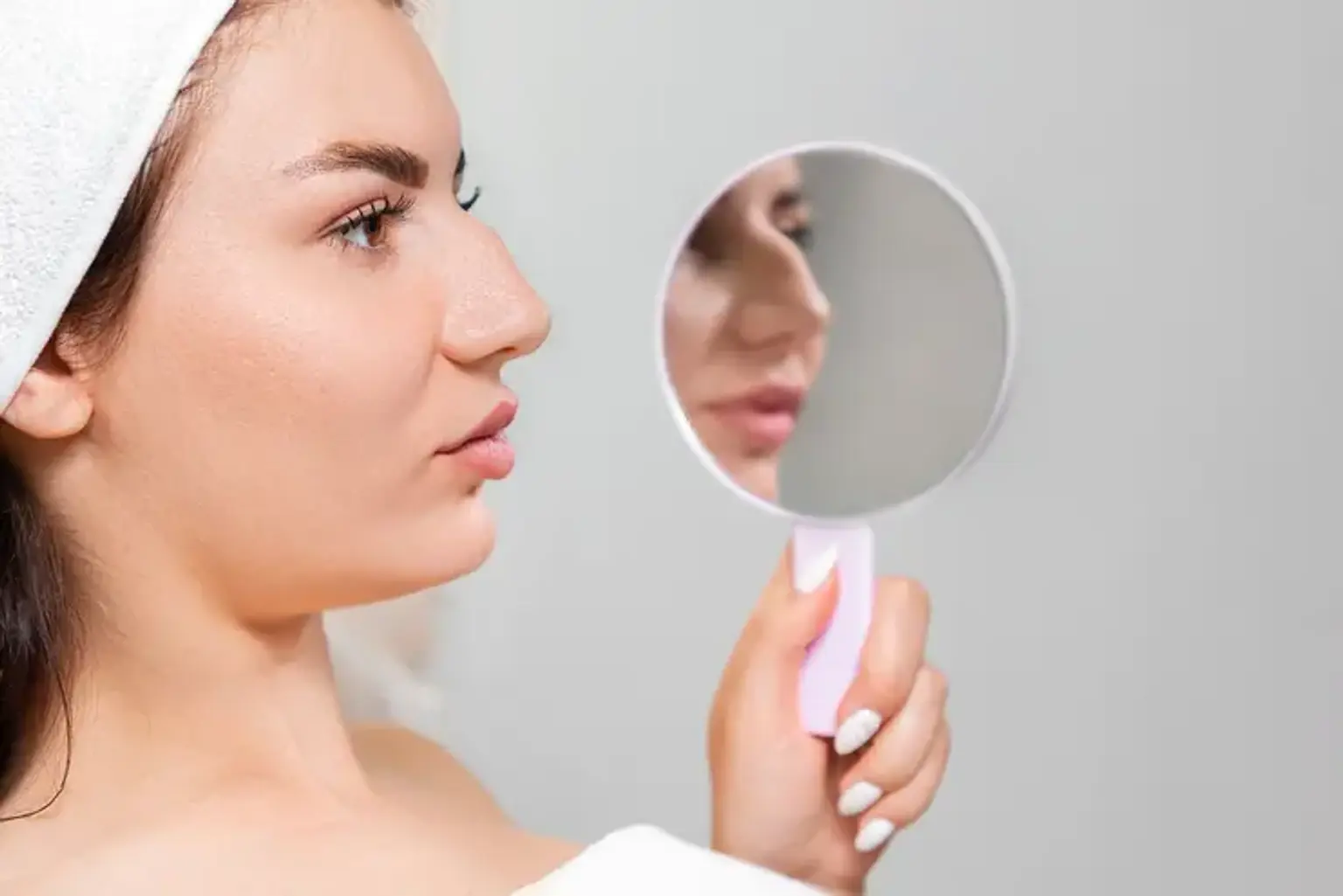
This surgery is highly popular across the globe, especially in countries like the United States, South Korea, and Brazil, where it ranks among the top cosmetic procedures. Hump nose reduction surgery not only improves the aesthetics of the face but also contributes to an overall boost in mental well-being. The procedure is performed by highly skilled plastic surgeons, who use advanced techniques to ensure the results are both natural-looking and functional.
In this article, we will delve into what a hump nose is, the reasons for opting for reduction surgery, the procedure itself, and what patients can expect before, during, and after the surgery.
What is a Hump Nose?
A hump nose, often referred to as a dorsal hump, is a raised area on the bridge of the nose that causes the profile to appear uneven. This feature can be caused by genetics, trauma, or developmental issues. For some, a hump can be subtle, while for others, it can be more pronounced. Many people with a hump nose feel self-conscious about it, which can affect their self-esteem and confidence.
A hump nose is typically categorized as a cosmetic concern, though it can sometimes interfere with breathing if it causes an airway obstruction. In such cases, hump nose reduction surgery not only enhances appearance but can also improve nasal airflow, helping with conditions like chronic congestion or snoring.
Why Consider Hump Nose Reduction Surgery?
The decision to undergo hump nose reduction surgery is often motivated by the desire to improve the appearance of the nose and create a more balanced facial profile. People with a prominent hump may feel that their nose distracts from their eyes or lips, and reshaping it can help bring symmetry to their face.
Aside from cosmetic improvements, many patients experience a boost in self-confidence after surgery. The procedure can provide psychological benefits by allowing individuals to feel more comfortable and at ease with their appearance. For some, this is a life-changing decision that significantly enhances their overall quality of life.
It’s essential to note that this surgery is highly personal, and patients should have realistic expectations about the outcome. While it can create a dramatic improvement, results vary based on individual facial structure and skin type.
The Hump Nose Reduction Procedure: What to Expect
Hump nose reduction surgery typically involves the removal or reshaping of the nasal bone and cartilage to smooth out the hump. The procedure is generally performed under local anesthesia with sedation or general anesthesia, depending on the complexity of the case.
The surgery begins with an incision, which can be made inside the nose (closed rhinoplasty) or across the columella (the tissue between the nostrils) for better visibility (open rhinoplasty). After the incision, the surgeon will carefully remove the excess bone or cartilage that causes the bump. In some cases, the nasal structure may need to be reshaped to ensure that the new nose maintains proper functionality and balance.
The procedure can take anywhere from one to two hours, depending on the extent of the changes being made. Most patients are able to go home the same day after the surgery, though a follow-up appointment will be scheduled to monitor the healing process.
Types of Rhinoplasty for Hump Nose Correction
There are two main types of rhinoplasty for hump nose reduction: open rhinoplasty and closed rhinoplasty.
Open rhinoplasty involves a small incision across the columella, allowing the surgeon to lift the skin and access the underlying structures of the nose. This method offers better visibility and precision, making it ideal for more complex cases.
Closed rhinoplasty involves incisions inside the nostrils, leaving no visible scars. While less invasive, it offers less direct access to the nasal structures, making it better suited for less complicated procedures.
The choice between the two techniques depends on the severity of the hump and the surgeon's recommendation.
Who is a Good Candidate for Hump Nose Reduction Surgery?
A good candidate for hump nose reduction surgery is someone in good overall health and with realistic expectations about the procedure. Ideal candidates are typically over the age of 18, as the nose has finished developing by then.
It’s also important for candidates to have clear motivations, such as improving facial balance or correcting a functional breathing issue. Patients should be emotionally ready for the changes the surgery will bring and understand that while the surgery can enhance appearance, it’s not a cure-all for other personal issues.
A thorough consultation with a qualified surgeon is essential to assess whether this procedure is right for you.
How Much Does Hump Nose Reduction Surgery Cost?
The cost of hump nose reduction surgery varies depending on several factors, such as the surgeon's experience, the complexity of the surgery, and the location of the practice. On average, patients can expect to pay between $3,000 and $10,000 for the procedure. This fee often includes the surgeon’s fee, anesthesia, and facility charges.
Additional costs may arise if post-operative treatments or follow-up consultations are needed. Many practices offer payment plans or financing options to make the procedure more affordable. It’s important to consult with your surgeon to understand the total cost upfront.
Understanding the Risks and Complications
While hump nose reduction surgery is generally safe, it does come with certain risks. The most common complications include:
Infection: Though rare, infections can occur, requiring treatment with antibiotics.
Scarring: Scars from rhinoplasty are typically minimal, especially with closed rhinoplasty, but they can still appear, particularly with open rhinoplasty.
Asymmetry: In some cases, the nose may not heal symmetrically, requiring revision surgery.
Breathing issues: Although rare, some patients may experience breathing difficulties after the surgery if the nasal passages are altered too much.
To minimize these risks, choosing a highly qualified surgeon is essential. Following post-operative care instructions is also critical for a smooth recovery.
Preparing for Hump Nose Reduction Surgery
Proper preparation for hump nose reduction surgery is crucial for a successful outcome. During the pre-surgery consultation, your surgeon will review your medical history, perform a physical examination, and discuss your aesthetic goals. It’s important to be open and honest about any underlying health conditions, such as allergies or previous surgeries.
Patients may be asked to undergo routine tests like blood work or imaging of the nose. It's also advised to stop smoking several weeks before surgery, as smoking can impair healing. Additionally, patients may need to avoid taking certain medications like aspirin, which can increase the risk of bleeding.
On the day of surgery, you should arrange for someone to drive you home, as you will be under anesthesia and unable to drive yourself.
What Happens During the Hump Nose Reduction Surgery?
The surgery typically lasts between one and two hours. Depending on the complexity, the procedure may be performed under general anesthesia or local anesthesia with sedation. Once the anesthesia takes effect, your surgeon will begin by making an incision.
In open rhinoplasty, the incision is made at the base of the nostrils, providing better access to the nasal structure. For closed rhinoplasty, the incisions are hidden inside the nostrils.
The surgeon will then remove or reshape the excess bone or cartilage causing the hump, paying careful attention to preserving the natural contours of the nose. After the hump is addressed, the skin is repositioned, and the incisions are closed.
Once the surgery is complete, a splint may be placed on the nose to help maintain its shape as it heals.
Recovery After Hump Nose Surgery: What to Expect
The recovery process after hump nose reduction surgery typically takes several weeks, though complete healing can take up to a year. Immediately after surgery, patients can expect some swelling, bruising around the eyes, and mild discomfort. Pain can usually be managed with prescribed pain medications.
For the first few days, it’s essential to rest and keep the head elevated to reduce swelling. A splint may be worn for the first week to protect the newly shaped nose. Patients should avoid strenuous activities for at least 4–6 weeks to prevent any accidental injury.
While most swelling and bruising will subside in the first few weeks, it may take several months for the final results to become fully visible.
Managing Pain and Swelling Post-Surgery
Managing pain and swelling is an important part of the recovery process. The discomfort following hump nose reduction surgery is usually minimal, with patients experiencing a dull ache rather than sharp pain. Over-the-counter pain relievers like acetaminophen can help manage this discomfort, but it’s important to follow your surgeon’s recommendations for pain management.
Swelling is one of the most noticeable side effects of the surgery, especially around the eyes and nose. To reduce swelling, patients should keep their head elevated during sleep and avoid any pressure on the nose. Ice packs can be used in the first few days after surgery, but it’s important not to place them directly on the nose.
Most of the swelling will subside within 2–3 weeks, but some minor swelling may remain for a few months. Full recovery and the final result of the surgery can take up to a year.
Long-Term Results of Hump Nose Reduction Surgery
The results of hump nose reduction surgery are usually long-lasting, though they can evolve slightly over time. Immediately after surgery, the nose may appear swollen and bruised, but as the healing progresses, the final shape of the nose will become clearer. It can take up to a year for the full results to be visible, as the skin and underlying structures settle into place.
Once fully healed, the nose will have a smoother, more balanced appearance, and the hump will be significantly reduced or removed. Many patients report feeling more confident and satisfied with their appearance, experiencing an improvement in their overall facial harmony. In some cases, slight revisions may be necessary if asymmetry or other issues arise, but this is rare.
Alternative Treatments for Hump Nose Correction
While surgery is the most effective method for correcting a hump nose, some patients may consider non-surgical options, such as dermal fillers. These fillers can be injected into the nose to smooth out small bumps or irregularities, offering temporary results without the need for an invasive procedure.
However, dermal fillers are only suitable for minor adjustments and cannot fully eliminate a prominent nasal hump. They also require ongoing maintenance since the results last only 6–12 months. For patients seeking permanent changes, surgical rhinoplasty remains the most reliable solution.
Common Myths About Hump Nose Reduction Surgery
There are several myths surrounding hump nose reduction surgery that can cause unnecessary concerns. Here are a few common misconceptions:
Myth 1: Rhinoplasty is too painful. While there may be some discomfort after surgery, modern pain management techniques ensure that the pain is minimal and manageable.
Myth 2: The results won’t look natural. With a skilled surgeon, rhinoplasty can provide natural-looking results that enhance your appearance without making the nose appear artificial.
Myth 3: The recovery is extremely long. Most patients can return to work or school within 1–2 weeks, and while swelling can last for months, the overall recovery process is relatively quick.
It’s important to discuss any concerns with your surgeon during the consultation to gain a clear understanding of what to expect.
How to Choose the Right Surgeon for Hump Nose Reduction Surgery
Selecting the right surgeon for your hump nose reduction surgery is crucial for achieving optimal results. Look for a board-certified plastic surgeon or facial plastic surgeon who specializes in rhinoplasty and has significant experience with nasal surgeries. A qualified surgeon will be able to assess your unique facial features and design a surgical plan that meets your aesthetic goals.
Before making a decision, request to see before-and-after photos of previous patients to get a sense of the surgeon’s style and the results they achieve. It’s also helpful to read reviews or get recommendations from trusted sources. A consultation is an opportunity to ask questions, discuss concerns, and ensure that you feel comfortable with the surgeon's approach.
Understanding the Psychological Benefits of Hump Nose Reduction Surgery
One of the most significant advantages of hump nose reduction surgery is the positive psychological impact it can have on patients. Many individuals who undergo this procedure do so because they feel self-conscious or dissatisfied with their nose’s appearance. Reducing or eliminating the nasal hump can lead to a substantial boost in self-esteem and confidence, helping patients feel more comfortable in social situations and in their own skin.
A more balanced nose can enhance overall facial harmony, allowing individuals to feel more in tune with their natural beauty. For many, this boost in confidence can lead to improved personal and professional relationships and a more positive outlook on life. However, it’s important to understand that the surgery should be pursued for personal reasons, not to meet external pressures or unrealistic standards of beauty.
Real-Life Success Stories of Hump Nose Reduction
Many patients report life-changing improvements after hump nose reduction surgery. For example, a 32-year-old woman from New York shared how the procedure helped her gain the confidence to pursue her career in media. She had always felt self-conscious about her prominent nasal hump, which made her feel less photogenic and inhibited her interactions with others. After the surgery, she noticed a dramatic improvement in how others perceived her, and more importantly, how she perceived herself. She reported feeling freer, more outgoing, and comfortable with her appearance.
Another success story comes from a 40-year-old man who had a nasal hump that was affecting his ability to breathe comfortably. In addition to aesthetic reasons, he opted for surgery to improve his quality of life. Post-surgery, not only did he experience better airflow through his nasal passages, but he also felt more confident about his appearance. His surgery, which corrected both the functional and aesthetic aspects of his nose, has made a lasting difference in his daily life.
These real-life examples highlight the dual benefits of hump nose reduction surgery: enhancing both physical appearance and overall well-being.
Common FAQs About Hump Nose Reduction Surgery
1. How soon can I see the results?
While the majority of swelling and bruising subside in about 2–3 weeks, the final results of the surgery can take up to a year to fully reveal themselves.
2. Will the surgery leave visible scars?
In most cases, scarring is minimal and hidden inside the nostrils (closed rhinoplasty). If open rhinoplasty is performed, a small scar across the columella is usually well-concealed and fades over time.
3. Is the surgery covered by insurance?
Hump nose reduction surgery is typically considered a cosmetic procedure and is not covered by insurance unless it’s being performed for functional reasons, such as correcting a breathing issue caused by a nasal obstruction.
4. Can I return to work immediately after the surgery?
Most patients can return to work within 1–2 weeks, but it’s advisable to avoid strenuous physical activity for several weeks to allow proper healing.
5. What if I don’t like the results?
While rare, if a patient is unhappy with the results, revision surgery may be an option. It’s essential to discuss your concerns with your surgeon during the recovery process to determine whether adjustments are needed.
Conclusion
Hump nose reduction surgery offers a safe and effective way to enhance the appearance of the nose, improving facial harmony and boosting self-confidence. With its ability to address both cosmetic and functional concerns, it’s a transformative procedure for many. However, it’s essential to approach it with realistic expectations and understand the recovery process.
Choosing a skilled and experienced surgeon is key to achieving the best possible outcome. During your consultation, ensure you discuss your goals, expectations, and any concerns you may have. The decision to undergo hump nose reduction surgery is highly personal, and when done for the right reasons, it can significantly enhance both your appearance and overall quality of life.
If you’re considering this procedure, take the time to research, consult with a qualified surgeon, and assess whether it aligns with your personal goals and desires for self-improvement.