What is Joint Replacement Surgery?
Joint replacement surgery, also known as arthroplasty, is a medical procedure where a damaged or diseased joint is replaced with an artificial prosthesis. This surgery is commonly performed on joints that experience significant wear and tear, like the hip, knee, and shoulder.
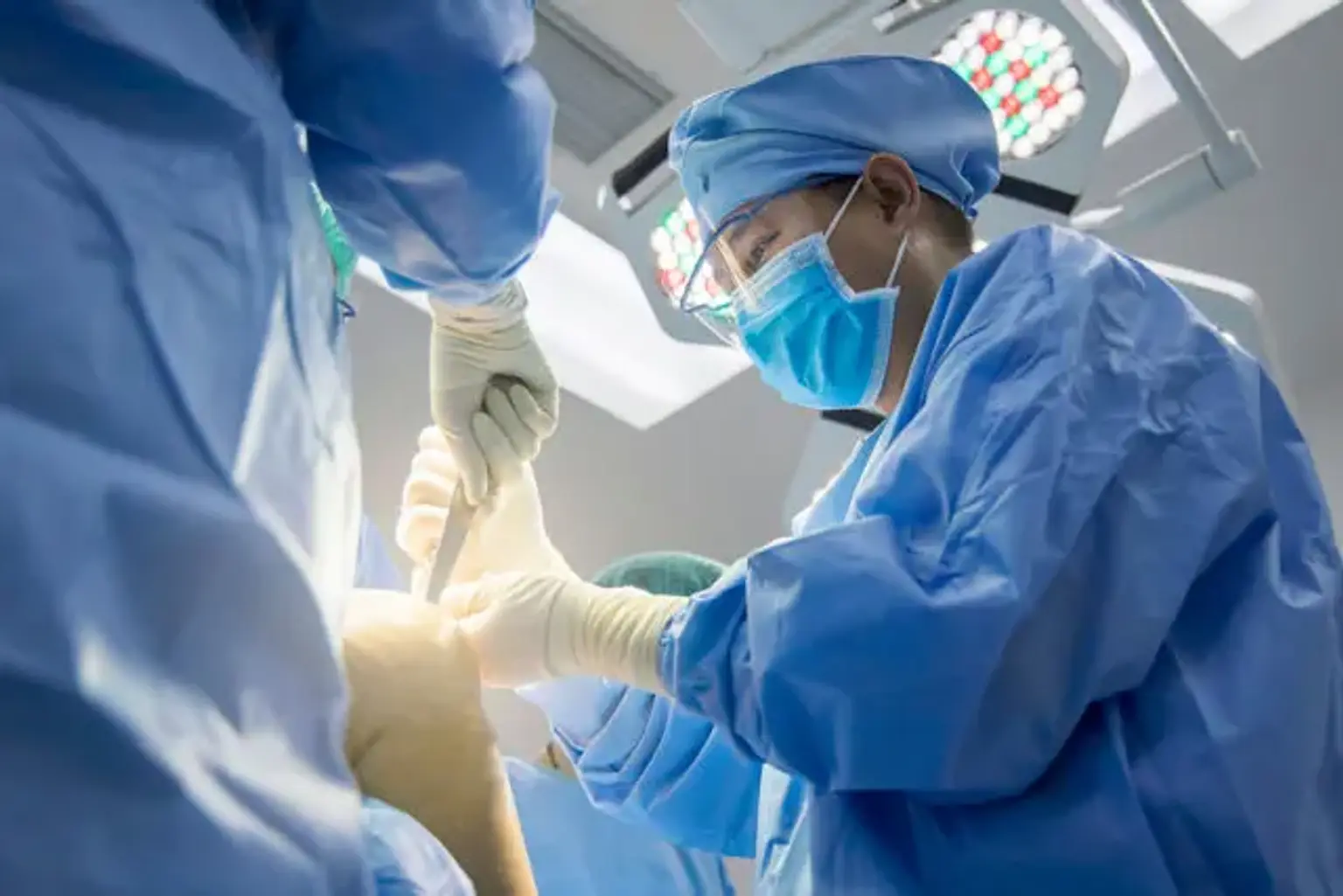
In total joint replacement, both sides of the joint are replaced, whereas partial joint replacement may only replace one side of the joint. The goal of this surgery is to relieve pain, improve function, and restore mobility to the affected joint.
Conditions Leading to Joint Replacement Surgery
The need for joint replacement surgery often arises from chronic joint pain caused by degenerative diseases like osteoarthritis or inflammatory conditions such as rheumatoid arthritis. These conditions damage the joint, leading to pain, stiffness, and reduced mobility.
Osteoarthritis, the most common cause, occurs when the cartilage that cushions the joint wears down over time. For patients with advanced arthritis, when non-surgical treatments like medications and physical therapy no longer offer relief, joint replacement surgery becomes an effective option.
Other factors, such as joint fractures, trauma, or congenital joint deformities, can also lead to the need for joint replacement. In these cases, the goal is to restore the joint's function and alleviate severe pain.
Types of Joint Replacement Surgery
There are various types of joint replacement surgeries, with the most common being total hip replacement (THR), total knee replacement (TKR), and shoulder replacement surgery. The choice between total and partial replacement depends on the extent of the damage to the joint.
Total Joint Replacement: Involves replacing both the damaged joint surfaces with artificial components. This is typically used for patients with advanced arthritis or joint destruction.
Partial Joint Replacement: Only a part of the joint is replaced, which can offer a quicker recovery time and less risk of complications for patients with less extensive joint damage.
These surgeries use prosthetics made from metal, plastic, or ceramic materials, designed to mimic the natural function of the joint. With advancements in technology, robotic-assisted surgery is becoming more popular, allowing for more precise implant placement, faster recovery, and less pain post-surgery.
How Does Joint Replacement Surgery Work?
Joint replacement surgery typically involves several key steps:
Preparation: The patient is placed under anesthesia (either general or regional), and the surgeon makes an incision to access the affected joint.
Removal of damaged joint tissue: The surgeon removes the damaged portions of the joint, including the bone and cartilage. In some cases, the surrounding ligaments and tendons are preserved, depending on the surgery type.
Implantation of the prosthesis: A prosthetic joint is then inserted, which is carefully fitted to the bone structure. The type of prosthesis chosen depends on the joint and the patient’s individual needs.
Minimally invasive surgery: Many surgeons now use a minimally invasive approach, making smaller incisions, which reduces recovery time, minimizes scarring, and leads to less pain after surgery.
Recovery typically begins immediately after surgery with an emphasis on pain management and rehabilitation to restore joint function. Physical therapy is crucial in this phase, as it helps patients regain movement and strength.
Preparing for Joint Replacement Surgery
Before undergoing joint replacement surgery, patients undergo a series of pre-surgical assessments. These include medical evaluations, lab tests, and sometimes imaging to ensure the joint is the right candidate for replacement. If necessary, patients may undergo physical therapy to strengthen muscles and improve flexibility, which can help with recovery.
It's also important to discuss expectations with your orthopedic surgeon, understanding the risks, benefits, and recovery process. Preparing your home for recovery—such as having supportive furniture and clear pathways—can also make the healing process smoother.
Risks and Complications of Joint Replacement Surgery
Like any surgery, joint replacement carries some risks. The most common complications include infection, blood clots, or damage to nerves and blood vessels. There’s also the possibility of the prosthesis loosening over time, though modern implants have a high success rate.
To reduce these risks, patients are closely monitored during surgery and throughout recovery. Prophylactic antibiotics are often given to prevent infection, and blood thinners may be prescribed to prevent deep vein thrombosis (DVT). Following the surgeon’s instructions is critical to minimize complications.
Joint Replacement Surgery Recovery Timeline
Recovery after joint replacement surgery varies based on the joint and individual health, but generally follows a predictable timeline:
First week: Hospital stay for pain management and initial mobility training (e.g., walking with a walker).
2 to 6 weeks: Patients can begin moving more independently and start physical therapy to regain strength and flexibility.
6 to 12 weeks: Most people can return to light activities, such as driving or walking longer distances, though it’s crucial to continue therapy.
3 to 6 months: Full recovery for many, though some may need longer for complete healing.
While many patients feel significant pain relief soon after surgery, complete recovery can take up to a year. Consistency with rehabilitation plays a huge role in improving long-term outcomes.
The Role of Physical Therapy in Joint Replacement Recovery
Physical therapy is essential to a successful recovery from joint replacement surgery. Early rehabilitation helps reduce swelling, strengthens muscles, and restores range of motion. Therapists will guide patients through exercises to improve flexibility and mobility without straining the new joint.
Therapy usually begins in the hospital with gentle movements, progressing to more complex exercises as healing progresses. For patients, consistent therapy reduces the risk of complications and enhances functional recovery, ultimately helping them regain independence and return to daily activities.
What to Expect After Joint Replacement Surgery
After joint replacement surgery, the initial days are focused on pain management and beginning to move the joint. You’ll likely use a walker or crutches to aid in walking while your joint heals. Expect some swelling and discomfort, but this is normal and can be managed with prescribed medications.
During recovery, most patients can gradually increase their activity level, starting with light movements and progressing to more strenuous activities. Physical therapy continues to be important during this time, helping restore function and mobility. Patients should follow their surgeon’s instructions regarding movement and activity to avoid strain on the new joint.
The goal is to return to normal activities, including walking, driving, and even light sports, though more intense activities may take longer.
Benefits of Joint Replacement Surgery
Joint replacement surgery provides numerous benefits, particularly for patients who suffer from chronic joint pain and limited mobility. The most significant benefit is pain relief, often experienced immediately after surgery. Patients can also expect improved joint function, including greater flexibility and mobility.
Many people also report a significant boost in quality of life. Tasks that were previously painful or impossible, such as walking, climbing stairs, or even sitting comfortably, become easier. For patients, this recovery can restore a sense of independence and improve overall well-being, both physically and emotionally.
Additionally, advancements in prosthetic designs mean that patients benefit from long-lasting implants with better function and durability than ever before.
Costs of Joint Replacement Surgery
The cost of joint replacement surgery can vary widely depending on factors such as location, insurance, and type of surgery. On average, the cost for a total knee or hip replacement in the U.S. can range from $30,000 to $50,000. This includes hospital fees, surgeon fees, anesthesia, and post-surgery care.
For patients without insurance, medical tourism is an option, with some countries offering joint replacement surgeries at significantly lower costs. It’s essential to discuss costs and insurance coverage with your healthcare provider to understand the full financial picture. Many insurance plans cover the procedure, but out-of-pocket expenses can still be significant.
While expensive, the cost-effectiveness of joint replacement surgery becomes clear when you consider the long-term benefits, including decreased pain, increased mobility, and improved quality of life.
Long-Term Care and Maintenance of Joint Implants
While joint replacement implants are designed to last many years, maintenance is key to maximizing their lifespan. Regular follow-up visits with your surgeon will monitor the condition of the prosthesis and ensure everything is functioning well.
Patients are advised to avoid high-impact activities that may prematurely wear out the implant. Maintaining a healthy weight and strengthening the muscles around the joint through regular physical therapy is also important for reducing stress on the implant.
In some cases, a revision surgery may be necessary if the prosthetic joint becomes loose or worn out, which typically occurs after 15 to 20 years, depending on the activity level of the patient.
Advances in Joint Replacement Technology
Recent innovations in joint replacement technology have revolutionized the field, improving both the accuracy of the procedure and the longevity of implants. Key advancements include:
Robotic-assisted surgery: Using robotics for precision in joint placement leads to more accurate and efficient surgery, potentially reducing recovery time and complications.
Custom implants: 3D printing allows for prosthetics tailored to the patient's anatomy, leading to better fit and function.
Bionic joints: Advanced materials and designs mimic natural joint movement, providing a more natural feel.
Minimally invasive techniques: Smaller incisions and less trauma to surrounding tissues lead to faster recovery times and less postoperative pain.
These innovations are not only enhancing outcomes but also increasing patient satisfaction by improving both functionality and recovery speed.
The Importance of Choosing the Right Surgeon
Choosing an experienced and skilled orthopedic surgeon is crucial for the success of joint replacement surgery. A qualified surgeon will assess your overall health, the severity of joint damage, and discuss your surgical options, ensuring that you fully understand the risks and benefits.
Before choosing a surgeon, ask about their experience with your specific joint replacement type, their success rates, and how many procedures they perform annually. Look for a surgeon who uses modern techniques, such as minimally invasive surgery or robotic-assisted surgery, which can lead to better outcomes and quicker recovery.
A board-certified orthopedic surgeon will have undergone rigorous training and maintain a high standard of care. Trusting your procedure to an experienced professional can give you peace of mind and significantly improve your recovery.
Common Myths About Joint Replacement Surgery
There are several myths surrounding joint replacement surgery that can cause unnecessary fear or hesitation. Here are a few:
Myth 1: Joint replacement is only for the elderly: While age can be a factor, joint replacement is suitable for adults of various ages who have significant joint damage and are in good health.
Myth 2: The recovery is long and painful: Modern minimally invasive techniques and advancements in pain management have made recovery quicker and less painful than many patients expect.
Myth 3: The joint replacement will wear out quickly: With today’s durable prosthetics, most implants last 15 to 20 years, and some even longer, with proper care.
By understanding the realities of the procedure, patients can make more informed decisions and feel more confident about moving forward.
Joint Replacement Surgery for Younger Patients
While traditionally viewed as a procedure for older adults, joint replacement surgery is becoming increasingly common for younger patients. Advances in implant technology and surgical techniques have made the procedure viable for people under 50 who suffer from debilitating joint pain due to trauma, congenital conditions, or early-onset arthritis.
For younger patients, surgeons may recommend specific prosthetic materials designed for higher activity levels, such as metal-on-metal or ceramic-on-ceramic options, which are more durable. However, younger patients must be aware that they may need a revision surgery in the future as their implants wear out.
The goal for younger patients is to improve their quality of life and delay the need for further interventions. After surgery, most patients can return to low-impact activities like walking, swimming, or cycling, although high-impact sports may need to be avoided.
Mental and Emotional Impact of Joint Replacement Surgery
The mental and emotional aspects of joint replacement surgery are just as important as the physical recovery. Many patients experience a sense of relief and empowerment once they regain mobility and independence. However, some may also face anxiety, fear, or depression before or after the surgery, especially if they are concerned about the procedure’s outcome.
It’s essential to manage expectations and have a strong support system. Counseling or speaking to a healthcare provider about any concerns can help. Support groups, either in person or online, can also offer emotional reassurance and shared experiences, helping patients feel less isolated during recovery.
Alternative Treatments to Joint Replacement
For some patients, non-surgical treatments may provide relief from joint pain and improve mobility. These alternatives include:
Physical therapy: Tailored exercises can strengthen muscles around the joint and reduce strain.
Medications: Nonsteroidal anti-inflammatory drugs (NSAIDs), pain relievers, or injections (like corticosteroids or hyaluronic acid) may help manage pain.
Regenerative treatments: Techniques like stem cell therapy or platelet-rich plasma (PRP) injections aim to promote healing in damaged tissues, though these treatments are still being studied.
Orthopedic bracing or supports: These devices can help stabilize the joint, reduce pain, and provide support during daily activities.
While these treatments can be effective, they may not offer the same long-term benefits as joint replacement for severe cases.
Global Trends in Joint Replacement Surgery
Joint replacement surgery has become increasingly popular worldwide, with significant growth seen in both developed and developing countries. In the United States, the demand for joint replacements, especially knee and hip replacements, is expected to continue rising as the population ages.
Countries like India and Mexico have also seen a rise in medical tourism, offering high-quality joint replacement surgery at lower costs. However, the availability of skilled surgeons and advanced technology can vary between countries, so it’s essential to research and select a reputable clinic or hospital.
Technological advancements like robot-assisted surgery and 3D printing of custom implants are further boosting the global appeal of the procedure, offering greater precision and better outcomes.
Future of Joint Replacement Surgery
The future of joint replacement surgery looks promising, with ongoing advancements in robotics, implants, and surgical techniques. 3D printing is revolutionizing prosthetic design, allowing for more personalized implants that fit patients’ unique anatomy. Additionally, innovations like biocompatible materials and bionic joints are pushing the boundaries of what’s possible in joint reconstruction.
In the future, we may also see less invasive procedures with even faster recovery times and longer-lasting implants. Researchers are exploring regenerative techniques, such as stem cell therapies, to repair joint tissues and delay or avoid the need for full joint replacement. As technology advances, the goal is to provide faster recovery, better outcomes, and long-term relief for patients.
Conclusion
Joint replacement surgery has transformed the lives of many individuals suffering from chronic joint pain and mobility issues. With advancements in surgical techniques and prosthetic technology, this procedure offers lasting pain relief, improved function, and a better quality of life. While recovery requires time and commitment, the benefits far outweigh the challenges for most patients.
It’s important to choose a skilled surgeon, understand the risks, and follow post-surgery care and physical therapy to ensure the best outcomes. Whether through minimally invasive surgery, robotic assistance, or custom implants, joint replacement continues to evolve, providing patients with the opportunity to regain their independence and lead an active, pain-free life.