Introduction
Joint resurfacing surgery is a specialized procedure designed to treat joint pain and degeneration, particularly in the hip and knee. Unlike traditional joint replacement, which involves replacing the entire joint, joint resurfacing focuses on repairing and rebuilding the joint surface while preserving the underlying bone. This approach offers several benefits, including quicker recovery, less post-surgical pain, and the preservation of more natural joint function.
Joint resurfacing has grown in popularity globally, especially among younger, active patients who are looking to avoid full joint replacements. It’s an effective option for those suffering from conditions like osteoarthritis, which causes the cartilage in the joints to deteriorate, leading to pain and reduced mobility. The procedure provides a promising alternative to traditional replacements by offering pain relief and improved joint movement, without the need for extensive bone removal.
What is Joint Resurfacing Surgery?
Joint resurfacing surgery is a minimally invasive procedure aimed at repairing damaged joint surfaces, often in the hip or knee. The process involves removing the worn-out cartilage and resurfacing the joint with a specially designed implant. This allows the joint to regain smooth motion and reduces pain, while retaining more of the patient's natural bone structure compared to traditional joint replacement surgery.
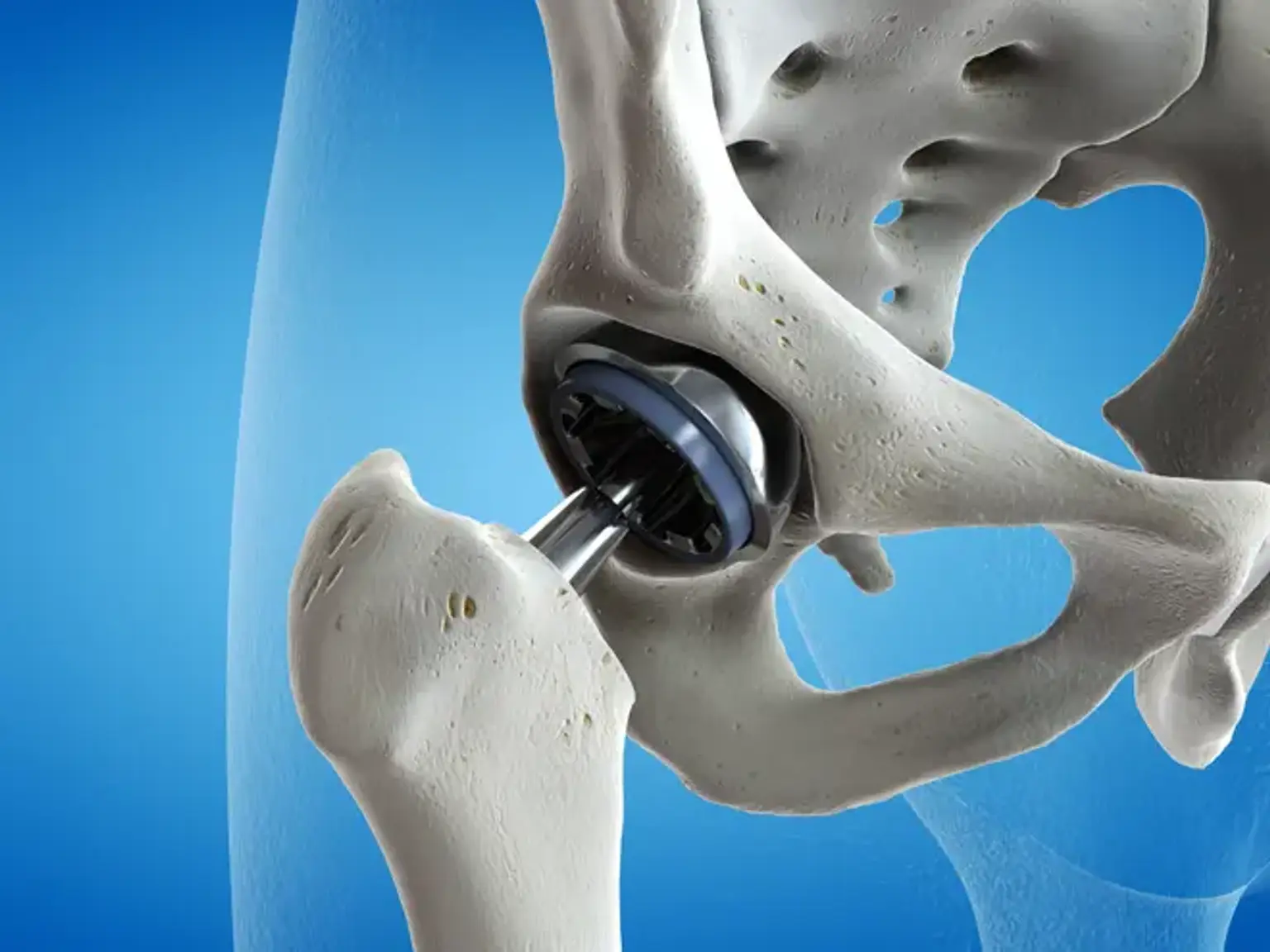
The surgery typically uses metal, ceramic, or plastic materials for the implants, chosen based on the patient’s unique needs. Unlike full joint replacement, where the entire joint is removed and replaced, joint resurfacing leaves most of the bone intact. This is particularly beneficial for younger patients, who may face the need for future surgeries if they opt for a complete replacement. Resurfacing offers a more bone-conserving solution, promoting better long-term outcomes.
The Science Behind Joint Resurfacing: How It Works
The primary goal of joint resurfacing is to restore the smooth, functional surface of the joint, allowing it to move with minimal friction and pain. In the case of hip resurfacing, for example, the damaged ball of the femur is shaved and covered with a metal cap, while the socket of the hip joint is lined with a durable metal or ceramic cup. In knee resurfacing, the damaged parts of the knee are resurfaced with implants that help restore smooth movement.
One of the advantages of this procedure is the focus on preserving the bone. By removing only the damaged cartilage and applying a new surface, joint resurfacing enables patients to keep more of their natural bone intact, which is crucial for long-term joint health. This preservation helps maintain a more natural range of motion and can improve the overall strength and stability of the joint.
Why Choose Joint Resurfacing Surgery Over Full Joint Replacement?
Joint resurfacing surgery presents several key advantages over full joint replacement, making it an appealing option for many patients, especially younger and more active individuals. Unlike full joint replacement, where the entire joint is removed and replaced, joint resurfacing preserves more of the patient's natural bone. This preservation is important because it allows for a more natural feeling in the joint and can lead to better long-term function.
Another major benefit is the faster recovery time. Because the surgery is less invasive and involves minimal bone removal, patients typically experience less post-surgical pain and can return to normal activities more quickly. Joint resurfacing is also an excellent option for people who want to avoid the risk of long-term complications, such as the wear and tear of artificial joints, which can necessitate a second surgery down the line.
For individuals with arthritis or other joint conditions, joint resurfacing offers a promising alternative to traditional joint replacement, providing pain relief and improved mobility while preserving the joint’s natural structure. Additionally, for patients who are younger and wish to maintain an active lifestyle, resurfacing provides the opportunity for long-term joint health without the need for a full replacement.
Benefits of Joint Resurfacing Surgery
Joint resurfacing surgery offers multiple advantages over traditional joint replacement. First, it preserves a larger portion of the patient's natural bone, especially beneficial for younger and more active individuals. This preservation helps maintain joint stability and mobility in the long term.
Patients typically experience significant pain relief and improved joint function, making it easier to return to daily activities. Another notable benefit is the quicker recovery time. Since the surgery is less invasive than full joint replacement, patients often recover faster and can resume normal movements with less discomfort. Additionally, the implants used in joint resurfacing tend to have a longer lifespan, reducing the need for revision surgeries.
Who Is a Candidate for Joint Resurfacing Surgery?
Joint resurfacing surgery is generally recommended for younger, active patients who still have good bone quality and less advanced arthritis. Ideal candidates are typically between the ages of 50 and 65, as older patients may experience issues with implant longevity. Those with severe bone loss, extensive joint damage, or conditions such as osteoporosis may not be suitable candidates. Patients who are highly active or athletes who want to return to their sport may also benefit, as resurfacing offers the potential for better outcomes than traditional joint replacement. It's important to have a thorough evaluation by a qualified orthopedic surgeon to determine if this procedure is appropriate based on individual health, activity levels, and joint condition.
Preparing for Joint Resurfacing Surgery
Preparation for joint resurfacing surgery begins with a comprehensive evaluation by an orthopedic surgeon, including imaging tests like X-rays and MRI scans to assess the damage to the joint. Blood tests and a physical exam are also essential to ensure that the patient is in good health for surgery. Depending on the patient’s age and medical history, the doctor may advise lifestyle changes or adjustments, such as losing weight or managing existing conditions like diabetes.
Patients should also be informed about the recovery process, including the need for physical therapy. In the weeks leading up to surgery, it's important to prepare your home for post-surgery care, making sure you have a comfortable recovery area, support for mobility, and any necessary medications.
The Surgical Process: What to Expect
The joint resurfacing procedure typically lasts between 1 to 2 hours, depending on the joint being treated. The surgery is performed under general anesthesia, and the surgeon makes a small incision to access the joint. For hip resurfacing, the surgeon removes the damaged cartilage and a thin layer of bone from the femoral head (the ball of the hip joint) and replaces it with a metal cap. The socket is also lined with a metal cup. In knee resurfacing, the damaged cartilage is removed, and the joint is resurfaced with a smooth prosthetic material. The surgery is minimally invasive, meaning smaller incisions and less tissue damage, leading to a faster recovery. After the procedure, the patient is typically moved to a recovery area where they will be monitored before being discharged.
Risks and Complications of Joint Resurfacing Surgery
While joint resurfacing is generally considered safe, like any surgery, it does carry some risks. The most common complications include infection, blood clots, and the potential for implant failure. One specific concern with metal-on-metal implants is the risk of metal ion release, which may lead to joint inflammation or other complications. There’s also a slight chance of dislocation or loosening of the prosthetic, especially in patients who do not follow proper post-surgical care. However, with advances in surgical techniques and careful patient selection, the risk of complications is low. It’s important for patients to follow their doctor’s advice, particularly regarding weight-bearing and physical activity after surgery.
Joint Resurfacing for Athletes: How It Helps
Joint resurfacing surgery is particularly beneficial for athletes or active individuals who want to maintain an active lifestyle without compromising joint health. Because the procedure preserves more of the bone compared to full joint replacement, it often results in a greater range of motion and allows athletes to return to sports sooner.
Many athletes who have undergone joint resurfacing report a significant reduction in pain and a faster return to activities such as running or weight-bearing exercises. However, high-impact sports are typically discouraged in the long term to avoid stressing the resurfaced joint. The procedure provides a balance between restoring function and maintaining durability for active lifestyles.
The Role of Cartilage in Joint Resurfacing Surgery
Cartilage plays a critical role in joint health, acting as a cushion between bones and allowing smooth, pain-free movement. In joint resurfacing surgery, the damaged cartilage is typically removed, and the underlying bone is reshaped and covered with a metal or ceramic surface. This resurfacing process helps restore the function of the joint, alleviating pain caused by cartilage degeneration. The new surface mimics the natural cartilage, providing a smooth gliding surface and reducing friction in the joint. By preserving more of the bone compared to total joint replacement, joint resurfacing offers better long-term outcomes in terms of joint mobility and stability.
The Longevity of Joint Resurfacing Implants
The longevity of joint resurfacing implants is a key concern for patients considering this surgery. Metal-on-metal implants, commonly used in hip resurfacing, have shown promising durability, with some lasting 15 to 20 years. However, the lifespan can vary depending on factors such as the patient’s age, activity level, and how well the joint heals. Unlike traditional joint replacements, which may require revision surgery sooner due to wear and tear, joint resurfacing generally preserves bone structure, reducing the need for future surgeries. Regular check-ups and monitoring can help detect any early signs of wear or complications, ensuring that the implant continues to function properly for years.
Cost of Joint Resurfacing Surgery Worldwide
The cost of joint resurfacing surgery varies significantly depending on the location, healthcare provider, and type of implant used. In countries like the United States, the surgery can range from $20,000 to $40,000, while in other countries like India or Mexico, costs can be lower, sometimes as little as $8,000 to $15,000. Insurance coverage for joint resurfacing varies by provider and policy, but it’s typically more common for younger patients or those without severe joint damage. Patients are advised to check with their insurance companies to understand what is covered. While the initial cost may be higher than traditional joint replacement, the longer lifespan of the implant can make it a more cost-effective option in the long run.
Joint Resurfacing Recovery: What to Expect
Recovery from joint resurfacing surgery is typically faster than traditional joint replacement. Most patients can bear weight on the affected joint within days to weeks, although the full recovery period can take several months. Pain management is crucial in the first few weeks, with doctors prescribing medication and recommending physical therapy.
Early rehabilitation focuses on restoring range of motion and strengthening the muscles around the joint. Patients are encouraged to avoid high-impact activities during the initial recovery period to ensure the implant heals properly. Full recovery allows many patients to return to normal activities, including walking, driving, and even some sports, though heavy physical exertion may be limited.
Global Popularity of Joint Resurfacing Surgery
Joint resurfacing surgery is gaining popularity worldwide as an effective alternative to traditional joint replacement. In countries such as the United Kingdom, Australia, and the United States, the procedure is becoming more widely accepted, especially among younger patients and those seeking to maintain an active lifestyle. Surgeons are increasingly using advanced technology and techniques to improve the accuracy and safety of the surgery, making it a viable option for many people. As awareness of joint resurfacing grows, more patients are opting for it as a way to reduce pain, maintain mobility, and avoid the need for full joint replacement, especially in the early stages of arthritis.
What to Expect Before Joint Resurfacing Surgery
Before undergoing joint resurfacing surgery, patients will undergo a series of pre-surgical evaluations to ensure they are suitable candidates. These assessments typically include imaging tests (such as X-rays or MRIs) to determine the extent of joint damage, along with blood tests and a physical examination. The surgeon will discuss the procedure, potential risks, and recovery expectations. Patients will also be instructed on how to prepare for the surgery, including fasting for a certain period and discontinuing certain medications. It’s important for patients to ask any questions they may have about the procedure and ensure they are comfortable with the process. Clear communication with the surgical team helps to reduce anxiety and ensures the best possible outcome.
Choosing the Right Surgeon for Joint Resurfacing Surgery
Selecting a qualified and experienced surgeon is critical for the success of joint resurfacing surgery. It's essential to choose a surgeon who is skilled in both the procedure and the use of advanced technology involved in resurfacing techniques. Surgeons with specialized training in joint resurfacing can offer a better understanding of the nuances of the procedure, ensuring optimal outcomes.
Before deciding on a surgeon, patients should ask about their experience, the types of implants they use, and their track record with joint resurfacing surgeries. Additionally, reviewing patient testimonials and discussing the surgery in detail with the surgeon can help provide peace of mind and clarity about the process.
Patient Testimonials: Real-Life Experiences
Many patients who have undergone joint resurfacing surgery report high levels of satisfaction with their outcomes. Most note significant pain relief, enhanced mobility, and a quicker return to daily activities compared to traditional joint replacement. For example, some patients have shared that they were able to return to sports or physical activities that they thought they would never participate in again. However, results can vary, and success often depends on individual factors such as age, overall health, and adherence to post-surgical care. Listening to real-life experiences can help prospective patients gain a better understanding of the procedure’s potential benefits and challenges.
Frequently Asked Questions (FAQs) About Joint Resurfacing Surgery
Q: What is the difference between joint resurfacing and joint replacement?
A: Joint resurfacing involves reshaping and covering the damaged bone with a prosthetic surface, whereas joint replacement involves removing the entire joint and replacing it with an artificial one. Resurfacing preserves more natural bone, offering better mobility and a quicker recovery.
Q: Am I a good candidate for joint resurfacing?
A: Ideal candidates are younger, active individuals with moderate arthritis or joint damage. Your surgeon will evaluate your overall health, joint condition, and activity level to determine if joint resurfacing is appropriate.
Q: How long does the recovery take?
A: Most patients can bear weight within a few days to weeks, but full recovery can take several months. Physical therapy is crucial during the recovery period to restore strength and mobility.
Q: Can joint resurfacing fail?
A: Like any surgical procedure, joint resurfacing can fail due to complications like infection, implant wear, or loosening of the prosthetic. However, these risks are relatively low with proper care.
Conclusion
Joint resurfacing surgery has emerged as a promising solution for individuals suffering from joint pain, especially in the hip and knee. It offers significant benefits over traditional joint replacement, including quicker recovery times, preservation of bone, and better outcomes for younger, active patients. While there are risks associated with the surgery, these are generally minimal with proper planning and aftercare. By choosing an experienced surgeon, following pre- and post-surgical guidelines, and maintaining realistic expectations, patients can achieve long-lasting pain relief and a return to a more active lifestyle. As the popularity of this procedure continues to grow globally, joint resurfacing is becoming an increasingly important option for those looking to restore joint function and improve their quality of life.