Introduction
Knee ligament injuries are common, especially in sports or accidents that involve sudden movements. The knee contains four main ligaments—the ACL, PCL, MCL, and LCL—that help stabilize and support the joint. When one or more of these ligaments tear or become overstretched, it can result in pain, instability, and difficulty walking or participating in activities. Repairing these ligaments is crucial to restore knee function and prevent further complications. Prompt treatment can help avoid long-term damage and improve the quality of life.
Understanding the Knee Ligaments
The knee joint is held together by four ligaments:
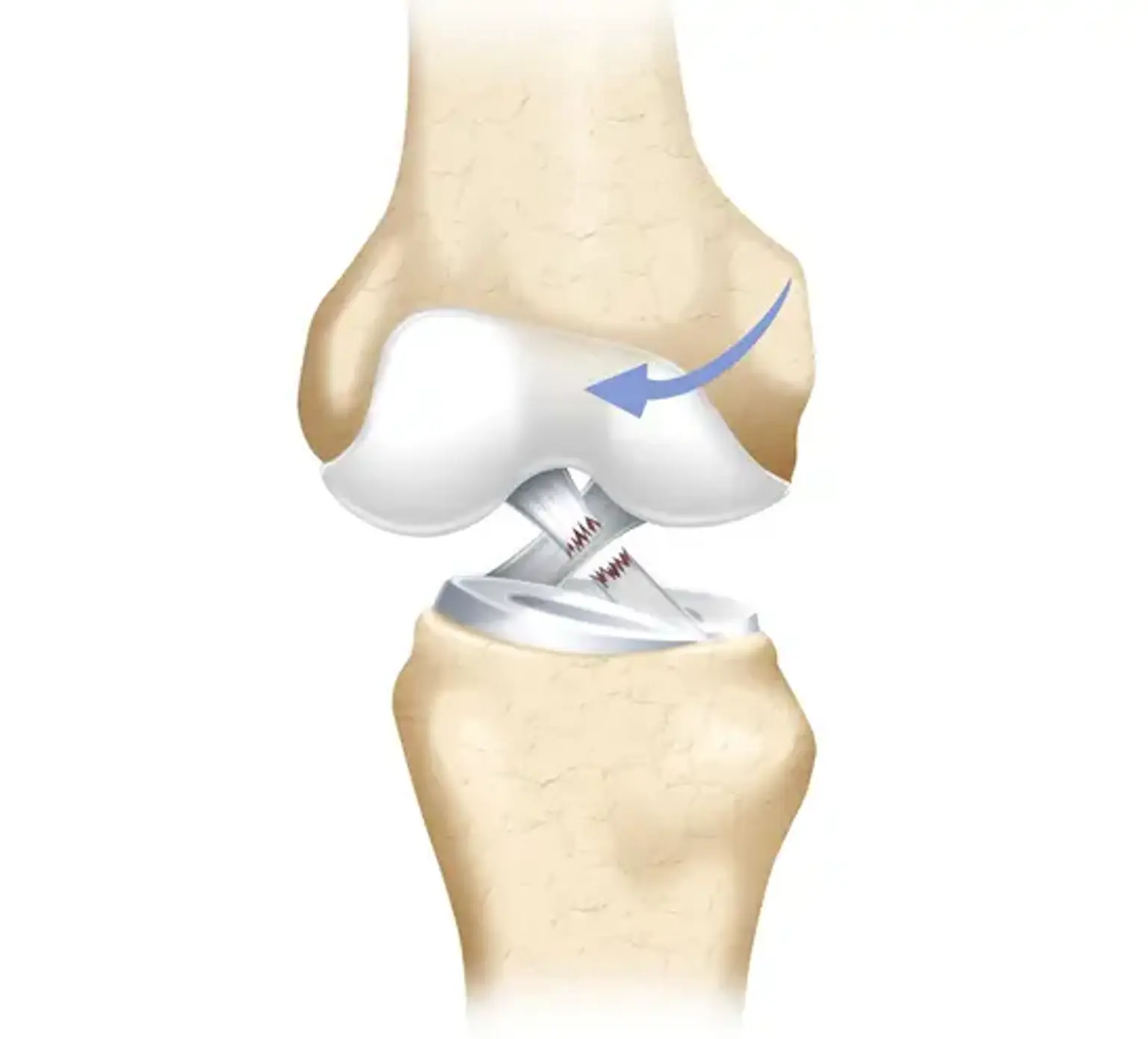
Anterior Cruciate Ligament (ACL): Prevents the tibia from sliding too far forward and provides stability during cutting and pivoting movements.
Posterior Cruciate Ligament (PCL): Keeps the tibia from sliding backward and is important during activities like running or jumping.
Medial Collateral Ligament (MCL): Stabilizes the inner part of the knee and resists excessive inward motion.
Lateral Collateral Ligament (LCL): Prevents the knee from buckling outward and helps with balance during side movements.
Each ligament has its own function, and injuries to any one of them can severely affect knee mobility.
Symptoms of Knee Ligament Injuries
Knee ligament injuries can cause a range of symptoms, depending on the severity of the tear. Common signs include:
Pain: Often immediate and sharp, worsening with movement.
Swelling: Swelling around the knee is a common response to ligament damage.
Instability: Difficulty standing or walking, or a feeling of the knee "giving out" during certain movements.
Bruising: May appear in the area of injury.
Limited range of motion: The knee may feel stiff or difficult to bend.
Symptoms like these are a clear indication that medical attention is needed. If left untreated, knee ligament injuries can lead to chronic instability and long-term damage.
Causes and Risk Factors for Knee Ligament Injuries
Knee ligament injuries are often caused by high-impact activities, including sports like football, soccer, basketball, and skiing. The most common types of knee ligament injuries occur during sudden stops, pivots, or twisting motions.
Some common risk factors include:
Age: Older individuals may experience weaker ligaments that are more prone to injury.
Sports participation: Athletes, especially those in contact sports, are more likely to suffer ligament injuries.
Previous injuries: A history of knee issues increases the likelihood of future injuries.
Other factors, such as the use of improper footwear, weak thigh muscles, or lack of proper warm-up before activity, can also contribute to knee ligament injuries.
Diagnostic Methods for Knee Ligament Injuries
Accurate diagnosis is essential to determine the severity and type of knee ligament injury.
Physical Examination: A doctor will perform a series of tests, such as the Lachman test or pivot shift test, to check the stability and movement of the knee.
Imaging Tests:
X-rays are used to rule out bone fractures or dislocations, though they cannot detect soft tissue damage like ligament tears.
MRI (Magnetic Resonance Imaging): The most effective imaging method for identifying ligament tears, as it provides detailed images of the soft tissues.
Ultrasound: Sometimes used to assess the knee in real time, particularly for MCL injuries.
An accurate diagnosis helps the physician decide whether surgery is needed or if non-surgical treatments will suffice.
Non-Surgical Treatment for Knee Ligament Injuries
Not all knee ligament injuries require surgery. Mild to moderate tears may heal with conservative treatments, including:
Rest, Ice, Compression, and Elevation (RICE): This is the first line of defense for managing pain and swelling.
Bracing: A knee brace can help stabilize the knee and prevent further injury during recovery.
Physical Therapy: Exercises that strengthen the muscles around the knee, improve flexibility, and promote healing are essential.
Medication: Over-the-counter pain relievers like ibuprofen can reduce swelling and alleviate pain.
Non-surgical treatments are often sufficient for partial tears or injuries to the MCL. However, more severe injuries may still require surgery.
Surgical Treatments for Knee Ligament Injuries
Surgery is typically recommended for severe ligament tears, particularly for ACL or PCL injuries. The goal of surgery is to restore the knee's stability and function.
Knee Ligament Reconstruction: This involves replacing the damaged ligament with a graft, which may be harvested from the patient’s own body (autograft) or from a donor (allograft).
Arthroscopic Surgery: A minimally invasive technique using small incisions and a camera (arthroscope) to repair the ligament, which helps reduce recovery time and complications.
Open Surgery: Used for more complex cases where arthroscopic techniques are insufficient.
The type of surgery performed depends on the injured ligament and the patient’s overall health.
ACL Repair: Procedure and Benefits
The anterior cruciate ligament (ACL) is one of the most commonly injured ligaments in the knee, especially among athletes. ACL injuries typically occur during sports activities that involve sudden stops, jumping, or changes in direction.
Procedure:
The damaged ACL is removed and replaced with a graft. The graft is usually taken from the patient’s patellar tendon, hamstring tendon, or quadriceps tendon, or it can come from a donor.
The surgeon will secure the graft to the tibia and femur using screws or other fixation devices.
Benefits:
ACL repair helps restore knee stability, allowing individuals to return to high-impact sports and physical activities.
Proper rehabilitation after surgery helps rebuild muscle strength, improving overall knee function.
Though ACL repair is highly successful, the recovery process is lengthy and requires significant rehabilitation.
PCL Repair: Procedure and Challenges
The posterior cruciate ligament (PCL) is less commonly injured than the ACL but is crucial for stabilizing the knee, particularly when preventing the tibia from sliding backward.
Procedure:
PCL reconstruction typically involves removing the damaged ligament and replacing it with a graft, similar to ACL surgery.
The graft can be taken from the patient's own tissue or from a donor. Surgeons usually use an arthroscopic approach, making small incisions for minimal disruption to the surrounding tissues.
Challenges:
PCL repair tends to be more challenging than ACL surgery due to the ligament's location at the back of the knee.
A more precise surgical technique is required, and recovery may take longer, especially for athletes.
Due to the complex nature of PCL injuries, successful recovery requires careful attention to rehabilitation and post-surgical care.
While PCL repair has a high success rate, the recovery period can be demanding, often requiring 9 to 12 months to return to full activity.
MCL and LCL Repair: Techniques and Recovery
Injuries to the medial collateral ligament (MCL) and lateral collateral ligament (LCL) typically occur due to trauma from an external force, such as a hit to the knee in sports or a fall.
Procedure:
MCL Repair: If the ligament is only partially torn, physical therapy and bracing may suffice. However, for complete tears, surgery may be necessary. MCL repair involves stitching the torn ligament or using a graft to restore function.
LCL Repair: LCL injuries are less common but may require similar surgical approaches to the MCL, including grafting or ligament reconstruction, particularly for severe tears.
Recovery:
Recovery for MCL and LCL repair can vary, but patients generally return to light activity within 3 to 6 months and full activity after 6 to 9 months, depending on the injury's severity and the treatment approach.
A key part of recovery involves physical therapy to strengthen the knee and prevent stiffness.
Both MCL and LCL surgeries generally have high success rates, and most patients experience a full return to daily activities with proper rehabilitation.
Choosing the Right Surgical Approach for Your Injury
The decision to undergo knee ligament surgery is influenced by several factors, including the type of ligament injured, the severity of the tear, the patient’s age, and activity level.
ACL vs. PCL Surgery: While both require ligament reconstruction, PCL injuries may require more complex procedures due to the ligament's anatomical position and role in knee stability.
MCL and LCL Surgery: MCL and LCL injuries can often be treated without surgery, especially if the damage is mild to moderate. Surgery may be necessary for severe tears or if the ligament fails to heal with conservative treatment.
Patient Factors: Younger, more active individuals who wish to return to sports are more likely to require surgery. Older patients or those with less strenuous activity levels may be able to manage with physical therapy and bracing.
Surgeon’s Expertise: The success of knee ligament repair also depends on the surgeon's experience and familiarity with the specific techniques for each type of injury. Arthroscopic methods, when performed by skilled surgeons, generally offer quicker recovery and fewer complications.
Ultimately, the surgeon will tailor the treatment to the patient’s specific needs, considering both the injury's nature and the patient’s lifestyle.
Risks and Complications of Knee Ligament Surgery
As with any surgical procedure, knee ligament repair carries certain risks and potential complications:
Infection: Though rare, any surgery can introduce infection.
Blood Clots: Post-surgical blood clots are a risk, especially in the legs.
Knee Stiffness: Scar tissue may form, limiting the range of motion if rehabilitation isn’t followed strictly.
Graft Failure: In some cases, the graft may fail to heal properly or tear again, requiring further surgery.
Nerve or Blood Vessel Damage: The delicate nature of knee surgery can sometimes lead to unintentional injury to nearby nerves or blood vessels.
Choosing a highly skilled surgeon minimizes these risks and ensures better recovery outcomes.
Post-Surgery Recovery Timeline
The recovery timeline after knee ligament surgery varies depending on the type of surgery and individual factors. However, there are general phases that most patients go through:
First Few Weeks (Immediate Post-Op):
Focus is on controlling pain and swelling, usually through rest, ice, compression, and elevation (RICE).
The patient may be required to wear a brace or use crutches to limit movement.
Physical therapy will start with gentle exercises to maintain range of motion and prevent stiffness.
1 to 3 Months (Early Rehabilitation):
Physical therapy intensifies with strength-building exercises for the muscles surrounding the knee.
Weight-bearing activities are gradually introduced, and walking without crutches becomes possible.
Pain and swelling should significantly reduce by this stage.
3 to 6 Months (Advanced Rehabilitation):
Patients begin more strenuous exercises to restore full function, including stability and agility drills.
Most individuals can resume light daily activities, such as walking or cycling, at this point.
6 to 12 Months (Return to Sport):
Full recovery typically takes between 9 to 12 months, with athletes returning to sports and high-impact activities around this time.
Continued physical therapy is essential to ensure the knee remains stable and strong.
Each patient’s recovery process is unique, and sticking to the prescribed rehabilitation program is crucial for optimal results.
Rehabilitation After Knee Ligament Surgery
Rehabilitation is essential for restoring strength, stability, and range of motion after surgery. The process typically follows these stages:
Early Rehabilitation (0-6 weeks): Focus on gentle exercises, ice, and elevation to manage swelling and pain.
Strengthening Phase (6-12 weeks): Increase strength with resistance exercises to rebuild muscle and support the knee.
Return to Activity (3-6 months): Begin agility and functional exercises; most people can resume light activities during this phase.
Advanced Rehabilitation (6-12 months): Final phase includes sport-specific drills and return to competitive activities or intense exercise.
Following the rehabilitation plan closely is critical to a successful recovery.
The Role of Knee Ligament Surgery in Quality of Life
Knee ligament injury repair plays a crucial role in improving a person’s overall quality of life. It helps restore mobility, reduces pain, and allows individuals to return to daily activities and sports. For athletes, it can mean getting back to the field, while for others, it can mean walking without discomfort.
Moreover, successful surgery can help prevent long-term complications like osteoarthritis by stabilizing the knee. Improved stability and function allow people to live more active, fulfilling lives, which can have a positive impact on their physical and emotional well-being.
Preventing Future Knee Ligament Injuries
While it's impossible to fully prevent knee ligament injuries, there are strategies to reduce the risk:
Strength Training: Strong muscles around the knee, especially the quadriceps and hamstrings, provide stability and reduce strain on ligaments.
Proper Technique: In sports, using the correct movement techniques (e.g., landing properly after a jump) can minimize injury risk.
Warm-Up and Stretching: Always warm up before physical activity to prepare the ligaments for movement and prevent overstretching.
Protective Gear: In high-risk sports, using knee braces or other protective equipment can help stabilize the knee.
By adopting these practices, athletes and active individuals can decrease the likelihood of reinjuring the knee.
Psychological Impact of Knee Ligament Injuries
Knee ligament injuries can have a significant psychological impact, especially for athletes or individuals who are highly active. The recovery process, long rehabilitation timelines, and the fear of re-injury can lead to feelings of frustration, anxiety, or depression.
Emotional Strain: Patients may experience a sense of isolation or helplessness, especially if they are unable to engage in their usual activities.
Fear of Re-injury: Athletes often worry about the risk of re-injury, which can delay their return to sports or increase stress during rehabilitation.
Coping Strategies: Psychological support, including counseling or support groups, can be invaluable. Practicing mental resilience techniques, such as visualization and goal setting, can also aid in the recovery process.
Addressing the emotional and mental aspects of recovery is just as important as the physical healing.
Cost Considerations for Knee Ligament Surgery
Knee ligament repair surgery can be expensive, especially if surgery is required and rehabilitation is long-term. The cost includes:
Surgical Fees: The cost of the surgery itself, including the surgeon's fee, hospital or clinic charges, and anesthesia.
Post-Operative Care: This includes follow-up consultations and any necessary physical therapy sessions.
Rehabilitation Costs: Physical therapy is an essential part of recovery and may be covered by insurance, depending on the plan. However, some patients may need to pay out-of-pocket for extended sessions.
Insurance coverage varies widely, so it’s important to understand the financial implications before deciding on surgery. Some may choose to explore financing options or payment plans offered by medical providers.
Advances in Knee Ligament Repair Technology
The field of knee ligament surgery has seen remarkable advances in recent years, improving both the outcomes and recovery times for patients:
Minimally Invasive Techniques: Newer arthroscopic techniques allow for smaller incisions and faster healing. This reduces the risk of infection and scarring.
Graft Materials: Advances in tissue engineering and biological grafts have enhanced the success rate of ligament reconstruction. These materials offer better integration and lower rejection rates.
Robotic-Assisted Surgery: Robotic systems are now being used to assist with precise graft placement, improving accuracy during surgery.
Regenerative Medicine: Techniques such as stem cell therapy and platelet-rich plasma (PRP) injections are being explored to promote faster healing and reduce the need for full reconstruction in some cases.
These innovations are helping reduce recovery times, improve surgical precision, and offer new alternatives to traditional methods.
Conclusion
Knee ligament injury repair is a vital procedure for restoring stability, mobility, and quality of life. Whether through conservative methods like physical therapy or through surgical intervention, the goal is always to return the patient to their normal activities as safely and quickly as possible.
Long-Term Benefits: While recovery may be lengthy, the long-term benefits of surgery and rehabilitation are substantial, offering individuals the opportunity to regain full function and avoid complications.
Personalized Treatment: It’s essential for patients to work closely with their healthcare providers to choose the best treatment plan based on the nature of their injury, lifestyle, and recovery goals.
With the right care and rehabilitation, knee ligament repair can help individuals regain strength, confidence, and the ability to participate in the activities they love.