Introduction
Knee osteotomy, or knee realignment surgery, is a procedure designed to treat knee pain caused by misalignment or arthritis. By reshaping the bones in the knee joint, osteotomy redistributes weight across the joint, which can relieve pain and improve function. This surgery is particularly beneficial for younger, active patients who want to avoid or delay a total knee replacement.
Unlike knee replacement, which removes and replaces the joint, osteotomy works by modifying the bones to restore alignment, making it an ideal option for patients who have knee arthritis limited to one side of the joint. This procedure helps preserve the knee’s natural structure and function, promoting better long-term mobility.
What is Knee Osteotomy?
Knee osteotomy is a surgical procedure that involves cutting and reshaping the bones around the knee joint, usually the tibia (shinbone) or femur (thighbone), to correct misalignment. The two main types of knee osteotomy are:
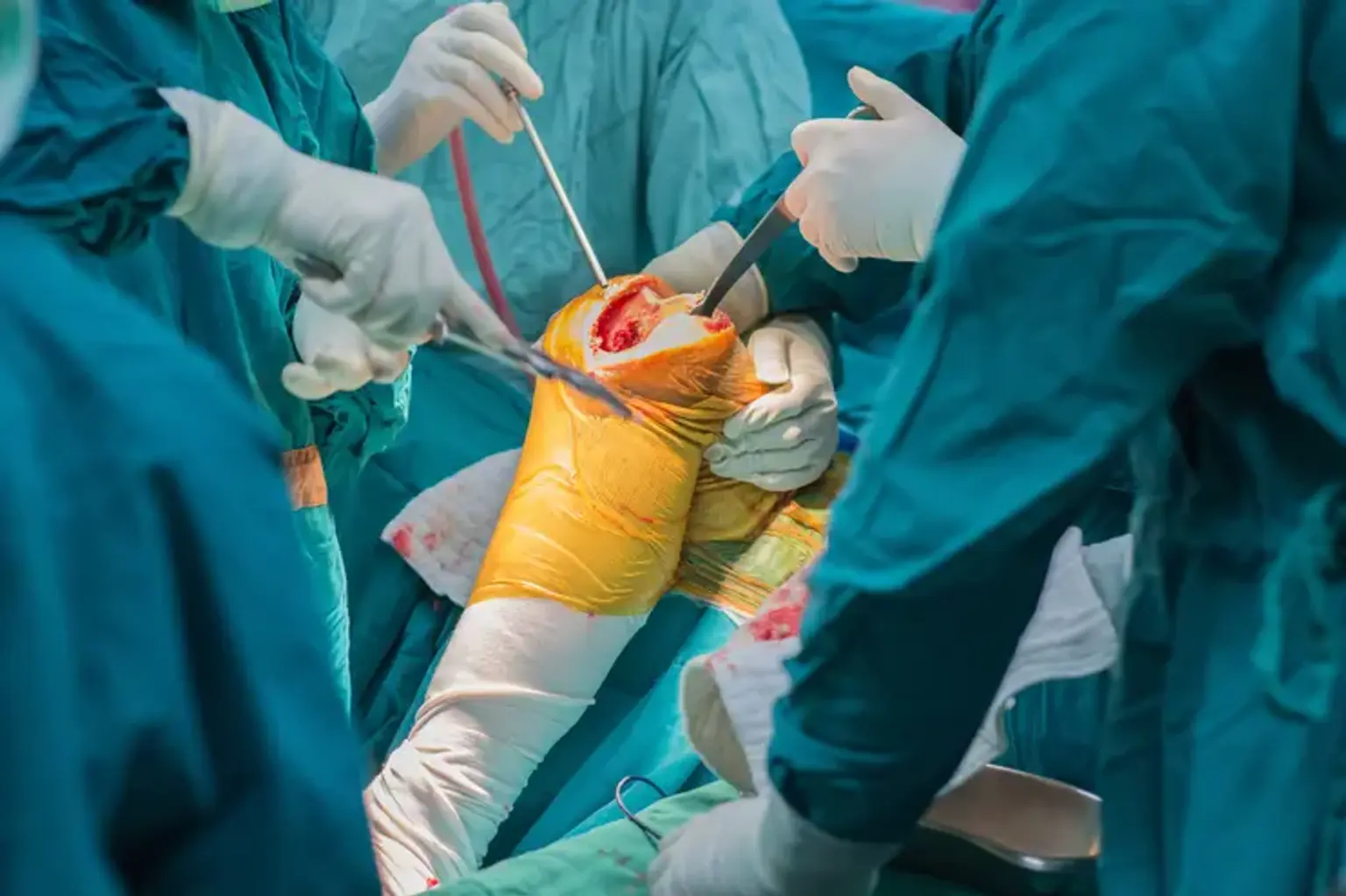
High Tibial Osteotomy (HTO): This procedure focuses on the tibia to treat a bow-legged (varus) deformity, where the knee is angled outward.
Distal Femoral Osteotomy (DFO): This is performed on the femur to correct a knock-knee (valgus) deformity, where the knees angle inward.
Both procedures aim to shift weight away from the damaged or arthritic part of the knee, reducing pain and improving functionality. Osteotomy is often recommended for people who are younger, more active, and wish to delay or avoid the need for total knee replacement.
Indications for Knee Osteotomy
Knee osteotomy is primarily used to treat two major conditions:
Unilateral Knee Arthritis: In cases where arthritis affects just one side (medial or lateral) of the knee joint, osteotomy can help alleviate pain and redistribute the weight across the joint, preserving the cartilage and delaying further joint deterioration.
Knee Malalignment: Individuals with deformities such as:
Bow-legged (Varus) Deformity: Where the knees point outward, causing uneven weight distribution across the knee.
Knock-kneed (Valgus) Deformity: Where the knees point inward, leading to similar uneven load distribution.
In both cases, knee osteotomy corrects the misalignment, relieving pressure on the damaged areas, reducing pain, and improving the knee’s overall function.
Why Choose Knee Realignment Surgery?
Knee osteotomy is an effective solution for individuals suffering from knee pain due to misalignment, especially when arthritis is confined to one side of the knee. This surgery is most suitable for:
Active patients under 60: Young adults or middle-aged individuals who wish to remain physically active.
Unilateral knee arthritis: Arthritis affecting one side of the knee joint, particularly in cases of bow-legged or knock-knee deformities.
Preventing or delaying knee replacement: Osteotomy can help patients avoid the need for full knee replacement for several years, providing a chance to preserve knee function and quality of life.
The procedure can also provide significant pain relief and improve the overall stability of the knee, allowing patients to return to low-impact activities like walking, cycling, or swimming.
Types of Knee Osteotomy
There are two primary types of knee osteotomy, each tailored to address different knee deformities:
High Tibial Osteotomy (HTO): This procedure targets the tibia (shinbone) to treat varus deformities (bow-legged knees). In this surgery, a section of the tibia is cut and repositioned to shift the weight from the damaged side of the knee to the healthier side. This helps to redistribute pressure and relieve pain, particularly in individuals with medial (inner) knee arthritis.
Distal Femoral Osteotomy (DFO): This procedure targets the femur (thighbone) to treat valgus deformities (knock-knees). By adjusting the alignment of the femur, weight distribution is shifted, reducing pressure on the outer part of the knee joint. This surgery is often used for patients with lateral (outer) knee arthritis.
Both types of osteotomy aim to improve knee function and prevent or delay the need for total knee replacement. The choice of procedure depends on the location of the deformity and the patient’s specific condition.
How is Knee Osteotomy Performed?
Knee osteotomy is performed under general or regional anesthesia, and the procedure typically takes 1 to 2 hours. Here’s how it is done:
Pre-Surgical Assessment: Before surgery, imaging tests such as X-rays, MRIs, or CT scans are taken to assess the degree of misalignment, arthritis, and bone condition. This helps the surgeon determine the most appropriate type of osteotomy.
Surgical Procedure:
For a High Tibial Osteotomy (HTO), the surgeon makes an incision along the shin and cuts the tibia. The bone is then realigned and secured in place with screws or plates.
For a Distal Femoral Osteotomy (DFO), the surgeon makes an incision near the knee, cuts the femur, and adjusts its alignment before securing it with hardware.
Bone Fixation: Once the bones are realigned, they are secured using metal plates, screws, or sometimes staples. This ensures proper healing and stability during recovery.
Closing the Incision: After the surgery, the incision is closed with stitches or staples, and a sterile dressing is applied.
In some cases, minimally invasive techniques may be used, allowing for smaller incisions and potentially quicker recovery times.
Post-Operative Care and Immediate Recovery
After knee osteotomy surgery, the focus shifts to recovery and ensuring proper healing. Here's what to expect in the immediate post-operative period:
Hospital Stay:
Most patients stay in the hospital for 1 to 2 days after surgery, depending on the complexity of the procedure and how well you recover from anesthesia.
Pain management is a priority, and medications such as pain relievers or anti-inflammatory drugs will be prescribed to help manage discomfort.
Wound Care:
The surgical site will be bandaged, and the dressing will need to be changed regularly to prevent infection.
Stitches or staples will be removed after 10-14 days, depending on your recovery progress.
Mobility and Weight-Bearing:
Initially, you’ll be advised to limit weight-bearing on the operated knee. Crutches or a walker will be necessary to assist with walking.
A knee brace may be provided to help stabilize the knee during the early stages of recovery.
Blood Clot Prevention:
To prevent blood clots, you'll be encouraged to do gentle exercises to promote circulation. You may also be prescribed blood thinners for a short period post-surgery.
Pain Management:
While some discomfort is normal after surgery, your healthcare team will provide medications to keep pain under control.
Cold compresses or ice packs can be used to reduce swelling and inflammation.
Preparation for Knee Osteotomy Surgery
Proper preparation is crucial to ensure the success of the knee osteotomy surgery. Here’s what to expect before the procedure:
Medical Evaluation:
A thorough physical examination to assess your overall health, including any medical conditions such as diabetes or heart disease, that may affect the surgery.
Blood tests to check for infection risks or other concerns.
Imaging and Diagnosis: X-rays, MRIs, or CT scans will be taken to evaluate the severity of knee misalignment and arthritis. These images guide the surgeon in planning the surgery.
Anesthesia Consultation: You will meet with an anesthesiologist to discuss options for anesthesia (either general or regional), based on your medical history and preferences.
Pre-Surgical Instructions:
You may be asked to stop certain medications, like blood thinners, prior to surgery.
Fasting is typically required for a few hours before the procedure.
Arrangements for Post-Operative Care: Make sure to arrange for help at home during the early stages of recovery, as you’ll need assistance with daily activities like driving or preparing meals.
Physical Therapy and Rehabilitation
Physical therapy plays a vital role in the recovery process. After surgery, you’ll begin with gentle range-of-motion exercises to restore knee movement. Here’s what you can expect:
Early Stages: Focus on reducing swelling, restoring flexibility, and maintaining muscle strength, particularly the quadriceps and hamstrings.
Intermediate Stages: Strengthening exercises will intensify, and you’ll begin weight-bearing exercises under professional supervision.
Long-Term Goals: Full restoration of knee function, increasing stamina and mobility, and ensuring you can return to activities like walking, cycling, or low-impact exercises.
Regular PT is key to reducing stiffness, improving joint function, and promoting a smooth recovery.
Recovery Timeline After Knee Osteotomy
Recovery from knee osteotomy varies depending on the individual and the type of procedure performed, but generally follows these stages:
Initial Recovery (0-6 Weeks): During the first 2 weeks, the focus is on pain management and controlling swelling. You will need to limit weight-bearing and use crutches or a walker. A knee brace may be required for support.
Intermediate Recovery (6-12 Weeks): As the healing process continues, you’ll gradually begin weight-bearing activities, though with caution. Physical therapy (PT) will start to regain flexibility and muscle strength.
Full Recovery (6-12 Months): Full recovery can take several months, with most patients resuming normal daily activities within 6 months. High-impact sports or heavy lifting may be restricted for up to a year as the knee fully heals.
Risks and Complications of Knee Osteotomy
While knee osteotomy is generally safe, it carries potential risks and complications, including:
Infection: As with any surgery, there’s a risk of infection at the incision site.
Blood Clots: Deep vein thrombosis (DVT) can occur, particularly during the early stages of recovery.
Nonunion or Malunion: Sometimes, the bones may not heal properly or in the correct position, requiring further surgery.
Nerve or Blood Vessel Damage: Though rare, there’s a slight risk of damage to nerves or blood vessels in the surgical area.
Continued Pain: While many patients experience significant relief, some may still feel discomfort post-surgery.
Your surgeon will take steps to minimize these risks and monitor your recovery closely.
Who Is a Good Candidate for Knee Osteotomy?
Knee osteotomy is typically recommended for patients who:
Are Under 60: This procedure is most effective for younger, active individuals who want to preserve their knee joint and avoid a total knee replacement.
Have Unilateral Knee Arthritis: Osteotomy is ideal for those with arthritis that affects only one side of the knee joint, especially the inner (medial) or outer (lateral) compartment.
Are Physically Active: Candidates are usually those who wish to maintain an active lifestyle, including activities like walking, cycling, or swimming.
Have Knee Misalignment: Those with bow-legged (varus) or knock-kneed (valgus) deformities are suitable candidates, as osteotomy can realign the knee for better function and pain relief.
Patients with advanced arthritis, significant cartilage loss, or deformities affecting both sides of the knee may not be good candidates for this procedure and may need a knee replacement instead.
Long-Term Benefits of Knee Osteotomy
The long-term benefits of knee osteotomy are substantial for many patients:
Pain Relief: Osteotomy realigns the knee to redistribute weight, which often leads to a significant reduction in pain, particularly for those with one-sided knee arthritis.
Joint Preservation: By delaying the need for knee replacement, osteotomy helps preserve the natural knee joint for as long as possible.
Improved Function: Most patients experience better mobility and can return to low-impact activities, improving quality of life.
Delayed Knee Replacement: In many cases, osteotomy allows patients to delay full knee replacement by 10-20 years, depending on their condition and recovery.
Overall, knee osteotomy provides a significant improvement in knee function and helps many people maintain an active, pain-free lifestyle for years to come.
Cost of Knee Osteotomy
The cost of knee osteotomy varies depending on several factors, including:
Location: Surgery costs can differ based on the country or region.
Hospital or Surgical Center Fees: Private clinics may charge more for specialized care.
Surgeon’s Expertise: Highly experienced surgeons may charge higher fees, but their expertise can reduce complications and improve outcomes.
Insurance: Many insurance plans cover knee osteotomy, especially if the procedure is deemed medically necessary. It’s important to check with your insurance provider to understand coverage details.
In general, the procedure may cost between $10,000 and $20,000 in the United States, though this varies widely. Make sure to discuss payment plans, financing options, or insurance coverage with your surgeon or hospital ahead of time.
Alternatives to Knee Osteotomy
While knee osteotomy is an effective option for many, there are alternatives that might be considered depending on the patient's condition:
Physical Therapy: For mild knee pain or misalignment, physical therapy can strengthen muscles, improve knee function, and reduce discomfort.
Injections: Hyaluronic acid or corticosteroid injections may provide temporary pain relief and improve knee mobility in cases of mild arthritis.
Knee Braces: Some patients benefit from wearing knee braces that help realign the joint and distribute weight more evenly.
Knee Replacement: For patients with more advanced arthritis or severe knee deformity, total knee replacement may be the better long-term solution.
Each option comes with its own set of risks and benefits, so a thorough discussion with your orthopedic surgeon is essential to decide the best course of action.
The Importance of Post-Operative Care
Effective post-operative care is essential for recovery. Here’s what to expect:
Pain Management: Expect pain after surgery, but it will be managed with medication. Ice packs will help reduce swelling.
Monitoring for Complications: Watch for signs of infection or blood clots. Your healthcare team will monitor these risks closely.
Weight-Bearing Guidelines: Early on, you’ll be advised not to bear weight on the affected knee, using crutches or a walker instead.
Physical Therapy: As soon as it’s safe, physical therapy begins to restore strength and mobility.
Follow-Up Appointments: You'll need follow-up visits to check your recovery, remove stitches, and assess the alignment of the knee.
Proper post-operative care is essential for the best possible outcome.
Frequently Asked Questions (FAQs)
Q1: How long does recovery take after knee osteotomy?
A1: Recovery typically takes 6 to 12 months, with most patients resuming normal activities within 6 months. However, high-impact activities may be restricted for up to a year.
Q2: Will I need physical therapy after knee osteotomy?
A2: Yes, physical therapy is essential for a successful recovery. It helps restore strength, mobility, and flexibility to the knee joint.
Q3: Can I return to sports after knee osteotomy?
A3: Low-impact sports like swimming and cycling are usually encouraged, but high-impact sports (e.g., running, basketball) may need to be avoided for a year or more.
Q4: Is knee osteotomy a permanent solution?
A4: While knee osteotomy can significantly delay the need for knee replacement, its long-term success depends on factors like the patient’s age, activity level, and the severity of arthritis. Some patients may eventually need a knee replacement.
Q5: What are the risks associated with knee osteotomy?
A5: Risks include infection, blood clots, nonunion or malunion of bones, nerve damage, and persistent pain. Your surgeon will take steps to minimize these risks.
How to Prepare for Knee Osteotomy Surgery
Preparation is crucial for a smooth surgery and recovery. Here’s how to get ready:
Pre-Surgical Testing: Expect blood tests, X-rays, and possibly an MRI or CT scan to evaluate your knee alignment and arthritis severity.
Medications: Discontinue certain medications, like blood thinners, as advised by your doctor.
Physical Condition: Strengthening the muscles around your knee can improve outcomes, so pre-surgery physical therapy is often recommended.
Arrange Support: Plan for someone to help with daily tasks for the first few weeks post-surgery.
Anesthesia Consultation: Meet with the anesthesiologist to discuss options and address any concerns about anesthesia.
Following these steps helps ensure that you are fully prepared for the procedure and can recover quickly.
Lifestyle Adjustments Post-Osteotomy
After surgery, some lifestyle adjustments will aid recovery and long-term knee health:
Exercise Modifications: Low-impact activities, such as swimming and cycling, are encouraged. High-impact activities like running should be avoided until cleared by your doctor.
Diet and Nutrition: A balanced diet rich in calcium and vitamin D promotes bone healing. Consider avoiding foods that may increase inflammation.
Weight Management: Maintaining a healthy weight reduces stress on the knee, which can prolong the results of the osteotomy.
Knee Protection: Consider using knee braces or supports during physical activity to prevent strain on the joint.
Adopting these habits helps maintain the health of the knee and optimize your results post-surgery.
Conclusion
Knee osteotomy is an effective solution for individuals with knee misalignment and early-stage arthritis, offering significant pain relief and long-term joint preservation. By realigning the knee, this procedure can delay the need for knee replacement and improve mobility. Though recovery requires patience and dedication to physical therapy, most patients experience a substantial improvement in quality of life.
With advancements in surgical techniques and global adoption, knee osteotomy continues to be a valuable option for active individuals seeking to maintain an active lifestyle. Whether you’re struggling with knee pain or want to delay knee replacement, this surgery can be a life-changing solution.