Introduction
Laparoscopic fallopian tube removal, also known as tubectomy, is a minimally invasive surgery used to treat various gynecological conditions that affect the fallopian tubes. This procedure involves the removal of one or both fallopian tubes through small incisions in the abdomen, with the assistance of a camera and specialized surgical tools. Compared to traditional open surgery, laparoscopic surgery offers significant advantages, such as smaller scars, quicker recovery, and reduced risk of complications.
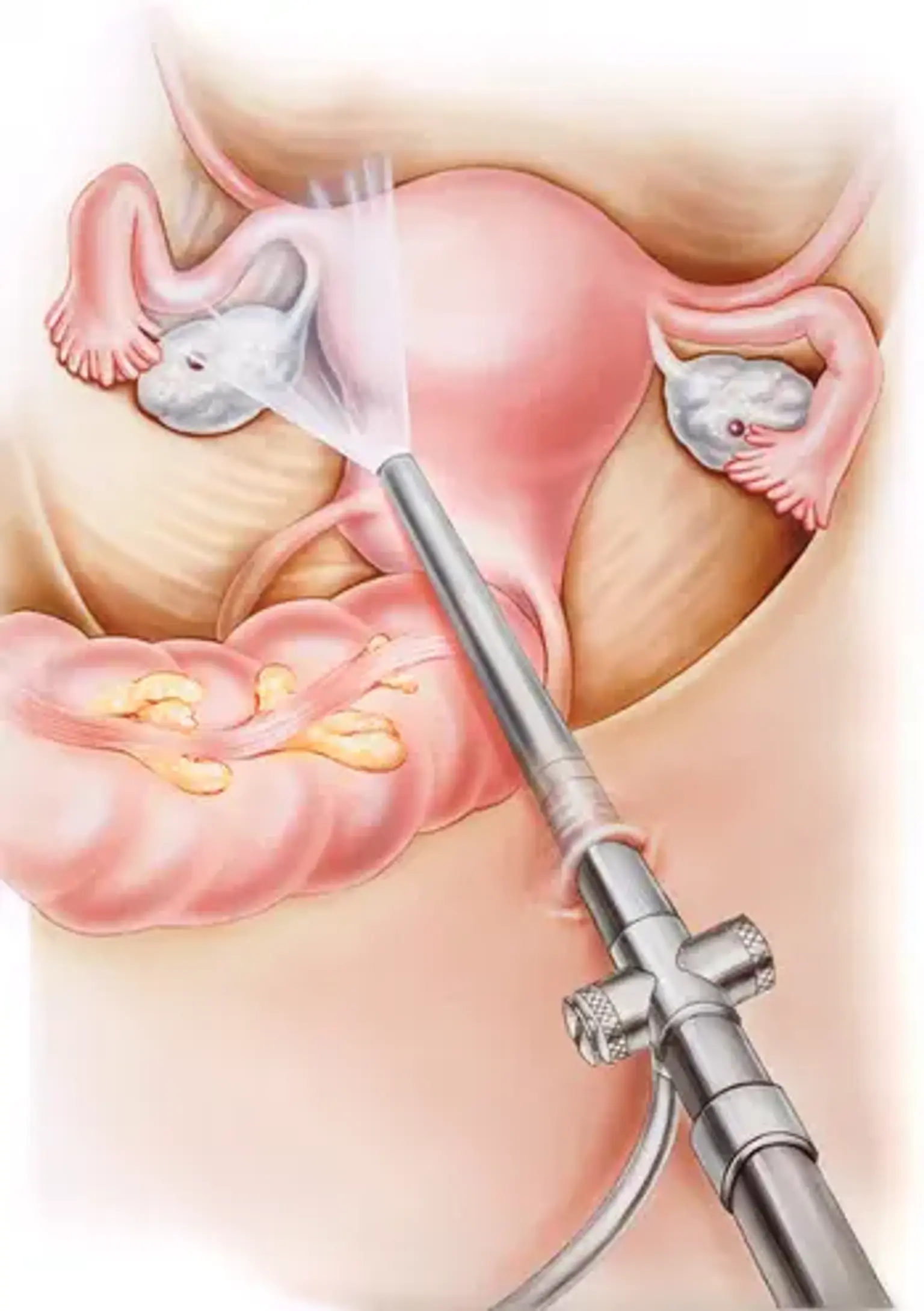
This surgery is commonly performed for women who suffer from conditions like infertility, chronic pelvic pain, ectopic pregnancy, or pelvic inflammatory disease (PID). In many cases, laparoscopic fallopian tube removal is a necessary step toward improving a woman’s health and quality of life, while also potentially enhancing fertility outcomes in certain cases.
What is Laparoscopy and How Does it Work?
Laparoscopy is a type of minimally invasive surgery that allows surgeons to perform complex procedures with just a few small incisions. A laparoscope, a thin tube with a light and camera at the end, is inserted into the body, giving the surgeon a clear view of the pelvic organs on a monitor. Using this technology, surgeons can precisely remove the fallopian tubes without the need for large incisions, reducing trauma to the body and speeding up recovery.
This technique is widely used for gynecological surgeries because it offers several benefits over traditional open surgery. The smaller incisions result in less bleeding, reduced scarring, and lower risks of infection. Recovery time is also significantly shorter, meaning patients can usually return to normal activities much sooner.
Indications for Fallopian Tube Removal
There are several medical conditions that may necessitate the removal of the fallopian tubes, either to treat disease or prevent further complications. Common reasons for fallopian tube removal include:
Pelvic Inflammatory Disease (PID): A severe infection of the reproductive organs that can lead to scarring and blockages in the fallopian tubes.
Endometriosis: A condition where tissue similar to the uterine lining grows outside the uterus, often affecting the fallopian tubes and causing pain and infertility.
Ectopic Pregnancy: When a fertilized egg implants outside the uterus, usually in a fallopian tube, which can be life-threatening and requires the removal of the affected tube.
Ovarian Cysts or Tumors: Large cysts or tumors in the ovaries that can impact the fallopian tubes and surrounding organs, leading to complications.
By removing the damaged fallopian tubes, laparoscopic surgery helps reduce the risk of further infections, relieve chronic pain, and in some cases, improve fertility.
Benefits of Laparoscopic Fallopian Tube Removal
Laparoscopic fallopian tube removal offers several advantages over traditional open surgery. One of the most significant benefits is its minimally invasive nature. With just a few small incisions, patients experience less trauma to the body, resulting in reduced bleeding and a lower risk of infection.
Additionally, recovery time is significantly faster. Most patients can return to normal activities within a week, compared to the longer recovery periods required after open surgery. The procedure also typically involves a shorter hospital stay, with many patients being discharged the same day.
For those suffering from chronic pelvic pain, infection, or infertility due to damaged fallopian tubes, this surgery can offer a significant improvement in quality of life.
The Procedure: What to Expect
Before undergoing laparoscopic fallopian tube removal, patients will have a thorough pre-surgical assessment. This typically includes a physical exam, blood tests, and imaging studies, such as ultrasounds or hysterosalpingograms (X-ray images of the fallopian tubes). These tests help assess the health of the fallopian tubes and surrounding organs, ensuring that the surgery is the right approach.
On the day of the surgery, the patient is put under general anesthesia, ensuring they are asleep and pain-free throughout the procedure. The surgeon will make a few small incisions, typically around the belly button, through which the laparoscope and other surgical instruments are inserted. The camera allows the surgeon to view the inside of the abdomen, guiding them to carefully remove the fallopian tubes or the affected sections.
The surgery typically takes about 1 to 2 hours, depending on the complexity of the case. Afterward, patients are monitored in a recovery area until they wake up from anesthesia. Most patients are able to go home the same day, though some may require an overnight stay in the hospital for observation.
The Impact of Fallopian Tube Removal on Fertility
One of the main concerns for women undergoing fallopian tube removal is the impact on fertility. Since the fallopian tubes are responsible for carrying eggs from the ovaries to the uterus, removing them usually means natural conception is no longer possible.
However, women who have had their tubes removed can still become pregnant with the help of assisted reproductive technologies like in-vitro fertilization (IVF). In IVF, eggs are retrieved directly from the ovaries and fertilized outside the body before being implanted in the uterus.
For women considering future pregnancies, it’s important to discuss fertility options with a doctor before undergoing the procedure. Egg or embryo freezing may also be considered for those who want to preserve their fertility.
Recovery Timeline After Fallopian Tube Removal
Recovery from laparoscopic fallopian tube removal is typically quick, but it varies depending on the individual and the extent of the surgery. Most patients are able to go home the same day or after a short overnight stay in the hospital. Pain is generally mild, with most women experiencing only discomfort that can be managed with over-the-counter medications.
For the first few days, patients should rest and avoid strenuous activities. Full recovery usually takes about 1 to 2 weeks, at which point most women can resume normal activities. It’s essential to attend follow-up appointments to ensure proper healing and to monitor for any complications.
Psychological and Emotional Impact of the Procedure
Undergoing any surgical procedure can have psychological and emotional effects, and fallopian tube removal is no exception. Many women experience feelings of loss, especially if the surgery is performed due to infertility or other reproductive health concerns. It’s important for patients to recognize that these feelings are normal and to seek support if needed.
Support from family, friends, and healthcare professionals can help women process these emotions. Some women may benefit from counseling or joining support groups where they can share experiences with others who have undergone similar procedures.
While the emotional impact can be significant, many women find that addressing the physical causes of pain or infertility improves their mental well-being in the long run. Removing damaged tubes can provide relief from chronic pain, improve quality of life, and help women move forward with a healthier reproductive system.
Post-Surgery Care and Follow-Up
Post-surgery care is crucial to ensure proper healing and prevent complications. After the procedure, it’s important to follow your surgeon’s instructions carefully. You may be prescribed pain medication to manage discomfort, though most patients find that over-the-counter pain relievers are sufficient.
For the first few days, avoid any heavy lifting or strenuous exercise. Patients are usually advised to rest and gradually resume their normal activities within 1 to 2 weeks. Keeping the surgical area clean and dry is essential to avoid infection.
Follow-up appointments are essential to monitor recovery. Your doctor will check for any signs of complications, such as infection or abnormal scarring, and make sure that you are healing properly. If you experience severe pain, fever, or unusual symptoms, it’s important to contact your healthcare provider immediately.
Risks and Potential Complications
While laparoscopic fallopian tube removal is generally safe, like any surgery, it carries some risks. These include infection, bleeding, or damage to nearby organs like the bladder or intestines. There’s also a small risk of blood clots or adverse reactions to anesthesia.
Specific risks related to fallopian tube removal may include hormonal changes, especially if both tubes are removed, potentially affecting fertility. Some women may experience early menopause, although this is rare if the ovaries remain intact. It’s essential to discuss potential risks with your surgeon before undergoing the procedure.
Cost of Laparoscopic Fallopian Tube Removal
The cost of laparoscopic fallopian tube removal can vary depending on factors like geographic location, hospital fees, and surgeon expertise. On average, the procedure can range from $5,000 to $15,000, but this can vary widely. Patients should check with their insurance providers to see if the procedure is covered under their plan, especially if it's medically necessary.
Many insurance companies cover laparoscopic surgery for conditions like PID, endometriosis, and ectopic pregnancy, but elective surgeries such as tubal removal for sterilization may not be fully covered. In some cases, financial assistance or payment plans may be available to help manage costs.
Preparing for Laparoscopic Fallopian Tube Removal
Proper preparation is key to ensuring the success of laparoscopic fallopian tube removal. Before the procedure, your doctor will likely request a few diagnostic tests, such as blood work, an ultrasound, or a hysterosalpingogram (HSG), to assess the health of your reproductive organs. These tests help to identify any underlying conditions that could affect the surgery or recovery process.
In the days leading up to the surgery, you may be asked to stop taking certain medications, such as blood thinners or hormonal treatments, as they can increase the risk of complications. It’s also important to avoid eating or drinking after midnight on the night before the surgery to reduce the risk of anesthesia complications.
Mentally preparing for the procedure is just as important. Take the time to talk with your healthcare provider about any concerns or questions you have, and make sure you have a support system in place for recovery.
How Laparoscopic Fallopian Tube Removal Affects Hormones
While laparoscopic fallopian tube removal primarily affects the fallopian tubes, it can also have an impact on a woman’s hormonal balance. If both fallopian tubes are removed, there’s no direct effect on the ovaries, as they are responsible for hormone production. However, the loss of the fallopian tubes can alter the way that hormones are regulated and affect a woman’s menstrual cycle.
In some cases, women may experience changes in their menstrual cycle or temporary hormonal fluctuations after the procedure. If both tubes are removed, the chance of pregnancy without assisted reproductive technologies, such as IVF, is eliminated. However, the ovaries will still continue to produce eggs and hormones, meaning women may continue to ovulate and menstruate, although fertility is impacted.
Alternatives to Fallopian Tube Removal
While fallopian tube removal may be necessary in some cases, it’s not the only option available for treating conditions like infertility or pelvic disease. Some alternatives to consider include:
Tubal Ligation Reversal: If only one fallopian tube is removed, or if the surgery was done for sterilization purposes, a tubal ligation reversal may be an option to restore fertility.
Non-Surgical Treatments: In cases of pelvic inflammatory disease or endometriosis, medications or hormonal therapies may help manage symptoms and preserve fertility without the need for surgery.
Fertility Preservation: Women concerned about their future fertility may opt for egg freezing or embryo freezing before undergoing any procedures that could affect their ability to conceive.
It’s important to discuss these options with your healthcare provider to determine the best course of action for your health and reproductive goals.
Long-Term Outlook and Quality of Life
For many women, laparoscopic fallopian tube removal can improve quality of life, especially for those suffering from chronic pain, recurrent ectopic pregnancies, or infertility. With damaged tubes removed, women often experience relief from pelvic discomfort and infections. This can make a significant difference in day-to-day living and overall well-being.
Even if the procedure affects fertility, advances in reproductive medicine, such as IVF, provide options for women who wish to have children. Many women go on to live fulfilling lives, and the surgery can help prevent future complications, such as infections or tubal pregnancies.
Overall, the long-term outlook after the procedure is positive for most women, as they can regain control of their health and move forward with a healthier reproductive system.
Emotional Support and Counseling
For women undergoing laparoscopic fallopian tube removal, especially those whose fertility may be impacted, emotional support is crucial. It’s normal to feel a range of emotions, including sadness, grief, or anxiety. This procedure, while beneficial for health, can also bring up concerns about fertility and future family planning.
Seeking professional counseling or therapy can be very helpful. Speaking with a therapist can provide emotional support and help women process any feelings of loss or uncertainty. Many women find it comforting to join support groups, where they can connect with others who are undergoing similar experiences.
Family and friends also play a vital role in supporting the emotional well-being of those undergoing surgery. Talking openly about fears and concerns can relieve some of the emotional burden, and knowing you have a strong support network can ease the recovery process.
Frequently Asked Questions (FAQs) About Laparoscopic Fallopian Tube Removal
How long is the recovery period after the procedure?
Recovery from laparoscopic fallopian tube removal typically takes about 1 to 2 weeks. Most women can return to work and resume normal activities after a week, though strenuous exercise should be avoided for a few weeks.
Can I still get pregnant after fallopian tube removal?
If both fallopian tubes are removed, natural conception is no longer possible. However, assisted reproductive technologies like IVF can help women conceive. Egg retrieval and fertilization outside the body are options for women who wish to have children.
Is laparoscopic surgery safe?
Laparoscopic surgery is generally safe and offers many benefits, including smaller incisions, less bleeding, and faster recovery. However, like all surgeries, it carries risks such as infection, bleeding, or injury to surrounding organs. Discussing these risks with your surgeon is important.
Will I experience menopause after the procedure?
Menopause is unlikely if the ovaries are left intact, as they continue to produce hormones. However, some women may experience temporary hormonal changes after the procedure, especially if both tubes are removed.
Is the procedure covered by insurance?
Many insurance providers cover laparoscopic fallopian tube removal if it’s medically necessary. It’s a good idea to check with your insurer beforehand to confirm coverage.
Success Rates and Outcomes
The success of laparoscopic fallopian tube removal depends on the underlying condition being treated, the patient’s overall health, and the surgeon’s expertise. For women with conditions like pelvic inflammatory disease (PID) or chronic ectopic pregnancies, removing the fallopian tubes often leads to significant improvement in symptoms, including relief from pain and the prevention of further complications.
For fertility outcomes, the surgery may cause permanent infertility if both tubes are removed, but assisted reproductive technologies like IVF can provide successful alternatives. Many women go on to have healthy pregnancies through IVF, and the procedure can restore reproductive health in cases where tubal disease or damage was a significant issue.
Preventing Future Reproductive Health Issues
While laparoscopic fallopian tube removal can solve immediate reproductive health problems, it’s essential to maintain good reproductive health going forward. Preventive measures include regular gynecological check-ups, practicing safe sex to avoid sexually transmitted infections (STIs), and maintaining a healthy lifestyle to reduce the risk of conditions like endometriosis and PID.
Women who have had their tubes removed should also be vigilant about monitoring their hormone levels, especially if they notice any changes in their menstrual cycle or experience unusual symptoms. Early intervention can prevent complications and improve overall well-being.
For women considering future pregnancy, discussing fertility options with a healthcare provider after surgery is essential. Many women successfully conceive using IVF or other fertility treatments, but the earlier these options are explored, the better the chances for success.
Conclusion
Laparoscopic fallopian tube removal is a valuable surgical option for women dealing with conditions like pelvic inflammatory disease, ectopic pregnancy, or tubal infertility. It offers several benefits, including reduced recovery time, less pain, and smaller incisions compared to traditional open surgery. However, it’s essential to understand the potential impact on fertility and hormone balance, especially if both tubes are removed.
If you are considering this surgery, it’s important to have an open conversation with your healthcare provider about your health concerns, fertility goals, and potential risks. Understanding all the options available, including assisted reproductive technologies, can help guide your decision.
With proper care and support, most women recover well from the surgery and can continue to lead healthy, fulfilling lives. Whether the surgery is performed for medical reasons or fertility preservation, it’s important to remember that it’s a step toward improving your overall health and quality of life.