Introduction
Laparoscopic fibroid removal surgery, also known as laparoscopic myomectomy, is a minimally invasive procedure designed to treat uterine fibroids. These non-cancerous growths develop in the uterus and can lead to various symptoms like heavy menstrual bleeding, pelvic pain, frequent urination, and even infertility.
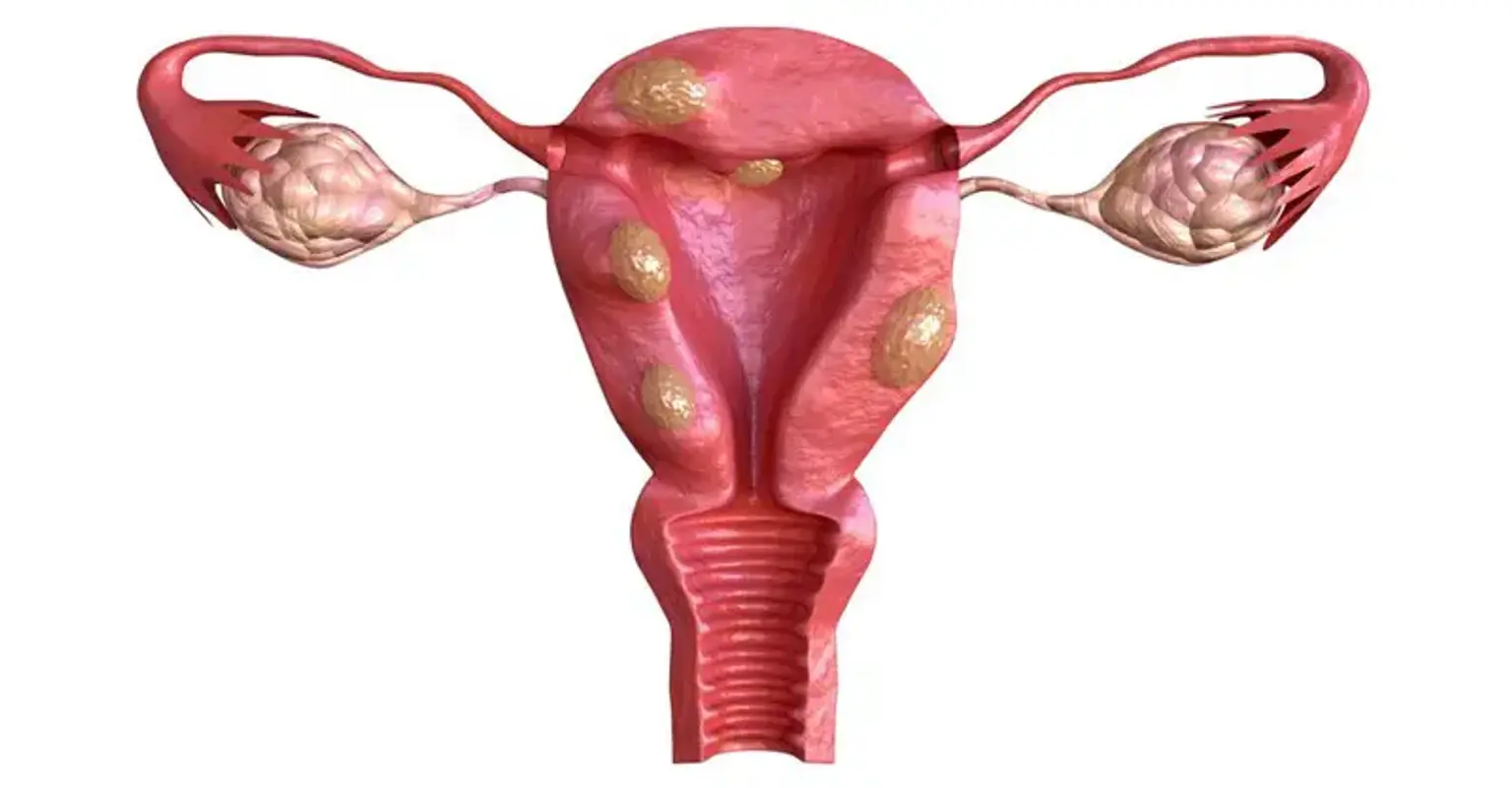
Unlike traditional open surgery, laparoscopic fibroid removal uses small incisions and a camera (laparoscope) to guide the surgeon in removing the fibroids. The procedure has gained popularity because it is less invasive, requires fewer stitches, and offers a quicker recovery compared to traditional surgery.
For women experiencing the discomfort or complications caused by fibroids, laparoscopic myomectomy presents an option that can preserve the uterus while improving quality of life. It’s a common treatment for women who want to avoid a hysterectomy (removal of the uterus) and still desire to retain fertility.
Understanding Uterine Fibroids
Uterine fibroids are abnormal growths of muscle and fibrous tissue that develop in the wall of the uterus. These benign tumors are quite common, with estimates suggesting that up to 70-80% of women may have fibroids by the age of 50. However, not all fibroids cause symptoms. Some women may have them without even knowing, while others can experience significant pain and discomfort.
Fibroids vary in size, ranging from as small as a pea to as large as a melon, and they can appear in different areas of the uterus. The most common types of fibroids include:
Submucosal Fibroids: Located just beneath the inner lining of the uterus, these fibroids are most likely to cause heavy bleeding or affect fertility.
Intramural Fibroids: Found within the muscular wall of the uterus, they can cause pain, heavy bleeding, or pressure on surrounding organs.
Subserosal Fibroids: These fibroids grow on the outer wall of the uterus, sometimes pressing on nearby organs like the bladder or rectum.
While many women with fibroids experience no symptoms, others may suffer from heavy menstrual bleeding, bloating, pelvic pain, or frequent urination. In some cases, fibroids can cause complications during pregnancy or lead to infertility. This is why fibroid removal is necessary for some women to improve their health and quality of life.
The Science Behind Laparoscopic Fibroid Removal
Laparoscopic fibroid removal uses small incisions and a laparoscope (a camera with light) to guide the surgeon in removing fibroids. The process involves general anesthesia, followed by small cuts in the abdomen. The laparoscope is inserted, allowing the surgeon to see the uterus on a screen and remove the fibroids using specialized instruments. This technique is much less invasive than traditional surgery, leading to faster recovery, reduced pain, and smaller scars.
Why Choose Laparoscopic Fibroid Removal?
Laparoscopic surgery offers several advantages:
Minimally invasive: Smaller incisions mean less pain, fewer complications, and quicker recovery.
Faster recovery: Most patients return to normal activities within 1-2 weeks, compared to 4-6 weeks with traditional surgery.
Preserves the uterus: Unlike a hysterectomy, laparoscopic myomectomy removes only the fibroids, keeping the uterus intact for future pregnancies.
Less risk of complications: Laparoscopic surgery reduces blood loss and infection risk.
Cosmetic benefits: Smaller incisions lead to less visible scarring.
Laparoscopic fibroid removal is an effective option for women seeking relief from fibroid symptoms without sacrificing fertility.
Patient Experience: What to Expect During the Procedure
Before the procedure, patients will meet with their surgeon for a detailed consultation, where they discuss medical history and any possible complications. The day of the surgery, the patient will be given general anesthesia, ensuring they remain asleep throughout the procedure.
The surgery itself typically lasts between 1-3 hours, depending on the number and size of the fibroids. During this time, the patient will feel no pain, as the anesthesia ensures complete comfort. Post-surgery, patients will be monitored in a recovery area for a few hours before being discharged, usually the same day or the next morning.
Though the surgery is minimally invasive, the team will carefully manage any discomfort through pain medication. Some cramping and bloating can occur post-surgery, but these are typically temporary and manageable.
Post-Operative Care and Recovery Timeline
After laparoscopic fibroid removal, recovery is generally quick, thanks to the minimally invasive nature of the surgery. Most patients can go home the same day or within 24 hours. For the first few days, rest is crucial, and patients are typically advised to avoid strenuous activities.
First Week: Patients may experience some bloating, mild cramping, and fatigue. Over-the-counter pain relievers usually suffice to manage discomfort.
1-2 Weeks Post-Surgery: Most women can resume normal, non-strenuous activities within 1-2 weeks. A follow-up appointment will be scheduled to ensure proper healing.
3-6 Weeks: Any more intense activities, such as exercise, should be avoided during this period. The full recovery time typically ranges from 3 to 6 weeks, with most women feeling back to normal in about a month.
Overall, the recovery time is significantly shorter than with traditional open surgery. Women can return to their routine faster, allowing for a smoother transition back to daily life.
Expected Results After Laparoscopic Fibroid Removal
The primary goal of laparoscopic fibroid removal is to alleviate symptoms such as heavy bleeding, pelvic pain, and pressure. After surgery, many women experience significant improvements in these areas. The reduction or elimination of symptoms can have a profound impact on quality of life, with many women reporting better overall health and well-being.
While the immediate recovery involves managing any discomfort from the procedure, the long-term results can be transformative. Many patients experience a noticeable reduction in menstrual bleeding and pain shortly after surgery. Additionally, for women hoping to conceive, laparoscopic fibroid removal can improve fertility by removing fibroids that may have been interfering with conception.
However, it’s important to note that while laparoscopic myomectomy can be highly effective, fibroids can sometimes return over time. Regular follow-up visits are necessary to monitor for any new growths. In most cases, though, women can expect lasting relief from their current symptoms after successful surgery.
How Laparoscopic Fibroid Removal Surgery is Performed
Laparoscopic fibroid removal begins with the patient under general anesthesia. Once asleep, the surgeon makes small incisions, typically around 1-2 centimeters in size, in the abdomen. A laparoscope, which is a long, thin tube with a camera and light, is inserted through one incision. The camera allows the surgeon to view the inside of the uterus on a monitor in real time.
Other small instruments are inserted through the remaining incisions to remove the fibroids. The fibroids are carefully extracted, and the uterus is left intact. If there are large fibroids, the surgeon may use specialized tools to break them down before removal. The small incisions are then closed with stitches, and the patient is moved to recovery.
This minimally invasive approach helps reduce pain, speed up healing, and minimize the risk of complications.
Risks and Complications of Laparoscopic Fibroid Removal
Like any surgery, laparoscopic fibroid removal carries some risks. However, because the procedure is minimally invasive, the likelihood of major complications is lower compared to traditional open surgery. That said, it’s important for patients to be aware of potential risks, which can include:
Infection: Though rare, infection at the incision sites or within the uterus can occur. Proper care during recovery, including keeping the surgical sites clean, helps minimize this risk.
Bleeding: Although laparoscopic surgery is associated with less blood loss than traditional surgery, there’s still a possibility of bleeding during or after the procedure.
Damage to Organs: In rare cases, the surgeon may accidentally injure surrounding organs, such as the bladder, bowel, or ureters, although this is uncommon due to the precision of laparoscopic techniques.
Anesthesia Risks: As with any surgery requiring general anesthesia, there’s a small risk related to the use of anesthetic agents, including allergic reactions or complications from existing health conditions.
While these risks exist, they are minimized with a qualified surgeon and proper pre-operative screening. Patients should discuss these risks thoroughly with their healthcare provider before deciding on surgery.
Cost of Laparoscopic Fibroid Removal
The cost of laparoscopic fibroid removal surgery can vary based on several factors, including the location of the surgery, the surgeon’s fees, and whether the patient has health insurance. On average, the cost can range from $5,000 to $15,000.
Insurance Coverage: Many health insurance plans cover laparoscopic fibroid removal surgery, especially if it is deemed medically necessary. This is often the case if fibroids are causing significant symptoms like heavy bleeding or infertility. Patients should check with their insurance provider to understand the specifics of their coverage.
Out-of-Pocket Expenses: Even with insurance, patients may still have to pay a portion of the costs, including co-pays, deductibles, or additional fees for specialized care. Those without insurance or with high deductibles may face higher out-of-pocket costs.
Additional Costs: In addition to the surgery itself, patients may need to factor in costs for pre-operative consultations, post-surgery follow-ups, and any medications or pain management required after the procedure.
While the cost can be significant, many women find the benefits of the procedure—improved quality of life, symptom relief, and preserved fertility—worth the investment.
The Global Popularity of Laparoscopic Fibroid Removal Surgery
Laparoscopic fibroid removal surgery has become a popular treatment option worldwide, thanks to its minimally invasive nature and excellent outcomes. The procedure is widely performed in countries with advanced healthcare systems, including the United States, Europe, and parts of Asia, where the technology and expertise required for laparoscopy are well established.
Increased Accessibility: Over the last decade, the popularity of laparoscopic surgery has grown due to its advantages over traditional surgery, such as shorter recovery times and smaller incisions. As technology improves and the benefits become more well-known, laparoscopic myomectomy is increasingly accessible to women in both developed and developing countries.
Fertility Considerations: In regions with higher fertility concerns or where women delay childbirth, preserving fertility is a top priority. Laparoscopic fibroid removal is an excellent option in these cases, as it removes fibroids while leaving the uterus intact for potential future pregnancies.
Rising Patient Demand: More women are seeking alternatives to hysterectomy, driven by the desire to avoid the permanent loss of fertility. As awareness of laparoscopic myomectomy grows, so does its demand. Women looking for less invasive treatment options for fibroids, especially those who still want children, are increasingly turning to this method.
In countries like the U.S., the procedure is commonly available in both private and public hospitals, and patients travel from other parts of the world to access specialized care. Similarly, in Europe and parts of Asia, the technique is widely used, and medical tourism is on the rise for women seeking high-quality, affordable treatments abroad.
Who is an Ideal Candidate for Laparoscopic Fibroid Removal?
Laparoscopic fibroid removal is suitable for many women, but it is not the right choice for everyone. The ideal candidates typically include:
Women with Symptomatic Fibroids: Candidates should have fibroids that cause symptoms such as heavy bleeding, pain, or pressure on other organs.
Women Who Want to Preserve Fertility: Since laparoscopic myomectomy removes fibroids while leaving the uterus intact, it is a great option for women who want to have children in the future.
Fibroids That Are Not Too Large or Numerous: While laparoscopic surgery can handle moderate-sized fibroids, women with extremely large fibroids or multiple fibroids may require a different surgical approach. Your surgeon will assess the fibroids’ size, location, and number to determine if laparoscopic surgery is feasible.
Healthy Women Without Other Major Medical Conditions: The procedure requires general anesthesia and a fast recovery time, so good overall health is important for optimal recovery.
Your surgeon will evaluate your specific case to determine if laparoscopic fibroid removal is the right solution for you, based on the size, location, and number of fibroids.
Patient Testimonials and Success Stories
Laparoscopic fibroid removal has helped many women regain their health and improve their quality of life.
Case Study 1: Sarah, 34, had heavy bleeding and pelvic pain due to fibroids. After laparoscopic surgery, she felt immediate relief and later became pregnant. She called the surgery “life-changing.”
Case Study 2: Maria, 40, was hesitant about surgery but chose laparoscopic myomectomy after discussing it with her doctor. Her recovery was quick, and she returned to normal activities in a few weeks.
These stories show how laparoscopic fibroid removal offers significant benefits, from symptom relief to improved fertility.
Frequently Asked Questions (FAQs)
Here are answers to some common questions about laparoscopic fibroid removal:
How long does the surgery take? It usually takes 1 to 3 hours.
Is it better than traditional surgery? Yes, it’s less invasive, with quicker recovery and fewer complications.
When can I return to work? Most women can return to work within 1-2 weeks, avoiding heavy lifting for 4-6 weeks.
Are the results permanent? While the surgery provides long-term relief, fibroids can return over time.
Can I still have children? Yes, the procedure preserves fertility in most cases.
These FAQs provide helpful information for women considering the surgery.
Advancements in Laparoscopic Fibroid Removal Surgery
Recent advancements have made laparoscopic fibroid removal more effective:
Improved Tools: Robotic assistance and high-definition cameras improve precision and reduce complications.
3D Imaging: This technology enhances visualization, making the surgery safer and more accurate.
Fertility-Sparing Techniques: Surgeons are refining techniques to minimize uterine damage, improving the chances of post-surgery conception.
These improvements lead to better results and faster recovery.
What to Expect in the Long Term
Most women who undergo laparoscopic fibroid removal report lasting symptom relief, with many not experiencing fibroid-related issues for years. However, there are a few things to keep in mind:
Recurrence of Fibroids: Fibroids may return over time, particularly if you have multiple fibroids or large ones. Regular check-ups with your doctor can help monitor for any new fibroids.
Fertility Outcomes: Many women find that their fertility improves after laparoscopic fibroid removal. However, success rates vary based on the number and location of fibroids. If you’re trying to conceive, it’s important to follow up with your fertility specialist for a personalized plan.
Long-Term Health: Laparoscopic surgery offers benefits like less scarring, shorter hospital stays, and reduced risk of complications compared to open surgery. Most women who undergo the procedure enjoy a better quality of life, with fewer fibroid-related symptoms.
It’s important to continue regular check-ups with your healthcare provider to monitor your overall reproductive health.
When to Consider Alternatives to Laparoscopic Fibroid Removal
Laparoscopic surgery may not be suitable for everyone. Alternatives include:
Large or Multiple Fibroids: Women with larger fibroids may need open surgery (hysterectomy).
Uterine Fibroid Embolization (UFE): A non-surgical procedure that shrinks fibroids by cutting off their blood supply.
MRI-Guided Focused Ultrasound (MRgFUS): A non-invasive option for destroying fibroid tissue.
Your doctor will guide you in choosing the best option based on your health and goals.
Lifestyle Adjustments Post-Surgery
While recovery from laparoscopic fibroid removal is relatively quick, there are certain lifestyle adjustments to consider during the healing process:
Diet and Hydration: Eating a balanced diet and staying hydrated is important to support the body’s healing process. Avoid heavy, greasy foods to minimize digestive discomfort, as anesthesia and surgery can temporarily affect digestion.
Exercise: While light walking is encouraged soon after surgery, high-impact activities or lifting heavy weights should be avoided for 4 to 6 weeks. After that, most women can return to their regular exercise routines.
Emotional Well-Being: Surgery can be emotionally taxing, so it’s important to give yourself time to rest and process the experience. Some women feel a sense of relief immediately after surgery, while others may take a few weeks to feel physically and emotionally back to normal.
These simple adjustments can make a big difference in how smoothly your recovery goes.
Recovery After Laparoscopic Fibroid Removal
One of the main advantages of laparoscopic fibroid removal is the relatively quick recovery time compared to traditional surgery. Recovery typically varies from person to person, but here’s a general overview:
Immediate Post-Op: Most patients are able to go home the same day or the day after surgery. You will be given pain management options to manage discomfort, and any drains or catheters placed during surgery are usually removed within 24 hours.
First Week: Expect mild to moderate discomfort, which can be managed with over-the-counter pain medications. Most women can resume light activities after 1-2 weeks, though lifting and strenuous exercise should be avoided.
Full Recovery: The full recovery period usually takes 4 to 6 weeks. Follow-up appointments with your surgeon are essential to monitor healing, and any concerns can be addressed during these visits.
Adhering to post-surgery instructions and attending follow-ups will ensure optimal recovery and minimize the risk of complications.
Conclusion
Laparoscopic fibroid removal offers a minimally invasive solution for women struggling with symptomatic fibroids. The procedure is associated with shorter recovery times, less pain, and the preservation of fertility, making it a popular choice for many.
However, it's essential to consult with a qualified healthcare provider who can evaluate the size, location, and number of fibroids to determine if you’re an ideal candidate. With its advancements and proven results, laparoscopic fibroid removal is a valuable option for women seeking relief from fibroid symptoms while maintaining future fertility.
By discussing your options with your doctor and considering factors like health, recovery, and future goals, you can make an informed decision that aligns with your needs. The benefits of laparoscopic fibroid removal can be life-changing, improving your well-being and offering new possibilities for fertility and a better quality of life.