Introduction
Laparoscopic gynecological surgery, also known as minimally invasive surgery, has transformed the treatment of various gynecological conditions. Unlike traditional open surgery, which involves large incisions, laparoscopy uses small incisions and a camera (laparoscope) to guide the surgeon. This technique offers numerous benefits, including shorter recovery times, reduced pain, and smaller scars. Over the years, laparoscopy has become increasingly popular worldwide due to its effectiveness in treating conditions like fibroids, endometriosis, and ovarian cysts, making it a go-to approach for women seeking less invasive treatment options.
Types of Laparoscopic Gynecological Surgeries
Laparoscopic surgery can address a wide range of gynecological issues:
Laparoscopic Hysterectomy: A minimally invasive alternative to the traditional hysterectomy for removing the uterus. It's typically performed for conditions such as fibroids, cancer, or heavy bleeding.
Ovarian Cyst Removal: Laparoscopy is commonly used to remove cysts from the ovaries, preventing complications like rupture or torsion while preserving the ovaries.
Endometriosis Treatment: Laparoscopy allows for precise removal of endometrial tissue, offering relief to women suffering from chronic pelvic pain and infertility.
Fibroid Removal: Laparoscopic surgery is increasingly used for removing uterine fibroids, offering patients a less painful and faster recovery process compared to open surgery.
Tubal Ligation and Infertility Treatment: In some cases, laparoscopy is used to treat infertility, including tubal ligation reversal or the diagnosis and treatment of blocked fallopian tubes.
Benefits of Laparoscopic Surgery for Gynecological Conditions
Laparoscopic gynecological surgery offers several key advantages:
Faster Recovery: Because the incisions are smaller and the procedure is less invasive, patients experience less trauma and pain. As a result, they often return to daily activities much sooner than those undergoing traditional surgery.
Less Scarring: The small incisions used in laparoscopic surgery result in minimal scarring, which is an appealing option for many women.
Reduced Risk of Infection: Smaller incisions mean there is less risk of infection compared to open surgery.
Shorter Hospital Stay: Most laparoscopic surgeries are outpatient procedures, meaning patients can go home the same day or after a very short stay in the hospital.
Improved Precision: Laparoscopy allows for highly precise procedures, especially when dealing with sensitive areas like the ovaries or fallopian tubes.
These benefits make laparoscopic surgery an excellent choice for women looking for a less invasive and more comfortable option for gynecological treatment.
Risks and Potential Complications of Laparoscopic Surgery
Although laparoscopic surgery is considered safe, like any procedure, it comes with some risks:
Anesthesia Risks: General anesthesia used during surgery can have side effects such as nausea, allergic reactions, or more serious complications in rare cases.
Infection: Although rare, infections can occur at the incision sites or internally.
Bleeding: There is a small risk of bleeding during the surgery, especially when working near blood vessels.
Organ Injury: In very rare cases, surrounding organs such as the bladder, bowel, or blood vessels may be injured during the procedure.
Surgeons take precautions to minimize these risks, such as using specialized equipment, monitoring the patient closely, and ensuring proper sterilization techniques. The risks are generally lower compared to traditional open surgery, but it’s important for patients to discuss them with their surgeon before proceeding.
How Laparoscopy Works: The Procedure Explained
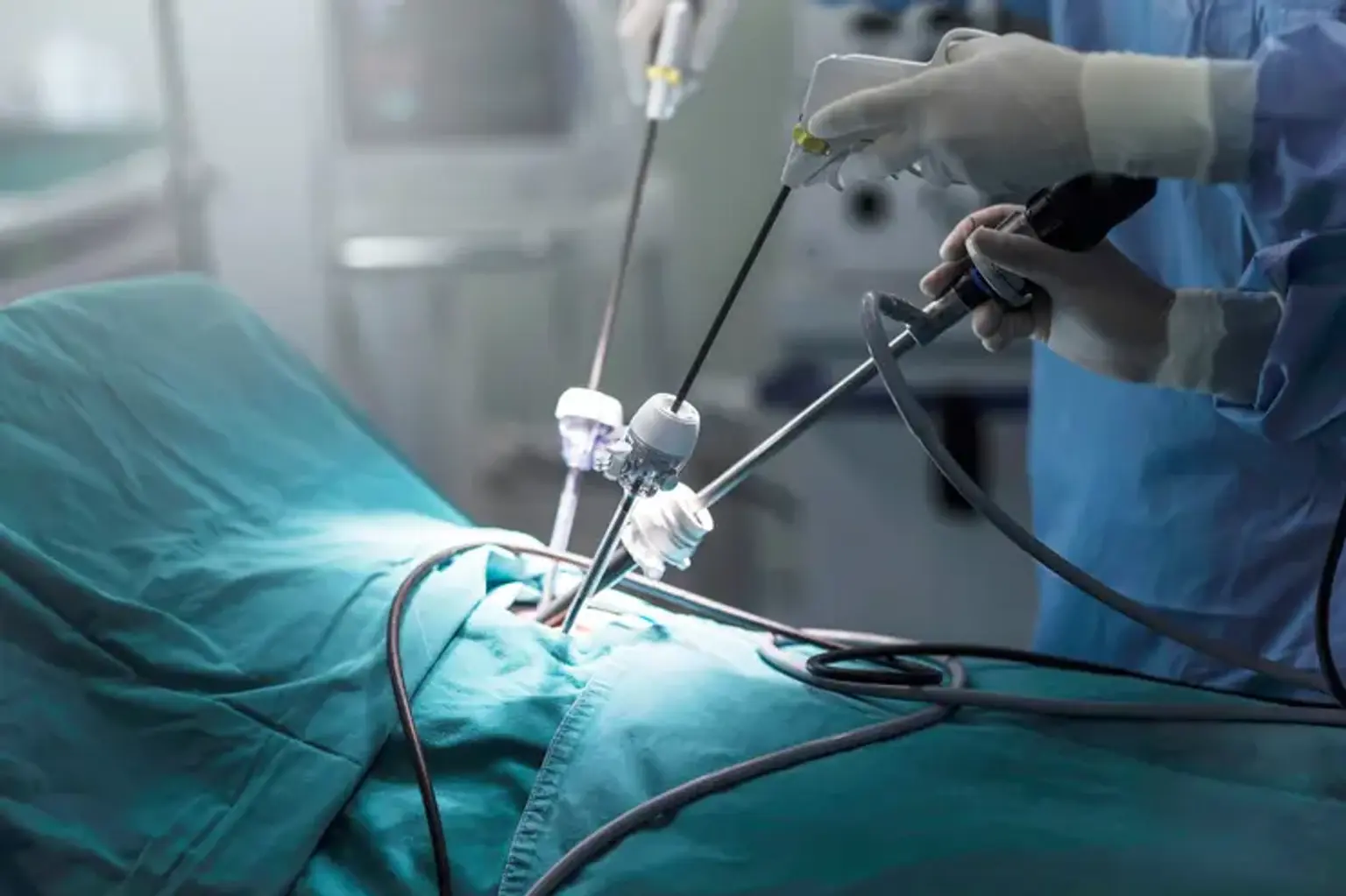
Laparoscopic surgery is done under general anesthesia. The surgeon makes small incisions, usually no larger than 1 cm, near the navel or abdomen. A laparoscope—a thin tube with a camera and light—is inserted into one of the incisions to provide a clear view of the internal organs. A gas, typically carbon dioxide, is used to inflate the abdomen to create more space for the surgeon to operate. Specialized surgical instruments are inserted through the other incisions to perform the procedure. This technique offers the advantage of minimal tissue disruption, faster healing, and reduced postoperative pain.
The procedure typically lasts between 1 to 3 hours, depending on the complexity of the surgery. Recovery time is generally quicker compared to traditional surgery, with most patients able to return to normal activities within 1 to 2 weeks.
Pre-Surgical Assessments and Safety Protocols
Before undergoing laparoscopic surgery, patients will have a thorough pre-surgical evaluation:
Medical History: The surgeon will assess the patient’s medical background to ensure they are fit for surgery.
Imaging and Tests: Ultrasounds, MRIs, or CT scans may be performed to understand the condition being treated and plan the surgery.
Pre-operative Instructions: Patients are usually asked to fast for several hours before surgery and stop taking certain medications that may increase the risk of bleeding.
Anesthesia Consultation: An anesthesiologist will review the patient’s health to ensure they can safely undergo anesthesia.
These steps ensure that the surgery is as safe as possible and that the patient is fully prepared for the procedure.
Post-Surgical Care and Follow-Up Appointments
Post-surgical care is crucial for a smooth recovery after laparoscopic gynecological surgery:
Pain Management: Most patients experience mild discomfort, and over-the-counter pain relievers are typically sufficient. In some cases, mild prescription painkillers may be provided.
Wound Care: Patients need to keep the incision sites clean and dry to avoid infection. Instructions will be given regarding how to care for the incisions.
Physical Activity: Light activities such as walking are encouraged to improve circulation, but patients should avoid heavy lifting or intense exercise for several weeks.
Follow-Up Appointments: Typically scheduled 1-2 weeks after surgery to ensure proper healing and address any concerns. Additional visits may be necessary for complex cases.
Patients are encouraged to contact their healthcare provider if they experience any unusual symptoms, such as excessive pain, fever, or signs of infection.
Laparoscopic Surgery vs. Traditional Open Surgery: A Comparison
Laparoscopic surgery has several advantages over traditional open surgery:
Smaller Incisions: Laparoscopy involves small incisions (less than 1 cm), compared to the large incisions required for open surgery, resulting in less tissue damage.
Faster Recovery: Due to the minimally invasive nature of laparoscopy, recovery times are much quicker—often days instead of weeks.
Less Pain: Patients typically experience less pain post-surgery, reducing the need for strong pain medications.
Lower Risk of Infection: Smaller incisions mean a lower chance of infection and less scarring.
However, traditional open surgery may still be necessary for certain conditions or when laparoscopy isn’t feasible. For example, if the patient has a large fibroid or complex anatomy, an open procedure might be more effective.
Who Is an Ideal Candidate for Laparoscopic Gynecological Surgery?
Laparoscopic surgery is ideal for women who are generally healthy and have conditions that can be effectively treated with this minimally invasive technique. Candidates include:
Women with Fibroids or Ovarian Cysts: Laparoscopy is effective in removing or treating these conditions.
Endometriosis Patients: Women suffering from endometriosis can benefit from laparoscopy to remove tissue and relieve pain.
Those with Pelvic Pain: Laparoscopic procedures can diagnose and treat the underlying causes of chronic pelvic pain.
Fertility Concerns: Laparoscopy can help diagnose and treat fertility issues, such as blocked fallopian tubes or endometrial lesions.
Women who are not good candidates might have certain health conditions, such as severe obesity or extensive scar tissue, which can make laparoscopy difficult or risky.
Laparoscopic Surgery in Infertility Treatment
Laparoscopic surgery plays a key role in diagnosing and treating infertility:
Endometriosis: Removing endometrial tissue can improve fertility in women with this condition.
Blocked Fallopian Tubes: Laparoscopy can clear blockages or open the tubes to restore fertility.
Fibroids: Removing fibroids via laparoscopy can enhance chances of conception for women with uterine fibroids.
Adhesions: Scar tissue in the pelvic area can be removed to improve reproductive health.
For many women struggling with infertility, laparoscopic surgery offers a minimally invasive way to treat underlying issues and improve their chances of conception.
The Psychological Impact of Laparoscopic Surgery on Women’s Health
Laparoscopic surgery can have a positive psychological impact:
Improved Quality of Life: Women often experience significant relief from symptoms such as pain and bleeding, leading to a better quality of life.
Body Image: Smaller scars and a quicker recovery can help women feel more confident and less self-conscious about their bodies.
Mental Health: The ability to return to normal activities quickly and avoid long hospital stays can reduce anxiety and stress during recovery.
Providing emotional support and reassurance during the recovery period is crucial for helping women feel confident and supported after surgery.
Recovery Timeline After Laparoscopic Gynecological Surgery
One of the main advantages of laparoscopic surgery is its quick recovery time:
Day of Surgery: Most patients can go home the same day or after a short hospital stay.
First Week: Light activity is typically encouraged, but patients should avoid heavy lifting or strenuous exercise.
1-2 Weeks Post-Surgery: Many patients can return to work or their normal routine within this time frame, though some may need longer to fully recover.
4-6 Weeks: Full recovery can take a month or longer, depending on the complexity of the surgery and individual health factors.
Pain and discomfort are generally mild, and patients are usually prescribed over-the-counter painkillers or mild prescriptions. It’s important to follow post-surgical instructions to ensure a smooth recovery.
Global Popularity and Access to Laparoscopic Gynecological Surgery
Laparoscopic gynecological surgery is becoming increasingly popular worldwide:
Developed Countries: In regions like North America and Europe, laparoscopic techniques are commonly used and readily available.
Emerging Markets: In countries with developing healthcare systems, access to laparoscopic surgery is growing, though it may be limited by costs or availability of trained surgeons.
Telemedicine: Remote consultations and education are helping patients in underserved areas access information and find qualified surgeons for laparoscopic procedures.
Though there is global variation in access, the rise of laparoscopic techniques has made gynecological surgery more accessible and less invasive for women around the world.
Cost of Laparoscopic Gynecological Surgery
The cost of laparoscopic gynecological surgery can vary widely depending on the procedure, location, and healthcare system. On average:
In Developed Countries: The cost typically ranges from $5,000 to $15,000, covering surgery, hospital stay, anesthesia, and follow-up care.
In Emerging Markets: The price may be lower, but it can still be significant for many patients due to the cost of specialized equipment and skilled surgeons.
While laparoscopic surgery may initially seem more expensive compared to traditional open surgery, its benefits, such as shorter hospital stays, faster recovery, and fewer complications, often make it more cost-effective in the long term.
Frequently Asked Questions (FAQs) About Laparoscopic Gynecological Surgery
Is laparoscopic surgery safe? Yes, laparoscopic surgery is considered safe with a lower risk of complications compared to traditional open surgery. However, as with any procedure, there are risks involved.
How long does the surgery take? The procedure typically lasts between 1 to 3 hours, depending on the complexity of the surgery.
What are the chances of scarring? Scarring is minimal, as only small incisions are made. Most scars are barely noticeable after healing.
How soon can I return to work? Many patients can return to work within 1-2 weeks, depending on the type of surgery and their individual recovery.
Are there any long-term effects? Most patients experience long-term relief from their symptoms, with minimal complications. However, individual results may vary depending on the condition being treated.
The Role of Laparoscopy in Preventive Gynecology
Laparoscopy is not only useful for treating existing gynecological conditions but also plays a role in preventive care. For women at high risk of certain conditions, laparoscopic surgery can be used for screening and early detection of issues such as:
Ovarian Cancer: In high-risk patients, such as those with a family history or genetic predisposition, laparoscopy may be used for routine checks to detect early signs of ovarian cancer.
Endometriosis: Women with a family history of endometriosis or unexplained infertility may opt for laparoscopic procedures to identify endometrial tissue before it causes severe damage.
Polyps or Cysts: Laparoscopy can help identify and remove polyps or cysts that might otherwise go undetected and cause complications later.
Using laparoscopy in this way can help prevent more severe complications and improve overall women’s health by addressing concerns before they develop into more serious conditions.
The Future of Laparoscopic Gynecological Surgery
The future of laparoscopic gynecological surgery looks promising, with continued advancements in technology and techniques:
Robotic-Assisted Surgery: Robotic systems, such as the da Vinci robot, are improving the precision and capabilities of laparoscopic surgery. These systems offer enhanced visualization and more precise movements, allowing for even less invasive procedures.
Better Tools and Equipment: Newer instruments and advanced imaging technologies are improving surgical outcomes, making it possible to treat more complex conditions with greater ease.
Global Access and Training: As laparoscopic surgery becomes more widespread, there is increased emphasis on training surgeons worldwide, particularly in underserved regions, to ensure patients everywhere can benefit from these advancements.
Overall, laparoscopic surgery’s future is marked by increasing accessibility, enhanced precision, and ongoing innovation that will further improve outcomes for patients.
Patient Empowerment and Education in Laparoscopic Surgery
Education and patient empowerment are vital components in the success of laparoscopic gynecological surgery. Before undergoing the procedure, patients should have a clear understanding of:
The Procedure: Knowledge about what to expect during and after surgery helps reduce anxiety and prepares patients mentally.
Recovery Process: Understanding the timeline and the importance of post-surgery care ensures smoother recovery and sets realistic expectations.
Long-term Benefits: Knowing the potential outcomes, such as improved quality of life, reduced symptoms, and enhanced fertility, can be reassuring for patients.
Educational resources, such as pre-surgical counseling, brochures, or online materials, can also guide patients through the process, empowering them to make informed decisions about their health.
The Global Impact of Laparoscopic Surgery on Women's Health
Laparoscopic gynecological surgery has made a profound impact on women's health worldwide. Its growing popularity can be attributed to:
Improved Access to Care: As technology becomes more affordable and accessible, laparoscopic surgery is increasingly offered in countries with diverse healthcare systems.
Enhanced Surgical Training: The rise of laparoscopic techniques has led to specialized training for surgeons, ensuring better outcomes and safer procedures.
Reduced Healthcare Costs: The faster recovery and shorter hospital stays associated with laparoscopic surgery often result in reduced overall healthcare costs, making it more accessible to a larger population.
This global shift is transforming how gynecological conditions are managed, improving health outcomes, and enhancing the quality of life for millions of women.
Conclusion
Laparoscopic gynecological surgery is a breakthrough in the field of women’s health. Its ability to treat a variety of conditions with less pain, fewer risks, and faster recovery has revolutionized gynecological care. Whether for routine procedures like ovarian cyst removal or complex surgeries like endometriosis treatment, laparoscopy offers significant advantages over traditional surgery.
By continuing to improve technology, expand access, and educate patients, laparoscopic surgery will remain at the forefront of gynecological medicine. For women worldwide, it provides a less invasive, more effective option to address common gynecological health concerns, empowering them to lead healthier, more fulfilling lives.