Introduction
What is Laparoscopic Hysterectomy Surgery?
Laparoscopic hysterectomy is a minimally invasive surgical procedure used to remove the uterus. Unlike traditional open surgery, it involves making small incisions through which a camera and surgical instruments are inserted. This allows the surgeon to perform the operation with greater precision while minimizing trauma to the body.
Overview of Laparoscopic Surgery
Laparoscopic surgery, often referred to as "keyhole" surgery, uses small incisions, typically less than an inch long, to insert a camera and instruments. This technique has revolutionized many types of surgery, including gynecological procedures like the hysterectomy, offering patients faster recovery times and fewer complications.
Understanding Laparoscopic Hysterectomy
What is a Hysterectomy?
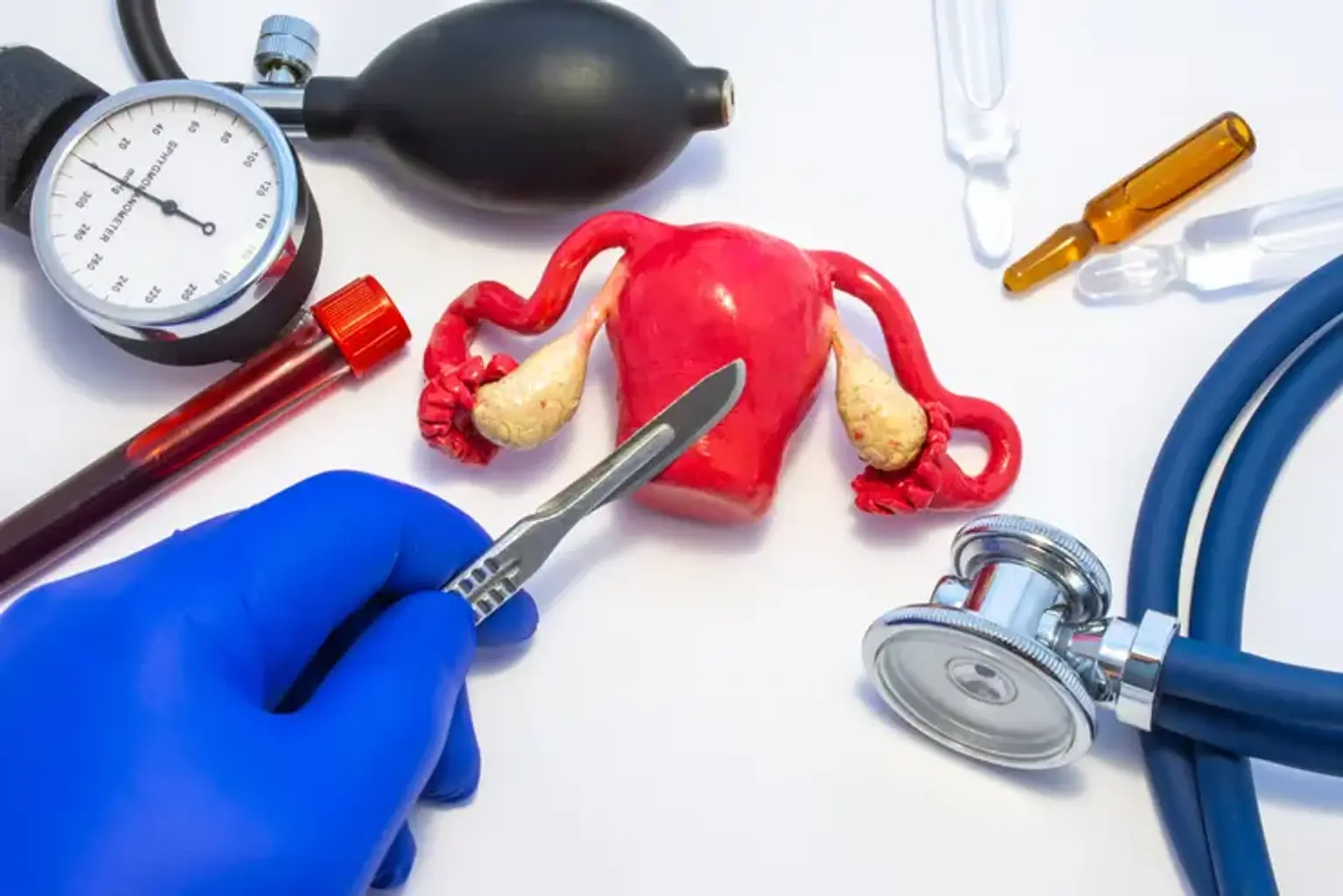
A hysterectomy is the surgical removal of the uterus. It is often recommended for conditions like uterine fibroids, endometriosis, chronic pelvic pain, or cancer. In some cases, the ovaries and fallopian tubes may also be removed, but this is not always necessary.
Why Choose Laparoscopic Over Traditional Hysterectomy?
Traditional open hysterectomy requires a large abdominal incision, which can lead to longer recovery times, more blood loss, and increased risk of infection. Laparoscopic hysterectomy, on the other hand, uses small incisions, reducing these risks and allowing for faster healing. Recovery time for laparoscopic surgery is typically shorter, and many patients can return to daily activities sooner.
Types of Hysterectomy Procedures
There are several types of hysterectomy procedures, including total, subtotal, and radical hysterectomy. In a laparoscopic hysterectomy, the uterus is removed through small incisions, which may differ depending on the extent of the surgery. For example, a total hysterectomy involves removing both the uterus and cervix, while a subtotal hysterectomy involves only removing the uterus.
Comparing Laparoscopic Hysterectomy to Other Hysterectomy Methods
Vaginal Hysterectomy vs. Laparoscopic
A vaginal hysterectomy involves removing the uterus through the vaginal canal, with no abdominal incisions. While it offers similar benefits to laparoscopic surgery, such as quicker recovery and less visible scarring, it is not always possible depending on the size of the uterus or other factors. Laparoscopic surgery is a better option in cases where vaginal surgery is not feasible.
Open Surgery vs. Laparoscopic Surgery
Traditional open hysterectomy requires a large abdominal incision, leading to longer hospital stays, more pain, and a higher risk of complications. In contrast, laparoscopic hysterectomy uses smaller incisions, resulting in a shorter hospital stay, less pain, and a faster return to normal activities. Overall, laparoscopic surgery is considered safer and less invasive than open surgery, making it a preferred choice for many patients.
Indications for Laparoscopic Hysterectomy
Common Conditions Treated with Laparoscopic Hysterectomy
Laparoscopic hysterectomy is most commonly used to treat conditions such as:
Uterine Fibroids: Benign growths in the uterus that can cause pain, heavy bleeding, and other symptoms.
Endometriosis: A condition where tissue similar to the lining of the uterus grows outside the uterus, causing pain and infertility.
Chronic Pelvic Pain: Persistent pain in the pelvic region that cannot be managed by other treatments.
Cancer: In some cases, such as early-stage gynecological cancers, laparoscopic hysterectomy may be an option.
When is Laparoscopic Surgery Recommended?
Laparoscopic hysterectomy is recommended when:
The patient has a condition that is not responding to other treatments.
The uterus is not too large, which would make the procedure technically more challenging.
There are no other health complications that would make laparoscopic surgery more risky.
Post-Operative Care and Instructions
Managing Pain and Discomfort
After surgery, you may experience mild pain or discomfort, especially in the abdominal area. Common strategies for managing pain include:
Pain Medications: Your doctor may prescribe oral pain medications or recommend over-the-counter options.
Cold Compresses: Applying ice packs to the abdomen can reduce swelling and provide relief.
Movement and Rest: Gentle movements, like short walks, can improve circulation and help prevent complications, but it’s important to avoid strenuous activities.
Wound Care
Proper care of your incisions is crucial to prevent infection:
Keep the Incisions Clean and Dry: Follow your doctor’s instructions for cleaning the surgical area.
Monitor for Infection: Watch for signs of infection, such as redness, swelling, or discharge from the incisions. If these occur, contact your healthcare provider immediately.
Diet and Hydration
In the days following surgery, it’s important to stay hydrated and follow a light, balanced diet. Eating small meals, avoiding heavy foods, and drinking plenty of water can help with recovery.
The Laparoscopic Hysterectomy Procedure
Pre-Surgical Assessments and Preparation
Before undergoing laparoscopic hysterectomy, patients undergo a thorough evaluation. This includes:
Physical Exam: To assess overall health.
Imaging Tests: Such as ultrasound or MRI, to evaluate the uterus and surrounding organs.
Blood Tests: To ensure the patient can tolerate surgery and to check for any underlying issues.
The surgeon will also discuss the patient's medical history and explain the procedure in detail, addressing any concerns.
Step-by-Step Process of Laparoscopic Hysterectomy
Anesthesia: General anesthesia is administered to ensure the patient is asleep and pain-free during the procedure.
Incisions: The surgeon makes several small incisions (usually 3 to 4) in the abdomen.
Insertion of Instruments: A laparoscope (a small camera) is inserted through one of the incisions to give the surgeon a view of the uterus. Surgical instruments are passed through the other incisions to remove the uterus.
Uterus Removal: The uterus is carefully removed through the incisions. If needed, the ovaries or fallopian tubes may also be removed.
Closing Incisions: Once the procedure is complete, the incisions are closed with sutures or staples, and the patient is moved to recovery.
Use of Robotic Assistance in Laparoscopic Surgery
Robotic-assisted laparoscopic hysterectomy is a more advanced option where a robotic system aids the surgeon in performing the procedure. While the surgeon still controls the instruments, the robot provides enhanced precision and 3D visualization, making it easier to perform complex surgeries with greater accuracy. This technique is especially useful for patients with larger uteri or complicated cases.
Global Popularity of Laparoscopic Hysterectomy
Laparoscopic Hysterectomy Worldwide
Laparoscopic hysterectomy is increasingly popular worldwide, especially in developed countries where advanced surgical technologies are more accessible. In countries like the U.S., the UK, and Germany, laparoscopic hysterectomy is a preferred method due to its minimal invasiveness and quicker recovery.
Advancements in Laparoscopic Surgery Globally
Technological advances in laparoscopic surgery, such as robotic-assisted surgery, have made the procedure even more precise and effective. These innovations have expanded the use of laparoscopic hysterectomy, particularly in more complex cases or those involving larger uteri.
Risks and Complications
Common Risks Associated with Laparoscopic Hysterectomy
Although laparoscopic hysterectomy is generally safe, there are potential risks:
Infection: Any surgical procedure carries a risk of infection at the incision sites.
Bleeding: While rare, excessive bleeding may occur, and in some cases, a blood transfusion may be necessary.
Injury to Nearby Organs: The bladder, bowel, or ureters can sometimes be accidentally injured during the surgery, though this is uncommon.
Long-Term Risks and Considerations
Some long-term risks include:
Hormonal Changes: If the ovaries are removed during the procedure, patients may enter menopause immediately, which may require hormone replacement therapy (HRT).
Pelvic Floor Dysfunction: Occasionally, hysterectomy can lead to pelvic floor issues, such as urinary incontinence or vaginal prolapse, though this is rare.
How to Minimize Risks
Choosing an experienced surgeon who specializes in laparoscopic procedures is crucial to minimizing risks. Following pre-surgical guidelines, staying healthy before the surgery, and adhering to post-operative care can also help reduce complications.
Costs of Laparoscopic Hysterectomy
Factors Influencing the Cost
The cost of laparoscopic hysterectomy can vary depending on several factors, such as:
Location: Surgery costs differ by country or region, with urban centers typically being more expensive.
Hospital or Surgical Facility: Costs may vary between private and public hospitals or outpatient surgical centers.
Insurance Coverage: Insurance plans may cover most or all of the procedure, depending on the patient’s policy.
Cost Comparison with Traditional Hysterectomy
While laparoscopic hysterectomy may have a higher upfront cost due to specialized equipment and longer operating room time, it can lead to overall savings. The shorter hospital stay, fewer complications, and faster recovery often translate into lower post-surgery healthcare costs, making laparoscopic surgery more cost-effective in the long run.
Recovery and Aftercare
Post-Surgical Recovery Timeline
Recovery time after laparoscopic hysterectomy is much shorter than traditional surgery. Most patients can expect:
First Few Days: Patients typically spend 1 to 2 days in the hospital for observation.
First 1-2 Weeks: Mild activity is allowed, but heavy lifting or strenuous exercises should be avoided.
Full Recovery: Most women return to normal activities within 2 to 3 weeks, although full healing can take up to 6 weeks.
Pain Management After Surgery
Pain management is a priority during recovery. Common methods include:
Oral Pain Medications: Mild to moderate pain is often controlled with over-the-counter or prescription pain relievers.
Heat Pads or Ice Packs: These can help alleviate any abdominal discomfort.
Rest: Adequate rest is essential for the body to heal.
Follow-Up Appointments and Monitoring
Regular follow-up visits are important to ensure proper healing and to check for any complications. These visits usually take place within a few weeks after surgery and may involve physical exams or imaging tests.
Patient Testimonials and Real-Life Case Studies
Patient Experiences and Success Stories
Many women who have undergone laparoscopic hysterectomy report positive outcomes. For example, patients often share their satisfaction with the reduced pain, minimal scarring, and faster recovery. Testimonials highlight how the surgery allowed them to return to daily activities much sooner than anticipated.
How Laparoscopic Hysterectomy Enhances Quality of Life
Women who undergo laparoscopic hysterectomy often experience significant relief from symptoms such as heavy bleeding and pelvic pain. In many cases, the procedure improves their quality of life by restoring their energy and well-being. For some, it marks the end of years of discomfort and health concerns, leading to better overall physical and emotional health.
Preparing for Laparoscopic Hysterectomy
Pre-Surgery Consultations and Assessments
Before undergoing laparoscopic hysterectomy, it's essential to have a pre-surgical consultation with your surgeon. During this visit, your doctor will review your medical history, perform a physical examination, and order diagnostic tests, such as:
Blood Tests: To assess overall health and check for any underlying conditions.
Imaging: Ultrasound or MRI to evaluate the size of the uterus and surrounding organs.
Cardiac and Respiratory Assessments: If you have existing health conditions, further tests may be required.
Preparing Your Home for Recovery
Preparing for your recovery at home is an important step. Arrange for help with daily activities, as you may experience fatigue or mild discomfort in the first few weeks. Ensure that you have a comfortable recovery space with easy access to essentials like food, water, and medications.
Frequently Asked Questions (FAQs)
Common Questions About Laparoscopic Hysterectomy
How safe is laparoscopic hysterectomy?
Laparoscopic hysterectomy is generally very safe, with lower complication rates compared to open surgery. However, as with any surgery, there are risks involved, so it’s essential to consult with an experienced surgeon.
What is the success rate of laparoscopic hysterectomy?
The success rate of laparoscopic hysterectomy is high, with most patients experiencing minimal complications and excellent outcomes. Many women report feeling better within a few weeks of recovery.
What happens if the ovaries are not removed?
If the ovaries are left intact, the patient’s hormone levels and menstrual cycle may continue normally. If the ovaries are removed, the patient may enter menopause, depending on their age.
Can I still get pregnant after a laparoscopic hysterectomy?
A hysterectomy removes the uterus, so pregnancy is no longer possible. However, if the ovaries are retained, the patient may still experience ovulation and hormonal changes.
How long is the recovery period?
Recovery typically takes 2 to 3 weeks for most patients, with full recovery occurring in 6 to 8 weeks, depending on individual health and the type of surgery performed.
Benefits of Laparoscopic Hysterectomy
Minimally Invasive Approach
One of the key advantages of laparoscopic hysterectomy is that it is minimally invasive. The small incisions (usually less than an inch) reduce trauma to the body, which leads to less pain, quicker healing, and a lower risk of infection compared to traditional open surgery.
Shorter Recovery Time
Because laparoscopic surgery involves smaller incisions, patients typically experience a faster recovery time. While traditional open hysterectomy may require 6 to 8 weeks of recovery, many women can return to normal activities in just 2 to 3 weeks after a laparoscopic procedure. This shorter recovery period makes it an appealing option for those with busy lifestyles.
Improved Cosmetic Outcomes
The smaller incisions used in laparoscopic hysterectomy result in smaller scars, which are often less visible than the larger incision from an open procedure. This is particularly important for patients who are concerned about the cosmetic appearance of their surgical scars.
Long-Term Health and Lifestyle Considerations
Hormonal Changes and Menopause
If the ovaries are removed during the hysterectomy, the patient may experience immediate menopause. This means a cessation of menstruation and potential symptoms like hot flashes, night sweats, and mood changes. Hormone replacement therapy (HRT) may be recommended to help manage these symptoms, depending on the patient's age and medical condition.
Impact on Sexual Health
Many women worry about how a hysterectomy will affect their sexual health. While the uterus is removed, the vagina, ovaries, and other parts of the reproductive system are often left intact. Most women do not experience a significant change in sexual pleasure. However, some may experience dryness or discomfort during intercourse, which can be addressed with lubricants or other treatments.
Physical Activity and Exercise
After full recovery, most women can return to regular physical activities. However, it's important to start slowly and gradually increase activity to avoid strain on the body. Doctors typically advise waiting at least 6 weeks before resuming high-impact exercise or heavy lifting.
Choosing the Right Surgeon for Laparoscopic Hysterectomy
Experience and Qualifications of the Surgeon
The success of a laparoscopic hysterectomy largely depends on the surgeon's skill and experience. When selecting a surgeon, consider:
Specialization in Gynecologic Surgery: Choose a surgeon who has extensive experience performing laparoscopic procedures.
Certifications and Credentials: Ensure the surgeon is board-certified in gynecology or obstetrics and has a proven track record in minimally invasive surgery.
Consultation and Second Opinions
It’s always a good idea to have a consultation with the surgeon before making a decision. Ask about the specific techniques they use, success rates, and any potential risks. If you have any doubts, don’t hesitate to seek a second opinion from another qualified professional.
Hospital or Surgical Center
The quality of the hospital or surgical center where the procedure is performed also plays a significant role in the success of the surgery. Make sure the facility is accredited and has a good reputation for handling laparoscopic procedures.
Emotional and Psychological Impact
Addressing Emotional Well-being
Undergoing a hysterectomy, even a minimally invasive one, can have emotional and psychological effects. Many women experience a sense of loss, anxiety, or even sadness, especially if they were hoping to preserve fertility or if the surgery is a result of a serious health condition like cancer. It’s important to acknowledge these feelings and seek support when necessary.
Counseling and Support Groups
Support groups and counseling can be beneficial for women undergoing hysterectomy. Speaking to others who have gone through the same procedure can provide comfort and reassurance. Professional counseling may also help patients navigate feelings of grief or anxiety related to the surgery, especially if the ovaries are removed, leading to immediate menopause.
Alternatives to Laparoscopic Hysterectomy
Non-Surgical Alternatives
Before opting for surgery, there are non-invasive treatments available for women experiencing conditions like fibroids, endometriosis, or heavy bleeding. These include:
Hormonal Therapy: Birth control, hormone therapy, or intrauterine devices (IUDs) can help control bleeding and regulate hormones.
Uterine Artery Embolization: A procedure that cuts off the blood supply to fibroids, shrinking them without surgery.
Endometrial Ablation: A procedure that destroys the lining of the uterus to reduce heavy bleeding.
When to Consider Surgery
In cases where non-surgical treatments do not provide relief or the condition worsens, laparoscopic hysterectomy may be the best option. Women with persistent pelvic pain, bleeding, or other serious conditions may be advised to undergo surgery for long-term relief.
Laparoscopic Hysterectomy for Special Conditions
Endometriosis and Fibroids
Laparoscopic hysterectomy is often recommended for women with endometriosis or large fibroids when other treatment options have failed. These conditions can cause chronic pelvic pain and abnormal bleeding, and removing the uterus can offer significant relief. Laparoscopy allows surgeons to address these issues with minimal tissue disruption.
Cancer Treatment
In cases of gynecologic cancers, such as ovarian or uterine cancer, laparoscopic hysterectomy can be used as part of the treatment plan. It is crucial for women with cancer to discuss all available surgical options with their oncologist to determine the best approach based on the type and stage of cancer.
Conclusion
Laparoscopic hysterectomy offers numerous benefits, including quicker recovery, less pain, and smaller scars, making it an attractive option for women seeking treatment for conditions like fibroids, endometriosis, and cancer. The minimally invasive nature of the surgery allows patients to return to normal activities faster than traditional open surgery.
While there are risks involved, these can be minimized with proper preparation, skilled surgical care, and post-operative support. The increasing popularity of laparoscopic hysterectomy globally reflects its effectiveness and the advancements in medical technology that continue to enhance its precision and safety.
For women considering this procedure, it’s essential to discuss all options with a qualified surgeon, understand potential risks, and prepare adequately for both the surgery and recovery. With proper care, laparoscopic hysterectomy can significantly improve quality of life, offering both physical relief and emotional peace of mind.