Introduction
Pelvic organ prolapse (POP) is a condition where the pelvic organs, including the bladder, uterus, and rectum, drop from their normal positions and push against the walls of the vagina. This occurs due to weakened pelvic floor muscles, often after childbirth, menopause, or aging. For many women, POP can cause discomfort, urinary incontinence, and difficulty with bowel movements, which significantly affects their quality of life.
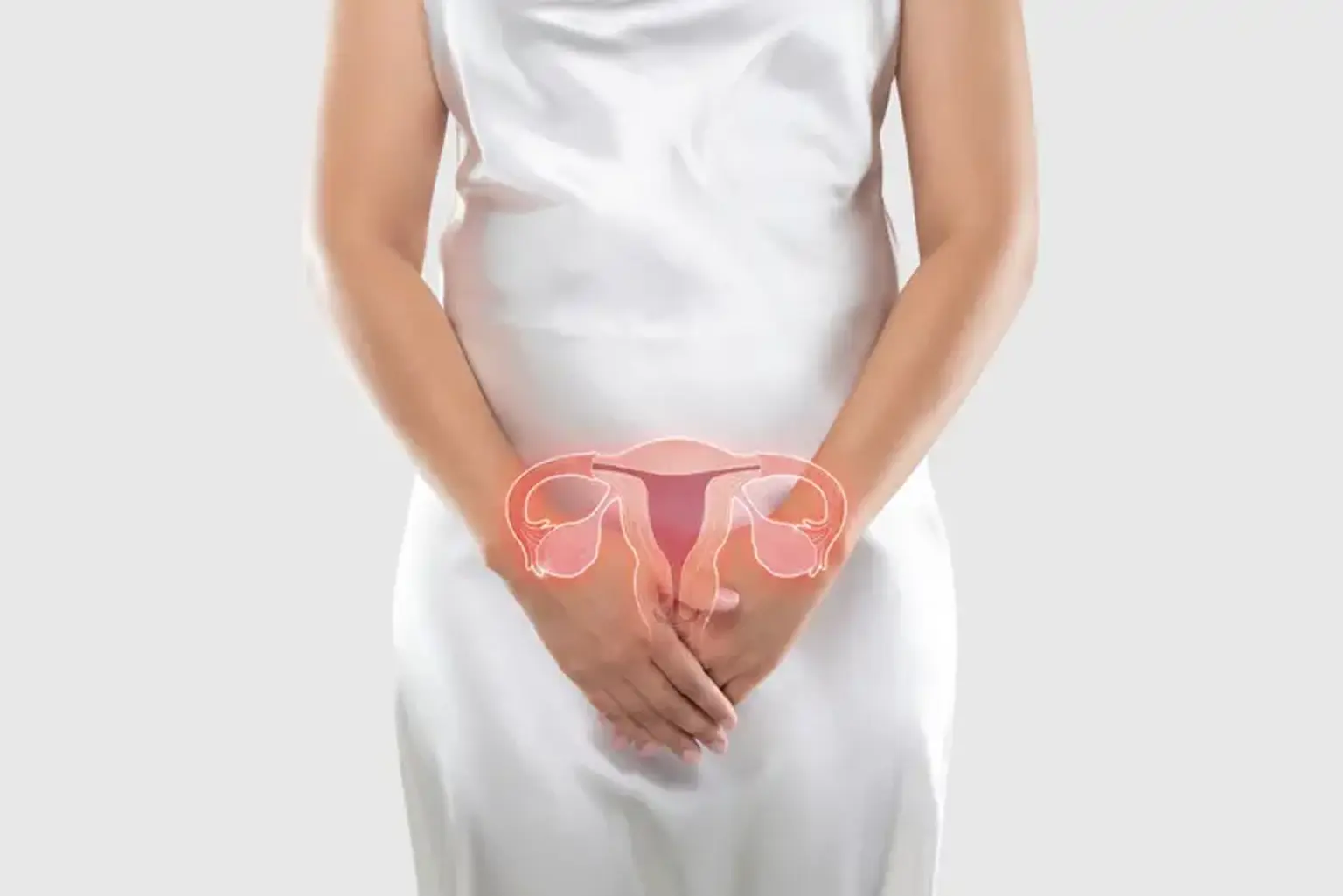
Laparoscopic sacrocolpopexy surgery is a minimally invasive procedure that has revolutionized the treatment of pelvic organ prolapse. By using small incisions and a camera-assisted technique, surgeons can reposition the pelvic organs and restore normal vaginal anatomy with minimal pain, faster recovery, and fewer complications compared to traditional open surgery.
This article will guide you through the basics of laparoscopic sacrocolpopexy surgery, its benefits, and why it’s becoming increasingly popular worldwide. Whether you're considering this surgery for yourself or just seeking to understand the procedure better, this comprehensive guide will give you the insight you need.
What is Laparoscopic Sacrocolpopexy Surgery?
Laparoscopic sacrocolpopexy surgery is a procedure used to treat pelvic organ prolapse, where the pelvic organs fall or bulge into the vaginal canal. The surgery involves lifting the pelvic organs back into their proper position using a mesh material that is attached to the sacrum (a bone at the base of the spine) via small, minimally invasive incisions. This type of surgery is performed using a laparoscope—a thin, flexible tube with a camera that allows the surgeon to see inside the body without making large incisions.
The primary goal of laparoscopic sacrocolpopexy is to support the vaginal vault and restore the proper alignment of the pelvic organs. By securing the vaginal walls with mesh, it prevents the organs from prolapsing again, offering long-term relief to patients suffering from POP.
This procedure differs from traditional open surgery in that it involves smaller incisions, which typically results in less pain, fewer complications, and quicker recovery times. In some cases, surgeons may also opt for robotic-assisted laparoscopic sacrocolpopexy, which uses robotic arms to provide even more precision.
How Does Laparoscopic Sacrocolpopexy Work?
Preparation: Patients undergo tests like pelvic exams and imaging to determine if laparoscopic sacrocolpopexy is appropriate.
Anesthesia: The surgery is done under general anesthesia.
Surgery: Small incisions are made, and a laparoscope is used to view the organs. Surgeons insert surgical tools through other incisions to secure mesh to the pelvic organs.
Mesh Placement: The mesh is attached to the sacrum, providing support and preventing prolapse.
Closure: After ensuring proper alignment, the incisions are closed.
This technique minimizes trauma, reduces pain, and allows for faster healing compared to open surgery.
The Benefits of Laparoscopic Sacrocolpopexy
Minimally Invasive: Small incisions lead to less trauma, less pain, and fewer complications.
Faster Recovery: Most patients recover in 4–6 weeks, compared to several months for traditional surgery.
Lower Complication Risks: The risk of infection, bleeding, and organ injury is reduced due to smaller incisions.
Better Cosmetic Results: Smaller, less visible scars improve the cosmetic outcome.
Precision and Success: The laparoscope offers a magnified view for precise placement of mesh, leading to high success rates and minimal recurrence of prolapse.
Laparoscopic sacrocolpopexy offers significant benefits over traditional surgery, providing long-term relief with a quicker recovery and less risk.
Indications for Laparoscopic Sacrocolpopexy Surgery
Laparoscopic sacrocolpopexy is typically recommended for women experiencing pelvic organ prolapse (POP), which can cause symptoms such as vaginal bulging, urinary incontinence, and difficulty with bowel movements. This surgery is particularly effective for:
Cystocele: When the bladder drops into the vagina.
Rectocele: When the rectum bulges into the vaginal wall.
Uterine Prolapse: When the uterus falls into the vaginal canal.
Ideal candidates are usually women who have moderate to severe prolapse and want a long-term solution. Women with good overall health, a strong pelvic floor, and realistic expectations about the surgery's benefits are most likely to benefit from laparoscopic sacrocolpopexy. It's often recommended when non-surgical treatments, like pelvic floor exercises or pessaries, have not provided relief.
Preparing for Laparoscopic Sacrocolpopexy Surgery
Preparation for laparoscopic sacrocolpopexy involves several key steps to ensure the best possible outcome:
Preoperative Tests: These may include imaging studies (like MRI or CT scans) and pelvic exams to assess the severity of prolapse and determine the appropriate surgical approach.
Medication Adjustments: Patients may be advised to stop taking certain medications, like blood thinners, to reduce the risk of bleeding.
Dietary Instructions: You may be instructed to fast for 8–12 hours before surgery.
Anesthesia Consultation: A preoperative consultation with the anesthesiologist is common to discuss anesthesia options and medical history.
Choosing a Surgeon: It’s crucial to select a surgeon with experience in laparoscopic pelvic surgeries to minimize risks and ensure a successful outcome.
Proper preparation can help reduce the likelihood of complications and improve recovery.
Risks and Complications of Laparoscopic Sacrocolpopexy
Like any surgery, laparoscopic sacrocolpopexy carries certain risks, though complications are less frequent compared to open surgeries. Potential risks include:
Infection: Any surgical procedure can lead to infections at the incision sites or deeper within the body.
Bleeding: While rare, bleeding can occur during or after surgery.
Organ Injury: The procedure may accidentally damage surrounding organs like the bladder, intestines, or blood vessels.
Mesh Complications: In some cases, the mesh used to support the pelvic organs may erode or cause irritation over time, leading to discomfort or the need for additional surgery.
Urinary or Sexual Dysfunction: Although uncommon, some women may experience changes in sexual function or urinary control after surgery.
While the overall complication rate is low, it’s important to discuss the risks with your doctor to make an informed decision.
The Role of Mesh in Laparoscopic Sacrocolpopexy
Mesh plays a critical role in laparoscopic sacrocolpopexy, providing support to the pelvic organs and preventing recurrence of prolapse. Here's what you need to know about mesh:
Purpose: The mesh is used to secure the vaginal walls to the sacrum, offering long-term support for prolapsed organs.
Material: Mesh is typically made from synthetic materials like polypropylene, which is durable and biocompatible, meaning it won’t be rejected by the body.
Types of Mesh: There are various mesh types available, including non-absorbable and absorbable options. Non-absorbable mesh remains in the body permanently, while absorbable mesh breaks down over time.
Safety Considerations: Though mesh is generally safe, there have been concerns about its long-term complications, such as mesh erosion, infection, or chronic pain. It’s important to discuss these risks with your doctor before surgery.
When used properly, mesh is highly effective in providing lasting support and improving the outcomes of laparoscopic sacrocolpopexy.
Recovery After Laparoscopic Sacrocolpopexy Surgery
One of the main benefits of laparoscopic sacrocolpopexy is the relatively quick recovery time compared to traditional open surgery. Most patients can expect:
Hospital Stay: Many patients are discharged the same day or within 1–2 days after surgery, depending on individual recovery.
Postoperative Care: Pain management is usually handled with oral medications, and patients are encouraged to begin walking around gently within a few hours after surgery to promote circulation.
Physical Restrictions: Patients should avoid heavy lifting, strenuous activities, or sexual intercourse for about 6 weeks to allow the surgical site to heal properly.
Follow-up Appointments: Typically, follow-up visits are scheduled within 1–2 weeks post-surgery to monitor recovery and address any concerns.
While recovery is generally quicker than with traditional surgery, full healing and a return to normal activities may take 6–8 weeks.
Long-Term Outcomes and Success Rates
Laparoscopic sacrocolpopexy boasts high success rates and long-term positive outcomes. Studies show that 80–90% of patients experience a significant improvement in symptoms, with many remaining symptom-free for years after surgery.
Key factors contributing to the procedure’s success include:
Durability of the Mesh: The mesh used in sacrocolpopexy provides a stable support structure, preventing prolapse recurrence for most patients.
Minimal Risk of Recurrence: Compared to other treatments, laparoscopic sacrocolpopexy has a lower recurrence rate, making it a favored option for many patients.
Improved Quality of Life: Most women experience improved pelvic function, better bladder control, and a reduction in vaginal bulging, all of which greatly enhance quality of life.
While rare, some patients may need further surgery if symptoms return, but the long-term success rates are generally very high.
Cost and Global Popularity of Laparoscopic Sacrocolpopexy
The cost of laparoscopic sacrocolpopexy varies depending on the country, hospital, and insurance coverage. On average, the procedure can range from $5,000 to $15,000 USD, with additional costs for preoperative tests, hospital stays, and post-surgery follow-up. Insurance often covers the procedure, especially if it is deemed medically necessary.
Laparoscopic sacrocolpopexy has gained worldwide popularity due to its minimally invasive nature and long-term effectiveness. The procedure is common in North America, Europe, and Asia, and its growing popularity is partly due to the increasing awareness of pelvic organ prolapse and the benefits of minimally invasive surgical techniques.
Countries with advanced healthcare systems, such as the United States, Canada, and many in Western Europe, have seen an increasing number of women opting for laparoscopic sacrocolpopexy as the preferred treatment for POP.
Alternatives to Laparoscopic Sacrocolpopexy
While laparoscopic sacrocolpopexy is highly effective, it may not be suitable for every patient. Several alternatives exist, including:
Vaginal Sacrocolpopexy: This is a similar procedure but is performed vaginally rather than laparoscopically. It requires fewer incisions but may have a higher risk of complications such as infections and longer recovery times.
Pessary Devices: For less severe cases of pelvic organ prolapse, a pessary (a supportive device inserted into the vagina) can be used to help manage symptoms without surgery.
Pelvic Floor Therapy: Physical therapy to strengthen pelvic muscles is an option for women with mild prolapse or those who prefer a non-surgical approach.
Open Surgery: In some complex cases or for patients who are not candidates for laparoscopic surgery, traditional open surgery may still be necessary.
Your doctor can help determine the best approach based on the severity of your prolapse, overall health, and personal preferences.
Understanding the Procedure's Effectiveness
Laparoscopic sacrocolpopexy is known for its high effectiveness in treating pelvic organ prolapse. Its success is attributed to its precise, minimally invasive approach, which allows surgeons to reposition prolapsed organs with great accuracy and support them with mesh. The effectiveness of the procedure depends on several factors:
Surgical Precision: The use of a laparoscope allows for a magnified view of the pelvic organs, ensuring accurate placement of the mesh and reducing the risk of errors.
Mesh Support: The mesh used in sacrocolpopexy provides durable, long-term support to the pelvic organs, preventing recurrence of prolapse.
Individual Health Factors: Patient age, the severity of prolapse, and the presence of other medical conditions can impact the success rate. Women who are in good health and follow postoperative instructions tend to have better outcomes.
Overall, laparoscopic sacrocolpopexy provides long-lasting results, and the recurrence rate of prolapse is low, making it one of the most effective treatments available.
Role of Postoperative Care and Lifestyle Adjustments
After laparoscopic sacrocolpopexy, patients are advised to take specific steps to ensure a smooth recovery and maximize the success of the procedure:
Physical Rest: It’s crucial to avoid lifting heavy objects or engaging in strenuous activity for about 6 weeks to allow the pelvic region to heal.
Pelvic Floor Exercises: After healing, pelvic floor exercises (Kegel exercises) can help strengthen the muscles, reducing the chances of prolapse recurrence.
Diet and Hydration: Staying hydrated and eating a fiber-rich diet can prevent constipation, which can strain the pelvic floor.
Follow-up Appointments: Regular check-ups with your surgeon will ensure proper healing and help monitor the success of the surgery.
Lifestyle adjustments like avoiding heavy lifting, maintaining a healthy weight, and quitting smoking can improve overall pelvic health and reduce the risk of recurrence.
Emotional and Psychological Considerations
While laparoscopic sacrocolpopexy is a physical procedure, it also has emotional and psychological effects. Women with pelvic organ prolapse often experience anxiety, embarrassment, or frustration due to the symptoms they face. Following surgery, many report significant improvements in their emotional well-being, such as:
Increased Confidence: The relief from prolapse symptoms allows women to engage in daily activities, such as exercise and social events, without fear of discomfort or embarrassment.
Improved Sexual Function: Many women experience improved sexual satisfaction and function post-surgery, as prolapse-related symptoms like vaginal bulging or urinary incontinence are alleviated.
Relief from Chronic Pain: Women who experience pelvic pain or pressure due to prolapse often feel significant relief after surgery, which can improve their quality of life.
Addressing psychological concerns through counseling or support groups can also be beneficial. Patients are encouraged to speak openly with their healthcare providers about any emotional or psychological impacts they may experience.
Frequently Asked Questions (FAQs)
1. What is the difference between laparoscopic sacrocolpopexy and traditional surgery?
Laparoscopic sacrocolpopexy uses small incisions and a camera to guide the procedure, while traditional surgery involves larger incisions. Laparoscopic surgery generally leads to less pain, quicker recovery, and a lower risk of complications.
2. How long will I need to stay in the hospital after surgery?
Most patients stay in the hospital for 1-2 days after laparoscopic sacrocolpopexy, though some may be discharged on the same day depending on the surgery's outcome and individual recovery.
3. Can the prolapse come back after surgery?
While the recurrence rate is low, prolapse may recur over time, particularly if lifestyle changes are not followed, or if other risk factors (like obesity or chronic coughing) are present. Regular follow-up appointments can help detect any issues early.
4. Is laparoscopic sacrocolpopexy safe for older women?
Yes, laparoscopic sacrocolpopexy is generally safe for women of all ages, including those over 60. However, age-related factors such as general health, existing conditions, and mobility must be considered. Your surgeon will assess these factors to determine if you are a suitable candidate.
5. How soon can I return to normal activities after surgery?
Most patients can resume light activities after 4–6 weeks, but it's important to avoid heavy lifting or vigorous exercise during the recovery period. Sexual activity should also be avoided until your doctor clears you, typically after 6 weeks.
The Importance of Choosing a Qualified Surgeon
Choosing an experienced and qualified surgeon is one of the most important decisions when considering laparoscopic sacrocolpopexy. A skilled surgeon can significantly reduce the risk of complications and improve the outcome of the surgery. Here's why it’s crucial to choose the right surgeon:
Experience: Surgeons with extensive experience in laparoscopic pelvic surgeries will be more familiar with the nuances of the procedure, leading to better precision and outcomes.
Specialization: Look for a surgeon who specializes in urogynecology or pelvic reconstructive surgery, as these specialists are more adept at managing conditions like pelvic organ prolapse.
Track Record: Ask about the surgeon’s success rates, complication rates, and patient satisfaction. Many experienced surgeons will provide you with case studies or testimonials from previous patients.
Comfort and Communication: Choose a surgeon who listens to your concerns, explains the procedure thoroughly, and answers all your questions. A good doctor-patient relationship is essential for a smooth surgical experience.
Take time to research and consult with potential surgeons to ensure they are qualified to perform the procedure and meet your needs.
Global Trends in Laparoscopic Sacrocolpopexy
Laparoscopic sacrocolpopexy has become increasingly popular around the world due to its minimally invasive nature and favorable outcomes. While this surgery has long been common in countries like the United States, Canada, and much of Europe, it is now gaining traction in other regions, including:
Asia: In countries like Japan, South Korea, and China, the procedure is becoming more common as healthcare infrastructure improves and awareness of pelvic health increases.
Latin America: Countries such as Brazil and Mexico are expanding their adoption of minimally invasive surgeries, including laparoscopic sacrocolpopexy, to treat pelvic organ prolapse.
Middle East and Africa: As healthcare standards continue to rise in the Middle East, countries like the UAE and Saudi Arabia are offering advanced surgical options, including laparoscopic sacrocolpopexy.
This global trend is fueled by the growing demand for less invasive procedures and the increasing understanding of the benefits of laparoscopic surgery. As more women seek effective treatments for prolapse, laparoscopic sacrocolpopexy is becoming a preferred option worldwide.
Conclusion
Laparoscopic sacrocolpopexy represents a significant advancement in the treatment of pelvic organ prolapse. Its minimally invasive approach, combined with high success rates and a faster recovery time, has made it the procedure of choice for many women worldwide.
As technology continues to evolve, future advancements may further enhance the effectiveness of the procedure, potentially reducing recovery time and improving patient outcomes even more. Innovations in mesh materials, surgical techniques, and robotic-assisted surgery are all expected to contribute to the continued success of laparoscopic sacrocolpopexy.
For women suffering from pelvic organ prolapse, laparoscopic sacrocolpopexy offers a reliable, long-term solution. By understanding the procedure, risks, benefits, and recovery process, women can make informed decisions about their healthcare. Whether you’re considering surgery or exploring other treatment options, consulting with a qualified healthcare provider will help you determine the best path forward.