Introduction
What is Larynx Removal Surgery?
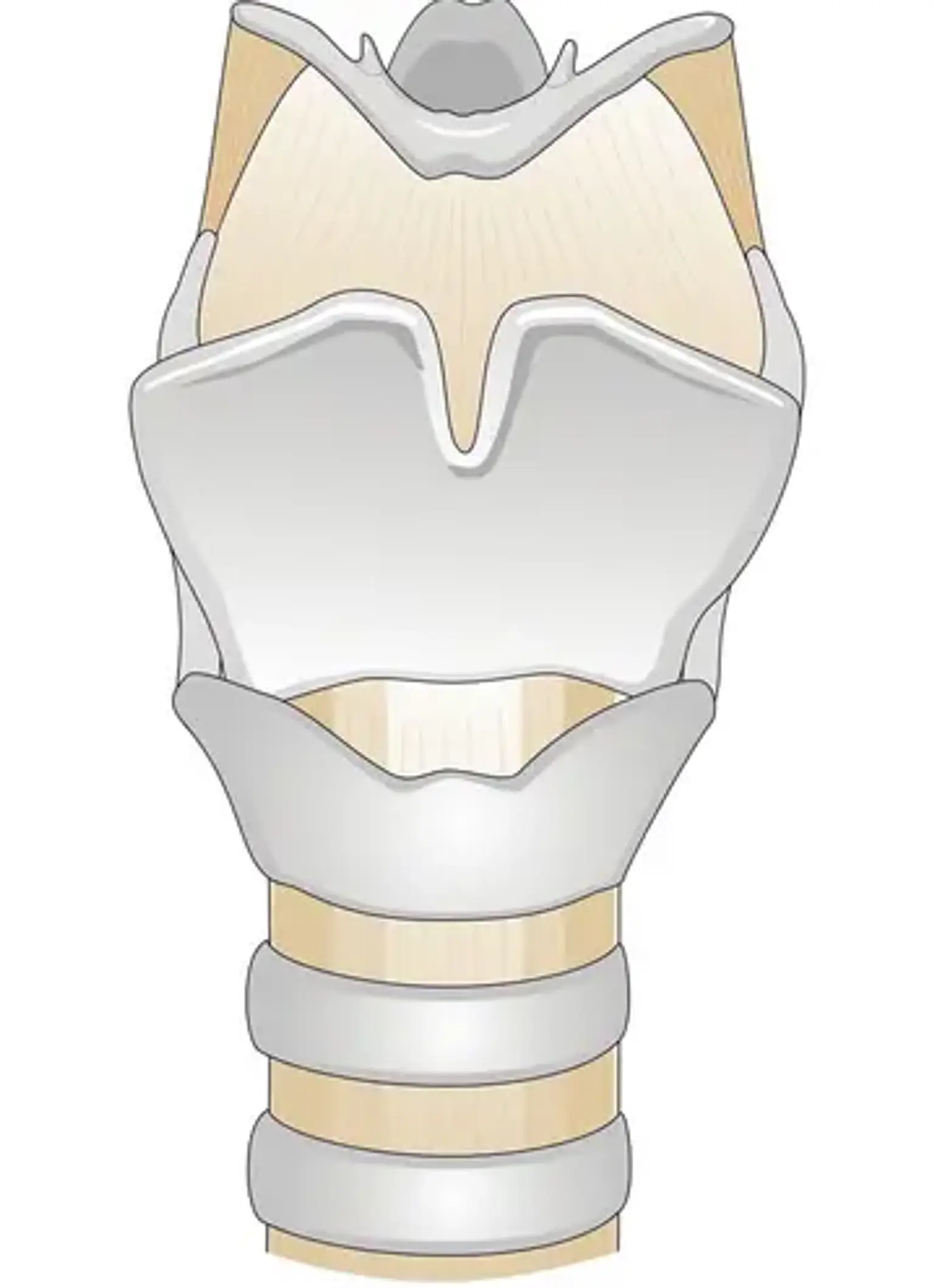
Larynx removal surgery, also known as laryngectomy surgery, is a procedure in which the larynx (voice box) is partially or completely removed. This surgery is typically performed to treat laryngeal cancer, severe voice disorders, or other chronic conditions that affect the larynx. The goal of the surgery is to remove the diseased or damaged tissue, which allows for better overall health, especially in patients suffering from life-threatening conditions such as cancer.
Why is Larynx Removal Surgery Needed?
A laryngeal cancer diagnosis is often the primary reason for undergoing larynx removal surgery. Cancer in the larynx can spread quickly, making surgery a necessary step in eliminating the tumor and preventing further complications. In some cases, voice disorders or other chronic issues that do not respond to medical treatments may also require voice box removal to improve quality of life and prevent life-threatening infections or conditions.
Conditions Treated with Larynx Removal Surgery
Laryngeal Cancer Treatment
Larynx removal surgery is primarily used for laryngeal cancer, which occurs when malignant cells develop in the larynx. This cancer can lead to hoarseness, difficulty swallowing, and breathing problems. If diagnosed at an advanced stage or when the cancer doesn’t respond to chemotherapy or radiation, laryngectomy surgery becomes the most effective option to remove the cancer and prevent its spread.
Voice Disorders and Chronic Problems
In addition to cancer, laryngeal surgery can be performed for patients with severe voice disorders that do not improve with conservative treatments. Conditions like vocal cord paralysis, chronic inflammation, or non-cancerous growths can severely affect speech, and in extreme cases, a laryngectomy may be necessary. The surgery helps restore breathing, swallowing, and potentially speech through various rehabilitation methods.
The Larynx Removal Surgery Procedure
Step-by-Step Process
The larynx removal surgery typically begins with general anesthesia, ensuring that the patient remains comfortable and pain-free throughout the procedure. The surgeon makes an incision in the neck to access the larynx and remove the affected tissue. For a total laryngectomy, the entire larynx is removed, along with any nearby tissue or lymph nodes if necessary. If a partial laryngectomy is performed, only part of the larynx is removed, and the remaining portion is preserved.
Tools and Technology Used
Advanced surgical tools, including endoscopes for viewing internal structures and lasers for precision cutting, are often used during laryngeal removal procedures. These tools help minimize damage to healthy tissues and improve the overall outcome of the surgery. Surgeons also use specialized instruments for voice restoration surgery after larynx removal, such as the placement of an artificial voice box or a tracheoesophageal puncture (TEP) for speech rehabilitation.
Post-Laryngectomy Care
What to Expect After Surgery
After larynx removal surgery, the first few days are crucial for monitoring the patient’s condition. Patients are usually placed in a recovery room where they can be observed for complications, such as infection or bleeding. A tracheotomy (a small hole made in the neck for breathing) is often necessary during the recovery phase. Patients may also experience discomfort, swelling, or drainage from the surgical site, but these symptoms typically improve as the body heals.
Long-Term Care and Monitoring
Once discharged, patients will need ongoing care to ensure proper healing. Post-laryngectomy care includes cleaning the tracheostomy site, monitoring for infection, and managing breathing difficulties. It's also important to follow a specific diet, as swallowing may be difficult initially. Regular follow-up visits with the surgeon are essential for tracking recovery progress and detecting any signs of complications or cancer recurrence.
Follow-Up Appointments
Follow-up appointments will focus on monitoring the healing process, checking for complications, and addressing any concerns with speech or swallowing. These visits typically occur a few weeks after surgery, with more frequent check-ups during the first year. It’s also during these visits that voice restoration options, such as speech therapy or artificial voice box placement, can be discussed.
Voice Restoration Surgery
What Is Voice Restoration Surgery?
After laryngeal removal surgery, patients often need assistance in restoring their ability to speak. Voice restoration surgery includes procedures like artificial voice box implantation or tracheoesophageal puncture (TEP), designed to allow patients to regain their ability to communicate. These techniques help create alternative methods for producing sound after the removal of the vocal cords.
How Does It Work?
In the case of artificial voice boxes, the procedure involves the insertion of a small device that vibrates to mimic the sound of a voice. Another method, TEP, involves creating a small opening between the trachea and the esophagus, enabling patients to speak by pushing air through the esophagus, creating a sound. These methods can help patients speak with clarity, improving communication and overall quality of life.
Larynx Surgery Recovery
Recovery Time
Recovery after laryngectomy surgery can take several weeks. Initial recovery focuses on managing pain, breathing, and healing the surgical site. Most patients can return to light activities after 1–2 weeks, with more intense activities resuming after about 6 weeks.
Managing Pain and Discomfort
Pain and discomfort after surgery are typically managed with pain medications and proper care of the surgical site. It's important to keep the neck area clean and dry to prevent infection.
Post-Surgery Lifestyle Adjustments
Patients may need to make adjustments in their daily activities, including avoiding heavy lifting and being mindful of swallowing difficulties. Speech rehabilitation through therapy is also an important part of the recovery process.
Voice Rehabilitation After Larynx Removal
Speech Therapy After Surgery
After undergoing larynx removal surgery, speech therapy plays a key role in voice rehabilitation. A speech-language pathologist (SLP) works with the patient to help them learn how to speak again, either through esophageal speech, artificial voice box use, or TEP techniques. Speech therapy sessions usually begin soon after the patient recovers from surgery, gradually increasing in intensity as the patient regains strength.
Esophageal Speech
For some patients, esophageal speech is an effective way of producing sound after laryngectomy. This technique involves swallowing air and then forcing it out through the esophagus to produce a voice. While this form of speech is more challenging to master, with consistent therapy, many patients achieve a functional and intelligible voice.
Benefits of Larynx Removal Surgery
Improved Health and Quality of Life
The primary benefit of larynx removal surgery is improving overall health by removing cancerous tissue or treating severe voice disorders. Patients often experience relief from symptoms like pain, difficulty swallowing, and breathing issues after surgery.
Speech Restoration
For many patients, voice restoration surgery (such as the use of an artificial voice box) or speech therapy offers a new way to communicate, making laryngectomy surgery an empowering procedure for those whose quality of life was compromised by their condition.
Improved Breathing
By removing the diseased or damaged larynx, patients often find it easier to breathe, especially if the surgery helps address chronic blockages or infections in the airways.
Types of Larynx Removal Surgery
Total Laryngectomy vs Partial Laryngectomy
Total laryngectomy involves the complete removal of the larynx, including the vocal cords, while partial laryngectomy only removes part of the larynx. The choice between these two procedures depends on the extent of the disease and the patient's overall health. For patients with laryngeal cancer that affects the entire larynx, total removal is necessary to eliminate the cancerous tissue completely. On the other hand, partial laryngectomy may be performed for localized cancer or when there is a need to preserve some vocal function.
Which Type is Best for You?
The decision between total laryngectomy and partial laryngectomy is made by the surgical team based on several factors, such as the size and location of the tumor, the stage of cancer, and the patient’s ability to recover. A consultation with a skilled surgeon, often combined with imaging and biopsy results, will guide the decision-making process.
Comparison: Larynx Removal Surgery vs Other Cancer Treatments
Larynx Removal vs Chemotherapy and Radiation
While chemotherapy and radiation are used for laryngeal cancer, larynx removal surgery is often necessary for advanced cancer or when other treatments fail. Surgery provides immediate relief from the tumor and surrounding issues, while chemotherapy and radiation are used to shrink tumors and prevent recurrence.
Combined Treatment Approaches
In many cases, a combination of laryngectomy surgery and chemotherapy/radiation is used. Surgery removes the cancerous tissue, while chemotherapy and radiation help eliminate any remaining cancer cells and reduce the risk of recurrence.
Restore Volume Procedure for Larynx and Volume Loss Restoration
What is the Restore Volume Procedure?
The Restore Volume procedure is a regenerative treatment designed to restore lost volume in the neck and throat areas, especially after laryngectomy surgery. By injecting fat or other biocompatible materials, this procedure helps replenish the tissue lost due to surgery, improving both the appearance and function of the throat.
How Restore Volume Helps in Voice Recovery
After larynx removal surgery, many patients experience changes in the neck and throat area, including volume loss that can affect both speech and swallowing. The Restore Volume procedure helps by filling in areas where tissue has been removed or altered, making it easier to speak and swallow post-surgery. This can significantly improve a patient's confidence and speech quality.
Benefits of Restore Volume
In addition to restoring volume, the procedure also enhances comfort by reducing tightness and dryness in the throat. Restore Volume can also address issues with scarring, allowing patients to have a more natural neck appearance and better speech function.
Speech and Swallowing Issues Post-Surgery
Challenges in Speech and Swallowing
After laryngectomy surgery, patients commonly face speech and swallowing problems. Without the larynx, normal vocal function is lost, and swallowing can become difficult due to changes in the throat and airways. These issues require specialized care and therapy to manage effectively.
Rehabilitation and Speech Therapy
Speech therapy plays a critical role in rehabilitation following larynx removal surgery. Speech-language pathologists help patients relearn how to speak, swallow, and breathe. Techniques like esophageal speech, the use of artificial voice boxes, or tracheoesophageal puncture (TEP) are often taught to patients, enabling them to regain some level of speech function.
Post-Surgery Care for Swallowing Difficulties
Patients who experience swallowing difficulties post-surgery will benefit from guidance on safe eating and drinking habits. In some cases, speech therapists help patients learn how to eat more easily by adjusting the texture of food and encouraging exercises to strengthen the swallowing muscles.
Larynx Removal Surgery Costs and Insurance Coverage
Cost of Larynx Removal Surgery
The cost of larynx removal surgery can vary based on location, the complexity of the procedure, and whether additional treatments (like voice restoration surgery) are required. On average, patients can expect to pay between $10,000 to $20,000 for surgery, including hospital stays, surgeon fees, and post-operative care.
Insurance Coverage for Larynx Removal Surgery
Many insurance plans cover laryngectomy surgery if it is deemed medically necessary, such as for laryngeal cancer or severe voice disorders. Insurance often covers the costs of hospitalization, surgery, and some post-surgery rehabilitation, but patients should check with their provider for specific coverage details.
Cost vs. Benefit of Surgery
While the upfront cost of larynx removal surgery can be high, the long-term benefits—such as cancer remission, improved breathing, and speech restoration—often make it a worthwhile investment. Additionally, treatments like voice restoration surgery and post-operative care contribute to a better quality of life for patients.
Larynx Removal Surgery Risks and Complications
Potential Risks
While larynx removal surgery is generally safe, there are risks involved, including infection, bleeding, or injury to surrounding structures like the trachea and vocal cords. These complications can affect the recovery process and require additional medical attention.
Long-Term Risks
After surgery, patients may face swallowing difficulties, changes in voice quality, or issues with breathing. Scarring can also lead to long-term discomfort. However, with proper post-surgical care, these risks can often be managed effectively.
Managing Risks
Choosing a highly skilled surgeon and adhering to post-surgery care instructions can minimize the risks. Regular follow-up visits are essential to ensure any complications are caught early and addressed promptly.
Larynx Removal Surgery for Non-Cancerous Conditions
Voice Box Removal for Non-Cancerous Issues
While larynx removal surgery is often associated with laryngeal cancer, it can also be used to treat severe non-cancerous conditions. For instance, individuals with vocal cord paralysis, chronic laryngeal stenosis (narrowing of the airway), or long-term laryngeal infections that do not respond to other treatments may require laryngectomy to improve their quality of life. Removing the larynx can provide significant relief from chronic symptoms and prevent further complications.
Benefits for Patients with Severe Voice Disorders
For some patients with debilitating voice disorders, larynx removal surgery is the last resort when other treatments, like speech therapy or medications, fail to provide relief. This surgery can restore normal breathing and reduce ongoing issues, helping patients regain control over their health and comfort.
Commonly Asked Questions (FAQs) About Larynx Removal Surgery
How will my life change after larynx removal surgery?
Post-surgery, life will be different for patients who undergo laryngectomy surgery. Patients will need to adapt to breathing through a tracheostomy, learn to communicate through alternative methods (such as artificial voice boxes or esophageal speech), and modify their diet to accommodate swallowing difficulties. However, with proper rehabilitation, most patients can regain a fulfilling life.
What are the long-term impacts of living without a larynx?
Living without a larynx can affect communication, but modern voice restoration methods, including tracheoesophageal puncture (TEP) and speech therapy, help patients adapt. Swallowing can also be impacted, but with dedicated care and therapy, patients can manage these changes.
How long does it take to recover from larynx removal surgery?
Recovery time varies, but most patients can return to light activities within 1-2 weeks. Full recovery may take several months, as patients will need time to heal from the surgical site, adjust to breathing through a tracheostomy, and undergo speech rehabilitation.
Larynx Removal Surgery and Its Popularity in Korea
Why Korea is a Leading Destination for Larynx Surgery
Korea has become a major hub for laryngectomy surgery, offering high-quality care and advanced medical technology. The country's skilled surgeons, modern hospitals, and excellent post-operative support make it a preferred destination for laryngeal cancer treatment and voice restoration.
Voice Restoration and Rehabilitation Options in Korea
Korean clinics specialize in comprehensive voice restoration techniques, including the artificial voice box implantation and tracheoesophageal puncture (TEP). These procedures help patients regain speech function after larynx removal surgery, ensuring that they can communicate effectively and improve their overall quality of life.
Medical Tourism in Korea
Korea’s reputation for providing affordable yet high-quality healthcare has led to a growing number of international patients seeking larynx removal surgery. With access to advanced surgical techniques and cutting-edge rehabilitation services, many patients travel to Korea to receive treatment and restore their health.
Preparing for Larynx Removal Surgery
Pre-Surgery Consultations and Assessments
Before undergoing laryngectomy surgery, patients will undergo a series of consultations and assessments to determine the severity of their condition. These assessments include imaging tests (such as CT scans and MRIs) to evaluate the extent of the disease and any potential spread to other areas. The healthcare team will discuss surgical options, post-surgery care, and rehabilitation plans with the patient to ensure they are fully prepared.
Emotional and Psychological Support
Larynx removal surgery can be emotionally challenging for many patients, especially when it involves changes to communication abilities. It's crucial for patients to have psychological support throughout the process. Support groups, therapy, and counseling can help patients adjust to the emotional aspects of surgery and the recovery process.
Conclusion
Rebuilding Confidence After Surgery
For patients undergoing larynx removal surgery, recovery is not just about physical healing but also emotional adjustment. With advancements in voice restoration surgery and speech therapy, many patients regain the ability to speak, communicate, and swallow comfortably. The journey to recovery may be challenging, but the long-term benefits of improved health and voice restoration can be life-changing.
Exploring Treatment Options
Patients considering larynx removal surgery should consult with their healthcare team to explore all available treatment options. The combination of laryngectomy surgery, speech therapy, voice restoration surgery, and regenerative treatments like Restore Volume provides a comprehensive approach to post-surgery recovery. By following the appropriate rehabilitation plan and seeking professional care, patients can achieve a better quality of life after surgery.