Introduction
LASEK (Laser-Assisted Subepithelial Keratectomy) is a laser eye surgery designed to correct vision problems such as nearsightedness (myopia), farsightedness (hyperopia), and astigmatism. It is a popular alternative to LASIK and PRK, offering a balance between the two.
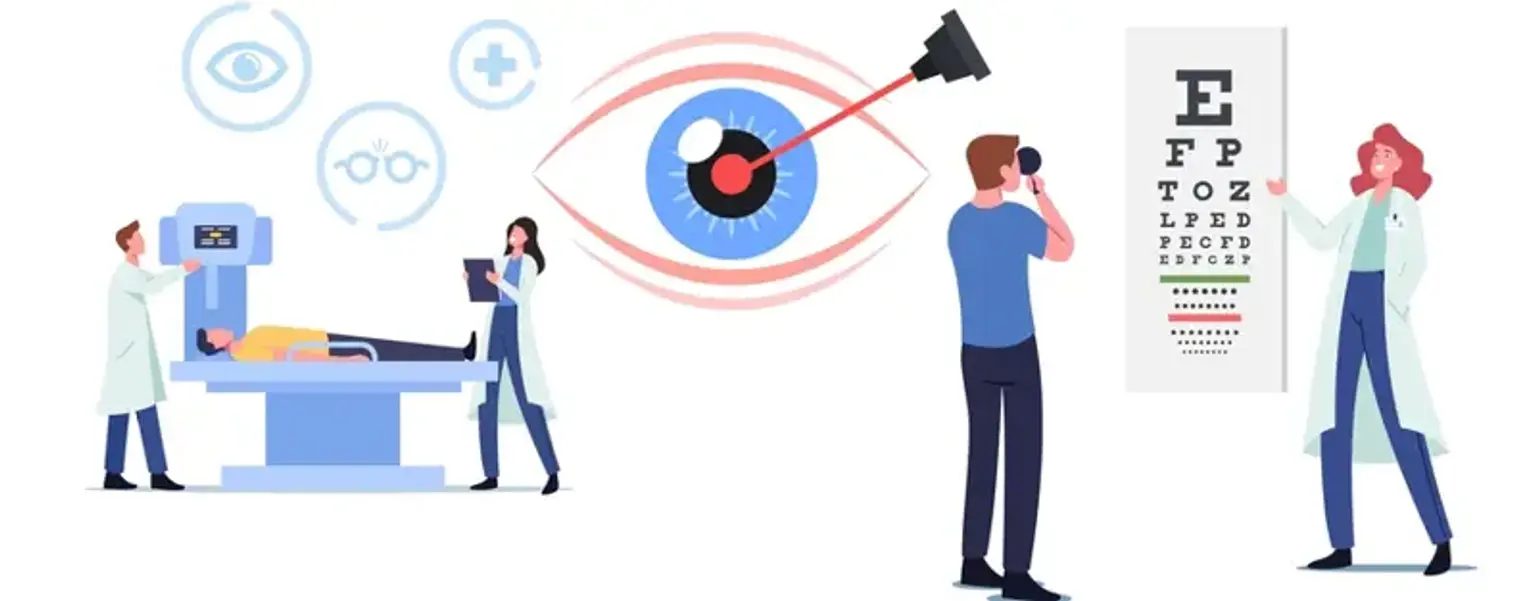
Unlike LASIK, which creates a corneal flap, LASEK involves loosening and repositioning the thin outer layer of the cornea (epithelium) to allow laser reshaping of the underlying tissue. This makes it a safer option for people with thin corneas who are not ideal candidates for LASIK.
The procedure has gained worldwide popularity due to its effectiveness, long-term stability, and suitability for patients who engage in high-impact sports or activities where corneal flap complications could be risky. Many patients choose LASEK for its precision and safety.
Understanding the LASEK Procedure
The LASEK procedure is a straightforward outpatient surgery that takes about 15-20 minutes per eye. It follows these steps:
Numbing the Eye – Eye drops are applied to prevent discomfort.
Loosening the Epithelium – A diluted alcohol solution is used to gently lift the outer layer of the cornea.
Laser Reshaping – An excimer laser removes tiny amounts of corneal tissue to correct vision.
Repositioning the Epithelium – The thin corneal layer is carefully placed back in position.
Protective Lens Placement – A special contact lens is used as a temporary bandage to aid healing.
The use of alcohol makes LASEK different from PRK, where the epithelium is completely removed and must regrow. This allows for slightly faster healing and less discomfort compared to PRK while avoiding LASIK's flap-related risks.
LASEK vs LASIK vs PRK: Key Differences
Each laser eye surgery has unique advantages:
FeatureLASEKLASIKPRKCorneal FlapNoYesNoHealing TimeModerateFastestSlowestPain LevelMild to moderateMinimalMore discomfortBest ForThin corneas, active lifestylesQuick recovery, general useHigh-impact sports, strong corneas
Which One is Best?
LASEK is ideal for those needing a safe, flap-free procedure with moderate healing time.
LASIK is best for patients with thicker corneas seeking the fastest recovery.
PRK is suited for high-risk professions or strong corneas, though it has a longer recovery.
Ultimately, the best choice depends on individual eye health and lifestyle needs. Consulting a specialist will help determine the most suitable option.
Who is a Good Candidate for LASEK?
LASEK is recommended for individuals who:
Have thin corneas, making them unsuitable for LASIK.
Are at higher risk of eye injuries (e.g., athletes, military personnel).
Have mild to moderate refractive errors (myopia, hyperopia, or astigmatism).
Prefer a flap-free procedure to maintain corneal strength.
However, LASEK may not be suitable for those with:
Severe dry eye syndrome, as healing may take longer.
Unstable vision, meaning prescriptions that change frequently.
Certain eye diseases like keratoconus or uncontrolled glaucoma.
A thorough eye examination by an ophthalmologist will determine if LASEK is the right choice.
Risks and Complications of LASEK Surgery
While LASEK is considered a safe and effective vision correction procedure, like any surgery, it comes with potential risks and side effects. Understanding these risks can help patients make an informed decision and prepare for a smoother recovery.
Common Side Effects of LASEK
Most patients experience mild to moderate side effects, which typically resolve within a few weeks:
Temporary Discomfort – Mild burning, itching, or irritation is common in the first few days.
Light Sensitivity – Patients may experience increased sensitivity to bright lights for a few weeks.
Blurred Vision – Vision can be hazy or fluctuate during the healing process.
Dry Eyes – Some patients may experience temporary dryness, requiring lubricating eye drops.
Halos and Glare – Some people notice halos around lights, especially at night, but this usually fades over time.
Rare but Serious Complications
In rare cases, complications may arise:
Corneal Haze – A cloudy appearance of the cornea can develop, especially in patients with higher prescriptions. This is usually temporary and can be treated with medications.
Infection – Though very rare, an eye infection can occur if post-operative care instructions are not followed properly.
Slow Healing – Some individuals take longer to recover, leading to delayed visual clarity.
Undercorrection or Overcorrection – In some cases, additional enhancement procedures may be needed.
How to Minimize Risks?
Follow all pre- and post-operative care instructions provided by the ophthalmologist.
Avoid rubbing the eyes during the healing phase.
Use prescribed antibiotic and anti-inflammatory eye drops as directed.
Wear UV-protective sunglasses outdoors to prevent damage from sunlight.
Attend all follow-up appointments to monitor healing progress.
Despite these potential risks, LASEK is a highly successful procedure with a low complication rate when performed by an experienced surgeon.
Benefits and Effectiveness of LASEK Surgery
LASEK is widely chosen for its long-term effectiveness, safety, and suitability for a wide range of patients. Some key advantages include:
Long-Term Vision Improvement
The majority of patients achieve 20/20 or near-perfect vision after LASEK.
Results are typically permanent, with minimal regression over time.
Many people no longer need glasses or contact lenses after the procedure.
Safer for Thin Corneas
Unlike LASIK, which requires a corneal flap, LASEK preserves more corneal tissue.
This makes it a better option for patients with thin or irregular corneas.
Lower Risk of Dry Eye Syndrome
Since LASEK does not involve cutting corneal nerves (like LASIK), it reduces the risk of chronic dry eye syndrome.
Patients prone to dry eyes before surgery may find LASEK a better alternative.
Ideal for Active Individuals
LASEK is recommended for athletes, military personnel, and individuals in high-risk professions who need strong and stable corneas.
Since there is no corneal flap, there is no risk of flap displacement from impact or trauma.
Better Suitability for Some Eye Conditions
LASEK is effective for correcting myopia, hyperopia, and astigmatism.
Some individuals who are not LASIK candidates due to thin corneas or high prescriptions may still qualify for LASEK.
With its high success rate and long-term stability, LASEK remains a trusted vision correction method worldwide.
Recovery and Healing Process
Recovery after LASEK is slightly longer than LASIK but is still manageable with proper care. Patients should be prepared for gradual vision improvement over several weeks.
Typical LASEK Recovery Timeline
First 24-48 Hours – Patients may experience mild discomfort, sensitivity to light, and watery eyes. Resting with closed eyes helps ease symptoms.
3-7 Days – Vision remains blurry, but discomfort decreases. The protective contact lens is usually removed after about 5 days.
1-2 Weeks – Visual clarity improves, though fluctuations may still occur. Patients can resume light activities.
1 Month – Significant vision improvement is noticeable. Most side effects, like light sensitivity, subside.
3-6 Months – Full stabilization of vision is achieved, with optimal clarity.
Do’s and Don’ts During LASEK Recovery
Do’s:
Use prescribed eye drops regularly to prevent infection and dryness.
Wear UV-blocking sunglasses outdoors to protect healing eyes.
Rest the eyes by limiting screen time in the first few days.
Attend all follow-up visits with the eye surgeon.
Don’ts:
Do not rub your eyes to avoid disturbing the healing epithelium.
Avoid swimming and hot tubs for at least two weeks to prevent infection.
Refrain from heavy exercise or strenuous activities for the first two weeks.
No eye makeup or creams near the eyes for at least a week.
By following these guidelines, patients can ensure a smooth and successful healing process with optimal vision correction results.
Pre-Surgery Preparations
Proper preparation before LASEK surgery helps ensure the best possible outcome. Patients should:
Undergo a Comprehensive Eye Exam – The ophthalmologist evaluates corneal thickness, prescription, and eye health.
Stop Wearing Contact Lenses – Soft lenses should be removed at least a week before the surgery, and hard lenses even earlier.
Avoid Certain Medications – Some medications, such as blood thinners, may need to be paused after consulting a doctor.
Plan for Recovery Time – Arrange for transportation home after surgery and take a few days off work.
Following these guidelines helps create optimal conditions for a smooth procedure and recovery.
Cost of LASEK Surgery
The cost of LASEK surgery varies by location, clinic, and surgeon experience. Understanding pricing factors helps patients plan accordingly.
Average Cost of LASEK Worldwide
United States: $1,500 - $3,500 per eye
United Kingdom: £1,200 - £3,000 per eye
Canada: CAD 2,000 - CAD 3,500 per eye
Europe: €1,200 - €3,000 per eye
Asia (India, Thailand, South Korea): $800 - $2,500 per eye
Factors Affecting LASEK Pricing
Surgeon’s Expertise – Highly experienced specialists charge more.
Clinic Reputation and Technology – Premium laser technology and advanced equipment increase costs.
Location – Prices are higher in major cities and developed countries.
Pre- and Post-Operative Care – Some clinics offer all-inclusive packages covering exams, medications, and follow-ups.
Does Insurance Cover LASEK?
LASEK is usually considered an elective procedure, meaning most insurance plans do not cover it.
However, some vision plans or flexible spending accounts (FSA) / health savings accounts (HSA) may provide partial reimbursement.
Financing options, such as monthly payment plans, are available at many clinics.
For those considering LASEK, comparing multiple clinics, discussing payment options, and checking for financing plans can help make the procedure more affordable.
Post-Surgery Care and Tips for Faster Healing
After LASEK, proper care is crucial for healing and avoiding complications. Patients should:
Use Prescribed Eye Drops – Antibiotic and lubricating drops prevent infections and dryness.
Wear Protective Sunglasses – UV exposure can delay healing, so wearing sunglasses is essential.
Avoid Rubbing the Eyes – The cornea is delicate during recovery, and rubbing can cause irritation.
Limit Screen Time – Reducing digital eye strain helps the eyes heal faster.
Follow-Up Appointments – Regular check-ups ensure proper healing and vision improvement.
Most discomfort subsides within a week, and full vision clarity develops over the following months.
LASEK for Astigmatism and Other Refractive Errors
LASEK is effective in correcting various refractive errors, including:
Astigmatism – LASEK reshapes the cornea to improve vision clarity for astigmatic patients.
Myopia (Nearsightedness) – Helps patients see distant objects more clearly.
Hyperopia (Farsightedness) – Improves focus on close-up objects.
Advanced laser technology enhances precision, leading to high success rates and long-lasting results. Patients with severe prescriptions may need additional treatments or enhancements for optimal vision correction.
Global Popularity and Availability of LASEK
LASEK is widely available in countries with advanced eye care technology, such as:
United States & Canada – Many clinics offer LASEK as an alternative to LASIK for patients with thin corneas.
Europe & UK – High demand for LASEK, especially in patients engaged in contact sports.
Asia (Japan, South Korea, India) – Leading centers specialize in advanced laser eye surgery techniques.
Middle East & Australia – Growing popularity due to increasing awareness and affordability.
Technological advancements continue to improve LASEK outcomes, making it a preferred choice worldwide.
Myths and Misconceptions About LASEK Surgery
Many people have concerns about LASEK due to misinformation. Here are some common myths debunked:
“LASEK is more painful than LASIK.” – While recovery takes longer, discomfort is manageable with prescribed pain relief.
“LASEK results don’t last as long.” – Results are just as long-lasting as LASIK, with proper post-surgery care.
“Only young people can get LASEK.” – Age isn’t a major factor; eligibility depends on eye health and corneal thickness.
“LASEK always causes corneal haze.” – Modern techniques and medications significantly reduce this risk.
Understanding the facts helps patients make informed decisions about their vision correction options.
Safety Measures and Regulations in LASEK Surgery
LASEK is a well-regulated procedure, ensuring high safety standards worldwide:
FDA Approval – LASEK is approved for vision correction in the U.S.
Surgeon Qualifications – Only certified ophthalmologists with specialized training perform the procedure.
Clinic Accreditation – Reputable eye centers follow strict hygiene and technology guidelines.
Patient Screening – Comprehensive exams determine if a patient is a good candidate, reducing risks.
Choosing a qualified surgeon and accredited clinic ensures the safest and most effective LASEK experience.
Advances in LASEK Technology
LASEK has evolved with new technology, improving precision and outcomes. Some advancements include:
Wavefront-Guided LASEK – Uses detailed eye mapping for personalized treatment.
Femtosecond Laser Technology – Offers more precise corneal reshaping.
Mitomycin C Application – Reduces the risk of corneal haze for high-prescription patients.
Faster Healing Techniques – New protective lenses and medications accelerate recovery.
These innovations make LASEK safer, more effective, and accessible to a wider range of patients.
Comparing LASEK with Other Vision Correction Alternatives
While LASEK is a popular choice for vision correction, it’s essential to compare it with other alternatives:
LASEK vs. LASIK – LASIK has a faster recovery time, but LASEK is safer for people with thin corneas and those at risk for flap complications.
LASEK vs. PRK – Both involve removing the epithelium, but LASEK preserves it, potentially reducing discomfort and improving healing.
LASEK vs. Implantable Contact Lenses (ICL) – ICL is an option for high prescriptions but is more invasive and costly.
LASEK vs. SMILE Surgery – SMILE is a newer procedure with a minimally invasive approach, but it is mainly suited for myopia correction.
LASEK remains a preferred option for those who need a safe, flap-free, and effective vision correction method.
FAQs About LASEK Surgery
Here are answers to some of the most common questions patients ask about LASEK:
How long do LASEK results last? – LASEK results are permanent in most cases, though age-related vision changes may occur later in life.
Can LASEK be redone if necessary? – Yes, enhancements can be performed if vision changes significantly over time.
Does LASEK affect night vision? – Some patients may experience glare or halos at night initially, but these effects usually fade.
When can I return to work after LASEK? – Most people can resume work within a week, depending on their level of discomfort and job requirements.
Is LASEK surgery painful? – Mild discomfort is common during the healing process, but pain relief medications and eye drops help manage it.
Understanding these aspects helps patients feel more confident in their decision.
Addressing Common Concerns and Fears
Many people feel nervous before undergoing eye surgery, but understanding the procedure can ease anxiety.
Fear of pain – LASEK is performed under local anesthesia, and discomfort is temporary.
Worry about complications – Serious complications are rare when performed by an experienced surgeon.
Anxiety about results – LASEK has a high success rate, and most patients achieve 20/20 or near-perfect vision.
Concern about eye movement during surgery – Modern laser systems track eye movements to ensure precision.
Discussing concerns with an ophthalmologist and hearing positive patient experiences can help reduce pre-surgery anxiety.
Conclusion
LASEK is a highly effective vision correction procedure, especially for individuals with thin corneas or active lifestyles. It offers long-term vision improvement, a safe alternative to LASIK, and reduced risk of flap complications.
While recovery takes longer than LASIK, the benefits of corneal preservation and lower dry eye risk make LASEK an excellent option. If you’re considering vision correction, consulting a qualified ophthalmologist will help determine if LASEK is the right choice for you.
With advancing technology and high success rates, LASEK remains a trusted solution for clear, sharp vision without the need for glasses or contact lenses.