Introduction
In vitro fertilization (IVF) is a groundbreaking fertility treatment where an egg is fertilized outside the body before being implanted into the uterus. IVF has helped millions of people worldwide achieve pregnancy. However, one of the main challenges in IVF is ensuring that the embryo successfully implants in the uterine lining.
This is where Laser-Assisted Hatching (LAH) comes in. LAH is an advanced technique that enhances embryo implantation by creating a small hole in the zona pellucida, the outer shell of the embryo. This procedure is designed to improve the success rates of IVF, particularly in cases of repeated implantation failure or poor-quality embryos.
Understanding the IVF Process
IVF involves several critical steps:
Egg Retrieval: Mature eggs are collected from the ovaries.
Fertilization: Eggs are fertilized with sperm in the lab.
Embryo Culture: The fertilized eggs develop into embryos over a few days.
Embryo Transfer: The healthiest embryos are selected and transferred into the uterus.
While IVF has come a long way, embryo implantation remains a complex process. For an embryo to implant in the uterine lining, the zona pellucida must dissolve or hatch naturally, allowing the embryo to attach to the uterus. Unfortunately, in some cases, this natural hatching process is inefficient, leading to failed implantations.
Laser-Assisted Hatching helps by manually aiding the embryo in breaking free from its protective shell, potentially improving the chances of successful implantation.
What is Laser-Assisted Hatching?
Laser-Assisted Hatching (LAH) is a technique used during IVF to assist embryos in hatching from the zona pellucida. The procedure involves using a highly precise laser to create a tiny hole in the shell, enabling the embryo to hatch and implant more easily.
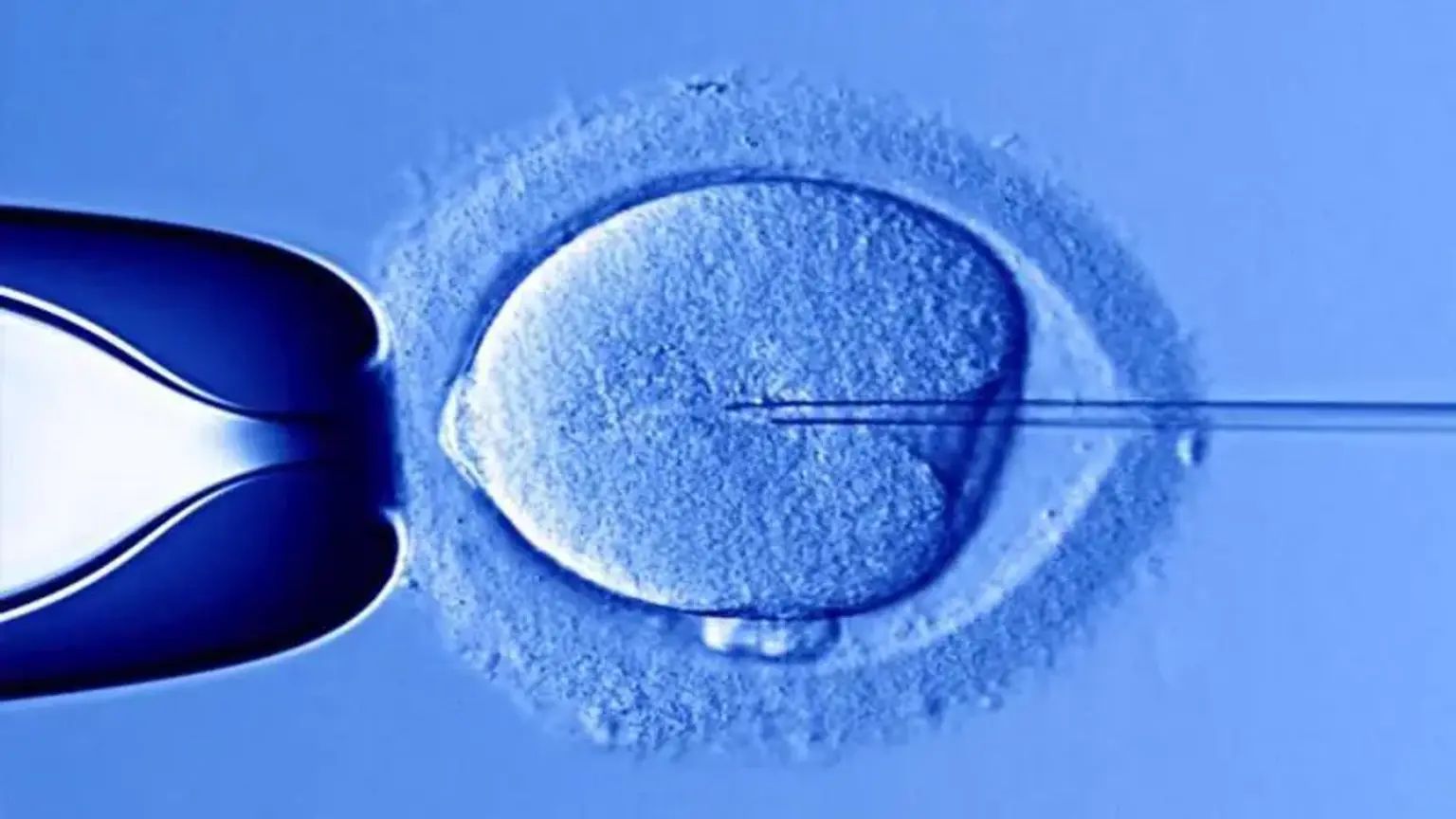
The procedure typically occurs on Day 3 or Day 5 of embryo development, just before embryo transfer. LAH is particularly beneficial for:
Older women: As eggs age, the zona pellucida may become thicker, making natural hatching more difficult.
Poor-quality embryos: Some embryos may struggle to hatch properly, affecting their chances of implantation.
Patients with previous IVF failures: LAH may help those who’ve had repeated unsuccessful IVF attempts due to implantation failure.
The laser used is extremely precise, minimizing damage to the embryo while ensuring the hole is sufficient to aid hatching.
Benefits of Laser-Assisted Hatching in IVF
Laser-Assisted Hatching can significantly improve the chances of IVF success. By helping embryos hatch from the zona pellucida more effectively, it enhances the likelihood of implantation.
Key benefits include:
Increased Success Rates: LAH has been shown to improve implantation success, particularly in cases of previous IVF failures or with lower-quality embryos.
Support for Older Women: As women age, the zona pellucida tends to become thicker, making natural hatching more difficult. LAH can help overcome this issue, improving outcomes.
Enhanced Embryo Survival: LAH can increase the survival rate of embryos that might otherwise struggle to hatch.
Though it’s not necessary for every IVF patient, LAH offers a valuable option for those facing specific challenges.
When is Laser-Assisted Hatching Recommended in IVF Cycles?
Laser-Assisted Hatching isn’t used in every IVF cycle. It’s typically recommended for:
Patients with Previous IVF Failures: If a patient has had one or more failed IVF attempts, LAH might be suggested to improve embryo implantation.
Older Women: The zona pellucida thickens with age, which can make hatching more difficult. LAH is especially useful for women over 35.
Poor Embryo Quality: Embryos with thick or abnormal zona pellucida may benefit from the procedure to improve their chances of implantation.
Limited Embryos Available: For patients with few embryos, ensuring the best possible implantation is crucial, and LAH can help maximize the chances.
Ultimately, the decision to use LAH is based on individual circumstances, and fertility specialists will assess the likelihood of success based on factors like age, egg quality, and prior IVF outcomes.
The Role of Zona Pellucida in Embryo Implantation
The zona pellucida is a protective layer surrounding the embryo. Its main role is to protect the embryo during early development and prevent polyspermy (fertilization by more than one sperm). However, as the embryo matures, it needs to "break out" of this shell to implant in the uterine wall.
In a typical IVF cycle, the embryo naturally hatches from the zona pellucida around Day 5 or 6. However, this process can be impaired by factors such as:
Thick zona pellucida: Some embryos have an unusually thick shell, making it harder for them to hatch.
Age-related changes: As women age, the quality and characteristics of their eggs, including the zona pellucida, may decline.
Embryo quality: Poor-quality embryos may struggle to hatch naturally.
Laser-Assisted Hatching addresses these issues by helping the embryo hatch more effectively, improving its chances of successfully implanting in the uterus.
The Step-by-Step Procedure of Laser-Assisted Hatching
The process of Laser-Assisted Hatching is straightforward but requires precision. Here’s how it works:
Embryo Culturing: Embryos are cultured for 3-5 days after fertilization in preparation for transfer.
Laser Application: On Day 3 or Day 5, a highly focused laser is used to create a small hole in the zona pellucida. This hole allows the embryo to hatch more easily.
Embryo Transfer: After the embryo hatches, it is transferred into the uterus, where it is more likely to implant successfully.
The procedure is minimally invasive and takes just a few minutes. It’s performed in the lab by skilled embryologists under controlled conditions to ensure the embryo’s safety.
Risks and Side Effects of Laser-Assisted Hatching
While Laser-Assisted Hatching is generally considered safe, like any medical procedure, it carries some risks. However, these risks are minimal when the procedure is performed by an experienced embryologist.
Potential risks include:
Embryo Damage: Although rare, excessive laser energy can cause damage to the embryo, affecting its development.
Multiple Pregnancies: LAH can increase the likelihood of twins or higher-order multiples, as it may help embryos implant more easily. This carries additional health risks for both mother and babies.
Increased Risk of Abnormalities: Some studies have raised concerns about the potential for increased genetic abnormalities, though the evidence is inconclusive.
That said, the benefits of LAH typically outweigh these risks, especially when used in the right candidates. Fertility clinics follow strict protocols to ensure that the procedure is as safe as possible.
Laser-Assisted Hatching and IVF Success Rates
Laser-Assisted Hatching can significantly impact IVF success rates. Research suggests that LAH may improve implantation rates, particularly in patients who have faced multiple failed IVF attempts or have lower-quality embryos.
Some key points:
Improved Implantation: LAH can increase the likelihood that the embryo will successfully implant in the uterine lining.
Older Women: For women over 35, the procedure can help overcome age-related challenges, improving embryo survival and pregnancy chances.
Higher Pregnancy Rates: Studies show that when LAH is used, there is a potential for higher pregnancy rates in IVF cycles, particularly in complex cases.
However, it’s important to note that while LAH can boost success rates, it’s not a guarantee. Its effectiveness varies depending on individual circumstances.
The Impact of Laser-Assisted Hatching on Embryo Development
Laser-Assisted Hatching is designed to enhance embryo development by helping embryos hatch more effectively. While the laser creates a small hole in the zona pellucida, it does not significantly affect the overall health or quality of the embryo.
Studies have shown:
Embryo Viability: Embryos that undergo LAH typically show no significant differences in viability or genetic development compared to those that hatch naturally.
Improved Implantation: By aiding the hatching process, LAH improves the chances that the embryo will successfully implant in the uterine lining, which is crucial for achieving a pregnancy.
While the procedure doesn’t directly alter embryo development, it enhances the embryo’s ability to implant, which ultimately increases the likelihood of a successful pregnancy.
Cost of Laser-Assisted Hatching in IVF
Laser-Assisted Hatching is an additional procedure that can increase the overall cost of an IVF cycle. The price can vary depending on the fertility clinic, geographic location, and the specific IVF package.
Cost Range: On average, the additional cost of LAH can range from $300 to $1,000 per IVF cycle.
Insurance Coverage: Some insurance plans may cover LAH if it’s deemed medically necessary, but many do not. It’s important to check with your clinic and insurance provider to understand potential out-of-pocket expenses.
Is It Worth the Cost?: For many patients, the added expense is justified by the potential for higher IVF success rates. For those with a history of failed IVF cycles or poor-quality embryos, LAH can be a crucial step in improving the odds of a successful pregnancy.
While the cost may be an important consideration, the potential for improved success rates often makes it a worthwhile investment for couples undergoing IVF.
Success Stories and Real-World Results of Laser-Assisted Hatching
Many patients have seen significant improvements in their IVF outcomes after undergoing Laser-Assisted Hatching. Success stories often highlight couples who had previously faced challenges with embryo implantation or had multiple failed IVF cycles.
For instance, a patient in their early 40s with limited embryo quality may have struggled to conceive through traditional IVF. After opting for LAH, the procedure helped the embryos hatch and implant successfully, resulting in a pregnancy.
While results vary, numerous studies and patient testimonials suggest that Laser-Assisted Hatching can be a game-changer, particularly for those with specific fertility issues like advanced maternal age, poor-quality embryos, or previous IVF failures.
How to Prepare for Laser-Assisted Hatching in IVF
Preparing for an IVF cycle that includes Laser-Assisted Hatching involves following a few key steps to ensure the best chances of success:
Pre-Treatment Assessment: Your fertility doctor will conduct several tests to assess your overall reproductive health and identify any factors that might affect your IVF cycle.
Embryo Quality Evaluation: The embryologist will evaluate your embryos to determine if LAH is necessary. If your embryos are of good quality, the procedure may not be needed.
Discuss with Your Doctor: Make sure to have an in-depth conversation with your doctor about the pros and cons of LAH, especially if you have had prior failed IVF cycles.
Post-Treatment Care: After the procedure, your doctor will monitor the progress of the embryo transfer to ensure that implantation occurs successfully.
By following the necessary preparation steps, patients can maximize their chances of IVF success, including the potential benefits of Laser-Assisted Hatching.
Frequently Asked Questions About Laser-Assisted Hatching
Is Laser-Assisted Hatching suitable for everyone?
No, LAH is not necessary for all IVF patients. It’s typically recommended for those who have had multiple IVF failures, older women, or patients with poor-quality embryos.
Does LAH increase the chances of pregnancy?
While it doesn’t guarantee success, LAH can significantly improve the chances of implantation and pregnancy, especially in cases where the embryo’s natural hatching process is compromised.
Is Laser-Assisted Hatching painful?
The procedure is performed on the embryo in the laboratory, so there is no pain or discomfort for the patient. It is a minimally invasive, quick process.
What happens if the embryo doesn’t hatch with LAH?
Though rare, if the embryo doesn't hatch successfully after LAH, the embryo transfer will proceed as planned. It’s important to remember that not every embryo will implant, even with assistance.
Global Popularity and Trends of Laser-Assisted Hatching
Laser-Assisted Hatching has become a well-established technique in fertility clinics worldwide, particularly in countries with advanced IVF practices. The procedure is commonly offered in countries like the United States, United Kingdom, Australia, and Canada.
Global Adoption: As IVF success rates continue to improve, many fertility clinics now offer LAH as part of their standard services, especially for patients with specific challenges.
Growth in Demand: With more awareness about its benefits, the demand for LAH is steadily increasing. Couples who have faced repeated IVF failures or who are older are more likely to opt for this procedure.
Medical Advancements: As IVF technology evolves, the laser technology used for LAH has also become more precise and less invasive, improving the safety and success rates of the procedure.
The growing popularity of Laser-Assisted Hatching reflects its potential to improve fertility outcomes, especially for patients who may have otherwise struggled to conceive.
The Role of Embryologists in Laser-Assisted Hatching
Embryologists play a critical role in the success of Laser-Assisted Hatching. These specialists are responsible for carefully evaluating embryos, determining if LAH is necessary, and performing the procedure with precision.
Embryologist Expertise: A skilled embryologist uses a highly focused laser to create a small hole in the zona pellucida, ensuring minimal damage to the embryo.
Customized Approach: Each embryo is unique, so embryologists assess factors like embryo quality, age, and implantation potential before recommending LAH.
Their expertise ensures the procedure is safe and effective, maximizing the chances of IVF success.
How Laser-Assisted Hatching Improves IVF Outcomes for Women Over 35
As women age, fertility naturally declines, and the zona pellucida often thickens, making embryo hatching more difficult. For women over 35, this can reduce the chances of implantation during IVF.
Laser-Assisted Hatching can help by:
Improving Hatching Efficiency: LAH assists embryos in breaking through the thickened zona pellucida, improving their chances of implantation.
Increasing Pregnancy Rates: Studies show that LAH improves success rates for older women, who may otherwise face lower pregnancy outcomes with traditional IVF.
For women in their late 30s or early 40s, LAH can be a valuable tool in overcoming age-related fertility challenges.
Emotional Considerations and Support During IVF with LAH
Undergoing IVF, especially with Laser-Assisted Hatching, can be an emotional rollercoaster for patients. The stress of IVF treatments, combined with the uncertainty of outcomes, can be overwhelming.
Emotional Support: Many fertility clinics offer counseling services to help patients navigate the emotional aspects of IVF. Support from family, friends, and a strong support network can make the process easier.
Managing Expectations: While LAH can improve chances of success, it’s essential to remain realistic. Pregnancy rates can vary, and IVF can take multiple attempts for some patients.
Staying positive, managing stress, and seeking professional support can help you through the process, no matter the outcome.
Conclusion
Laser-Assisted Hatching represents a significant advancement in fertility treatments. As IVF technology continues to evolve, LAH is becoming a standard option for many patients facing implantation challenges.
The future of this technique looks promising, with ongoing research aimed at improving its precision and success rates. As more patients benefit from LAH, it will continue to be a vital tool in the fight against infertility.
For those struggling with IVF success, Laser-Assisted Hatching offers hope, improving the chances of conception and ultimately helping patients achieve their dream of parenthood.