Introduction
Overview of Cervical Health and Dysplasia
Cervical health is a crucial aspect of a woman’s overall well-being, and regular screenings can help detect any abnormalities before they lead to more serious health issues. One of the most important tools in detecting cervical problems is the Pap smear, which screens for abnormal cells in the cervix. When abnormal cells are found, it can be an indication of cervical dysplasia, a condition where cells in the cervix begin to grow abnormally. If left untreated, cervical dysplasia can develop into cervical cancer.
Early detection and intervention are key to preventing the progression of cervical abnormalities. Cervical conization, a medical procedure where a cone-shaped portion of abnormal tissue is removed from the cervix, plays a significant role in treating these abnormalities. Among the different methods for cervical conization, laser cervical conization is becoming increasingly popular due to its precision, effectiveness, and relatively quick recovery time.
What is Laser Cervical Conization?
Laser Cervical Conization is a minimally invasive procedure that uses a concentrated beam of laser light to remove abnormal tissue from the cervix. It is typically recommended for women with moderate to severe cervical dysplasia or precancerous changes detected during routine screenings like a Pap smear or colposcopy. The laser focuses on the abnormal cells, vaporizing or coagulating them, and leaving healthy tissue intact.
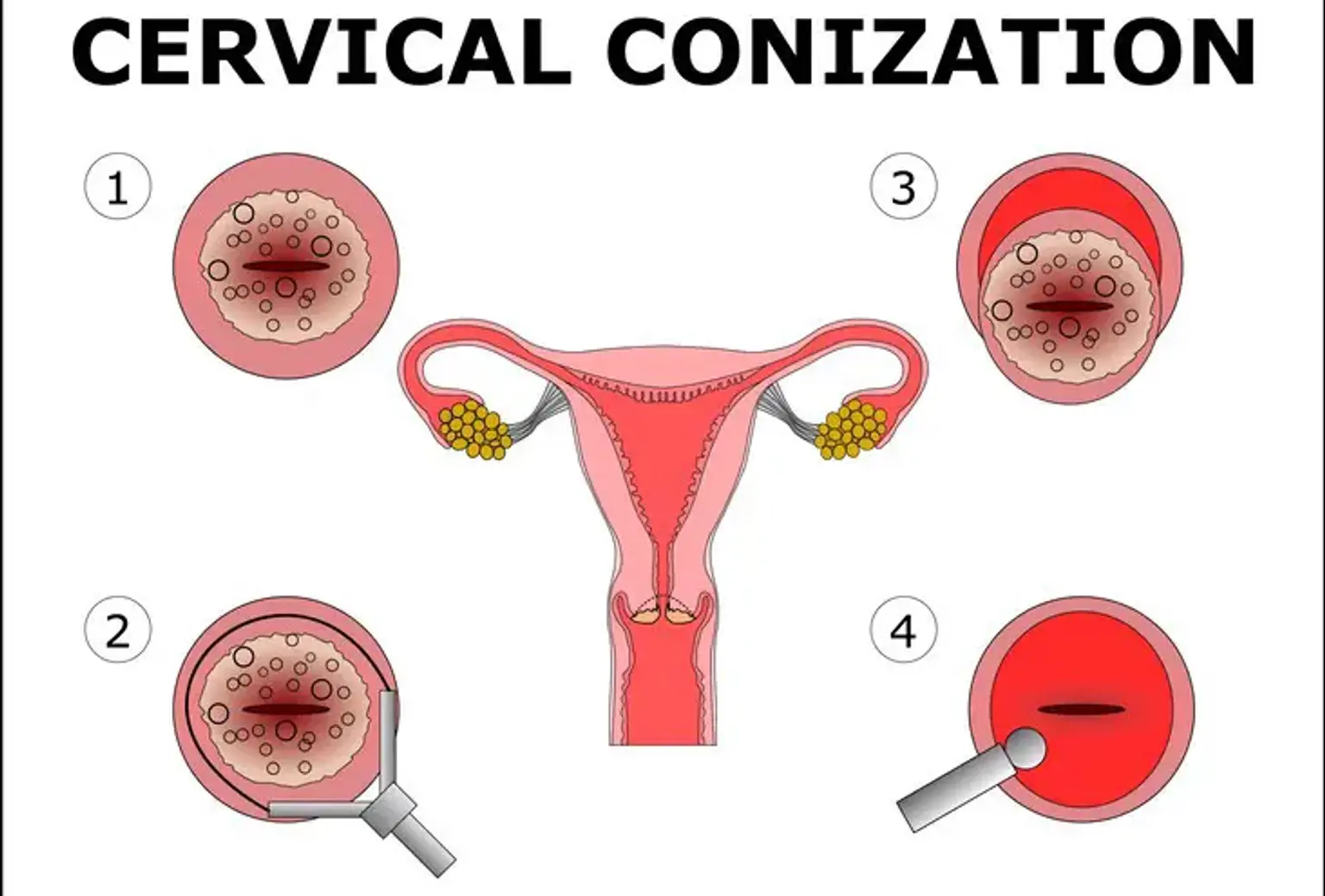
Laser conization is often preferred over other methods such as cold knife conization or loop electrosurgical excision procedure (LEEP) because of its precision. The laser can selectively remove the abnormal tissue with minimal damage to surrounding healthy tissue, which reduces the risk of scarring. This precision also minimizes the risk of bleeding, making the procedure safer and more effective for many women.
The procedure is an outpatient treatment, meaning patients can typically go home the same day, and it is performed under local anesthesia, making it less invasive compared to traditional surgical methods.
The Laser Cervical Conization Procedure
How Laser Cervical Conization Works
The laser cervical conization procedure begins with a thorough examination of the cervix using a tool called a colposcope, which magnifies the cervix to allow the doctor to closely inspect the tissue. Once abnormal tissue is identified, the laser is carefully directed to the affected areas.
A specialized laser probe is used to focus intense light on the tissue, which vaporizes or removes the abnormal cells. The laser can be used in different settings, depending on the size and location of the abnormal tissue, and can treat both visible and microscopic lesions.
The precision of the laser is one of its main advantages. Unlike traditional methods, which may require larger cuts or remove more tissue, the laser's targeted action helps to minimize the surrounding healthy tissue's damage. The procedure usually takes around 15 to 30 minutes, depending on the extent of the abnormality being treated.
Indications for Laser Cervical Conization
Laser cervical conization is primarily recommended for women who have been diagnosed with moderate to severe cervical dysplasia or precancerous lesions on the cervix. These conditions are often detected through a Pap smear or colposcopy, which are routine screening methods. If a Pap smear shows abnormal results or a colposcopy identifies abnormal tissue, further investigation is needed to determine the severity of the changes.
In addition to cervical dysplasia, laser conization may also be recommended for women with certain types of HPV infections (Human Papillomavirus) that cause changes in the cervical cells. Persistent HPV infections can lead to precancerous changes, so removing the abnormal tissue can prevent the development of cervical cancer.
In some cases, laser conization is used as a follow-up treatment after other procedures have failed to remove the abnormal tissue. It can also be an option for women who have been diagnosed with early-stage cervical cancer but are looking to preserve their fertility, as it removes the tissue without damaging the uterus or ovaries.
Recovery and Aftercare
Recovery Process After Laser Cervical Conization
After undergoing laser cervical conization, most women experience a relatively smooth recovery, especially when compared to more invasive procedures. Since it is minimally invasive, the recovery time is typically shorter, and many women can resume their normal daily activities within a few days to a week. However, it is important to follow proper aftercare instructions to ensure optimal healing and minimize complications.
In the first 24-48 hours after the procedure, some vaginal spotting or light bleeding is common. This is a normal part of the healing process as the cervix recovers from the removal of abnormal tissue. Patients may also experience mild cramping, which can be managed with over-the-counter pain relievers like ibuprofen or acetaminophen.
It is important for women to avoid strenuous activities and heavy lifting for at least a week following the procedure. Sexual intercourse, douching, and the use of tampons should also be avoided for about 4-6 weeks to allow the cervix to heal properly and reduce the risk of infection.
While most women experience a mild recovery process, follow-up appointments are essential to monitor the healing progress and ensure that the abnormal tissue has been completely removed. Your healthcare provider will schedule follow-up tests, such as a Pap smear or HPV testing, to confirm that there are no remaining precancerous cells and to ensure that the cervix is healing properly.
Potential Long-Term Outcomes and Follow-Up
Long-term outcomes after laser cervical conization are generally positive for most women. The procedure is highly effective at removing precancerous cells and significantly reducing the risk of cervical cancer. In many cases, the recurrence of abnormal cells is low after treatment, but follow-up care is crucial to ensure ongoing cervical health.
Regular Pap smears and HPV testing are typically recommended every 6 to 12 months following the procedure, depending on the individual’s medical history and risk factors. These tests help detect any recurrence of abnormal cells early on, allowing for prompt treatment if needed. Depending on the results, a woman may be advised to continue regular monitoring for several years.
In the rare case that abnormal cells reappear, further treatment may be necessary. However, many women who undergo laser cervical conization never experience a recurrence of cervical dysplasia or cancer, thanks to the success of the procedure in removing the precancerous tissue.
For women who have had early-stage cervical cancer treated with laser conization, long-term monitoring is essential to ensure that no cancerous cells remain. In most cases, laser conization can effectively prevent the cancer from progressing, especially when combined with regular screenings.
Benefits and Risks of Laser Cervical Conization
Benefits of Laser Cervical Conization
Laser cervical conization offers several key benefits, making it a preferred choice for many women with cervical abnormalities. One of the main advantages is its minimally invasive nature, meaning it doesn’t require large incisions or extensive recovery time. This translates to a quicker recovery, allowing women to return to their normal activities faster compared to traditional surgical methods.
The precision of the laser also means that only the abnormal tissue is affected, which greatly reduces the risk of damage to surrounding healthy tissue. As a result, bleeding is minimized, and the risk of scarring or long-term complications is lower. This is particularly important for women who wish to preserve fertility, as laser conization typically has less impact on the cervix than more invasive procedures.
Additionally, laser conization can be highly effective in treating abnormal cells and preventing the development of cervical cancer. Studies have shown that, when performed correctly, laser cervical conization has a high success rate in removing precancerous cells, with a low recurrence rate of cervical abnormalities.
Risks and Potential Complications
While laser cervical conization is generally safe, like any medical procedure, there are some risks and potential complications to consider. Some women may experience minor bleeding or spotting after the procedure, which is usually temporary. However, if the bleeding is excessive or prolonged, medical attention may be necessary.
Another potential risk is infection, which can occur if proper aftercare instructions are not followed. Signs of infection may include fever, severe pain, or unusual discharge, and prompt treatment with antibiotics is necessary in such cases.
In rare cases, cervical scarring can occur, which may lead to complications during pregnancy, such as preterm labor or difficulties with cervical dilation during labor. However, these risks are minimal and can be mitigated by careful monitoring and follow-up care.
Despite the risks, the overall safety record of laser cervical conization is excellent, and most women experience no long-term complications. The procedure's benefits often outweigh the potential risks, particularly when it comes to preventing the development of cervical cancer.
Addressing Concerns and FAQs
Is Laser Cervical Conization Safe?
One of the most common questions women have before undergoing laser cervical conization is whether the procedure is safe. In general, the procedure has a strong safety record and is considered very safe when performed by a qualified healthcare provider. Laser conization is minimally invasive, and the laser's precision reduces the risk of complications like bleeding or damage to surrounding tissues.
However, as with any medical procedure, there are risks involved. Women should ensure they are well-informed about potential side effects, such as minor bleeding or infection, and follow post-procedure instructions carefully to minimize these risks. It is essential to have the procedure performed by an experienced practitioner who is skilled in using laser technology for cervical conization.
For women who are concerned about fertility or pregnancy after the procedure, studies suggest that laser conization typically has a minimal impact on fertility. While there is a small risk of cervical scarring, which could potentially affect pregnancy or delivery, most women go on to have normal pregnancies and deliveries after laser conization.
Can Laser Cervical Conization Affect Fertility?
Many women are understandably concerned about the impact of laser cervical conization on their future fertility. The good news is that, for the vast majority of women, laser conization does not affect fertility. Since the procedure is focused on removing abnormal tissue without significantly damaging the cervical structure, women can still conceive and carry a pregnancy to term.
However, there are rare cases where cervical scarring may occur, which could affect the cervix’s ability to dilate properly during labor or increase the risk of premature labor. This is why it is important for women to follow their healthcare provider's aftercare instructions carefully and attend follow-up appointments to monitor the healing process.
If a woman plans to get pregnant after laser conization, it’s crucial to discuss any concerns with her healthcare provider. In many cases, a preconception check-up will be recommended to ensure that the cervix is in optimal condition for pregnancy. For most women, however, laser conization is a safe and effective procedure that does not interfere with fertility.
Is the Procedure Painful?
Pain is a common concern for many women considering laser cervical conization, but the procedure is generally well-tolerated. Most women experience minimal pain during the procedure because it is performed under local anesthesia, which numbs the cervix. Some discomfort, such as mild cramping or pressure, may be felt during the procedure, but this is typically brief and manageable.
After the procedure, some women may experience mild cramping or spotting as the cervix heals. These symptoms are usually temporary and can be managed with over-the-counter pain relievers. If the pain is severe or persistent, it is important to contact a healthcare provider, as this could indicate a complication.
To help manage any discomfort, women are often advised to rest and avoid strenuous activities for a few days. Using a heating pad and taking over-the-counter pain medication can help alleviate any cramping or discomfort during the recovery period.
Global Popularity and Success Rates
Laser Cervical Conization Around the World
Laser cervical conization has gained popularity worldwide as an effective and minimally invasive method for treating cervical dysplasia and precancerous lesions. The procedure is performed in many countries, especially in developed healthcare systems where advanced medical technologies are widely available. It is considered the standard of care for women with moderate to severe cervical dysplasia or those at risk of developing cervical cancer.
In countries such as the United States, Canada, and across Europe, laser cervical conization is commonly performed in outpatient settings, typically by gynecologists or specialists in colposcopy. These countries benefit from well-established screening programs like Pap smears and HPV tests, which help detect abnormal cervical cells early, making procedures like laser conization an essential part of preventive care.
Emerging economies are also beginning to adopt laser conization as part of their efforts to improve women's health outcomes. For example, in regions where HPV vaccination rates are increasing and cervical cancer prevention initiatives are expanding, laser cervical conization is being increasingly used to manage precancerous lesions and reduce the incidence of cervical cancer.
While access to laser cervical conization is improving globally, challenges remain in less-developed regions. The cost of the procedure and the need for specialized equipment and trained practitioners can limit its availability in some parts of the world. However, the increasing recognition of the importance of cervical health is driving efforts to make this life-saving procedure more accessible, particularly in resource-limited settings.
Success Rates of Laser Cervical Conization
The success rates of laser cervical conization are generally very high, especially when the procedure is performed on women with moderate to severe dysplasia. According to medical studies, the procedure has a success rate of over 90% in completely removing precancerous cells from the cervix. This high success rate is one of the reasons why laser conization is favored over other methods such as LEEP (Loop Electrosurgical Excision Procedure) and cold knife conization.
In many cases, the procedure can prevent the development of cervical cancer by removing the abnormal tissue early, which significantly reduces the risk of cancerous progression. In fact, research shows that the risk of cervical cancer is lowered by more than 50% in women who undergo laser cervical conization for high-grade dysplasia.
While the recurrence rate of cervical dysplasia after laser conization is low, it’s important to note that some women may experience a return of abnormal cells, especially if they have persistent HPV infections. This is why regular follow-up screenings are essential. Early detection of any recurrence can help ensure further treatment is provided before cancer develops.
Factors Affecting Success Rates
Several factors can influence the success rate of laser cervical conization. One of the key factors is the extent of the abnormal tissue. If the dysplasia is confined to a small area, the chances of a successful outcome are much higher. Conversely, if the abnormality is widespread, the procedure may need to be performed more than once or followed up with additional treatments.
Age can also play a role in the success of the procedure. Younger women, especially those who have not yet undergone menopause, tend to have a better outcome because their cervix is generally more resilient and heals more efficiently. Women who are pregnant or planning to become pregnant may also face different considerations, as healing and scarring may impact future pregnancies.
Additionally, the skill and experience of the healthcare provider performing the laser conization is crucial. A highly trained and experienced gynecologist or colposcopist is more likely to achieve a successful outcome, as the laser requires precise handling and exact focus to avoid damaging healthy tissue.
Cost, Insurance, and Accessibility
Cost of Laser Cervical Conization
The cost of laser cervical conization can vary significantly depending on the healthcare system, geographical location, and the specific healthcare provider. In countries like the United States, the procedure can range from $1,500 to $4,000 or more, depending on factors such as the complexity of the case and whether the procedure is performed in a hospital or outpatient clinic.
In Europe and Canada, the procedure is often covered under national health insurance plans, though additional costs may arise for specific consultations or follow-up care. Similarly, in countries with universal healthcare systems, the procedure may be fully covered or available at a reduced cost to patients.
In private healthcare settings, patients may incur higher costs for the procedure, which can include the cost of diagnostics, anesthesia, follow-up visits, and any potential additional treatments if needed.
For women in developing countries, the cost of laser cervical conization can be a significant barrier. Many healthcare systems may not have access to the necessary technology or trained practitioners, and the procedure may be prohibitively expensive. However, some international health organizations and non-profit organizations are working to improve access to cervical cancer prevention and treatment in low-income areas, including through subsidized costs or donations of medical equipment.
Insurance Coverage and Financial Assistance
For women living in countries with health insurance coverage, the cost of laser cervical conization is often partially or fully covered. Insurance plans typically cover the procedure when it is deemed medically necessary, which is usually the case when abnormal cervical cells are detected through routine screenings. However, some insurance plans may require prior approval, and certain conditions must be met before they agree to pay for the procedure.
In addition to standard insurance coverage, some women may qualify for financial assistance programs, particularly in countries with government-funded healthcare. These programs can help cover the costs of diagnostics, tSection 8: Patient Outcomes, Long-Term Prognosis, and Global Impact
Patient Outcomes After Laser Cervical Conization
The majority of women who undergo laser cervical conization experience successful outcomes. The procedure effectively removes abnormal tissue, reducing the risk of cervical cancer. Studies show over 90% success in preventing cancer progression when performed on women with moderate to severe dysplasia. For most, recovery is quick, with minimal discomfort and a low recurrence rate of abnormal cells.
However, follow-up screenings remain crucial to detect any recurrence early. Regular Pap smears and HPV testing are recommended for years after the procedure to ensure continued cervical health.
Long-Term Prognosis
The long-term prognosis after laser conization is generally excellent. Most women do not experience a return of abnormal cells and go on to lead healthy, cancer-free lives. The risk of cervical cancer is greatly reduced, especially if early and appropriate treatment is followed. For those with persistent HPV infections, follow-up treatments may be necessary, but for most women, the procedure is a one-time intervention that successfully addresses precancerous changes.
Global Impact of Laser Cervical Conization
Laser cervical conization plays a significant role in global cervical cancer prevention. In regions with advanced healthcare systems, it is a widely used method for treating cervical dysplasia and preventing cancer. The procedure’s accessibility is improving worldwide, although challenges remain in resource-limited areas due to costs and access to specialized care. As awareness of cervical cancer and HPV vaccination grows globally, laser cervical conization will continue to be a key part of cervical health management, helping to reduce the global burden of cancer.reatments, and follow-up care, making the procedure more accessible to those who might otherwise be unable to afford it.
For women who are uninsured or underinsured, it is recommended to inquire about payment plans, sliding-scale fees, or alternative funding options that may be available. Many healthcare providers offer flexible payment options to ensure that women can receive necessary treatments without undue financial strain.
Frequently Asked Questions (FAQs)
Can Laser Cervical Conization Be Done During Pregnancy?
Laser cervical conization is generally not recommended during pregnancy, as it carries potential risks to both the mother and the fetus. The procedure is typically postponed until after childbirth unless there is an urgent need to remove abnormal tissue for cancer prevention. In such cases, doctors may discuss the risks and benefits of performing the procedure during pregnancy.
How Long Will the Results of Laser Cervical Conization Last?
The results of laser cervical conization are usually long-lasting, especially when the procedure is successful in removing the abnormal tissue completely. Most women do not experience a recurrence of cervical dysplasia after the procedure, but regular follow-up screenings are essential to monitor for any potential changes in cervical health.
What Happens If I Don't Have the Procedure?
If you have been diagnosed with cervical dysplasia and do not undergo laser cervical conization or other recommended treatments, the abnormal cells can progress to cervical cancer over time. Regular screenings and early interventions are critical for preventing the development of cervical cancer, which is why it is important to follow your healthcare provider's advice on treatment options.
Conclusion
Laser cervical conization is a highly effective procedure for treating precancerous cervical changes, with minimal recovery time and low complication rates. By removing abnormal cells, it significantly reduces the risk of cervical cancer. Most women experience excellent long-term outcomes and can expect to return to normal activities within a short time.
While the procedure is safe and minimally invasive, regular follow-up care is essential to ensure that the cervix heals properly and to detect any recurrence of abnormal cells. Women can generally expect to resume normal lives after the procedure, with a significantly reduced risk of developing cervical cancer in the future.
Globally, laser conization plays a vital role in cervical cancer prevention, particularly in developed healthcare systems, though there are challenges in less-resourced regions. Increased access to treatment, along with HPV vaccination and early screening programs, will continue to reduce the global impact of cervical cancer.
For women diagnosed with cervical dysplasia or other abnormal changes, laser cervical conization offers a safe and effective solution for maintaining long-term health and preventing the progression to cancer.