Understanding
Amblyopia, commonly known as "lazy eye," is a condition where one eye does not develop normal vision, leading the brain to rely more on the stronger eye. This causes reduced vision in the weaker eye, and if left untreated, it can lead to permanent vision impairment. It often develops in childhood, and because the brain "chooses" the stronger eye, the weaker eye is neglected, which can affect depth perception and overall vision.
Amblyopia is different from other eye conditions like strabismus (crossed eyes), where the eyes are misaligned but the brain may still use both eyes. In amblyopia, the misalignment is not always noticeable, making it important to monitor for other signs such as squinting, tilting the head, or difficulty focusing.
Common Causes of Amblyopia
Several factors can lead to amblyopia:
Refractive errors: Conditions like myopia (nearsightedness), hyperopia (farsightedness), and astigmatism cause blurry vision. If not corrected early, these refractive errors can lead to amblyopia in children.
Strabismus: Misalignment of the eyes, or crossed eyes, is one of the most common causes of amblyopia. When one eye turns inward, outward, or up and down, the brain might ignore the visual input from that eye, leading to weakened vision.
Structural issues: Cataracts (clouded lens) or ptosis (droopy eyelid) can block vision in one eye, preventing it from developing properly.
Genetics: Children with a family history of eye problems are at a higher risk of developing amblyopia.
Early diagnosis and treatment are essential in preventing long-term vision problems associated with amblyopia.
Diagnosis of Amblyopia
Amblyopia is typically diagnosed through a comprehensive eye exam conducted by an eye care specialist, such as an optometrist or ophthalmologist. The exam includes testing visual acuity (how well the child can see) and examining the eye for any structural issues. The eye care provider may also check for strabismus, cataracts, or other conditions that might be affecting the eye's ability to function.
In many cases, amblyopia is diagnosed before parents notice any issues. This is why routine eye exams, especially in early childhood, are crucial for detecting problems early. If a child exhibits signs like misaligned eyes or difficulty focusing, an eye exam is essential to determine if amblyopia is present.
Parents should be proactive about scheduling regular vision screenings for their children, particularly if there is a family history of eye problems. Early detection allows for timely intervention, which is crucial for the success of treatmen
The Role of Surgery in Amblyopia Treatment
Surgery is generally not required for amblyopia unless there are underlying structural issues that cannot be corrected with non-surgical treatments. Surgical options may be needed in the following cases:
Strabismus surgery: If the eyes are misaligned due to strabismus, surgery may be required to correct the alignment. This helps the eyes work together more effectively, but it does not necessarily fix amblyopia by itself.
Cataract surgery: In cases where cataracts (cloudy lenses) are the cause of the amblyopia, removing the cataracts can restore vision, but the brain may still need additional treatment, like patching, to strengthen the weaker eye.
Surgery is usually considered only after other treatments have been tried or if there is a clear, treatable condition like cataracts or a misaligned eye. It’s important to follow post-surgery care and continue with other treatments to improve the chances of success.
Identifying Amblyopia: Signs and Symptoms
The signs of amblyopia are not always obvious, especially in young children. Often, a child may not be able to communicate that their vision is impaired. However, there are key signs to watch for:
Squinting: A child with amblyopia may squint or close one eye to see better, especially in bright light or when trying to focus on distant objects.
Head tilting: Children with amblyopia might tilt their head or cover one eye to compensate for their weak vision.
Difficulty with depth perception: Amblyopia can affect the ability to judge distances accurately, leading to clumsiness or trouble with activities that require depth perception, like catching a ball.
Eye misalignment: While not always present, sometimes one eye may appear to drift inward, outward, or up/down, which can indicate a case of strabismus leading to amblyopia.
It’s important for parents to pay attention to these signs and consult an eye care specialist if any concerns arise. Routine vision screenings during checkups are crucial, as they can detect amblyopia before symptoms become apparent.
Vision Therapy and Exercises for Amblyopia
While no specific "eye exercises" can cure amblyopia on their own, vision therapy can complement other treatments by strengthening the connection between the brain and the weaker eye. Vision therapy typically involves activities that encourage the use of both eyes, such as:
Interactive games: Special digital games or computer programs can improve eye coordination by providing visual tasks that require focusing with both eyes.
Puzzle solving: Activities like jigsaw puzzles or drawing help train the brain to process visual information from both eyes.
Target activities: Eye care specialists may prescribe tasks that involve focusing on targets or objects at varying distances.
While these exercises are helpful, they are most effective when paired with other treatments, such as patching or atropine drops, to force the brain to use the weaker eye. Regular follow-up with an eye care specialist ensures that therapy is progressing as planned.
Can Amblyopia Be Treated in Adults?
While amblyopia is traditionally treated in children, treatment is possible for adults, though it can be more challenging. The brain's ability to adapt is more limited in adulthood, making it harder to strengthen the weaker eye. However, some treatments can still offer improvements:
Vision therapy: In some cases, adults can benefit from vision therapy to improve the coordination between both eyes, although the results may not be as significant as in children.
Surgery: If strabismus is present, surgery can align the eyes and improve cosmetic appearance, but it may not fully restore vision in the weaker eye.
Eyeglasses or contact lenses: These can correct refractive errors, which may improve vision, but again, the brain may not fully reconnect with the weaker eye.
While treatment in adults can still provide some benefits, it is generally more effective the earlier the condition is addressed. Early intervention is key to achieving the best results.
Global Approaches to Amblyopia Treatment
Amblyopia treatment varies across the globe depending on healthcare access, technology, and early diagnosis practices. In developed countries, early screening programs in schools and pediatric check-ups have led to earlier detection, improving outcomes. Many countries now have guidelines for vision screenings, ensuring that children at risk of amblyopia receive timely treatment.
In contrast, some regions with limited healthcare infrastructure may face challenges in providing routine screenings or treatments. Lack of awareness about the condition can delay diagnosis and treatment, leading to poorer outcomes. However, organizations and governments are working together to raise awareness and improve access to care, especially in underserved areas.
Despite these challenges, the global trend is toward a more proactive approach to amblyopia, with greater emphasis on early diagnosis, better training for healthcare providers, and increased access to modern treatments like atropine drops and vision therapy.
Treatment Options: How To Fix Lazy Eye
Treating amblyopia involves encouraging the brain to use the weaker eye. The most common treatments include:
Eyeglasses: If refractive errors are the cause, eyeglasses can correct the vision in the weaker eye, helping the brain to reconnect with it. This treatment may be enough for mild cases of amblyopia.
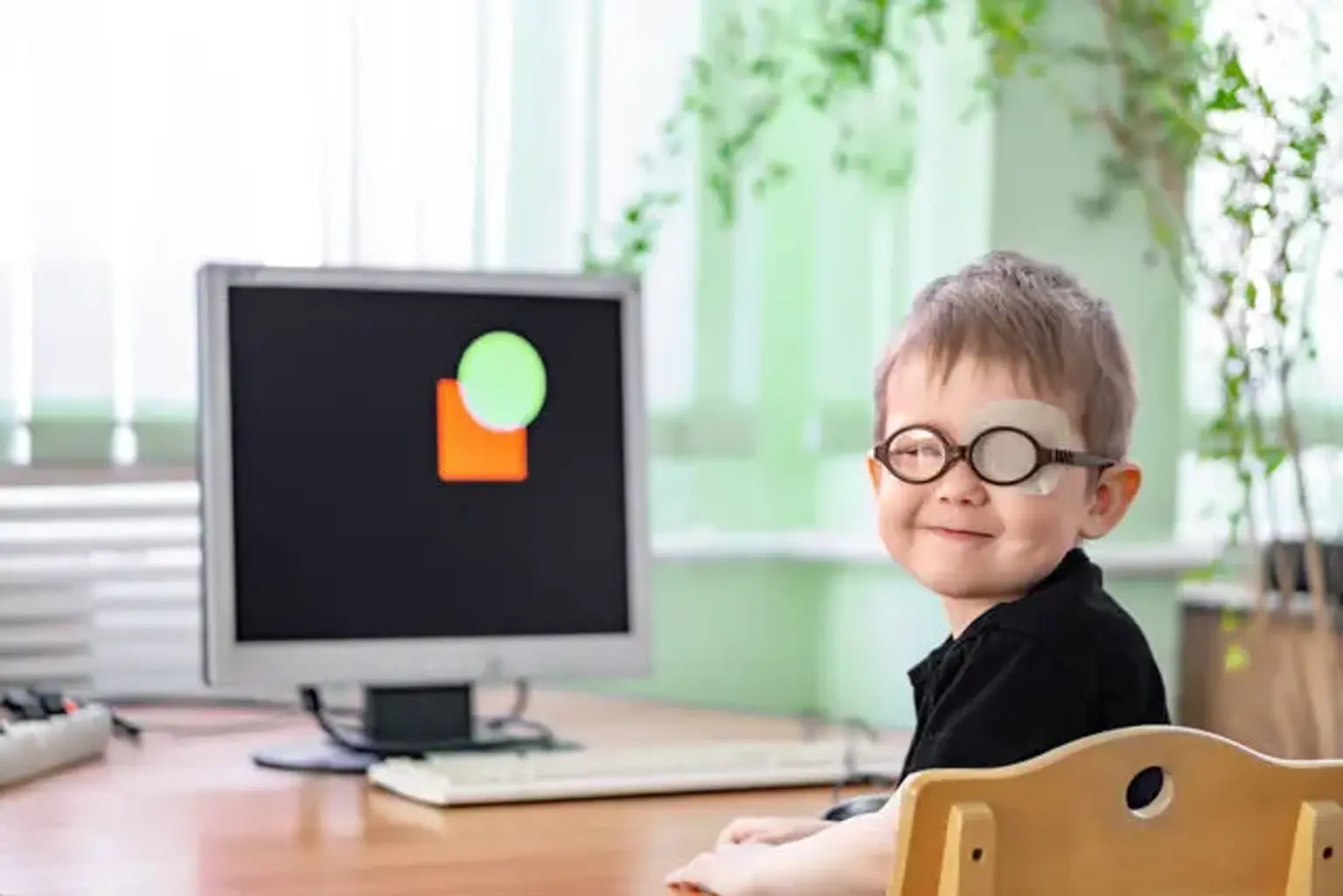
Eye patch therapy: One of the most well-known treatments for amblyopia, an eye patch is worn over the stronger eye. This forces the brain to use the weaker eye more actively. The patch is usually worn for a few hours a day, but the duration depends on the severity of the condition.
Atropine drops: These drops temporarily blur vision in the stronger eye, making the brain rely on the weaker one. It’s an alternative to patching, particularly useful for children who resist wearing an eye patch.
Vision therapy: Specialized eye exercises and activities can improve coordination and strength in the weaker eye. These exercises may be done under the guidance of an eye care professional.
The type of treatment depends on the cause and severity of the amblyopia. Combining treatments, such as using both glasses and an eye patch, may be necessary for optimal results.
Risks and Complications of Untreated Amblyopia
If left untreated, amblyopia can have lasting effects on vision and overall quality of life. The most significant risk is permanent loss of vision in the affected eye. Since the brain "ignores" the weaker eye, it may fail to develop properly, leading to irreversible visual impairment. This can affect a person’s ability to judge depth, see clearly at distances, and engage in certain activities like driving.
In addition to visual problems, untreated amblyopia can affect a child's development. Poor vision can lead to difficulties in school, sports, and social interactions. Children with amblyopia may also experience lower self-esteem due to their visual impairments.
To prevent these long-term complications, early detection and treatment are critical. The earlier the condition is identified, the better the chances of restoring normal vision and improving quality of life.
Success Rates of Amblyopia Treatment
The success of amblyopia treatment is largely influenced by the age at which treatment begins, the severity of the condition, and the consistency of the treatment plan. Studies show that children under 7 years old have the highest success rates, with many achieving normal or near-normal vision in the affected eye. However, treatment is still possible for children older than 7, though results may be less dramatic.
Eye patch therapy, when used consistently, has proven to be highly effective, with success rates of around 50-75% in improving vision. Atropine drops also show promising results, especially in cases where children resist wearing an eye patch. Vision therapy can further enhance outcomes by improving coordination and visual processing.
For adults, the success rates are lower. While vision therapy may provide some improvement, it cannot always fully restore vision in the affected eye. However, many adults report increased comfort and confidence when the alignment of their eyes is addressed through surgery or other treatments.
The Psychological Impact of Amblyopia
Beyond the physical effects, amblyopia can also have a significant psychological impact, particularly in children. Children with amblyopia may feel self-conscious about their appearance, especially if they wear an eye patch or glasses. They may also struggle with activities like sports or schoolwork due to vision impairment, which can affect their self-esteem and social confidence.
It's important for parents and caregivers to provide emotional support throughout the treatment process. Encouraging children to view treatment as a positive step toward better vision can help them stay motivated. Additionally, helping children adjust to wearing an eye patch or participating in vision therapy can reduce frustration and increase the likelihood of treatment success.
Support from family, friends, and educators is crucial for fostering a positive mindset and helping children cope with the challenges of amblyopia treatment. By addressing both the emotional and physical aspects of the condition, children can build confidence and a positive outlook on their progress.
Cost of Amblyopia Treatment
The cost of treating amblyopia varies depending on the treatment method, location, and healthcare system. Common treatments like eyeglasses and eye patching are relatively affordable and may be covered by health insurance. However, vision therapy and specialized treatments can become more expensive, especially if long-term sessions or high-tech equipment are involved.
In countries with universal healthcare, treatment costs may be partially or fully covered. In places where healthcare is more privatized, families may need to pay out-of-pocket or rely on insurance. Additionally, surgery for underlying conditions like cataracts or strabismus can significantly increase treatment costs.
For families, it’s essential to check insurance coverage and explore financial assistance programs to reduce the burden of amblyopia treatment costs.
Preventing Amblyopia: Early Screening and Awareness
Prevention of amblyopia primarily focuses on early detection. Vision screenings for infants and young children, starting as early as 6 months, can catch the condition before it affects development. Regular eye exams throughout childhood ensure that refractive errors, strabismus, or other factors causing amblyopia are identified quickly.
Education and awareness campaigns are vital in encouraging parents and caregivers to prioritize vision checks. Many health organizations recommend screenings at specific ages (e.g., 3 years old), especially if there’s a family history of eye issues. The sooner amblyopia is detected, the better the outcome.
Preventing amblyopia also includes ensuring children have good eye health habits, such as avoiding excessive screen time and engaging in outdoor activities to promote healthy vision development.
Key Takeaways: Treating Lazy Eye
Amblyopia is a treatable condition if caught early. Treatment methods like eyeglasses, eye patching, and atropine drops can restore vision in the weaker eye, especially in children. Vision therapy helps to further improve coordination between the eyes.
The best chance for success is during childhood, although treatment can still benefit adults, though results may be less significant. Early diagnosis, consistent treatment, and family support play crucial roles in overcoming amblyopia.
While surgery is sometimes needed for underlying causes, the focus is on non-invasive methods like patching and vision therapy to treat the condition. When diagnosed and managed early, most children can regain normal or near-normal vision.
The Future of Amblyopia Treatment
The future of amblyopia treatment looks promising, with advancements in technology offering new methods of diagnosis and treatment. Virtual reality and advanced eye-tracking devices are being explored to make vision therapy more engaging and effective. Additionally, genetic research is uncovering new insights into how amblyopia develops, leading to potential breakthroughs in treatment.
Emerging treatments, including new forms of medication or innovative therapy programs, may soon provide even better outcomes. The goal is to make amblyopia treatment more accessible, effective, and comfortable for patients worldwide.
As awareness grows and technology advances, we can expect a future where amblyopia is detected and treated more efficiently, leading to better quality of life for individuals with lazy eye.
How to Support a Child Through Amblyopia Treatment
Supporting a child through amblyopia treatment requires patience, encouragement, and understanding. Children undergoing treatments like eye patching may feel frustrated or self-conscious, especially if they are the only one in their peer group wearing an eye patch. Here are a few ways parents can help:
Make treatment fun: Encourage activities that make wearing the patch more enjoyable, such as playing games or watching favorite shows during therapy time. Positive reinforcement can help kids stay motivated.
Explain the process: Help your child understand why the treatment is necessary. Talking about how the patch will help them see better can reduce resistance and anxiety.
Stay consistent: Regular follow-through with prescribed treatments is crucial. Consistency helps ensure the best results, so parents should make sure their child wears the patch as prescribed or uses other treatment methods like vision therapy.
Provide emotional support: It’s important to acknowledge your child’s feelings. If they’re struggling with wearing the patch or participating in therapy, offering encouragement and praise can go a long way.
Children who feel supported are more likely to engage with their treatment plan and achieve better results.
Myths and Misconceptions About Amblyopia
There are several myths surrounding amblyopia that can lead to confusion about its treatment and management. Here are some common misconceptions:
Myth #1: Amblyopia can be cured with glasses alone: While glasses can correct refractive errors, they often need to be paired with other treatments like eye patching or vision therapy to fully address amblyopia.
Myth #2: Amblyopia only affects children: While amblyopia is most commonly diagnosed in childhood, adults can also benefit from treatment, though the outcomes may not be as significant.
Myth #3: An eye patch will permanently fix lazy eye: Eye patching is highly effective in promoting vision in the weaker eye, but it needs to be part of a comprehensive treatment plan. The patch alone doesn’t guarantee permanent improvement without consistent use and proper follow-up care.
Myth #4: If amblyopia isn’t treated by a certain age, nothing can be done: While earlier treatment is ideal, recent studies suggest that some improvement can still occur after the age of 7, particularly with advanced treatments and therapies.
Dispelling these myths is crucial for better understanding and managing amblyopia.
FAQs About Amblyopia Treatment
Q: Can amblyopia develop in adults?
Yes, amblyopia typically develops in childhood, but it can be diagnosed and treated in adults. However, treatment tends to be more effective in children, and adults may not experience full recovery.
Q: How long does it take to treat amblyopia?
The duration of treatment varies depending on the severity of the condition. For children, it may take several months to a year, but results are often seen within weeks of starting treatment. Consistent therapy is key to success.
Q: What happens if amblyopia is left untreated?
If left untreated, amblyopia can lead to permanent vision impairment in the affected eye. Depth perception, clarity, and other aspects of vision may be permanently impacted, making it difficult to perform everyday activities.
Q: Are there any new treatments for amblyopia?
Yes, there are advancements in treatment options, such as virtual reality vision therapy, new medications, and improved diagnostic techniques. Research into genetics and brain function is also ongoing, providing hope for even better outcomes in the future.
Conclusion
Amblyopia, commonly known as lazy eye, is a treatable condition, and the earlier it is detected, the better the chances for restoring vision in the affected eye. Through a combination of treatments—such as eyeglasses, eye patching, atropine drops, and vision therapy—most children can see significant improvement. While treatment may be more challenging in adults, it is still possible to achieve some degree of visual enhancement with the right approach.
The key to successful treatment lies in early intervention, consistent follow-through, and emotional support. Parents, caregivers, and healthcare providers play a critical role in helping children through the process, ensuring that treatment is both effective and encouraging.
With ongoing advancements in medical technology, research, and a global push for increased awareness, the future of amblyopia treatment holds great promise. The more we understand about the condition and the various treatment options available, the more empowered patients will be to seek help early and achieve the best possible outcomes.
By addressing amblyopia with proactive care, we can prevent long-term vision impairment and allow individuals to lead more confident, active, and fulfilling lives.