Introduction
Leg injuries are a common yet significant concern that can impact a person’s ability to move, work, and enjoy daily activities. From simple sprains to complex fractures, these injuries can occur at any time—whether through sports, accidents, or even simple missteps. The ability to properly diagnose and treat these injuries is crucial to ensure a full recovery and prevent long-term complications.
In this article, we’ll explore the different types of leg injuries, how they’re diagnosed, and the most effective treatment options available. Understanding the symptoms and diagnostic process will help you seek timely medical care, while knowing the available treatments will give you a roadmap for a successful recovery.
Understanding Leg Injuries: Types and Causes
Leg injuries are broadly categorized into bone fractures and soft tissue injuries (ligaments, tendons, muscles).
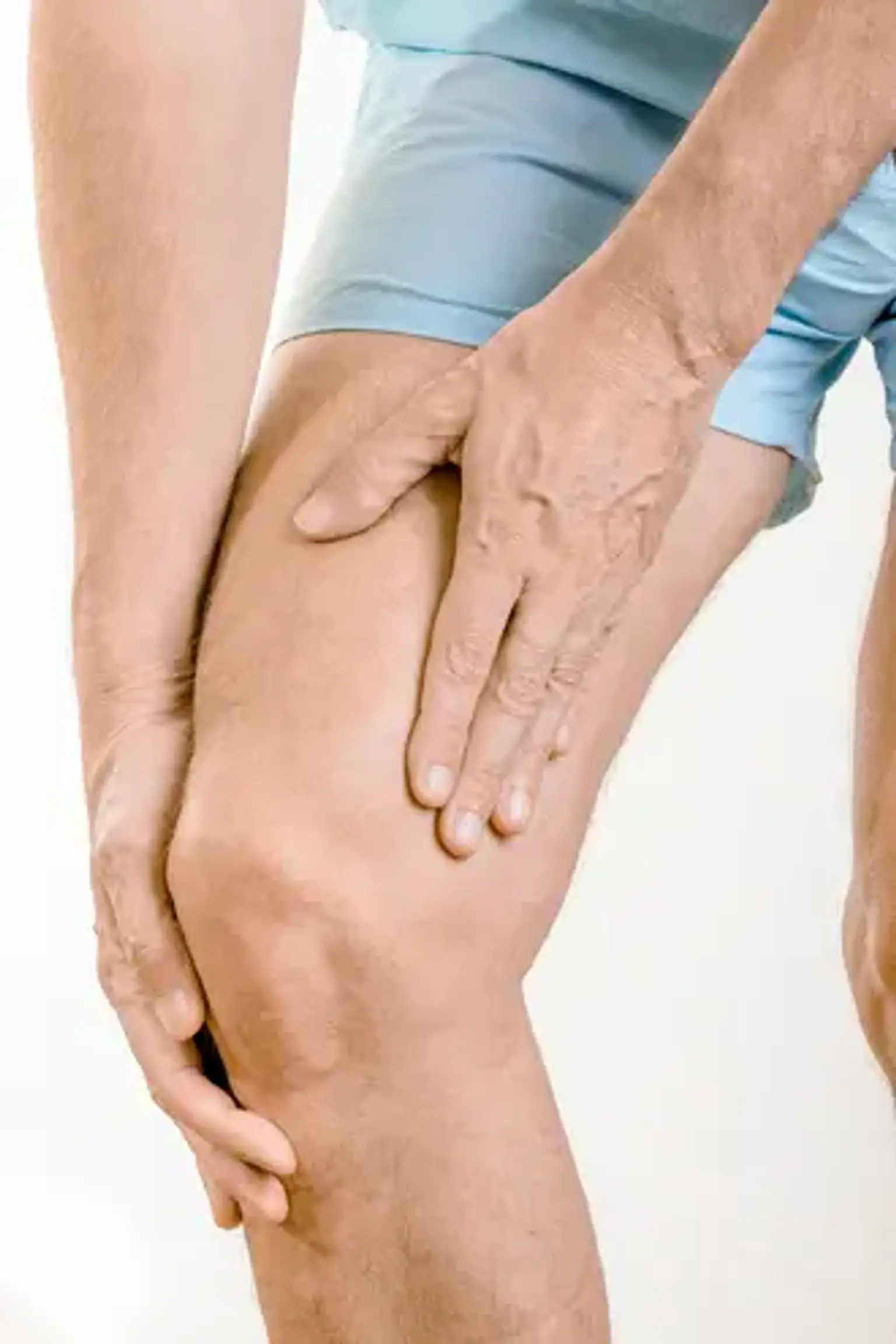
Fractures: These involve a break in the bone, such as tibia, fibula, or femur fractures. They often result from high-impact trauma, like a fall or car accident.
Soft Tissue Injuries: These include sprains (ligament injuries), strains (muscle or tendon tears), and contusions (bruising). They typically happen during activities like running or sports.
The causes of leg injuries vary, from accidents and falls to overuse and aging. Athletes, for instance, are prone to ACL injuries, while elderly individuals may experience bone fractures due to falls or osteoporosis.
Soft Tissue Injuries: Sprains and Strains
Soft tissue injuries occur when ligaments, tendons, or muscles are overstretched or torn. Common examples are sprains (ligament injuries), strains (muscle or tendon injuries), and contusions (bruises).
Symptoms: Pain, swelling, stiffness, and limited range of motion are common signs of sprains and strains. For muscle injuries, there might also be visible swelling or muscle spasms.
Diagnosis: Physical examination helps identify the injury type. Imaging tests like MRI are often used to detect tears or strains in soft tissues.
Treatment: The initial treatment for most soft tissue injuries follows the R.I.C.E. method—Rest, Ice, Compression, and Elevation. This helps reduce swelling and pain in the early stages. For more severe injuries, physical therapy may be necessary to restore strength and flexibility. In some cases, surgery may be required for complete tendon or ligament tears.
Symptoms of a Leg Injury: How to Recognize It
Recognizing the signs of a leg injury early can prevent further complications. Common symptoms include:
Pain: This could be mild or severe, depending on the injury.
Swelling: A result of inflammation around the injury site.
Bruising: Often seen with fractures or contusions.
Inability to Bear Weight: A sign that the injury is significant.
Deformity: In case of fractures, the leg may appear misaligned.
Knowing whether the injury is a sprain, strain, or fracture is crucial for appropriate treatment. If any of these symptoms are severe or if there's deformity, it's important to seek medical attention immediately.
Fractures: Diagnosing and Treating Broken Bones
Fractures, or broken bones, are one of the most common leg injuries. They can occur in various parts of the leg, such as the tibia, fibula, or femur. The severity of a fracture depends on the type and force of the injury.
Symptoms: Intense pain, swelling, bruising, and visible deformity in the leg. If a bone protrudes through the skin, it's a severe case of an open fracture.
Diagnosis: X-rays are the primary tool for diagnosing bone fractures, providing a clear image of bone damage. In some cases, a CT scan may be used for more complex fractures.
Treatment: Treatment varies depending on the severity. Non-surgical treatments include casting or bracing to keep the bone in place during healing. In more severe fractures, surgery may be necessary to align the bones and use plates, screws, or rods for stabilization. Recovery time typically ranges from 6 to 12 weeks, depending on the fracture type and the patient's age and health.
Knee Injuries: Diagnosing and Treating ACL, MCL, and Meniscus Tears
Knee injuries are frequent, especially among athletes. The anterior cruciate ligament (ACL), medial collateral ligament (MCL), and meniscus are the most commonly injured parts of the knee.
ACL Injury: Often caused by sudden changes in direction or high-impact sports. It results in sharp pain, swelling, and instability in the knee.
MCL Injury: A tear or sprain of the ligament on the inside of the knee, often caused by direct trauma like a blow to the outer knee.
Meniscus Tear: A tear in the cartilage of the knee that can occur due to twisting motions. It leads to swelling, pain, and limited movement.
Diagnosis: Diagnosing knee injuries often starts with a physical examination to check for swelling, tenderness, and instability. MRI scans are commonly used to confirm the diagnosis and assess the severity of the injury.
Treatment: Treatment options depend on the injury’s severity. Physical therapy can help with mild injuries, while severe cases may require surgical intervention. ACL injuries often require reconstructive surgery, and meniscus tears might be treated with arthroscopic surgery.
Diagnosing a Leg Injury: How Doctors Determine the Problem
The diagnosis process begins with a physical examination and review of the patient’s medical history. Doctors look for signs like swelling, bruising, or deformity. Depending on the injury, additional diagnostic tests may be required:
X-rays: The most common method to detect bone fractures.
MRI (Magnetic Resonance Imaging): Used for soft tissue injuries, including ligament tears or muscle strains.
CT Scans: Provide detailed images, often used in complex fractures.
Ultrasound: Useful for identifying muscle and tendon injuries.
A specialist, such as an orthopedic doctor, typically oversees the diagnosis, especially in more complicated injuries.
Ankle Injuries: Sprains, Fractures, and Tendon Injuries
Ankle injuries are also common, especially in activities that involve jumping, running, or sudden movements. The most common ankle injuries include sprains, fractures, and Achilles tendon injuries.
Sprained Ankle: A ligament injury caused by rolling the ankle or twisting it in an awkward position. Symptoms include pain, swelling, and difficulty walking.
Fractures: Can occur when there is a significant force to the ankle, leading to broken bones. Symptoms include severe pain, swelling, bruising, and an inability to walk.
Achilles Tendon Injury: A rupture or strain of the Achilles tendon, typically caused by overstretching. This injury is common among athletes who suddenly accelerate or jump.
Diagnosis: Ankle injuries are diagnosed through a physical exam and, when necessary, X-rays or MRI scans. X-rays help detect fractures, while MRIs can identify tendon injuries.
Treatment: Minor sprains can be treated with rest, ice, compression, and elevation. For fractures, casting or surgery might be required. Achilles tendon injuries often require surgery for full recovery, especially if there’s a complete rupture. Rehabilitation is crucial for restoring strength and mobility.
Tibia and Fibula Fractures: Treatment and Recovery
Fractures of the tibia (shinbone) and fibula (the smaller bone of the lower leg) are common due to trauma or accidents, such as falls or car crashes.
Symptoms: Pain, swelling, and deformity. The tibia fracture is particularly painful as it bears much of the body’s weight.
Diagnosis: X-rays are essential for confirming the fracture and assessing its severity.
Treatment: Non-surgical treatment includes casting or bracing, especially for stable fractures. Severe fractures may require surgical fixation with plates, screws, or rods. Recovery can take anywhere from 8 to 12 weeks, depending on the severity and the patient’s age.
Leg Injury Treatment: Non-Surgical Approaches
Many leg injuries can be treated without surgery, depending on the severity. Non-surgical treatments focus on pain management, reducing inflammation, and restoring function.
Rest and Ice: Essential for managing sprains, strains, and mild fractures.
Physical Therapy: Helps restore strength, flexibility, and mobility after soft tissue injuries or minor fractures.
Bracing or Splinting: Often used to immobilize the leg in less severe fractures.
Pain Medication: Over-the-counter pain relievers like ibuprofen can help manage pain and inflammation.
These non-invasive treatments are effective for many leg injuries, but more severe cases may require surgery.
Surgical Treatment for Severe Leg Injuries
In some cases, surgery is necessary to treat serious leg injuries, such as complex fractures, torn ligaments, or tendon ruptures.
Fractures: Severe bone fractures may require internal fixation (plates and screws) or external fixation (rods and pins outside the skin) to stabilize the bone.
Ligament and Tendon Tears: Injuries like an ACL tear may require reconstructive surgery, where the torn ligament is replaced with a graft.
Recovery: Surgery generally requires a longer recovery period, often accompanied by rehabilitation to regain function.
Post-surgical care is critical, and patients must follow a structured recovery plan to avoid complications.
Physical Therapy for Leg Injuries: Importance in Recovery
Physical therapy plays a vital role in recovery, helping patients regain strength, flexibility, and full functionality after leg injuries.
Early Stages: Focus on reducing pain, swelling, and restoring basic movements.
Later Stages: Strengthening exercises to rebuild muscle mass and improve stability, which is crucial for preventing future injuries.
Personalized Plans: Physical therapists design individualized rehabilitation plans based on the injury type and recovery goals.
Patients who actively participate in physical therapy tend to recover faster and are less likely to experience long-term complications.
Preventing Leg Injuries: Tips and Strategies
Prevention is always better than treatment. While not all leg injuries are avoidable, certain steps can reduce the risk.
Warm-Up and Stretch: Proper warm-ups and stretching before physical activity prepare muscles and ligaments, reducing the chance of strains and sprains.
Use Protective Gear: Wearing the right shoes, knee pads, or braces can prevent falls and injuries, especially during high-impact sports.
Strength Training: Strong muscles support the joints and bones, helping to prevent both acute and chronic injuries.
Pay Attention to Footwear: Proper footwear for specific activities ensures better balance and minimizes injury risk.
Rest and Recovery: Allowing adequate recovery time between workouts can prevent overuse injuries, such as stress fractures.
By incorporating these habits into daily routines, the likelihood of sustaining a leg injury can be significantly reduced.
Complications and Risks of Leg Injuries
Though most leg injuries heal with the right treatment, some may result in complications, especially if left untreated.
Infection: This is a risk for open fractures or surgical wounds. Proper care and hygiene are essential for avoiding infections.
Delayed Healing: Certain conditions, like poor circulation or diabetes, can slow down the healing process, leading to prolonged recovery times.
Chronic Pain: If not managed properly, leg injuries, particularly fractures, may lead to ongoing pain or discomfort.
Post-Traumatic Arthritis: Previous joint injuries, like knee or ankle fractures, can lead to arthritis later in life due to damaged cartilage or misalignment.
To avoid complications, it’s essential to follow treatment protocols and attend regular follow-up appointments.
Recovery Timeline for Leg Injuries
The recovery time for leg injuries varies greatly based on the type and severity of the injury, as well as the individual’s age, overall health, and adherence to treatment.
Fractures: Bone fractures typically take 6-12 weeks to heal, but complex fractures may take longer. After the bone heals, physical therapy helps regain strength and flexibility.
Soft Tissue Injuries: Mild sprains and strains might heal within a few weeks, while severe injuries like torn ligaments or tendons could require several months.
Surgical Recovery: If surgery is involved, patients may need 6 weeks to 3 months for initial healing, with full rehabilitation lasting 6-12 months, depending on the injury.
Recovery also depends on how diligently the patient follows medical advice, including physical therapy and any post-surgical instructions.
Future Trends in Leg Injury Treatment
As medical technology advances, so do the treatments for leg injuries. Some of the most promising trends include:
Regenerative Medicine: Stem cell therapy and platelet-rich plasma (PRP) injections are being explored to promote healing, especially for soft tissue injuries like tendon tears and joint damage.
Minimally Invasive Surgery: Advances in surgical techniques are allowing for smaller incisions and faster recovery times. For example, arthroscopic surgeries for joint injuries require smaller cuts and cause less trauma to surrounding tissues.
Robotics in Orthopedics: Robotic-assisted surgery can improve precision, especially in complex fractures or joint replacement surgeries.
Smart Braces and Exoskeletons: Wearable technologies may help with rehabilitation and mobility recovery post-injury.
These advancements provide hope for faster recovery times and more effective treatments in the near future.
Psychological Impact of Leg Injuries: Coping and Support
Leg injuries, especially severe ones, can have a significant psychological impact, affecting mood, confidence, and overall well-being.
Emotional Stress: The inability to perform daily activities can lead to feelings of frustration, anxiety, or even depression.
Body Image Concerns: For individuals with visible fractures or scars, concerns about appearance may arise, affecting self-esteem.
Coping Strategies: Counseling, support groups, or talking to a mental health professional can help patients cope with the emotional challenges of injury recovery.
Social Support: Family, friends, and peers play a crucial role in providing emotional and practical support throughout the recovery process.
It’s important to acknowledge the emotional toll leg injuries can take and seek support when needed to promote a healthier recovery.
Leg Injury in Children: Special Considerations
Leg injuries in children are common but require special consideration due to their growing bones and developing muscles.
Growth Plate Injuries: The growth plates at the ends of bones are vulnerable to injury. These fractures may affect bone growth and require careful monitoring.
Fractures: Children may experience fractures due to falls or sports. A pediatric orthopedic specialist is often necessary for managing these injuries.
Soft Tissue Injuries: Kids are also susceptible to sprains and strains, particularly in sports like soccer, basketball, or gymnastics.
The treatment approach for children focuses on gentle methods to avoid disrupting bone development. Recovery is typically quicker in children compared to adults, but attention must be paid to avoid complications that could affect growth.
Cost of Leg Injury Treatment: What to Expect
The cost of treating a leg injury varies based on factors like the type of injury, whether surgery is needed, and the healthcare system in your country.
Non-Surgical Treatment: For sprains, strains, and mild fractures, treatment costs can range from $100 to $2,000, depending on physician fees and rehabilitation.
Surgical Treatment: More severe injuries that require surgery, such as complex fractures or ligament tears, can cost anywhere from $5,000 to $20,000 or more. This includes surgery, hospitalization, and physical therapy.
Insurance Coverage: Most health insurance plans cover a significant portion of the costs, but out-of-pocket expenses may still apply, especially for high-deductible plans.
It’s important to discuss costs upfront with your healthcare provider and consider both short-term and long-term expenses related to the injury.
Conclusion
Recovering from a leg injury involves patience, proper treatment, and consistent care. While some injuries can be healed with rest and rehabilitation, others may require surgery and long-term therapy.
Early Diagnosis: The earlier the injury is diagnosed and treated, the better the chance of a full recovery.
Adherence to Treatment Plans: Following medical advice, attending physical therapy, and avoiding reinjury are key to a successful recovery.
Psychological Well-being: Emotional support is also crucial to navigate the challenges of recovery.
By understanding the types of leg injuries, available treatments, and recovery expectations, individuals can approach healing with confidence and ensure they return to their normal life with improved strength and mobility.