Introduction
Long nose reshaping surgery, also known as rhinoplasty, is a cosmetic procedure aimed at altering the size, shape, and structure of the nose. While rhinoplasty is commonly associated with improving facial aesthetics, long nose reshaping focuses specifically on addressing issues related to an elongated nose. This surgery can be a life-changing option for individuals who feel that the length of their nose disrupts their facial harmony or affects their self-confidence.
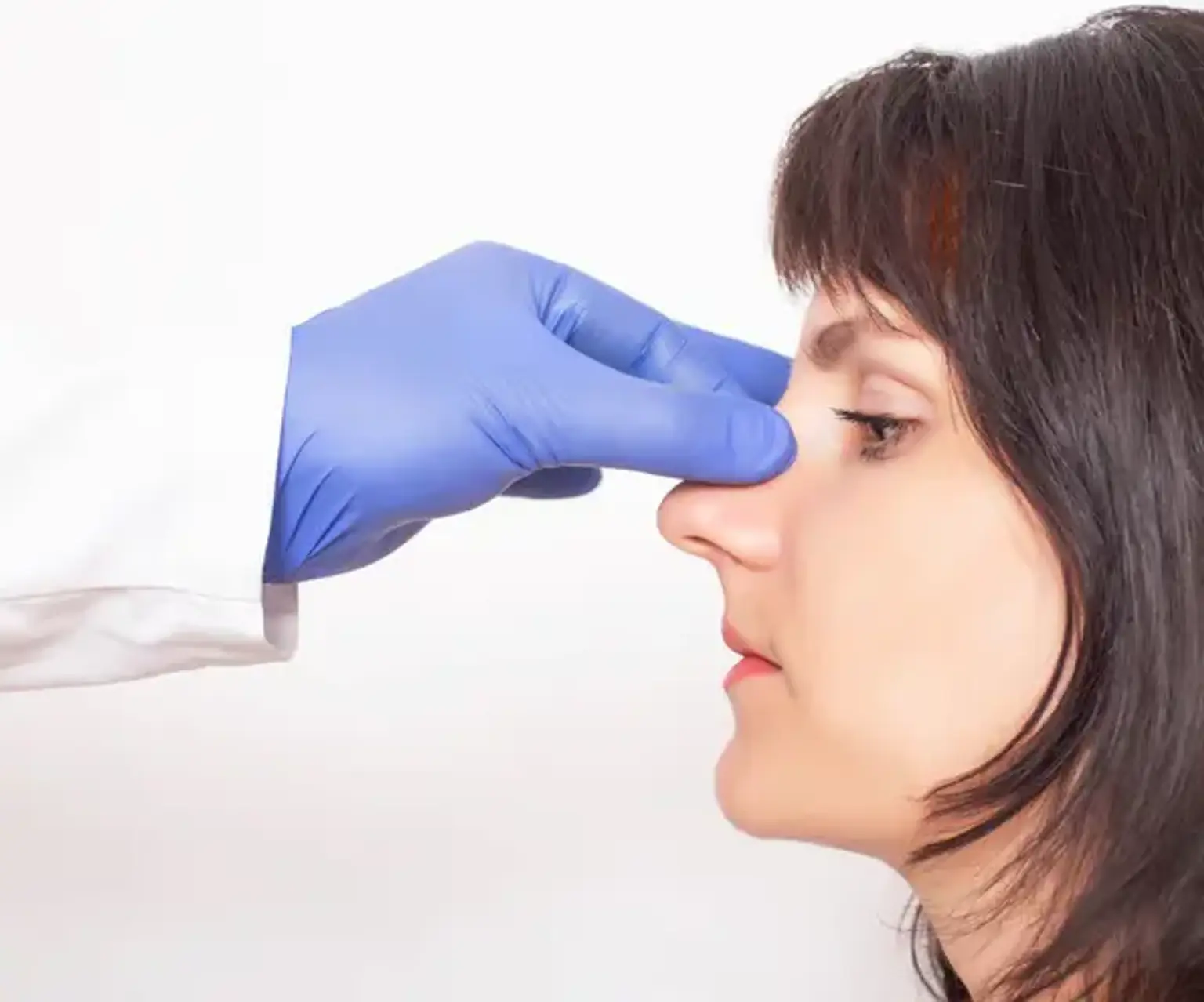
In today’s world, where appearance often plays a significant role in self-esteem, long nose reshaping surgery is becoming increasingly popular. Not only does it help refine the nose's profile, but it also restores balance to the entire face, leading to a more proportionate and aesthetically pleasing look. The global appeal of this procedure is growing, with people seeking to achieve their ideal facial appearance through surgical and non-surgical solutions. Whether performed for cosmetic reasons or to correct functional issues, long nose reshaping surgery continues to be a widely sought-after procedure across the world.
What is Long Nose Reshaping Surgery?
Long nose reshaping surgery is a specialized type of rhinoplasty designed to shorten or refine a nose that appears excessively long in proportion to the rest of the face. This surgical procedure aims to create a more balanced profile by adjusting various parts of the nose, such as the nasal tip, bridge, and nostrils.
In long nose reshaping, the surgeon may focus on shortening the nasal tip or reducing the height of the nasal bridge. Additionally, other techniques may be used to narrow the nose’s appearance, such as refining the cartilage or removing excess tissue. The goal is not just to shorten the nose but also to ensure that the newly shaped nose complements the natural features of the face.
The procedure can be performed using two main techniques:
Open Rhinoplasty – Involves an incision made across the columella (the tissue separating the nostrils) to provide better visibility and access to the underlying nasal structures. This approach is often used when significant changes need to be made to the nose's shape.
Closed Rhinoplasty – Involves incisions made inside the nostrils, meaning there are no visible scars. This method is ideal for minor corrections but can be limiting when more dramatic reshaping is required.
The type of rhinoplasty used will depend on the patient’s goals and the complexity of the nose reshaping needed.
Why Consider Long Nose Reshaping Surgery?
While long nose reshaping surgery can be considered for medical reasons (e.g., to correct breathing issues), many individuals seek it for purely aesthetic purposes. People with longer noses often feel self-conscious about how their nose looks in comparison to their other facial features. As a result, they may choose to undergo the surgery to restore facial balance and harmony.
Psychological and Emotional Benefits
One of the most compelling reasons people choose long nose reshaping surgery is to improve their self-esteem. A prominent or long nose can sometimes lead to feelings of insecurity or embarrassment, especially when it draws attention away from the eyes, mouth, or other features. By reshaping the nose, individuals can regain their confidence, feel more comfortable in social situations, and experience an overall improvement in their quality of life.
Improving Facial Harmony
In many cases, long nose reshaping surgery helps create a more balanced face. The nose is a central feature of the face, and its size and shape can significantly influence the overall appearance. By shortening a long nose or refining its structure, patients often find that the other features of their face, such as their eyes and chin, become more prominent and aesthetically pleasing.
For individuals who have struggled with the appearance of a long nose their entire lives, the emotional and psychological benefits of surgery can be profound, helping them feel more in tune with their physical appearance.
Who is an Ideal Candidate for Long Nose Reshaping Surgery?
Long nose reshaping surgery can be considered by anyone who is unhappy with the length of their nose, but there are several key factors that determine whether an individual is a good candidate for the procedure.
Physical Considerations
The most important factor in determining candidacy is the structure of the nose itself. Ideal candidates typically have:
A nose that is significantly longer than what would be considered proportionate to the rest of their face.
A desire for a more balanced and aesthetically pleasing appearance.
Healthy skin and cartilage, as these tissues need to be flexible enough for reshaping.
It’s also important to note that candidates should have realistic expectations about the results. While surgery can greatly improve the appearance of a long nose, no surgery can achieve perfection. Understanding the limitations of the procedure is key to a positive outcome.
Age Considerations
Patients should generally be at least 18 years old, as the nose typically stops growing around this age. However, older individuals are also ideal candidates for rhinoplasty, provided they are in good health. The procedure can help individuals of all ages enhance their appearance and address functional or aesthetic concerns.
Psychological Readiness
A crucial aspect of being a good candidate for surgery is psychological readiness. Candidates should have a healthy mindset and a strong desire to undergo the procedure for personal reasons, rather than external pressures. Consultation with a qualified surgeon can help ensure that the decision is made for the right reasons.
Pre-Surgery Health Assessments
Before the surgery, a qualified surgeon will perform a thorough assessment of the patient’s overall health, including medical history and any prior nasal surgeries. Candidates should be free from significant medical conditions (e.g., active infections, severe allergies) that could impact the surgery or recovery process. It’s also essential to be non-smokers, as smoking can interfere with the healing process.
How Long Nose Reshaping Surgery Works: The Procedure
Long nose reshaping surgery involves adjusting the structure of the nose to shorten its length and refine its appearance. Here's a quick breakdown of how the procedure works:
Anesthesia: The patient is put under general anesthesia or local anesthesia with sedation, ensuring no pain during the procedure.
Incisions: For open rhinoplasty, the surgeon makes small incisions across the columella (the tissue between the nostrils) to access the nasal structure. For closed rhinoplasty, the incisions are made inside the nostrils, leaving no visible scars.
Reshaping: The surgeon will reshape the cartilage and bone, often shortening the nasal bridge or refining the tip to reduce the length of the nose.
Stitching and Recovery: After reshaping, the incisions are closed with dissolvable stitches. A splint is often placed to support the new nose structure during the early healing phase.
The procedure typically lasts 1.5 to 3 hours, depending on the complexity.
Types of Rhinoplasty Procedures for Long Nose Correction
Different techniques may be used depending on the desired outcome:
Open Rhinoplasty:
Preferred for more significant changes, like shortening the nose or refining the tip.
Allows the surgeon better access to nasal structures and offers more control over the reshaping process.
May leave a small scar on the columella, which is usually hidden after healing.
Closed Rhinoplasty:
Performed entirely inside the nostrils, leaving no external scarring.
Best suited for minor reshaping and less invasive adjustments.
Shorter recovery time compared to open rhinoplasty.
Risks and Complications of Long Nose Reshaping Surgery
As with any surgery, there are risks, including:
Infection: Though rare, infections can occur in the incision sites or within the nose.
Scarring: Some scarring may occur, especially with open rhinoplasty, but most scars are hidden and fade over time.
Asymmetry: While uncommon, the reshaped nose may not be perfectly symmetrical, requiring revision surgery.
Breathing Issues: In some cases, the surgery can affect nasal airflow, especially if the nasal passages are over-corrected.
Blood Clots and Swelling: Swelling and bruising around the eyes are common during the first few days of recovery.
To minimize risks, choose a skilled, board-certified surgeon, and follow post-surgery care instructions carefully.
Expected Results from Long Nose Reshaping Surgery
After the surgery, you can expect a significant improvement in the appearance of your nose. Here’s what you can anticipate:
Initial Results: The first few days will show swelling and bruising around the nose and eyes. These effects gradually subside.
Final Shape: The nose will continue to settle over the next 6–12 months, revealing the final shape.
Improved Proportion: The nose will be shorter and more balanced with the rest of the facial features, enhancing overall facial harmony.
While results are permanent, the aging process and any future injuries could affect the nose shape over time. It's important to have realistic expectations and communicate openly with your surgeon about your goals.
Recovery Process: What to Expect After Surgery
The recovery process after long nose reshaping surgery typically takes about 1–2 weeks for initial healing, but full recovery can take several months. Here's what to expect:
Immediately After Surgery: Patients may experience swelling, bruising, and discomfort, especially around the nose and eyes. These effects will subside within the first few days.
Week 1: A splint or cast will be placed on the nose to support its new shape. Most people can return to light activities after about 7-10 days.
Weeks 2–6: Swelling and bruising will continue to fade. However, some minor swelling may persist for several weeks.
Long-Term Healing: It may take 6–12 months for the final shape of the nose to fully settle as the tissues heal. During this time, subtle changes in the nose's appearance can occur.
Patients are advised to avoid strenuous activities, sun exposure, and wearing glasses for at least 4–6 weeks post-surgery.
Long Nose Reshaping Surgery: Cost and Accessibility
The cost of long nose reshaping surgery varies based on factors like location, surgeon experience, and the complexity of the procedure. On average, patients can expect to pay between $5,000 and $10,000 for the surgery.
Factors Affecting Cost:
Surgeon’s expertise: Highly experienced surgeons in top-tier facilities may charge more.
Geographic location: Countries with a high demand for cosmetic surgery (e.g., South Korea, USA, Brazil) may have higher prices.
Hospital fees: The quality of the surgical facility and anesthesia can also influence the overall cost.
Many clinics offer payment plans or financing options. However, insurance typically does not cover cosmetic rhinoplasty, unless it is medically necessary (e.g., to address breathing problems).
Choosing the Right Surgeon for Long Nose Reshaping Surgery
Choosing the right surgeon is crucial for the success of your surgery. Here are some tips to guide you:
Board Certification: Ensure your surgeon is board-certified in plastic surgery or otolaryngology (ENT surgery), specifically in rhinoplasty.
Experience: Look for a surgeon who has a proven track record with long nose reshaping or similar complex nasal surgeries.
Before-and-After Photos: Review the surgeon’s portfolio to see examples of their previous work. This helps gauge their style and skill.
Consultation: A good surgeon will listen to your concerns, assess your nasal structure, and explain the procedure in detail, including expected results and potential risks.
Don’t hesitate to seek second opinions and ensure you feel comfortable with the surgeon's approach.
Advances in Long Nose Reshaping Surgery
Advancements in rhinoplasty techniques have made long nose reshaping surgery safer and more effective. Here are a few key innovations:
Improved Imaging Technology: Pre-surgical planning has become more precise with 3D imaging, allowing patients to visualize potential results before surgery.
Minimally Invasive Options: Newer techniques, such as non-surgical rhinoplasty using fillers, can help reduce the appearance of a long nose with minimal downtime. However, this is a temporary solution and does not permanently alter the nose’s structure.
Finer Surgical Instruments: Advances in surgical tools and techniques allow for more delicate and accurate reshaping, leading to more natural-looking results with fewer complications.
Personalized Approach: Surgeons now take a more individualized approach, considering facial proportions and aesthetic preferences to ensure results that harmonize with the patient’s overall facial structure.
These advances contribute to more predictable outcomes and faster recovery times, enhancing the patient experience.
Long Nose Reshaping Surgery and Self-Esteem
Long nose reshaping surgery offers significant psychological benefits for many patients. People who have long felt self-conscious about the size or shape of their nose often experience a newfound sense of confidence following the procedure. This boost in self-esteem can have a positive impact on various areas of life, including:
Social interactions: Patients often feel more comfortable engaging in social situations, no longer feeling the need to hide their noses or avoid being in the spotlight.
Career opportunities: Some patients report feeling more confident in professional settings, contributing to greater self-assurance when giving presentations or attending interviews.
Improved mental health: Addressing an aesthetic concern that has caused years of distress can alleviate anxiety, leading to a more positive outlook on life.
The emotional benefits of surgery are often just as valuable as the physical ones, as patients feel they can present their true selves to the world with confidence.
Common Myths About Long Nose Reshaping Surgery
There are several misconceptions about long nose reshaping surgery that can cause confusion or hesitation for potential patients. Here are a few common myths:
Myth 1: Rhinoplasty always leads to unnatural results.
Fact: Skilled surgeons focus on creating natural, harmonious results that suit the patient's face. The goal is to enhance your features, not drastically change them.
Myth 2: The recovery process is extremely painful.
Fact: Most patients report mild discomfort after surgery, which can be managed with prescribed pain medication. Swelling and bruising are more noticeable than pain, and recovery varies depending on the complexity of the surgery.
Myth 3: The results are not permanent.
Fact: Rhinoplasty results are generally permanent. However, natural aging and changes in skin elasticity can affect the nose's shape over time.
Myth 4: Rhinoplasty is only for cosmetic purposes.
Fact: In addition to cosmetic benefits, rhinoplasty can address functional issues, such as improving breathing by correcting structural problems in the nose.
Clearing up these myths can help patients make more informed decisions about whether long nose reshaping surgery is the right option for them.
Frequently Asked Questions (FAQs) About Long Nose Reshaping Surgery
Q1: How long does it take to recover from long nose reshaping surgery?
Recovery time varies, but most patients can return to light activities within 1-2 weeks. Full recovery may take 6-12 months as the nose settles into its final shape.
Q2: Will there be visible scars after surgery?
In open rhinoplasty, small incisions are made on the columella, which may leave a faint scar, though it is usually well-hidden. Closed rhinoplasty involves incisions inside the nostrils, leaving no visible scarring.
Q3: Can I breathe better after surgery?
If you have functional breathing issues due to the shape of your nose, rhinoplasty can improve airflow. However, breathing improvements depend on the specific structural adjustments made during surgery.
Q4: Is long nose reshaping surgery painful?
The surgery is performed under anesthesia, so there is no pain during the procedure. Post-operative discomfort is typically mild and can be managed with pain relievers.
Q5: How much does long nose reshaping surgery cost?
The cost typically ranges from $5,000 to $10,000, depending on the surgeon's expertise and the complexity of the procedure.
Global Popularity of Long Nose Reshaping Surgery
Long nose reshaping surgery has gained global popularity, particularly in countries known for their advanced cosmetic surgery practices. Countries like South Korea, Brazil, and the United States lead the way in rhinoplasty procedures, offering cutting-edge techniques and world-renowned surgeons.
South Korea: Known as the rhinoplasty capital of the world, South Korea has a high demand for cosmetic surgeries, with many patients traveling internationally for expert treatments.
Brazil: Brazil’s plastic surgeons are famous for their natural, personalized approaches to rhinoplasty, making it a top destination for patients seeking facial aesthetic surgeries.
United States: With access to some of the best surgeons and state-of-the-art facilities, the U.S. continues to be a popular location for those undergoing long nose reshaping.
Additionally, medical tourism has become a significant part of the rhinoplasty industry, with patients traveling from all over the world to seek affordable, high-quality care. The availability of financing options and increasing awareness of the procedure’s benefits continue to fuel its popularity.
Post-Surgery Care Tips for Long Nose Reshaping Surgery
To ensure optimal healing and the best possible results after long nose reshaping surgery, patients must follow specific post-surgery care instructions. Here are some key guidelines:
Rest and Elevation: Keep your head elevated, even while sleeping, for the first few days to minimize swelling. Avoid lying flat on your back.
Avoiding Pressure on the Nose: For the first 6–8 weeks, avoid putting pressure on your nose, including activities like wearing glasses or blowing your nose.
Cold Compresses: Apply ice packs to your eyes and the surrounding area to reduce bruising and swelling in the first 48 hours post-surgery.
Medication: Follow your surgeon’s instructions for pain management, typically through over-the-counter pain relievers or prescribed medications.
Follow-Up Appointments: Attend all post-operative checkups to ensure proper healing and address any concerns early on.
By following these steps and adhering to the guidance of your surgeon, you can help ensure that your recovery process goes smoothly and your results are as desired.
Psychological Considerations: Preparing for Surgery
Undergoing a cosmetic procedure like long nose reshaping can bring profound emotional benefits, but it's important to approach the decision with careful thought. Psychological preparedness can play a significant role in your overall experience:
Realistic Expectations: Have a clear understanding of what the surgery can and can’t achieve. While rhinoplasty can significantly improve your nose's appearance, it’s important to maintain realistic goals.
Emotional Support: Talk to family members or friends about your decision. Having a support system can help you feel more confident in your choice and assist with emotional recovery.
Post-Surgery Adjustment: The psychological adjustment after surgery is significant. Some patients may experience temporary changes in self-image as their appearance evolves, so it’s important to be patient during the healing process.
Consultation with a Therapist: If you’ve struggled with body dysmorphia or have concerns about your motivations for surgery, consider speaking with a therapist beforehand. They can help you navigate the emotional aspects of the decision.
Preparing emotionally for the changes that long nose reshaping surgery brings can lead to a smoother transition and a more satisfying outcome.
Alternative Treatments to Long Nose Reshaping Surgery
Not everyone who desires a shorter nose is a candidate for surgery, or some might prefer less invasive alternatives. Here are a few non-surgical treatments to consider:
Non-Surgical Rhinoplasty (Liquid Nose Job): A popular alternative for people who want to address minor issues like the appearance of a long nose. This technique uses dermal fillers to sculpt the nose, creating a more balanced shape without surgery. However, the results are temporary and typically last 6 to 12 months.
Nasal Bridge Fillers: For patients who don’t want to undergo invasive surgery, dermal fillers can also be used to reduce the appearance of a long nose by filling in the bridge or tip.
Botox: In some cases, Botox injections may be used to relax certain muscles around the nose, though this is less common for reshaping a long nose specifically.
While non-surgical treatments can offer a quicker solution with less downtime, they won’t provide the permanent or dramatic changes that surgical procedures like rhinoplasty can achieve.
Conclusion
Long nose reshaping surgery can significantly enhance both your appearance and confidence, helping to create a more balanced facial profile. If you're unhappy with the length of your nose, this procedure may be a great option for you. However, it’s important to consider your motivations, understand the risks, and have realistic expectations.
Before proceeding, consult with a qualified surgeon to determine if you’re a good candidate and ensure you're fully informed about the costs, recovery, and results. With the right preparation and a skilled surgeon, you can achieve a natural, harmonious nose that enhances your overall look.