Introduction
Malocclusion refers to the misalignment or incorrect positioning of the teeth and jaw, leading to bite problems. This dental condition can affect both children and adults, impacting not just appearance but also oral health and function. A well-aligned bite plays a crucial role in proper chewing, speaking, and overall comfort. Malocclusion can manifest in various forms, such as overbite, underbite, crossbite, or open bite. Addressing these issues early can prevent more serious dental complications in the future.
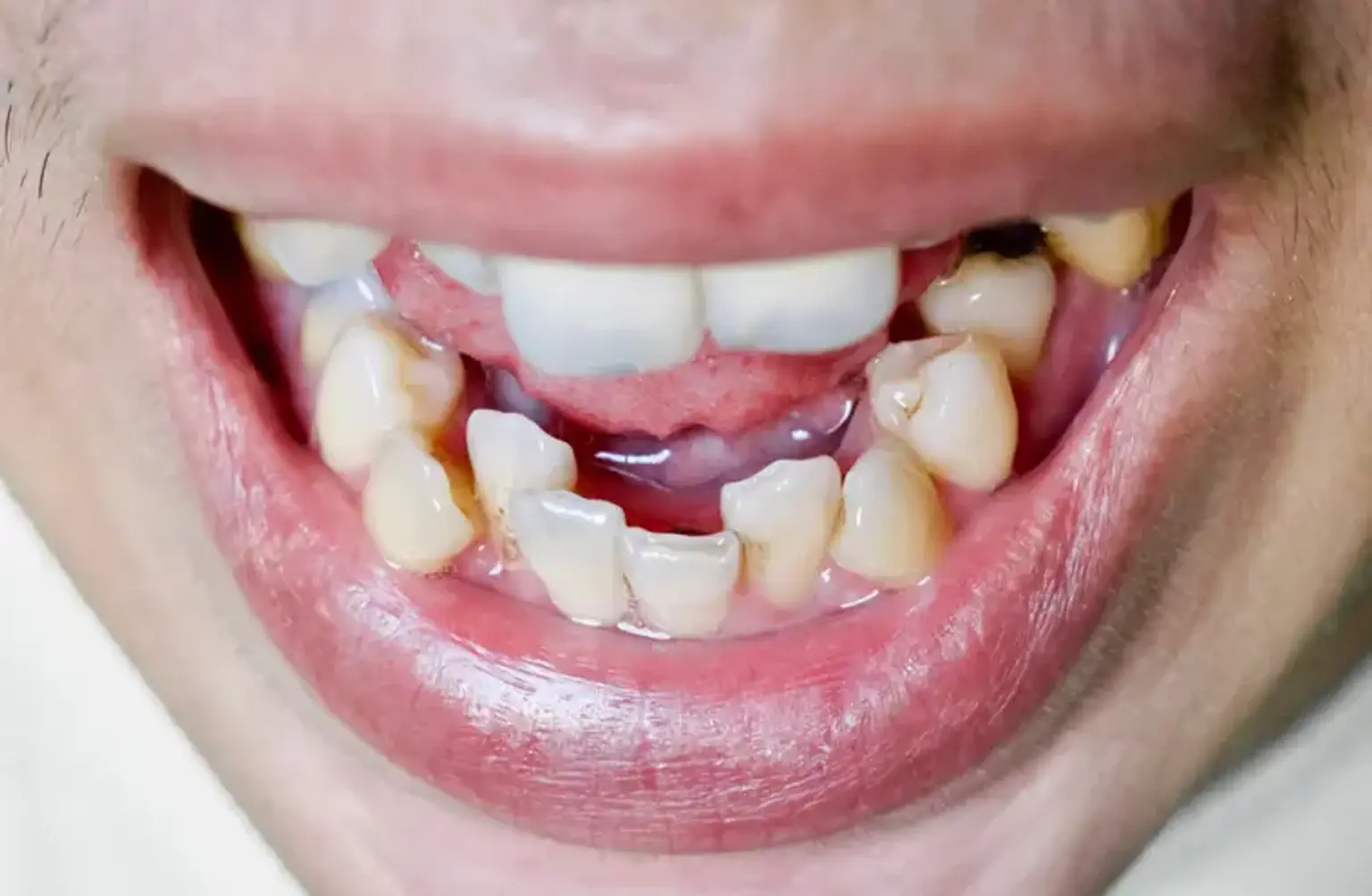
Bite correction is essential for improving oral health, appearance, and quality of life. In this article, we will explore the causes, symptoms, and treatment options for malocclusion. By understanding the importance of bite alignment, patients can make informed decisions about their treatment choices.
What Causes Malocclusion?
Malocclusion can result from various factors:
Genetics: A common cause, with inherited traits leading to misalignment. This can involve tooth size, jaw structure, or facial features.
Thumb Sucking: Persistent thumb sucking during childhood can push the teeth out of alignment.
Early Loss of Baby Teeth: If baby teeth are lost too early, adult teeth can shift and cause malocclusion.
Injury: Trauma to the face or jaw can also lead to bite misalignment.
Jaw Disorders: Conditions like temporomandibular joint (TMJ) disorders can impact bite alignment.
These factors can affect children and adults alike, though early intervention can help prevent severe misalignment as they grow.
Symptoms of Malocclusion
The signs of malocclusion are often obvious, though some symptoms might develop gradually. Common signs include:
Difficulty Chewing or Biting: Food may not be properly chewed due to misalignment.
Speech Problems: Misaligned teeth can affect pronunciation, especially with certain sounds.
Teeth Grinding: Some people with malocclusion grind their teeth, which can cause wear and tear.
Jaw Pain or Clicking: Misalignment can stress the jaw, leading to discomfort or popping sounds.
If you notice any of these symptoms, it’s important to seek a dental evaluation for a proper diagnosis and timely treatment.
Types of Malocclusion
There are several types of malocclusion, each requiring different treatment approaches:
Overbite: The upper teeth overlap the lower teeth more than normal. This can lead to difficulty biting and chewing.
Underbite: The lower teeth protrude in front of the upper teeth, often causing jaw discomfort and uneven wear on the teeth.
Crossbite: Some upper teeth bite inside the lower teeth, which can cause tooth and gum damage over time.
Open Bite: The upper and lower teeth do not touch when biting, leaving a gap. This can affect both function and appearance.
Crowding and Spacing Issues: Teeth that are too crowded or have excessive space can also result in malocclusion, requiring orthodontic correction.
Each type of malocclusion has its own set of challenges but can usually be addressed through appropriate orthodontic treatment, including braces, clear aligners, or surgery in more severe cases.
Diagnosis and Bite Assessment
Diagnosing malocclusion begins with a comprehensive dental examination. Dentists or orthodontists will evaluate the patient’s bite by examining the teeth, jaw, and overall oral health. The process usually involves:
Visual Inspection: The dentist looks at how the teeth fit together when the mouth is closed and checks for any visible misalignment.
X-rays and 3D Scans: To assess the alignment of the jawbones and the positioning of the teeth, diagnostic imaging is often required. This helps the practitioner create a detailed treatment plan.
Bite Tests: Patients may be asked to bite down in different ways to check how the teeth align and if there are any functional issues.
A proper diagnosis helps determine the type and severity of malocclusion, which is crucial for deciding the most effective treatment approach.
Orthodontic Treatment Options
Orthodontics is the primary treatment for malocclusion. Several options are available, depending on the severity of the misalignment and the patient's needs:
Braces: Traditional metal braces are the most common option. They use brackets and wires to gradually shift the teeth into alignment. Braces are highly effective for all types of malocclusion, including complex cases.
Clear Aligners: Brands like Invisalign offer clear, removable aligners that gradually move teeth into place. They are less noticeable than traditional braces, making them a popular choice for adults and teens.
Retainers: After active treatment with braces or aligners, retainers help maintain the new position of the teeth and prevent relapse.
Each treatment method has its pros and cons, but all are effective in correcting malocclusion when used appropriately.
How Braces Work for Bite Correction
Braces work by applying consistent pressure on the teeth, which gradually moves them into the desired position. The process involves:
Brackets: Small metal or ceramic pieces are attached to each tooth. These serve as the anchor for the wire that will guide the movement of the teeth.
Archwire: This wire connects the brackets and applies pressure to move the teeth. The wire is adjusted periodically throughout treatment to continue shifting the teeth.
Elastics and Bands: In some cases, additional elastics or bands are used to correct more severe bite issues or jaw alignment problems.
Braces are particularly effective for complex bite issues like severe overbites, underbites, or crossbites, and they are often the best choice for children and teens with significant misalignment.
Invisalign for Malocclusion
Invisalign has become a popular alternative to traditional braces, offering a more discreet and flexible treatment option for malocclusion. The treatment uses a series of clear plastic aligners that are custom-made for the patient’s teeth. Key benefits include:
Aesthetics: Clear aligners are nearly invisible, making them ideal for those concerned about the appearance of traditional metal braces.
Comfort: Aligners are smooth and customized to fit each patient’s mouth, reducing the discomfort often associated with braces.
Removability: The aligners can be taken out when eating, drinking, brushing, or flossing, allowing for better oral hygiene compared to braces.
The Invisalign process typically involves wearing each set of aligners for about two weeks before switching to the next set. Over the course of treatment, the teeth gradually shift into the correct position. While Invisalign is effective for many types of malocclusion, it may not be suitable for severe cases, where traditional braces might be required.
The Role of Jaw Surgery in Severe Malocclusion
In severe cases of malocclusion, orthodontic treatments like braces or aligners alone may not be enough. Jaw surgery, also known as orthognathic surgery, is often required to correct significant misalignment between the upper and lower jaws.
When Surgery is Needed: Surgery is typically recommended for adults with severe jaw irregularities that can’t be corrected with braces alone.
Types of Surgery: Common procedures include reshaping or repositioning the upper or lower jaw to align properly with the teeth.
Post-Surgery Recovery: Recovery involves rest, a liquid diet, and a period of orthodontic treatment to refine the bite alignment.
While jaw surgery is more invasive, it can provide long-lasting results and significantly improve both function and appearance.
Treatment Timeline and Expectations
The timeline for malocclusion treatment can vary depending on the severity of the issue:
Braces: Typically, treatment lasts from 18 months to 3 years, depending on the complexity of the misalignment.
Invisalign: Treatment with clear aligners usually takes 12 to 18 months for mild to moderate cases.
Jaw Surgery: Post-surgery recovery can take several months, with orthodontic treatment before and after surgery lasting a few years.
Patients should be prepared for regular visits to their orthodontist for adjustments and progress checks, and they should follow any prescribed guidelines to ensure the best outcome.
Cost of Malocclusion Treatment
The cost of treating malocclusion can vary widely based on the type of treatment and location:
Braces: Traditional metal braces can range from $3,000 to $7,000, depending on the complexity of the case.
Invisalign: Clear aligners typically cost between $3,000 and $8,000.
Jaw Surgery: Surgical procedures can cost between $20,000 and $40,000, not including pre- and post-surgery orthodontic care.
Insurance plans may cover part of the cost, especially if the treatment is deemed medically necessary. Many practices also offer payment plans to make the treatments more affordable.
Common Concerns About Bite Correction
Patients often have concerns about the pain, duration, and effectiveness of bite correction treatments.
Pain and Discomfort: Braces and aligners may cause some discomfort as the teeth shift, especially after adjustments.
Speech and Eating Issues: Temporary changes in speech and chewing may occur with braces, but these usually improve as patients adjust.
Effectiveness: When followed as prescribed, treatments like braces or Invisalign are highly effective in correcting malocclusion.
Understanding the treatment process and having realistic expectations can help alleviate many of these concerns.
How Malocclusion Affects Oral Health
Malocclusion can have a significant impact on both oral function and overall health:
Chewing and Biting: Misaligned teeth can make chewing difficult, leading to poor digestion. When teeth don’t meet properly, it can also cause uneven wear, increasing the risk of tooth decay and enamel erosion.
Speech Problems: Misalignment, especially with overbites and underbites, can affect the way we pronounce certain words, making speech unclear.
Jaw Pain: Poor bite alignment places stress on the jaw joints (TMJ), potentially causing headaches, jaw pain, and clicking sounds.
Gum Disease: Crooked teeth are harder to clean, leading to plaque buildup and an increased risk of gum disease and cavities.
By correcting malocclusion, these oral health risks can be minimized, improving long-term dental health and comfort.
Benefits of Correcting Malocclusion
Addressing malocclusion offers several long-term benefits:
Improved Function: Correcting the bite improves the ability to chew properly, which can enhance digestion and comfort.
Better Oral Health: Straightening the teeth makes them easier to clean, reducing the risk of gum disease, cavities, and excessive tooth wear.
Enhanced Appearance and Confidence: Correcting a misaligned bite can significantly improve the overall appearance of the smile, boosting self-esteem and confidence.
Reduced Jaw Strain: Fixing bite misalignment alleviates jaw pain and tension, improving quality of life and reducing headaches or TMJ disorders.
In addition to aesthetic improvements, the functional benefits of bite correction can dramatically improve day-to-day living.
Post-Treatment Care and Maintenance
After completing a bite correction treatment, maintaining the results is crucial:
Retainers: Most patients will need to wear a retainer after braces or aligners to keep the teeth in their new positions. Retainers are typically worn full-time initially, then gradually reduced to nightly use.
Regular Checkups: Even after treatment, regular visits to the orthodontist are important to ensure the bite remains properly aligned and to address any adjustments.
Oral Hygiene: Continuing to maintain excellent oral hygiene is essential to prevent issues like plaque buildup and gum disease, especially after orthodontic treatment.
Post-treatment care ensures that the hard work of realigning the bite lasts for years to come, maintaining the health and aesthetics of the teeth.
Alternatives to Braces for Malocclusion
Not all malocclusion cases require traditional braces. There are several alternatives for those looking for less invasive or more aesthetically pleasing options:
Clear Aligners: Brands like Invisalign offer nearly invisible, removable aligners, making them a popular choice for adults and teens.
Myobrace: This treatment method targets the root cause of malocclusion by correcting improper tongue posture and habits. It's a non-invasive option for children with mild misalignments.
Palatal Expanders: Used primarily for younger patients, expanders help widen the upper jaw to accommodate permanent teeth and improve bite alignment.
These alternatives offer flexibility in treatment options, with some focusing on aesthetics, comfort, or convenience.
Risks and Potential Complications
As with any medical or dental treatment, bite correction procedures come with some risks and potential complications. It’s important to understand these before beginning any treatment:
Discomfort and Pain: During the treatment, especially with braces or aligners, discomfort is common as the teeth gradually move into their new positions. This is typically temporary but can be bothersome.
Root Resorption: In rare cases, the roots of the teeth may shorten during orthodontic treatment, which can affect long-term tooth health.
Relapse: If a retainer is not worn consistently after treatment, the teeth may shift back to their original position, causing the bite to misalign again.
Infection: For patients undergoing jaw surgery, there’s a risk of infection at the surgical site. However, this can usually be prevented with proper care and follow-up.
Despite these potential risks, the benefits of bite correction far outweigh the possible complications, especially when treatment is carefully managed by a skilled orthodontist.
Caring for Braces and Aligners
Proper care during treatment is essential for ensuring the best results and preventing complications:
Braces Care: Keep braces clean by brushing and flossing carefully to remove food particles. Avoid sticky or hard foods that could damage the brackets or wires. Regular visits to the orthodontist are crucial to ensure progress and address any issues.
Aligners Care: Clean your clear aligners daily using a soft toothbrush and mild soap. Always wear them as directed, and make sure to remove them while eating or drinking anything other than water. Ensure the aligners are kept in their case when not in use to avoid damage.
Routine Maintenance: Whether you’re using braces, aligners, or retainers, staying on top of maintenance ensures your teeth stay on track and that treatment progresses smoothly.
Global Popularity of Malocclusion Treatment
Bite correction treatments, particularly orthodontics, have grown increasingly popular worldwide. Countries with advanced healthcare systems have seen a significant rise in both children and adults seeking orthodontic solutions for malocclusion.
Access to Treatment: In developed countries, orthodontic care is widely available, with insurance covering a portion of treatment costs. In many places, there are also mobile or remote options to help patients access consultations.
Cosmetic Awareness: The rise of cosmetic dentistry and orthodontics has led to greater awareness of the aesthetic benefits of bite correction, encouraging people to pursue treatment.
Innovations: The development of clear aligners, digital scans, and advanced braces has made treatment more accessible and comfortable, fueling its popularity among adults, especially those seeking discreet options.
As the demand for cosmetic and functional dental treatments increases, innovations continue to make malocclusion treatment more accessible to a wider population.
Conclusion
Malocclusion, or misalignment of the teeth and jaws, can have significant impacts on both function and aesthetics. However, with the right treatment, individuals can achieve not only a more attractive smile but also improved oral health and overall well-being. Whether through traditional braces, clear aligners, or in more severe cases, jaw surgery, there are various options available to correct bite issues.
The journey to a healthier, more confident smile involves careful diagnosis, consistent care, and commitment to post-treatment maintenance. While treatment timelines and costs vary, the long-term benefits—ranging from improved chewing and speech to enhanced self-esteem—make malocclusion treatment a worthwhile investment.
For those considering bite correction, it’s essential to consult with a qualified orthodontist or dental professional to determine the best course of action. With advancements in orthodontics, solutions are now more comfortable, efficient, and accessible than ever before, making it easier for people worldwide to achieve a well-aligned bite and a beautiful smile that lasts.
By addressing malocclusion early and following through with recommended treatments, individuals can enjoy not just a cosmetic improvement but a healthier, more functional bite for years to come.