Introduction
Microblading is a semi-permanent technique that enhances the appearance of eyebrows by creating fine, hair-like strokes. Using a hand-held tool, pigment is delicately applied to the skin's surface to shape and fill in brows. Unlike traditional eyebrow tattoos, microblading gives a more natural look, perfect for those looking to define or restore their eyebrows. It has become a popular choice for anyone tired of daily brow makeup or struggling with sparse, over-plucked, or uneven brows.
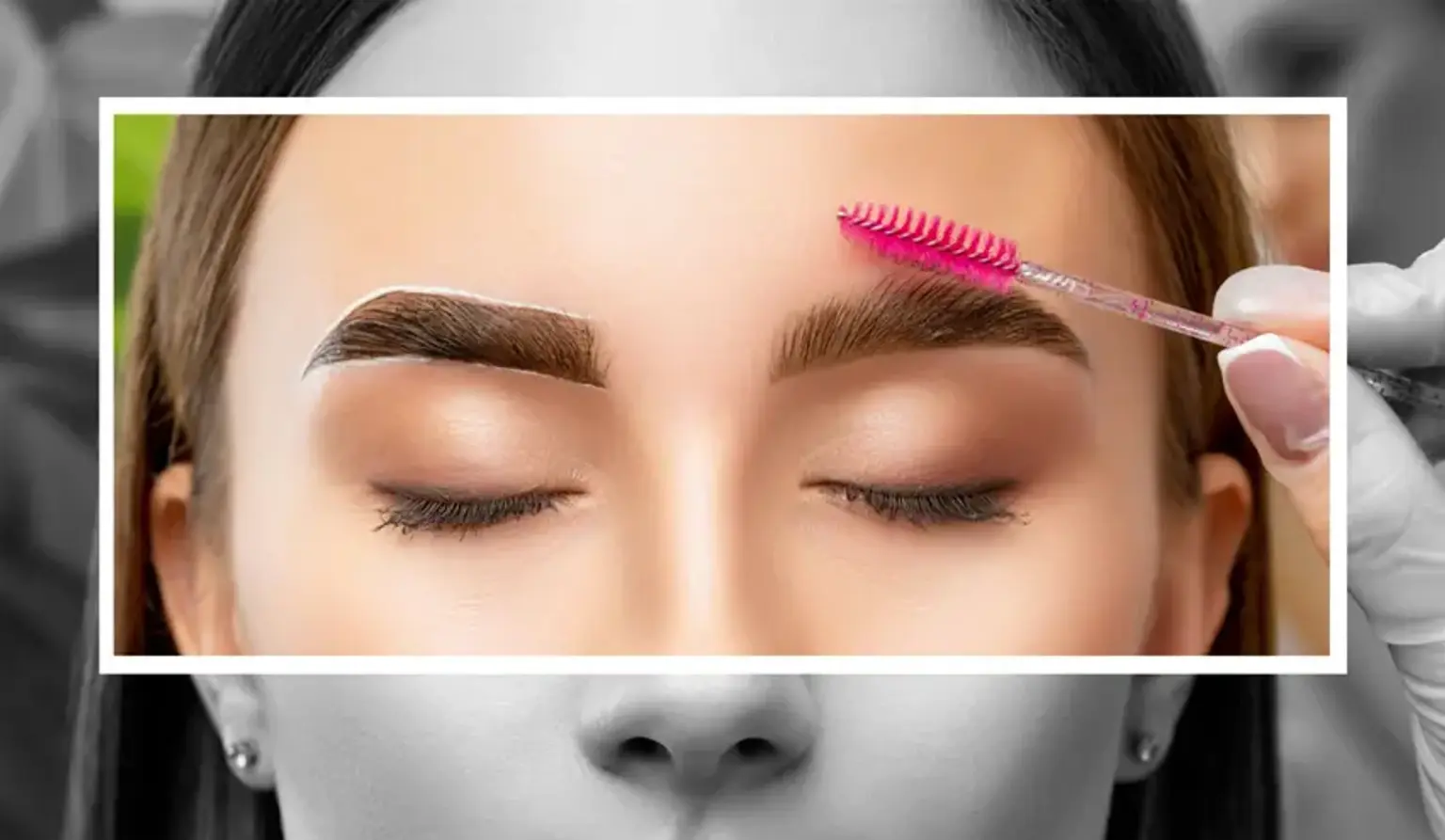
As a non-invasive solution, microblading offers long-lasting results, typically lasting 1 to 2 years, with the added benefit of low maintenance compared to traditional eyebrow products.
The Science Behind Microblading: How It Works
Microblading involves using a small hand tool with tiny, fine needles to deposit pigment just beneath the surface of the skin. This technique mimics the appearance of natural eyebrow hairs, resulting in a defined and fuller look. Unlike tattooing, which uses machines, microblading provides more precision and detail for a natural appearance.
The procedure starts with a consultation to determine the brow shape, color, and thickness that best suit the client’s face. After numbing cream is applied to minimize discomfort, the technician uses a blade-like tool to make tiny, hair-like strokes in the skin. The result is a customized look, perfectly shaped for each individual’s facial features.
Who Can Benefit from Microblading?
Microblading is an excellent option for a wide variety of people:
Sparse or Thin Brows: If you have naturally thin or patchy eyebrows, microblading can help you achieve a fuller, more defined look.
Over-Plucked Brows: If your brows have been over-tweezed or are uneven, microblading can restore their shape.
Alopecia Sufferers: Individuals with alopecia or other hair loss conditions can benefit greatly, as microblading restores the appearance of natural brows.
Busy Individuals: Microblading is ideal for people who want to save time on daily brow makeup routines.
Essentially, anyone seeking a more polished, natural brow look can benefit from this procedure.
The Step-by-Step Microblading Procedure
Consultation
The process begins with a consultation where the technician discusses your desired eyebrow shape, color, and thickness. This ensures the final look complements your face and personal style.
Numbing
A numbing cream is applied to the brow area to minimize discomfort during the procedure.
Designing the Shape
The technician carefully maps out the shape and symmetry of your brows, adjusting it to suit your features. This step is crucial to achieving the most natural-looking results.
Microblading
Using a hand-held tool with tiny needles, the technician applies pigment to the skin in hair-like strokes. The strokes mimic the natural eyebrow hairs for a flawless and natural result.
Aftercare
Post-procedure care is essential for ensuring the best results. Clients are advised to avoid getting the brow area wet, refrain from makeup on the area, and avoid excessive sun exposure for several days after the procedure.
Benefits of Microblading for Eyebrows
Microblading offers several advantages for those looking to improve their brows:
Natural Look: The fine, hair-like strokes created during microblading mimic the appearance of natural eyebrow hairs, providing a subtle yet defined look.
Saves Time: No more daily eyebrow makeup application. Microblading simplifies your beauty routine, saving time while ensuring your brows always look perfect.
Long-Lasting: Unlike traditional makeup, microblading lasts anywhere from 1 to 2 years, making it a low-maintenance option for busy individuals.
Confidence Boost: Well-shaped, full brows can enhance facial features, boosting confidence and creating a more youthful appearance.
Customizable: The technique allows for personalization in color, shape, and stroke direction, ensuring the final result matches your natural beauty.
Potential Risks and Side Effects
While microblading is generally safe, there are a few risks and potential side effects to be aware of:
Infection: If the treated area is not cared for properly, there is a risk of infection. It’s important to follow aftercare instructions and ensure the artist follows strict hygiene protocols.
Allergic Reactions: Some individuals may have allergic reactions to the pigments used, though this is rare. It’s essential to perform a patch test before the procedure.
Uneven Results: While skilled technicians can minimize this, some clients may experience asymmetry or uneven pigmentation, especially if the technician is inexperienced.
Fading: Microblading is semi-permanent, so the pigment will gradually fade over time. Sun exposure, skin type, and aftercare all influence how quickly the pigment fades.
Healing Process: In the days following the procedure, clients may experience redness, swelling, or scabbing, but these symptoms should subside within a week or two.
The Cost of Microblading: What to Expect
The cost of microblading varies depending on location, artist experience, and the type of service offered. On average, the procedure can range from $600 to $900, with some high-end salons charging more for expertise and additional services like touch-ups.
What’s Included: Typically, the price covers the initial procedure and one follow-up touch-up session. Additional touch-ups may incur extra costs.
Factors Affecting Price: The cost can be influenced by where you live (e.g., metropolitan areas tend to charge more), the skill level of the technician, and the salon’s reputation.
Aftercare Products: Some salons may provide aftercare kits, which can add to the overall cost. These products are often recommended to aid healing and maintain the quality of the brows.
While it may seem like a significant investment upfront, the long-lasting results and time saved on makeup make it a worthwhile option for many.
Post-Treatment Care for Microblading
Proper aftercare is crucial for ensuring the best results and preventing complications. Here are some key post-treatment instructions:
Avoid Moisture: For the first 1-2 days, keep the treated area dry to prevent infection. This includes avoiding sweat, water, and steam.
Don’t Apply Makeup: Refrain from using makeup on the treated area for about a week to allow proper healing.
Sun Protection: Protect your brows from direct sun exposure, as UV rays can cause the pigment to fade more quickly.
Avoid Scratching or Picking: As the brows heal, scabs may form. It’s essential to avoid picking at them to prevent scarring or infection.
Follow-up Touch-Up: A touch-up session is usually recommended around 6 to 8 weeks after the initial procedure to perfect the shape and color.
By following these aftercare instructions, you’ll ensure that your microblading heals properly and lasts as long as possible.
Microblading vs. Eyebrow Tattooing: Key Differences
While both microblading and eyebrow tattooing involve the application of pigment to the skin, there are some significant differences:
Technique: Microblading uses a manual, hand-held tool with fine needles to create hair-like strokes, while eyebrow tattooing typically involves a machine that deposits pigment into deeper layers of the skin.
Appearance: Microblading results in a more natural, textured look, with individual strokes mimicking real hair. Eyebrow tattoos, on the other hand, tend to have a more solid, blocky appearance.
Longevity: Microblading is semi-permanent, lasting around 1-2 years, while eyebrow tattoos are permanent, though they may fade over time.
Pain and Healing: Microblading usually causes less discomfort and has a quicker healing process compared to traditional tattoos, which can take longer and cause more pain due to the deeper pigment placement.
For those seeking a natural, customizable look, microblading is often the preferred choice over traditional eyebrow tattooing.
Who Should Avoid Microblading?
While microblading is suitable for many, it’s not for everyone. Certain individuals should avoid the procedure:
Sensitive Skin: If you have particularly oily or sensitive skin, microblading may not be the best option, as it can cause the pigment to fade quicker and may result in uneven strokes.
Pregnant or Breastfeeding Women: Due to hormonal changes, microblading may not give the desired results during pregnancy or while breastfeeding. Additionally, there is a risk of infection.
Certain Skin Conditions: If you have skin conditions like eczema, psoriasis, or rosacea in the brow area, it can affect the healing process and the final result.
Blood Thinners: Individuals on blood-thinning medication may experience excessive bleeding during the procedure, affecting the pigment retention and healing process.
Allergic Reactions: If you have known allergies to pigments or anesthesia, you should avoid microblading. A patch test before the procedure can help determine any potential sensitivities.
Consulting with a qualified technician before proceeding is essential to determine whether you are a good candidate for microblading.
How to Choose a Qualified Microblading Artist
Choosing the right microblading artist is key to ensuring beautiful, long-lasting results. Here’s how to make the best choice:
Certification and Training: Ensure your artist has completed formal training from a reputable school or institution. Many countries require certification, so check that the artist is licensed and meets local regulations.
Experience and Portfolio: Look at the artist's portfolio of before-and-after photos. This will give you a clear idea of their style, precision, and expertise. Always check reviews and testimonials from previous clients.
Hygiene and Safety: A professional artist should adhere to strict hygiene standards. They should use sterilized tools, disposable needles, and gloves during the procedure. The workspace should be clean and well-maintained.
Consultation: A good artist will offer a consultation before the procedure to discuss your brow shape, color preferences, and any concerns. This is your opportunity to gauge their knowledge and professionalism.
Comfort: During the procedure, you should feel comfortable and confident in the artist’s skill. If you feel uneasy at any point, don’t hesitate to ask questions or request clarification.
By taking the time to research and choose a qualified artist, you’ll ensure the best possible results.
Global Popularity of Microblading
Microblading has gained widespread popularity worldwide, becoming a staple in the beauty industry. This procedure has taken the global beauty market by storm, with a particularly strong following in:
The United States and Canada: With many people leading busy lives and prioritizing convenience, microblading has become a favorite for those looking for long-lasting, low-maintenance beauty solutions.
South Korea: Known for its innovative beauty trends, South Korea has embraced microblading as a popular cosmetic procedure, blending traditional beauty with cutting-edge technology.
The United Kingdom and Europe: Across Europe, microblading has become an essential part of the beauty routine, especially in countries like the UK, where precise eyebrow shapes are highly valued.
Social media, particularly Instagram and YouTube, has played a significant role in boosting microblading’s popularity. Influencers, beauty bloggers, and artists share their transformations, further fueling the trend. Additionally, the demand for semi-permanent beauty treatments that save time and offer natural results has made microblading a globally recognized and sought-after procedure.
Common Myths About Microblading
Despite its popularity, there are several misconceptions surrounding microblading. Here are some of the most common myths debunked:
Myth 1: Microblading is too painful.
While the procedure involves tiny incisions, numbing creams are used, making the process relatively pain-free. Most people describe it as slightly uncomfortable, but manageable.Myth 2: Microblading lasts forever.
Microblading is semi-permanent, typically lasting between 1 and 2 years. Over time, the pigment fades, and a touch-up is required to maintain the look.Myth 3: Microblading is only for women.
Men can benefit from microblading too, especially if they want to define their brows or fill in sparse areas. The procedure is highly customizable to suit all genders.Myth 4: It looks unnatural.
When performed by a skilled artist, microblading creates natural, realistic-looking brows. The fine strokes are designed to mimic real hair, enhancing your natural features.
Microblading Touch-Up Process
Microblading doesn’t stop after the initial session. To ensure that your brows remain flawless, a touch-up is typically required. Here’s what to expect:
When to Schedule Touch-Ups: After the first procedure, a touch-up is usually scheduled 6 to 8 weeks later. This helps to perfect the shape and pigment, as the skin might not retain the pigment evenly.
Frequency of Touch-Ups: Depending on your skin type and lifestyle, touch-ups are needed every 12 to 18 months to maintain the look.
What Happens During a Touch-Up: The technician will assess how the pigment has faded, make any necessary adjustments, and refresh the strokes where needed.
Touch-ups are essential for keeping your brows looking fresh and natural over time.
Can You Remove Microblading?
While microblading is semi-permanent, you may wonder if it's possible to remove the pigment if you're not happy with the results. Here’s what you need to know:
Natural Fading: Over time, the pigment will naturally fade as the skin sheds and regenerates. However, this process can take several months or even years.
Removal Options: If you want to speed up the process or remove it completely, there are a few methods:
Laser Removal: Some clinics offer laser treatments to break down the pigment. This can be effective but may require multiple sessions.
Saline Removal: A saline solution can be applied to help lighten or remove the pigment, but this method may not completely erase the microblading.
If you’re unhappy with your microblading results, consult with a professional to discuss the best removal option for your skin type.
Frequently Asked Questions (FAQs) About Microblading
Here are some commonly asked questions that can help you make an informed decision about microblading:
How long does the procedure take?
Microblading typically takes about 2 to 3 hours, including the consultation, numbing time, and the actual procedure.Will it hurt?
While some discomfort is normal, a numbing cream is applied before the procedure, making the process bearable for most people.How long does microblading last?
Microblading typically lasts 1 to 2 years, depending on factors such as skin type, lifestyle, and aftercare.Is it safe?
Yes, as long as you choose a certified technician who follows proper hygiene standards and uses high-quality pigments and tools.How soon can I wear makeup on my brows?
You should avoid applying makeup to the area for at least a week after the procedure to allow the skin to heal.
Microblading and Skin Type Considerations
Your skin type plays an important role in the success of your microblading procedure. Here’s how different skin types can affect the outcome:
Oily Skin: People with oily skin may experience faster fading of the pigment, as the excess oil can cause the ink to disperse. Microblading results might not last as long, and touch-ups may be needed more frequently.
Dry Skin: Dry skin generally retains pigment well, resulting in longer-lasting results. However, dry skin can be prone to flakiness, which may affect the healing process.
Sensitive Skin: If you have sensitive skin, you may experience redness or irritation during the healing process. It's important to follow the aftercare instructions carefully to avoid complications.
Combination Skin: For those with combination skin, the results can vary, but the procedure usually works well for both oily and dry areas of the brow.
When booking an appointment, it’s helpful to discuss your skin type with the technician so they can provide the best advice for achieving optimal results.
Microblading for Different Face Shapes
Microblading can enhance your features based on your unique face shape. A skilled technician will design the brows to complement your facial structure. Here’s how it works for different face shapes:
Round Face: For round faces, high-arched brows can create the illusion of length and add structure to the face, balancing out the roundness.
Square Face: Soft, rounded brows can help soften angular features and add a more feminine touch to a square face.
Oval Face: Oval faces are well-suited for a variety of brow shapes, but soft, natural arches often work best to highlight the face’s natural symmetry.
Heart-Shaped Face: For heart-shaped faces, brows with a slight arch can help balance a pointed chin and create a more proportionate look.
Long Face: For longer faces, straight or slightly arched brows can reduce the appearance of length, making the face appear more balanced.
Your technician will tailor the brow shape to enhance your facial features and create a harmonious look that suits your style.
Conclusion
Microblading is a transformative procedure that can enhance your appearance, save time, and boost confidence. For those with sparse, uneven, or over-plucked brows, microblading offers a semi-permanent solution that mimics natural hair strokes and creates fuller, more defined brows.
While the procedure isn’t without its risks, proper research, selecting a certified technician, and following aftercare instructions can ensure great results. The key is understanding your skin type, desired outcome, and the commitment to periodic touch-ups.
Ultimately, microblading can be a game-changer for those seeking a low-maintenance, natural-looking solution to their eyebrow needs. If you’re ready to invest in beautiful, hassle-free brows, microblading may be exactly what you’re looking for.