Myeloma
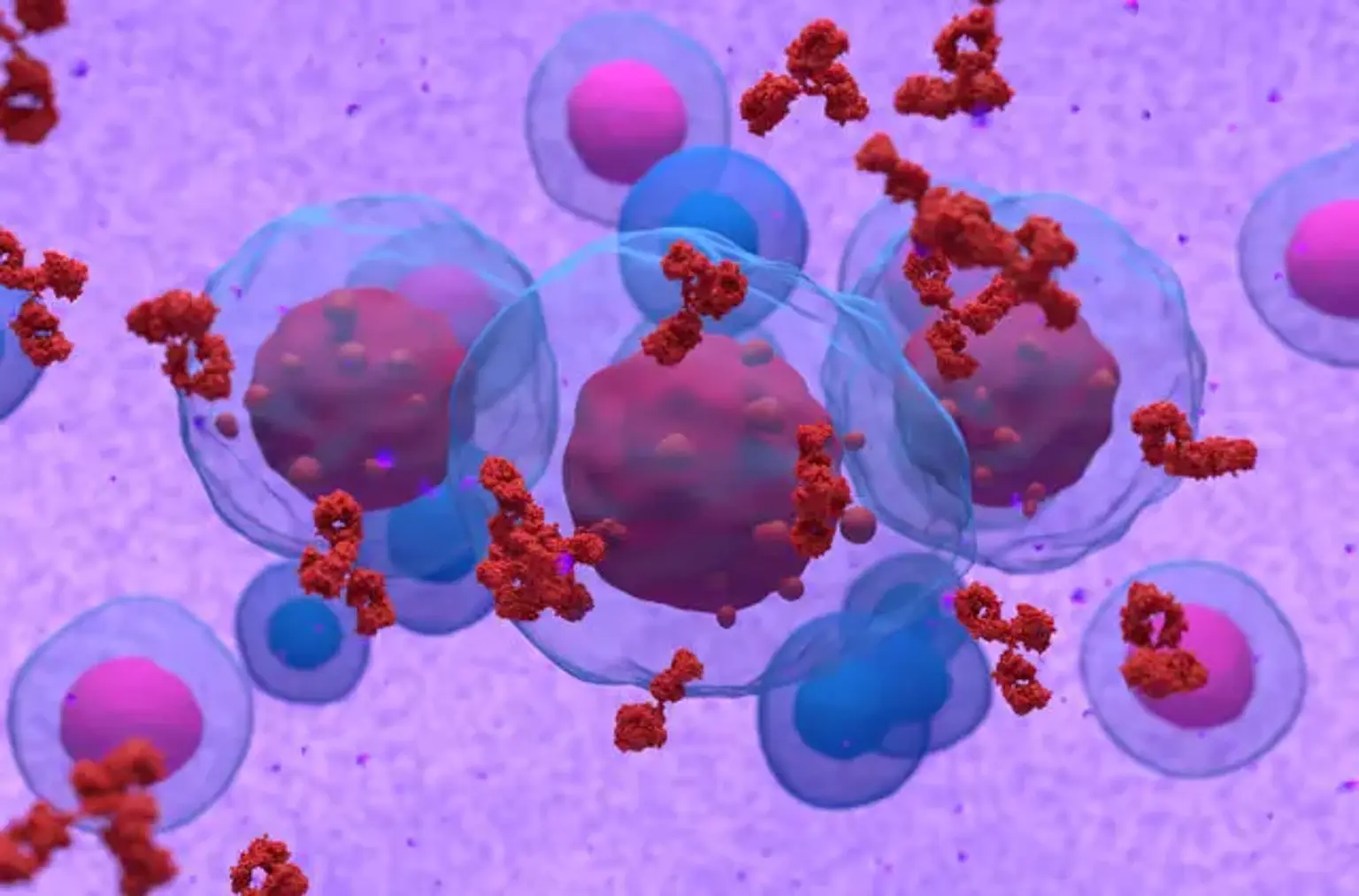
Myeloma is a cancer type that affects the plasma cells, a form of white blood cell in the bone marrow. The bone marrow is the soft tissue that manufactures blood cells in most bones. Plasma cells in the bone marrow produce antibodies, proteins that aid the body's defenses against diseases and infections.
Myeloma develops when an abnormal plasma cell forms within the bone marrow and replicates rapidly. Eventually, the quick reproduction of cancerous myeloma cells exceeds the healthy bone marrow cells production. Hence, the malignant cells build up within the bone marrow, overcrowding healthy red and white blood cells.
Signs and Symptoms of Myeloma
The myeloma symptoms differ from one person to another. At first, the symptoms might be imperceptible. On the other hand, most individuals will have at least one of the major types of symptoms as the condition progresses. These signs and symptoms may include the following:
- Appetite loss
- Bone pain, particularly in the chest or spine
- Confusion or mental fogginess
- Constipation
- Extreme thirst
- Fatigue
- Infections that occur frequently
- Leg weakness or numbness
- Loss of weight
- Nausea
Causes of Myeloma
The exact causes of myeloma cancer are unknown. However, it is known to start with one abnormal plasma cell within the bone marrow. With time, the abnormal cell proliferates quickly.
Since the malignant cells do not mature and eventually die like normal cells. Instead, they build up and finally outnumber healthy cell production. The myeloma cells overwhelm the healthy blood cells inside the bone marrow. This causes exhaustion and incapacity to fight off the infections.
Risk Factors of Myeloma
The following factors are likely to raise the risk of developing myeloma blood cancer:
- Getting older: Myeloma is more common as people get older, with most of them being diagnosed as they approach their mid-60s.
- Family history of myeloma: You are more likely to develop myeloma if your parent, brother, or sister has the disease.
- Male gender: Men have higher risks than women of developing myeloma.
- Being black: Most black people have increased risks than other races to develop the disease.
- Personal history of undetermined significance monoclonal gammopathy (MGUS): Because myeloma nearly always begins as MGUS, having this disorder puts you at risk.
Myeloma Diagnosis
Medical providers frequently discover myeloma even before the symptoms appear. Regular physical examinations, blood tests, as well as urine tests can all reveal indicators of this cancer.
Additional tests may be necessary if your provider discovers myeloma signs in the absence of the symptoms. He or she can recommend the following myeloma diagnosis tests to monitor the progress of the condition and tell if you require any treatment.
Blood and urine tests:
M proteins are detected using blood and urine tests. These proteins could be the result of myeloma or another underlying condition. In addition, malignant cells produce a protein known as beta-2 microglobulin that is present in the blood.
Doctors can also use blood tests to determine the following:
- The number of plasma cells present in bone marrow
- Kidney performance
- Blood cells count
- Levels of calcium and uric acid
Biopsy:
A biopsy involves the use of a long thin needle to take out a small sample of the bone marrow. As soon as the marrow sample is extracted, the doctor will test it for any malignant cells in the lab. Different tests could help in identifying the kinds of abnormalities within the cells as well as the rate at which the cells multiply.
These tests can reveal if you have myeloma or any other medical condition. In case myeloma is discovered, tests can reveal how far it has advanced. This is referred to as cancer staging.
Imaging tests:
Imaging exams such as computed tomography (CT) scans, magnetic resonance imaging (MRI), positron emission tomography (PET) scans, and X-rays, provide detailed pictures of the bones and soft tissues to the doctor. These imaging tests reveal both bone and organ damage.
Myeloma Staging
If the diagnostic tests reveal that you have myeloma, the physician will use the results of the tests to determine whether the disease is in stage I, stage II, or stage III. Normally, stage I myeloma is the least aggressive, while stage III is the most aggressive.
The stage, as well as the risk category of myeloma, enables the provider to know your prognosis as well as the treatment choices.
Doctors can stage myeloma by checking;
- The levels of protein in blood and urine
- Blood cell count
- Levels of calcium in the bloodstream
Myeloma Treatment Options
Myeloma has no known cure. On the other hand, there are several treatments available to help alleviate pain, lessen complications, and even slow down the disease's progress. Doctors often recommend such treatments only when the disease is progressing or worsening.
If you don't show any symptoms, your doctor might not recommend the treatment. But instead, he or she will keep a close eye on you while looking for any signs of disease progression. This frequently entails routine blood tests as well as urine tests.
If you require medical treatment, your provider can suggest the following options:
- Targeted therapy
Medication used in targeted therapy obstructs a chemical in myeloma cells which normally damages the proteins and causes the malignant cells to die. Bortezomib (Velcade) and carfilzomib (Kyprolis) are the medications that doctors can use during targeted therapy. Both are given intravenously or via a vein in the arm.
- Biological therapy
Biological treatment medications target myeloma cells using the immune system in your body. Thalidomide (Thalomid), pomalidomide (Pomalyst), or lenalidomide (Revlimid) pills are commonly used to enhance the immune system. Lenalidomide works similarly to thalidomide, although it carries fewer side effects. It is much strong as well.
- Chemotherapy
Chemotherapy is a type of aggressive drug therapy that aids in killing rapidly growing cells, such as myeloma cells. Chemotherapy drugs are frequently administered in higher doses, particularly prior to a stem cell transplant. These medications can be administered intravenously or orally.
- Corticosteroids
Myeloma is often treated with corticosteroids, including prednisone and dexamethasone. They have the ability to balance the body's immune system by lowering inflammation within the body. As a result, they are frequently effective in killing the myeloma cells. They are administered as pills or intravenously.
- Radiation therapy
Radiation therapy employs high-energy beams to destroy myeloma cells and halt their progress and growth. At times, this form of treatment is helpful in rapidly killing myeloma cells in a specific part of the body. The doctor can recommend radiation therapy if a group of abnormal plasma cells develops into a tumor known as a plasmacytoma. This tumor causes severe pain or can even destroy the affected bone.
- Bone marrow transplant
This treatment is also referred to as a stem cell transplant. It is a surgical procedure that replaces the damaged bone marrow with a healthy one.
The stem cells that form blood are first extracted from the blood prior to the bone marrow transplant procedure. Following that, you will be given high-dose chemotherapy to help damage the already diseased bone marrow. The stem cells are then infused into the body, after which they move to the bones and start the process of rebuilding the bone marrow.
- Alternative medicine
Alternative medicine has now gained popularity as a means of coping with myeloma symptoms as well as the treatment side effects. Although they cannot cure myeloma, you might want to discuss the following with your medical provider:
- Acupuncture
- Massage
- Aromatherapy
- Meditation
- Relaxation methods
Before attempting any alternative treatments, consult with your doctor first to make sure that they are suitable for your health.
Complications of Myeloma
Myeloma complications include:
- Frequent infections: Myeloma cells impair your immune system's capacity to fight infections.
- Problems with the bones: Myeloma can damage the bones, causing pain, bone thinning, and breaking.
- Impaired kidney function: Myeloma may impair normal kidney function, leading to kidney failure.
- Anemia (reduced red blood cell count): Myeloma can lead to anemia and other blood-related problems because myeloma cells tend to crowd out the healthy blood cells.
Complications Management
Since myeloma can lead to a variety of complications, one might as well require treatment for those conditions. Examples of complications management options include;
- Bone ache: Pain relievers, radiation therapy, and surgical procedure may all help to alleviate bone pain.
- Infections: Some vaccines, including those used to prevent the flu and pneumonia, may be recommended by the doctor to treat infections.
- Complications with the kidneys: Dialysis may be necessary for those who have severe or chronic kidney damage.
- Anemia: For people with constant anemia, the doctor can advise them to take medications to boost their overall red blood cell count.
- Bone loss: To help prevent bone loss, your medical provider can prescribe bone-building medications.
Conclusion
Myeloma is an uncommon disorder in which malignant plasma cells proliferate, multiply, and accumulate within the bone marrow. This condition can cause bone deterioration, anemia, irregular renal function, and other health issues.
Myeloma treatment is not always needed right away. For instance, if it is gradually progressing and not causing any symptoms, the medical provider can suggest close monitoring rather than immediate treatment. Generally, a variety of treatment options are available for patients with myeloma who need it.