Introduction
Nail disorders, though often overlooked, can significantly affect your quality of life. These conditions, ranging from unsightly fungal infections to painful nail damage, not only compromise your nail health but can also lead to self-consciousness and discomfort. Whether it’s discoloration, brittleness, or fungal infections, it’s important to address these issues early. Nail disorders are not just a cosmetic concern; they can also indicate underlying health problems. Fortunately, treatments are available to restore your nails to their healthy state and prevent further damage.
What Are Nail Disorders?
Nail disorders encompass a wide variety of conditions that affect the nails’ appearance and functionality. Some of the most common types include:
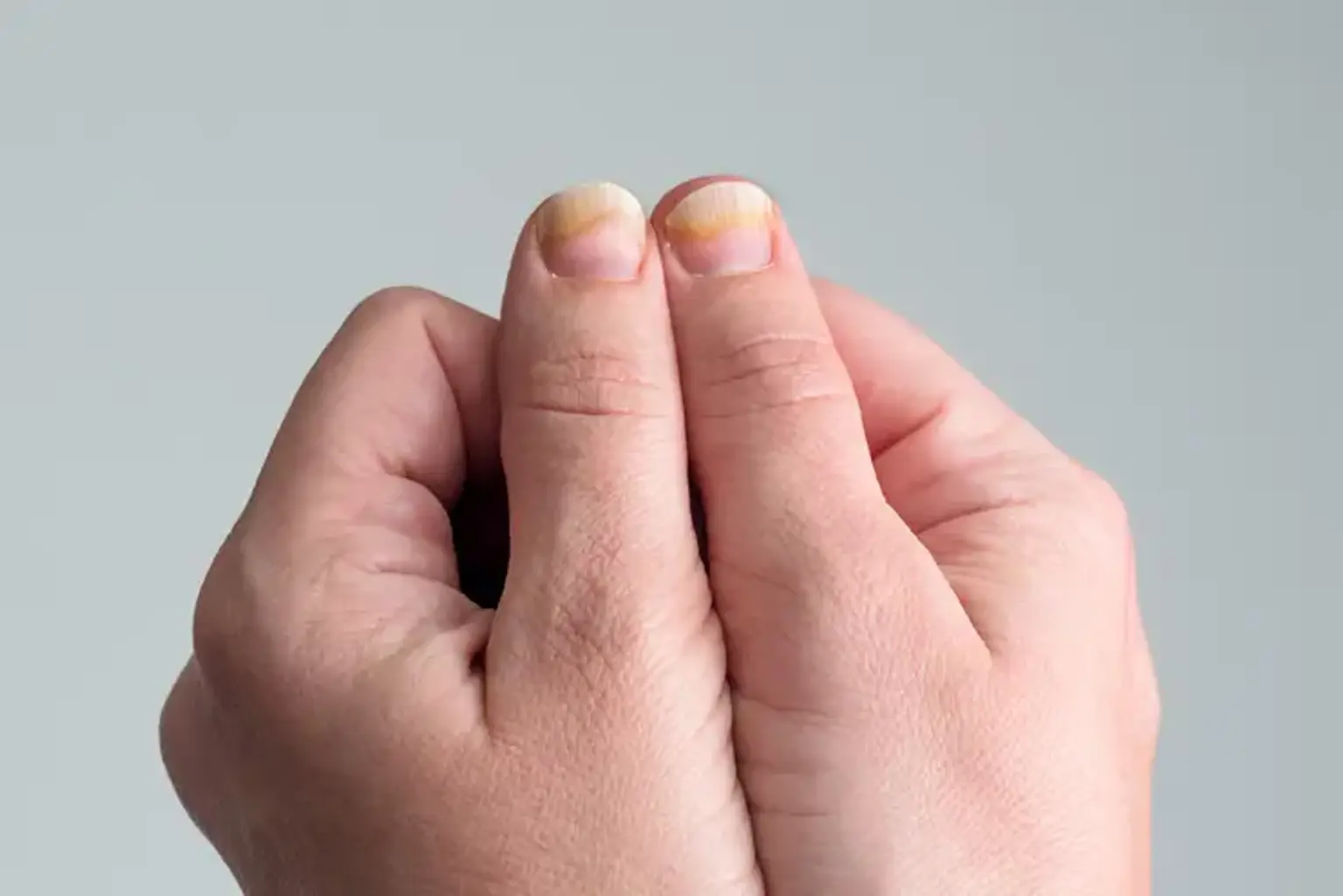
Fungal Nail Infections: Caused by fungi, these infections often lead to thickened, discolored, and brittle nails. They are highly contagious and can spread if untreated.
Nail Discoloration: This can result from several factors including fungal infections, injuries, or even systemic health issues like jaundice or diabetes.
Brittle Nails: Nails that break or split easily can be due to a lack of moisture, nutritional deficiencies, or certain medical conditions like hypothyroidism.
Nail Psoriasis: An autoimmune condition that leads to changes in the nail’s texture and color.
While these conditions may seem like minor inconveniences, they can escalate into more serious issues, especially if left untreated. It's crucial to understand what’s causing the disorder to seek the most effective treatment.
Common Causes of Nail Infections
Nail infections and other disorders can have a variety of causes, many of which are preventable with proper care and hygiene. Here are some common causes:
Fungal Infections: Fungi thrive in warm, moist environments, making the toes particularly susceptible to infection. Conditions like athlete’s foot can spread to the nails, causing toenail fungus.
Injury to the Nail: A traumatic injury or pressure on the nail can lead to damage, which makes it easier for infections to take hold.
Underlying Medical Conditions: Chronic conditions such as diabetes or psoriasis often increase the risk of nail disorders. Diabetes, for example, reduces blood flow to the extremities, weakening nails and increasing the chances of infection.
Poor Nail Care: Infrequent trimming, neglecting to keep nails clean, or using harsh chemicals on the nails can weaken them and make them prone to infection.
Being aware of the potential causes of nail disorders can help you avoid them or manage them more effectively. Whether through preventative measures or early intervention, knowing the source is key to recovery.
Signs and Symptoms of Nail Disorders
Identifying a nail disorder early can help you seek treatment before the issue worsens. Common signs and symptoms include:
Discoloration: Yellow, white, or brown spots on the nails can be signs of fungal infections. In some cases, nail discoloration can indicate an underlying health issue, such as liver or kidney disease.
Thickening of the Nails: Nails that become unusually thick or distorted are often a result of fungal infections or psoriasis.
Brittle Nails: Nails that break, split, or peel easily may be a sign of nutrient deficiencies, dehydration, or damage.
Pain and Swelling: Infected nails often cause pain, swelling, and redness around the nail. This can be accompanied by discharge or pus if the infection is severe.
If you experience any of these symptoms, it’s essential to consult with a healthcare professional for a diagnosis and treatment plan. Left untreated, nail disorders can worsen and lead to more significant complications, such as permanent nail damage or the spread of infection to other nails. Early intervention is the best way to avoid these issues and restore healthy nail growth.
The Importance of Early Diagnosis
Early diagnosis of nail disorders is crucial for effective treatment. Nail disorders can worsen if not addressed promptly, leading to long-term damage or more severe infections. For example, untreated fungal nail infections can spread to other nails or even to the skin, causing discomfort and requiring more intensive treatment. Additionally, some nail disorders, such as nail psoriasis or fungal infections, can signal underlying health conditions like diabetes or autoimmune diseases. Early intervention ensures that you receive appropriate care and treatment before complications arise.
When you notice any changes to your nails, it's essential to schedule an appointment with a healthcare provider. The earlier the problem is identified, the easier it is to manage and treat. Whether it's a simple fungal infection or a more complex nail disorder, seeking professional advice can save you time, money, and potential pain down the road.
Medical Treatments for Nail Disorders
Medical treatments for nail disorders are essential when home remedies and lifestyle changes aren't enough to resolve the problem. These treatments are designed to target the root cause, whether it's an infection, injury, or underlying health issue. Here are some common medical treatments:
Antifungal Treatments: For fungal nail infections, doctors typically recommend oral antifungal medications or topical treatments such as antifungal creams and medicated lacquers. Oral medications like terbinafine and itraconazole are often prescribed for more severe cases, while topical treatments may be sufficient for mild infections.
Surgical Interventions: In rare cases where the infection is persistent and other treatments have failed, nail removal may be necessary. This allows for better access to the infected area and can help prevent the spread of infection to surrounding tissue.
Topical Steroids: For conditions like nail psoriasis or eczema, doctors may recommend corticosteroid creams or ointments to reduce inflammation and improve the appearance of the nails.
Laser Therapy: Newer methods, such as laser therapy, are becoming popular for treating stubborn fungal infections. Laser treatments target the fungus directly, killing it without damaging surrounding tissues.
Medical treatments are often the most effective way to address nail disorders, especially when the condition is severe or does not respond to at-home remedies.
Over-the-Counter (OTC) Treatments for Nail Infections
For mild to moderate nail infections, over-the-counter (OTC) treatments can be a convenient and effective option. These treatments are usually antifungal solutions or creams that are applied directly to the nail. OTC products can be helpful for early-stage infections or when symptoms are not severe.
Some popular OTC antifungal treatments include:
Medicated Nail Lacquers: These lacquers contain antifungal agents like ciclopirox, which are applied directly to the nail and allowed to dry. They are most effective for treating mild to moderate fungal infections and can be used in combination with oral medications for more severe cases.
Antifungal Creams and Ointments: Over-the-counter creams, such as clotrimazole or terbinafine, can be applied to infected nails. These treatments are easy to use and generally safe, though they may take longer to show results compared to prescription treatments.
Nail Fungus Tablets: Some OTC oral antifungal tablets are available, but they are generally less potent than prescription medications. They can be a good option for individuals with less severe infections.
While OTC treatments can be helpful, they may not be sufficient for severe infections. If the condition worsens or doesn’t improve within a few weeks, it’s essential to consult a healthcare professional for stronger treatments.
Home Remedies for Nail Fungus
Many people prefer to try natural or home remedies to treat nail fungus before seeking medical intervention. While these remedies may not always work as quickly or effectively as prescription treatments, they can be a good first line of defense, especially for mild cases. Here are a few popular home remedies:
Tea Tree Oil: Known for its antifungal properties, tea tree oil is a popular home remedy for nail fungus. Applying a few drops of tea tree oil to the affected nail twice a day may help reduce the infection over time.
Apple Cider Vinegar: Apple cider vinegar has natural antifungal properties and is often used to soak the affected nail. To use, mix equal parts of water and vinegar in a bowl and soak the infected nail for 20-30 minutes daily.
Garlic: Garlic has been praised for its antibacterial and antifungal properties. Crushed garlic can be applied directly to the nail or mixed with olive oil to create a soothing paste. Leave it on the affected area for a few hours each day.
Coconut Oil: With its antifungal and moisturizing properties, coconut oil is another natural remedy that can be applied directly to the affected nail. It may help soothe the nail and prevent further infection.
While home remedies can help reduce symptoms and may aid in treating minor infections, they should not be relied upon for serious cases. If there is no improvement after a few weeks of using home treatments, it's time to consult a healthcare provider.
Nail Care During Treatment
Proper nail care is essential when treating nail disorders, as it helps speed up healing and prevents reinfection. Here are some key practices to follow:
Keep Nails Clean and Dry: Fungi thrive in moist environments, so it’s crucial to keep nails dry and clean. Regularly wash your nails and dry them thoroughly.
Avoid Trauma: Refrain from injuring the nail during treatment, as this can worsen the condition or allow infection to spread.
Trim Nails Regularly: Cut nails straight across to prevent them from becoming ingrown or damaged. Trim them to a manageable length, ensuring the edges aren’t sharp.
Avoid Sharing Personal Items: To prevent the spread of infections, avoid sharing nail tools, socks, or shoes with others.
By following these simple steps, you can minimize complications and enhance the effectiveness of your treatment.
Advanced Treatments: Laser Therapy and Photodynamic Therapy
For severe or persistent nail infections, advanced treatments like laser therapy and photodynamic therapy may be recommended.
Laser Therapy: This method involves using a focused laser to target and destroy the fungi causing the infection. Laser therapy is non-invasive and has shown promising results in clearing nail fungus without harming surrounding tissue. It’s often used for patients who haven’t responded to topical or oral antifungals.
Photodynamic Therapy (PDT): PDT uses a photosensitizing agent combined with light exposure to kill the fungi. It’s a less common treatment but can be effective for stubborn infections.
While these therapies are often more expensive and require specialized equipment, they can offer faster and more effective solutions for chronic nail infections that don’t respond to conventional treatments.
Medicated Nail Lacquers: How They Work
Medicated nail lacquers are a popular and effective treatment option for mild fungal infections. These lacquers contain antifungal agents that are applied directly to the infected nail, where they slowly penetrate and work to eliminate the fungus.
How They Work: Medicated lacquers, like ciclopirox, are designed to treat infections directly on the nail surface. They create a barrier that prevents the fungus from spreading, while the antifungal ingredients work to kill the infection.
Application: These lacquers need to be applied once daily, and you should avoid any activity that could remove or damage the coating. The lacquer should be left on for at least several hours or overnight for maximum effect.
While slower than oral medications, nail lacquers are an easy, non-invasive option for treating fungal nail infections, particularly when the infection is mild.
Oral Antifungal Medications
For more severe nail infections, oral antifungal medications are often the most effective treatment. These medications work by attacking the fungus from within the body, eliminating it over time.
Common Medications: Drugs like terbinafine, itraconazole, and fluconazole are commonly prescribed. They target the fungal cells, preventing their growth and ultimately killing them.
How They Work: Oral antifungal medications typically take several weeks to months to fully clear an infection. They’re more effective for widespread or deep infections compared to topical treatments.
Side Effects: While effective, oral antifungals can have side effects like liver damage, gastrointestinal issues, or skin reactions. It’s important to have regular checkups with your doctor while on these medications to monitor for any complications.
Oral medications are generally recommended when other treatments, like topical treatments or lacquers, fail to clear the infection. Though they may take time, they are often the most comprehensive solution for more severe fungal infections.
Managing Nail Disorders in Special Populations
Certain populations, such as the elderly, pregnant women, and individuals with chronic conditions, require special consideration when managing nail disorders. These groups may face unique challenges that affect treatment options and outcomes.
Elderly Patients: Older adults often experience weakened immune systems, making them more susceptible to fungal infections and slower to heal. Additionally, medications commonly taken by seniors, such as those for high blood pressure or diabetes, can sometimes interfere with nail disorder treatments. It’s important for elderly patients to consult their healthcare provider to find a treatment plan that works well with their existing health conditions.
Pregnant Women: Some antifungal medications, particularly oral treatments, may not be safe during pregnancy. Pregnant women should consult their doctor before starting any treatments, as topical treatments like medicated lacquers may be safer alternatives.
Diabetics: Diabetes can affect circulation, making it harder for the body to fight off infections, including those that affect the nails. It’s essential for diabetic patients to closely monitor their nail health, as untreated nail disorders can lead to serious complications, including severe infections that may require amputation in extreme cases.
Special care should be taken to tailor treatment plans based on individual health needs and conditions.
Prevention Tips: How to Avoid Nail Infections
Preventing nail disorders is often easier than treating them. By adopting a few simple habits, you can reduce the likelihood of developing infections or other nail problems. Here are some prevention tips:
Wear Breathable Shoes: Tight, non-breathable shoes can create a warm, moist environment that fosters fungal growth. Opt for shoes made of natural materials like leather or canvas, which allow your feet to breathe.
Maintain Proper Nail Hygiene: Trim your nails regularly, and clean them to remove any dirt or debris. Always dry your feet and hands thoroughly after washing them, as fungi thrive in moist environments.
Use Antifungal Powder: If you’re prone to fungal infections, especially in the feet, using antifungal powder or spray on your feet and inside your shoes can help prevent infections.
Avoid Nail Trauma: Be cautious when performing activities that could cause damage to your nails. Injuries increase the risk of infections, so it’s essential to protect your nails from unnecessary trauma.
Prevention is the best approach to maintaining nail health and avoiding troublesome infections.
Nail Disorders and Their Impact on Mental Health
Nail disorders, while primarily physical, can have a significant emotional and psychological impact. Many people feel self-conscious about the appearance of their nails, especially if they have visible infections, discoloration, or deformation. This can lead to feelings of embarrassment, low self-esteem, and a reluctance to engage in social activities.
Social Impact: People with visible nail disorders may avoid situations where their hands or feet are exposed, such as swimming or public events. The stress of concealing a nail disorder can further amplify feelings of shame or anxiety.
Self-esteem and Body Image: Nail disorders that affect the aesthetics of one’s nails can have a negative effect on body image. Nail care and appearance are often tied to self-worth, and when nails are damaged or infected, it can affect how individuals feel about themselves.
Addressing nail disorders not only improves physical health but also boosts self-confidence. Effective treatment and proper care can help individuals regain their self-esteem and improve their overall well-being.
Costs of Treatment and Financial Considerations
The cost of treating nail disorders can vary widely, depending on the severity of the condition, the type of treatment required, and whether insurance coverage is available.
Over-the-Counter Treatments: OTC antifungal creams and lacquers are generally affordable, typically costing between $10 to $30. These treatments are effective for mild infections and can be a cost-effective option.
Prescription Medications: Prescription oral antifungal drugs can be more expensive, with costs ranging from $50 to $200 for a full course of treatment. These medications are necessary for more severe infections but may be covered by insurance, depending on the provider.
Advanced Treatments: Laser therapy and photodynamic therapy are considered specialized treatments and can be costly, ranging from $500 to $1,000 per session. These treatments are often not covered by insurance and may require multiple sessions for optimal results.
Patients should discuss treatment costs with their healthcare provider and consider whether insurance coverage is available. In some cases, there may be lower-cost alternatives or generic medications that provide similar benefits.
The Role of Diet in Nail Health
A balanced diet plays a significant role in maintaining healthy nails and preventing disorders. Nutrients like biotin, zinc, and vitamin E are essential for strong, healthy nails.
Biotin: A B-vitamin that helps strengthen nails and prevent brittleness. Foods like eggs, nuts, and whole grains are rich in biotin.
Zinc: Important for nail growth and repair. Zinc-rich foods include meat, shellfish, legumes, and seeds.
Vitamin E: This vitamin helps with nail hydration and overall strength. You can find it in foods like spinach, almonds, and avocados.
Consuming a nutrient-rich diet can promote nail growth and help prevent various nail disorders, such as fungal infections or brittleness.
Impact of Nail Disorders on Daily Life
Nail disorders, though often overlooked, can interfere with daily activities and cause significant discomfort. For instance, fungal infections can lead to pain, especially if the infection causes thickening or deformation of the nails. This can make it difficult to walk or wear shoes comfortably.
Work Challenges: Jobs that require manual labor or frequent hand use may become more difficult for those with nail disorders. For example, someone with infected or damaged nails may struggle with gripping tools or typing.
Personal Activities: Social activities like shaking hands, swimming, or going to the gym may feel awkward for individuals with visible nail issues, which could lead to embarrassment or social anxiety.
Addressing nail disorders not only improves physical health but also enhances daily functioning and comfort.
When to Seek Professional Help
While many nail disorders can be managed with at-home treatments, it’s important to seek professional help when symptoms persist or worsen. A healthcare provider should be consulted in the following situations:
Infection Spreading: If the infection spreads to other nails or surrounding skin, it's time to see a doctor.
Severe Pain: When nail pain becomes intense or is accompanied by swelling, redness, or pus, professional evaluation is needed.
Lack of Improvement: If over-the-counter treatments or home remedies don't seem to be working after several weeks, a healthcare professional can offer stronger, targeted treatments.
Seeing a specialist can ensure timely diagnosis and appropriate treatment, preventing further complications and promoting faster recovery.
Conclusion
Nail disorders, though common, are treatable with a range of medical and home remedies. Early diagnosis, proper care, and treatment can help restore nail health and improve quality of life. Prevention, such as maintaining good hygiene and avoiding trauma, is also crucial in reducing the risk of infections.
Whether it's a fungal infection, psoriasis, or a more complex condition, there are effective treatments available to manage symptoms and promote recovery. By addressing nail health through a combination of medical treatments, lifestyle changes, and proper nail care, individuals can prevent complications and maintain healthy nails for years to come.