Overview
Nasal diseases are common conditions that affect the nasal passages, impacting the respiratory system and overall well-being. Conditions like sinusitis, chronic rhinitis, and nasal polyps can cause a range of symptoms, from blocked airways to persistent congestion and headaches.
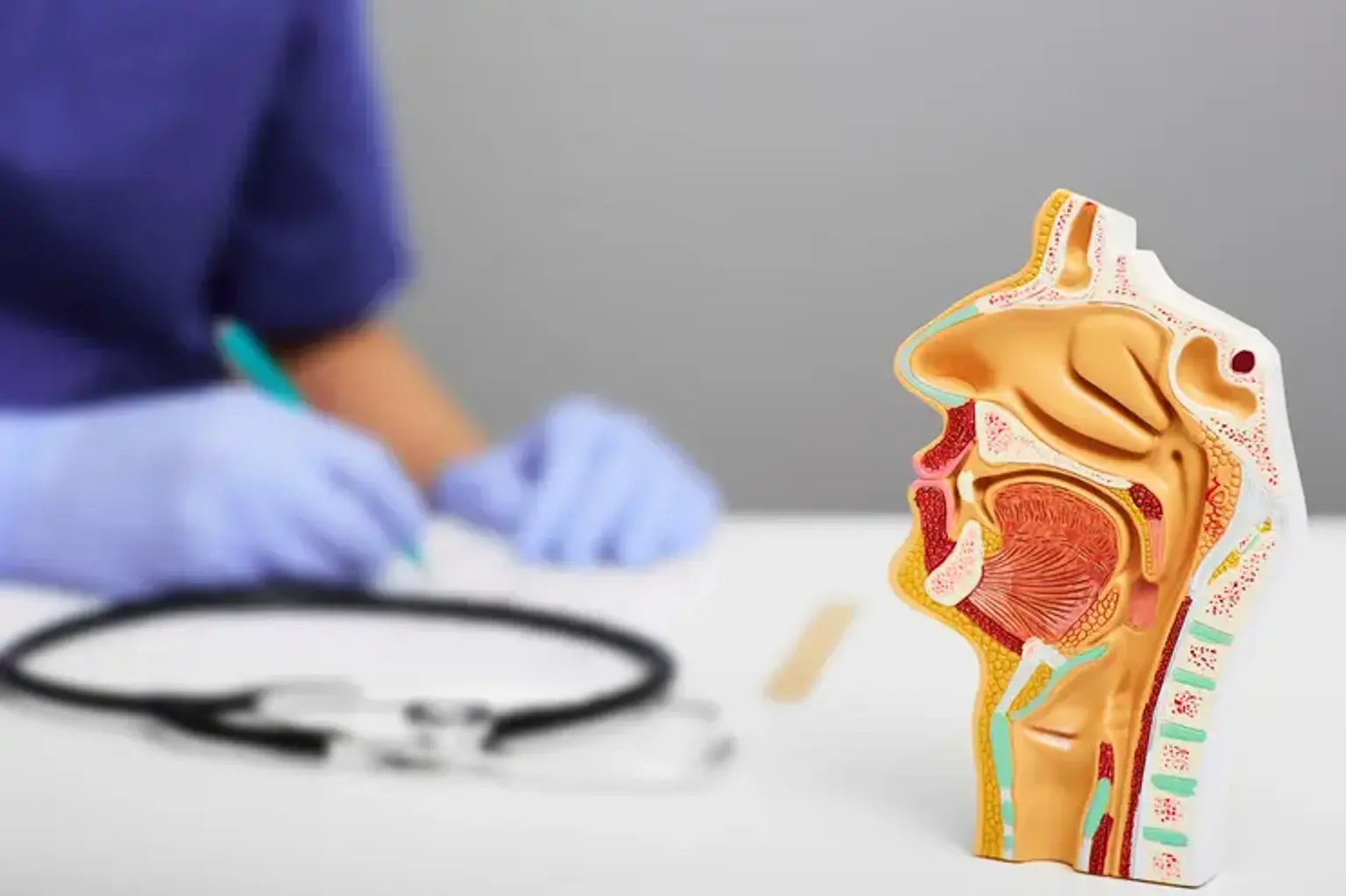
Proper nasal care is essential to prevent these conditions from becoming chronic, improving both comfort and quality of life. This article will guide you through various nasal diseases, their causes, treatment options, and how effective nasal care can make a difference in your health.
The Role of Nasal Care in Respiratory Health
Nasal health plays a crucial role in overall respiratory function. The nose filters air, humidifies it, and protects the lungs from harmful particles and pathogens. When nasal conditions like sinusitis or rhinitis occur, the natural processes are disrupted, leading to discomfort, difficulty breathing, and even secondary respiratory issues. Regular care, such as using nasal decongestants or undergoing medical treatments like nasal irrigation, helps keep the nasal passages clear and functional. The earlier nasal issues are addressed, the less likely they are to develop into chronic problems, thus protecting your long-term health.
Nasal Congestion Relief: Common Treatments
Nasal congestion is one of the most uncomfortable symptoms associated with nasal diseases. Fortunately, there are several effective treatments available to relieve this issue:
Nasal Decongestants: These medications, available in both oral and nasal spray forms, help shrink the swollen blood vessels in the nasal passages, providing quick relief from congestion. However, they should be used sparingly, as overuse can lead to rebound congestion.
Nasal Steroid Sprays: These sprays reduce inflammation in the nasal passages, offering longer-term relief from congestion. They are particularly effective for conditions like chronic rhinitis and sinusitis.
Nasal Irrigation: A natural, non-invasive method that involves rinsing the nasal passages with saline solution to flush out mucus, allergens, and irritants. Regular use of nasal irrigation can improve overall nasal health and reduce symptoms of congestion.
These treatments can significantly improve the quality of life for individuals suffering from nasal congestion, but it's important to consult with a healthcare professional to choose the right approach for each specific condition.
Common Types of Nasal Diseases
Nasal diseases can be divided into several categories based on their causes and symptoms. Some of the most common conditions include:
Sinusitis: Inflammation of the sinuses, often caused by infections or allergies. It can lead to headaches, facial pain, and nasal blockage.
Chronic Rhinitis: Persistent inflammation of the nasal passages, commonly triggered by allergies or irritants. Symptoms include constant nasal congestion, runny nose, and sneezing.
Nasal Polyps: Non-cancerous growths in the nasal passages or sinuses that can cause blockages and difficulty breathing.
Nasal Blockage and Septum Deviation: Blockages due to swelling or anatomical issues, such as a deviated septum, which can make breathing through the nose difficult.
Each of these conditions requires tailored treatments to alleviate symptoms and restore proper nasal function.
Sinusitis Treatment Options
Sinusitis, an inflammation of the sinuses, is often caused by infections, allergies, or nasal polyps. Effective treatment is essential to prevent the condition from becoming chronic:
Medications: For bacterial sinusitis, antibiotics may be prescribed. For viral infections, the focus is typically on symptom management with decongestants, nasal sprays, and antihistamines. Steroid nasal sprays can help reduce inflammation and swelling.
Surgery: In cases of chronic or severe sinusitis that don’t respond to medications, surgery may be necessary. Procedures like functional endoscopic sinus surgery (FESS) can help drain blocked sinuses and improve airflow, offering long-term relief from chronic sinusitis.
Home Remedies: Steam inhalation, warm compresses, and staying hydrated can help alleviate sinusitis symptoms. These treatments, combined with medical care, can support the healing process and reduce discomfort.
Restore Volume Procedure for Nasal Blockage
The Restore Volume procedure is a revolutionary treatment gaining popularity, particularly in South Korea, for addressing nasal issues like blockage and aesthetic concerns. The procedure involves restoring lost volume in the nasal area, often caused by aging or chronic nasal conditions, to improve both function and appearance.
How It Works: The procedure typically involves fat grafting or injectable fillers to restore volume to areas of the nose that may have become sunken or blocked. This can help alleviate congestion caused by structural issues such as a deviated septum or enlarged turbinates.
Benefits: The Restore Volume procedure offers a non-invasive solution for improving airflow and nasal function without the need for traditional surgery. It can also enhance the facial appearance by correcting any aesthetic concerns related to the nose, providing both functional and cosmetic benefits.
Popularity in Korea: South Korea is renowned for its advanced cosmetic and medical procedures, including non-surgical nasal treatments. The Restore Volume procedure has gained traction among both local and international patients seeking a quick, effective solution for nasal issues.
This procedure offers a safe and effective alternative to surgery for patients who want to improve their nasal function and appearance without the extensive recovery time associated with traditional surgical options.
Managing Allergies and Nasal Inflammation
Allergic rhinitis is one of the leading causes of nasal inflammation. Managing allergies effectively is key to maintaining nasal health. Here are some approaches:
Antihistamines: These medications block histamine, a chemical released during allergic reactions, and help relieve symptoms like sneezing, itching, and runny nose. Antihistamines can be taken in oral or nasal spray forms.
Environmental Control: Identifying and avoiding allergens is one of the most effective ways to prevent allergic reactions. Common triggers include pollen, pet dander, and dust mites. Regular cleaning and using air purifiers can help reduce exposure to allergens.
Allergy Shots (Immunotherapy): For individuals with severe or persistent allergies, allergy shots can help desensitize the immune system to specific allergens, providing long-term relief.
By addressing the root causes of nasal inflammation and using both medical and lifestyle-based treatments, individuals can better manage their allergies and reduce nasal discomfort.
Sinus Surgery: When It’s Necessary
For some individuals, medical treatments like medications and nasal sprays are not enough to address chronic sinus problems. In these cases, sinus surgery may be required to improve nasal health and restore normal breathing.
Types of Sinus Surgery:
Functional Endoscopic Sinus Surgery (FESS): This minimally invasive procedure uses a tiny camera and specialized tools to remove blockages and improve sinus drainage.
Balloon Sinuplasty: A less invasive alternative, this procedure uses a balloon to open up blocked sinuses, offering quick recovery times and minimal discomfort.
Traditional Sinus Surgery: For more severe cases, traditional sinus surgery may be necessary to remove tissue, polyps, or correct structural issues.
Benefits and Risks:
Sinus surgery can provide long-term relief from chronic sinusitis, reducing inflammation and improving airflow. However, as with any surgery, there are risks involved, including bleeding, infection, and scarring.
Post-Surgery Care:
Following sinus surgery, it’s crucial to follow a prescribed recovery plan. This typically includes rest, saline rinses, and the use of medications to prevent infection and manage swelling. Recovery timelines can vary, but most patients experience improvement in symptoms within a few weeks.
Rhinoplasty and Its Impact on Nasal Health
Rhinoplasty, commonly referred to as a “nose job,” is a popular surgical procedure designed to alter the shape and size of the nose. While often sought for cosmetic reasons, rhinoplasty can also address functional issues such as nasal blockages or a deviated septum.
Functional Benefits:
Rhinoplasty can significantly improve breathing by correcting issues like a deviated septum, which may contribute to chronic congestion or nasal obstruction. This type of surgery can also help individuals with conditions such as chronic rhinitis and nasal polyps by improving nasal airflow.Cosmetic Enhancements:
Rhinoplasty also enhances the aesthetic appearance of the nose, which may boost self-confidence and satisfaction with one’s facial appearance. The procedure can address issues such as nasal asymmetry, hump removal, or nostril narrowing.Recovery and Risks:
Recovery from rhinoplasty involves swelling and bruising, which usually subside within 1–2 weeks. Full recovery can take several months. As with any surgery, there are risks such as bleeding, infection, and dissatisfaction with results, but proper care and a skilled surgeon can minimize these risks.
Causes of Nasal Disease
The causes of nasal diseases can vary, but they generally fall into a few categories:
Allergies: Environmental allergens such as pollen, dust, and pet dander can irritate the nasal passages, leading to allergic rhinitis and other related conditions.
Infections: Bacterial or viral infections, such as the common cold or flu, can cause sinusitis and nasal congestion. These infections can lead to inflammation, making the nasal passages more susceptible to blockage.
Genetics and Anatomy: Some people are predisposed to nasal diseases due to genetic factors or anatomical issues like a deviated septum or narrow sinuses, which can restrict airflow and lead to chronic conditions.
Environmental and Lifestyle Factors: Smoking, exposure to pollution, and dry air can further irritate the nasal passages, contributing to disease onset or exacerbating existing conditions.
Understanding the root causes of nasal diseases is crucial for determining the best course of treatment, whether it involves medication, lifestyle changes, or surgical intervention.
The Popularity of Non-Surgical Nasal Treatments in Korea
In South Korea, non-surgical treatments for nasal issues have gained significant popularity due to their effectiveness, convenience, and minimal recovery times. These treatments offer a less invasive approach to addressing nasal concerns compared to traditional surgeries.
Non-Surgical Options:
Injectable Fillers: Fillers can restore lost volume in the nasal area, improving both function and aesthetics by addressing issues like nasal blockages or sagging.
Fat Grafting: This procedure involves transferring fat from other areas of the body to the nose, restoring volume and improving nasal airflow.
Laser Treatments: Laser therapies can help with reducing inflammation, improving sinus drainage, and treating conditions like nasal polyps or a deviated septum without the need for incisions.
Why Korea Is a Leader in Nasal Treatments:
South Korea is known for its cutting-edge cosmetic procedures and high standard of medical care. The country has become a hub for patients seeking advanced non-surgical treatments, particularly for aesthetic and functional nasal concerns. The popularity of non-surgical options, such as fat grafting or fillers, has made Korea an attractive destination for international patients.Benefits of Non-Surgical Treatments:
Non-surgical nasal treatments are less invasive, involve shorter recovery times, and are typically more affordable than traditional surgery. For individuals seeking relief from nasal blockages or aesthetic concerns, these options are a popular choice.
Nasal Steroid Sprays and Their Role in Care
Nasal steroid sprays are one of the most effective treatments for reducing inflammation in the nasal passages, making them a critical part of managing chronic nasal conditions such as rhinitis, sinusitis, and nasal polyps.
How Nasal Steroids Work:
Nasal steroids reduce the swelling in the nasal passages, making it easier to breathe. They work by blocking the inflammatory response in the nose and sinuses, which helps to clear congestion and prevent further irritation.Benefits:
These sprays provide long-lasting relief from symptoms of nasal diseases such as chronic rhinitis and allergic reactions. By reducing inflammation, they help prevent nasal blockages and improve overall nasal airflow. They are often used in combination with other treatments like nasal decongestants or antihistamines for more comprehensive care.Proper Usage and Side Effects:
Nasal steroid sprays are generally safe when used as directed, but overuse can lead to side effects such as nosebleeds or irritation. It's essential to follow a healthcare provider’s instructions carefully and limit usage to the recommended duration to avoid complications.Who Should Use Nasal Steroids:
Nasal steroid sprays are ideal for individuals dealing with chronic nasal inflammation or allergies. However, they should be prescribed by a doctor, especially in cases of long-term use, to ensure safety and proper management.
Nasal Irrigation: Benefits and How to Use It
Nasal irrigation is a natural and effective method for clearing out mucus, allergens, and other irritants from the nasal passages. This technique can help alleviate symptoms of sinusitis, allergies, and nasal congestion.
How It Works:
Nasal irrigation involves rinsing the nasal passages with a saline solution using a neti pot, squeeze bottle, or specialized irrigation system. The saline helps loosen and wash away mucus, dust, and pollen that may be blocking the nasal passages or irritating the sinuses.Benefits:
Nasal irrigation is particularly beneficial for individuals with chronic sinusitis, allergies, or nasal polyps. It can help reduce inflammation, improve breathing, and prevent sinus infections by keeping the sinuses clear. It’s a safe, inexpensive option that can be used alongside other treatments.How to Use It Safely:
To avoid infections, always use sterile or distilled water, and clean your irrigation device thoroughly after each use. It's best to perform nasal irrigation once or twice a day, depending on the severity of symptoms, especially during allergy seasons or when dealing with sinus infections.
Sinus Surgery and Nasal Reconstruction
For those with severe or persistent nasal issues that don't respond to medications, sinus surgery may be the solution. This can help relieve chronic sinusitis, correct structural issues, or remove nasal polyps.
Types of Surgery:
Functional Endoscopic Sinus Surgery (FESS): This minimally invasive procedure is commonly used to remove blockages and improve sinus drainage, using small cameras and instruments to access the sinuses.
Balloon Sinuplasty: In this less invasive procedure, a small balloon is inserted into the blocked sinus passages and inflated, opening the airways and improving drainage.
When Surgery is Necessary:
Surgery is usually recommended when chronic sinusitis doesn’t respond to other treatments like medications or nasal irrigation. It can also help with structural issues like a deviated septum, which may contribute to chronic nasal blockages.Post-Surgery Care:
After sinus surgery, patients must follow a recovery plan that includes saline rinses, pain management, and avoiding strenuous activities. Full recovery can take a few weeks, but most patients experience significant relief in their nasal function and overall breathing within a few months.
Post-Surgery Nasal Care and Recovery
After any nasal surgery, proper post-operative care is crucial to ensure optimal healing and prevent complications. This is especially important after procedures like sinus surgery, rhinoplasty, or other nasal treatments.
Initial Recovery:
Immediately following surgery, patients can expect some swelling, bruising, and nasal congestion. Pain and discomfort are typically manageable with prescribed medications. It's important to follow the doctor’s instructions for rest, medication use, and hygiene during this period.Long-Term Care:
After the initial recovery phase, continued nasal care is essential for maintaining results. This includes regular nasal irrigation, avoiding irritants (e.g., smoking, pollution), and attending follow-up appointments to monitor healing.Tips for Faster Recovery:
Keep your head elevated to reduce swelling.
Avoid blowing your nose forcefully during recovery to prevent strain on the nasal passages.
Use prescribed nasal sprays or saline solutions as directed to promote healing and prevent infection.
By adhering to post-surgery care instructions, patients can ensure quicker recovery and more successful outcomes.
Korean Nasal Treatments and Their Popularity
South Korea is recognized worldwide for its advanced medical and cosmetic treatments, particularly in the field of nasal care. The country has become a hub for patients seeking both functional and aesthetic nasal procedures.
Non-Surgical Nasal Treatments:
Korea is known for non-invasive treatments like the Restore Volume procedure, where volume is restored to the nasal area using fat grafting or injectable fillers. These procedures are highly popular due to their minimal recovery time and natural-looking results.Why South Korea?
South Korea is a global leader in cosmetic and medical procedures, including rhinoplasty, sinus surgery, and non-surgical treatments. Korean medical professionals are renowned for their expertise, and the country offers state-of-the-art facilities, making it an attractive destination for international patients seeking high-quality nasal treatments.International Appeal:
Many patients from around the world travel to Korea for treatments like rhinoplasty and Restore Volume procedures due to the country’s reputation for advanced medical techniques, competitive pricing, and skilled surgeons.
With a combination of cutting-edge technology, highly skilled practitioners, and a focus on patient care, South Korea remains a leader in nasal disease care and cosmetic procedures.
Restore Volume Procedure: A Key Treatment in Korea
The Restore Volume procedure is a popular non-surgical option in South Korea, designed to address nasal issues such as blockage and aesthetic concerns. This procedure restores lost volume in the nasal area, improving both nasal function and appearance.
How It Works:
Using fat grafting or injectable fillers, the procedure adds volume to the nasal area, alleviating issues like congestion caused by structural problems or aging. This can enhance airflow and reshape the nose for better function and appearance.Benefits:
The procedure is minimally invasive, with no need for traditional surgery. It offers a quicker recovery and delivers natural results. It is especially popular in Korea for its effectiveness in treating nasal blockage and improving facial aesthetics.Why It’s Popular in Korea:
South Korea is known for its advanced cosmetic and medical treatments. The Restore Volume procedure fits perfectly into the country’s non-surgical aesthetic trends, making it a top choice for both local and international patients.
How to Manage Nasal Disease with Natural Remedies
Natural remedies can be a useful complement to traditional treatments for managing nasal disease, particularly for conditions like congestion, allergies, and sinusitis.
Saline Nasal Rinses:
Nasal irrigation with saline solution can help clear mucus, allergens, and irritants from the nasal passages, offering relief from congestion and sinus pressure.Herbal Remedies:
Herbs such as eucalyptus and peppermint are often used in steam inhalation to clear the sinuses. Ginger and turmeric, known for their anti-inflammatory properties, can also support immune function and reduce nasal inflammation.Steam Inhalation:
Breathing in steam from hot water can loosen mucus and reduce nasal congestion. Adding essential oils like lavender or eucalyptus can enhance the effect.
Natural remedies provide mild relief for nasal issues and can be used alongside medical treatments for better results. However, it's important to consult a healthcare provider before starting any new remedy.
Real-Life Case Studies: Success Stories of Nasal Disease Care
Many patients have found significant relief from nasal disease through a combination of medical treatments and advanced procedures like the Restore Volume procedure.
Case Study 1:
Sarah, a 32-year-old patient from the U.S., struggled with chronic sinusitis for years. After trying various medications without lasting relief, she opted for sinus surgery in South Korea. Post-surgery, she reported a significant reduction in her symptoms and better overall breathing.Case Study 2:
James, 45, from the U.K., sought non-surgical solutions for his nasal blockage due to aging. He chose the Restore Volume procedure in Seoul. After the treatment, James experienced improved nasal airflow and enhanced facial aesthetics without needing surgery.
These real-life examples highlight the effectiveness of treatments like surgery and non-invasive procedures in improving both the function and appearance of the nose.
Frequently Asked Questions (FAQs) about Nasal Disease Care
Here are some common questions patients have regarding nasal disease care:
What are the most common treatments for nasal congestion?
Nasal decongestants, steroid sprays, and nasal irrigation are commonly used to relieve nasal congestion. For persistent issues, medications or surgery may be necessary.
Is the Restore Volume procedure safe?
Yes, the Restore Volume procedure is considered safe when performed by qualified professionals. It is a non-surgical treatment with minimal recovery time and risks.
How long is the recovery time after sinus surgery?
Recovery time varies, but most patients experience significant improvement within a few weeks. Full recovery may take up to 3–6 months, depending on the procedure.
What makes South Korea a popular destination for nasal treatments?
South Korea offers state-of-the-art facilities, highly skilled practitioners, and a reputation for advanced cosmetic and medical procedures, making it an attractive destination for both local and international patients.
These sections cover natural remedies, patient success stories, and common questions, rounding out the article with helpful and accessible information for readers. Let me know if you'd like further edits or adjustments!
Conclusion
In conclusion, proper nasal disease care is essential for maintaining both the functionality and appearance of the nasal passages. From effective treatments like nasal decongestants and steroid sprays to advanced procedures such as sinus surgery and non-surgical volume restoration, there are a variety of options available to improve nasal health and address common conditions like sinusitis, chronic rhinitis, and nasal blockage.
In South Korea, the Restore Volume procedure has emerged as a popular non-invasive treatment, offering patients the opportunity to enhance both nasal function and facial aesthetics with minimal recovery time. Whether opting for surgical solutions or exploring natural remedies like saline rinses and steam inhalation, it’s important to consult with qualified medical professionals to determine the best course of action.
By staying proactive with nasal care, managing underlying conditions, and seeking timely treatments, individuals can enjoy better breathing, enhanced self-esteem, and an overall improvement in their quality of life. Always remember that nasal health plays a crucial role in overall well-being, and with the right care, relief from nasal disease is within reach.