Introduction
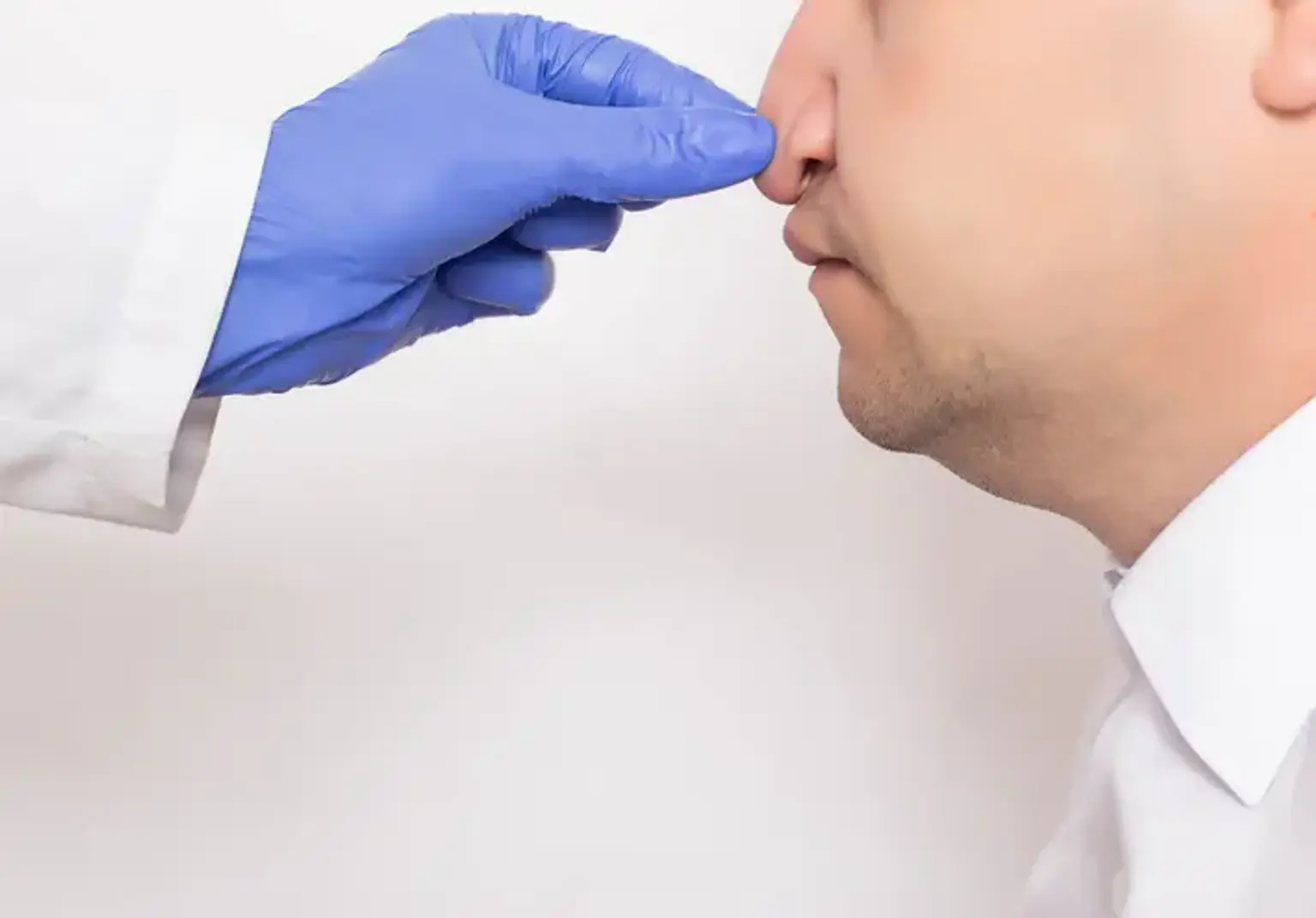
Nasal tip surgery, also known as tip plasty, is a specialized type of rhinoplasty aimed at refining or reshaping the tip of the nose. This procedure is popular among individuals looking to enhance their facial harmony without altering the entire structure of the nose. While rhinoplasty addresses the whole nose, nasal tip surgery focuses specifically on improving the tip shape, projection, and symmetry. Whether for aesthetic reasons or functional improvements (such as breathing issues), this surgery can dramatically boost a person’s self-confidence and appearance.
What Is Nasal Tip Surgery?
Nasal tip surgery is a cosmetic surgical procedure designed to modify the nasal tip, which is the rounded or pointy end of the nose. The surgery can address a variety of concerns, including:
Droopy tips: The tip of the nose may point downward, making the face look tired or sad.
Bulbous tips: A thick or round tip can make the nose appear oversized or disproportionate.
Wide tips: For those with a wider nasal tip, surgery can help bring balance to the nose’s overall appearance.
Tip rotation: The procedure can rotate the tip to make it more proportionate to the rest of the face.
This surgery is typically performed through either a closed rhinoplasty technique (where no external incisions are made) or an open rhinoplasty (which may involve a small incision across the columella, the area between the nostrils).
Who Can Benefit from Nasal Tip Surgery?
The ideal candidates for nasal tip surgery are those who want to improve the appearance of their nose without undergoing full rhinoplasty. Ideal candidates include:
Individuals with aesthetic concerns about the shape, size, or projection of their nasal tip.
Patients with functional issues, such as nasal obstruction, caused by deformities at the tip.
People in good health, without major underlying medical conditions, who are not active smokers.
Those with realistic expectations about the outcome of the surgery.
Nasal tip surgery can also be performed as part of a comprehensive rhinoplasty for individuals seeking overall nasal improvements.
How Nasal Tip Surgery Works
Nasal tip surgery typically involves reshaping the cartilage and skin at the nose’s tip. The procedure may be done under local anesthesia with sedation or general anesthesia, depending on the complexity and patient preference.
Key steps in the surgery include:
Incision placement: In closed rhinoplasty, the incisions are hidden inside the nostrils. In open rhinoplasty, a small incision is made on the columella.
Cartilage and tissue reshaping: The surgeon will carefully reshape or trim the cartilage and adjust the skin to achieve the desired tip shape.
Suture placement: After the reshaping, sutures are used to secure the tip in place.
The entire procedure usually takes between 1 to 2 hours, depending on the complexity. Recovery times vary, but many patients are able to return to work within 1 to 2 weeks, though some swelling and bruising may persist for several weeks.
Benefits of Nasal Tip Surgery
Nasal tip surgery offers a range of aesthetic and functional benefits. It’s an ideal procedure for those seeking subtle yet impactful improvements to the appearance of their nose. Some of the key benefits include:
Enhanced facial harmony: A refined nasal tip can help balance facial features, making the face look more proportionate.
Improved self-esteem: Many patients report a boost in confidence after the surgery, as their nose appears more natural and aligned with the rest of their face.
Better breathing: For individuals with breathing problems due to nasal tip deformities, tip plasty can improve airflow and enhance overall nasal function.
Minimal recovery time: Compared to full rhinoplasty, nasal tip surgery typically has a quicker recovery time, allowing patients to return to daily activities faster.
Whether the goal is aesthetic enhancement or addressing a functional concern like nasal obstruction, this surgery can provide long-lasting results.
What to Expect During the Recovery Period
After nasal tip surgery, patients can expect some initial discomfort, but the recovery process is generally quick and straightforward. Here’s what to expect during the recovery period:
Immediately After Surgery:
Swelling and bruising: It’s common to experience some swelling and bruising around the nose and eyes, which will gradually subside in 1-2 weeks.
Bandages: The nose may be lightly bandaged to support the new shape during the initial healing phase.
Pain management: Most patients experience mild pain, which can be managed with prescribed pain relievers.
The First Few Weeks:
Follow-up visits: Regular visits to the surgeon are essential to monitor healing and address any concerns.
Resuming normal activities: Light activities can typically be resumed within 7-10 days, but strenuous exercise and heavy lifting should be avoided for at least 3 weeks.
Swelling reduction: Full swelling reduction can take several months, with results becoming more refined over time.
Most patients see visible results within a few weeks, though the final outcome may not be fully apparent for several months.
Risks and Considerations
While nasal tip surgery is generally safe, it does carry some inherent risks, as with any surgical procedure. It’s essential for patients to be aware of these potential risks before deciding to undergo surgery. Common risks include:
Infection: Though rare, infection can occur at the incision site or in the nasal passages.
Scarring: In open rhinoplasty, the small incision made on the columella can leave a scar. However, with proper healing, it is usually inconspicuous.
Nasal asymmetry: In some cases, the tip may not heal symmetrically, leading to the need for revision surgery.
Breathing difficulties: While most patients experience improved breathing, some may have temporary nasal congestion or require further adjustments if breathing issues persist.
Patients should thoroughly discuss these risks with their surgeon and follow all post-surgery care instructions to minimize complications.
Choosing the Right Surgeon for Nasal Tip Surgery
Selecting a highly skilled and experienced surgeon is crucial to achieving the best possible results with nasal tip surgery. Here are some tips for choosing the right surgeon:
Board-certified surgeons: Look for a surgeon who is board-certified in plastic surgery or otolaryngology (ENT), with a specialization in rhinoplasty or nasal surgery.
Experience with tip plasty: Not all rhinoplasty surgeons perform nasal tip surgery regularly. Make sure the surgeon has specific experience with tip refinement techniques.
Before-and-after photos: Review the surgeon’s portfolio of previous patients to assess the results and see if their aesthetic vision aligns with your own.
Consultations: Schedule consultations with several surgeons to discuss your goals, ask about their experience, and get a feel for their communication style. A good surgeon should listen carefully to your concerns and provide clear, realistic expectations.
Choosing the right surgeon can make all the difference in achieving a natural, beautiful outcome.
Costs of Nasal Tip Surgery
The cost of nasal tip surgery varies depending on several factors, including the surgeon’s expertise, the complexity of the procedure, the geographic location, and whether the surgery is performed for cosmetic or functional reasons. On average, the price range for nasal tip surgery is between $3,000 to $7,000.
Surgeon’s expertise: Highly experienced or board-certified surgeons may charge higher fees due to their skill and reputation.
Location: The cost may differ based on location; procedures in major cities or metropolitan areas are often more expensive than in rural regions.
Additional fees: Costs may also include anesthesia fees, medical tests, post-surgery medications, and follow-up visits.
Insurance typically does not cover cosmetic nasal tip surgery, but if the procedure is deemed medically necessary (such as for improving breathing function), there may be some coverage options available.
Long-Term Results and Satisfaction
One of the primary reasons people seek nasal tip surgery is for the long-term improvements it can bring to their appearance. The results of tip plasty are generally permanent, though the nose may change slightly as a person ages. However, once the swelling completely subsides, patients typically enjoy a well-defined, harmonious nasal tip for years.
For many, the results of nasal tip surgery bring lasting confidence boosts. The refined appearance of the nose can improve a person’s self-esteem, especially for those who were previously dissatisfied with the shape or size of their nasal tip. Patients are often thrilled with their newfound facial harmony and how it enhances their overall look.
Nasal Tip Surgery for Ethnic and Diverse Nose Types
Nasal tip surgery is not just for individuals with Caucasian nose types. Surgeons can perform tip plasty for people from diverse ethnic backgrounds, with adaptations made to respect unique nasal anatomy. Surgeons specializing in ethnic rhinoplasty are trained to consider the specific features of different nose types, including broader, shorter, or more prominent tips.
For example, in individuals with African American or Asian heritage, the surgeon might focus on refining the nasal tip while maintaining cultural and ethnic characteristics. Understanding the nuances of different nose types ensures that the final result complements the patient’s overall look.
The ability to refine the nasal tip while preserving ethnic features is an important consideration for many patients, and finding a surgeon skilled in ethnic rhinoplasty is key to a successful outcome.
Pre-Surgery Assessments and Safety Protocols
Before undergoing nasal tip surgery, patients must undergo a thorough pre-surgical assessment to ensure they are suitable candidates for the procedure. This evaluation typically includes:
Medical history review: Your surgeon will ask about any existing health conditions, previous surgeries, and allergies.
Physical examination: A comprehensive examination of the nose and facial features will be conducted to assess the anatomy of the nasal tip and ensure it can be safely altered.
Imaging: Some surgeons use 3D imaging or digital photography to show a visual representation of the expected results, helping the patient understand the anticipated changes.
Blood tests: These are often ordered to check for any underlying health concerns that could complicate the surgery.
Ensuring a safe surgical environment is also crucial. Sterile techniques and the use of qualified medical staff are essential to minimize the risk of complications. The surgery should be performed in a certified surgical facility equipped with the necessary resources to handle any emergencies.
Patients will also receive detailed post-surgical instructions to ensure proper healing, minimize complications, and achieve the best possible results. These instructions will include guidelines on aftercare, such as wound care, swelling management, and when to resume daily activities.
Common Side Effects and How to Manage Them
Like any surgical procedure, nasal tip surgery comes with potential side effects. Understanding these risks beforehand can help patients manage them more effectively during recovery. Here are some common side effects:
Swelling and bruising: Swelling around the nose and eyes is typical after the surgery and usually peaks within the first few days. Applying ice packs and keeping the head elevated can help reduce swelling.
Nasal congestion: It’s common to experience some congestion or a feeling of blockage in the nasal passages, which can last for a few weeks as the healing process progresses.
Mild pain or discomfort: Pain is usually mild and manageable with prescribed medications. Over-the-counter pain relievers like acetaminophen are also recommended.
Scarring: While scarring is minimal in closed rhinoplasty, some patients may notice slight scars at the incision site (especially with open rhinoplasty). These typically fade over time and become less noticeable.
Most side effects are temporary, and patients are encouraged to follow their surgeon’s post-operative instructions to ensure proper healing.
Is Nasal Tip Surgery Right for You?
Deciding whether nasal tip surgery is right for you involves considering your aesthetic goals, health status, and realistic expectations. If you are bothered by the appearance of your nasal tip, whether it’s too wide, droopy, or bulbous, this surgery can help achieve a more refined and natural look. However, there are several factors to weigh:
Aesthetic goals: It's essential to have a clear understanding of what you hope to achieve from the surgery. Discussing your desires with your surgeon can help set realistic expectations.
Health status: Ideal candidates are in good health, with no major conditions such as uncontrolled diabetes or respiratory issues. Smokers may be advised to quit before the procedure to promote healing.
Psychological considerations: Surgery should be approached with the goal of enhancing your appearance, not as a way to please others. If you’re seeking surgery for the wrong reasons (e.g., to meet someone else’s expectations), it may be beneficial to take more time for reflection.
A consultation with a qualified surgeon will provide a more personalized assessment of your suitability for nasal tip surgery.
Recovery Timeline for Nasal Tip Surgery
The recovery timeline for nasal tip surgery varies depending on the individual and the specifics of the procedure. Here’s a general overview of what to expect:
Week 1: During the first few days, swelling and bruising will be most noticeable. Patients should rest with their head elevated and avoid any strenuous activities. Follow-up appointments will be scheduled to monitor progress and remove any bandages or stitches if needed.
Week 2: By this time, most of the bruising and swelling should start to subside. Patients may feel comfortable enough to return to work or light activities, though heavy exercise is still discouraged.
1 Month: At this stage, most patients will experience a significant reduction in swelling. However, some residual swelling around the nasal tip may persist.
3-6 Months: The majority of the swelling will have gone down, and the nose will start to take its final shape. It’s important to continue protecting the nose from any trauma during this period.
1 Year: Full results can typically be seen within 12 months, at which point the nasal tip will have completely settled into its new shape.
During recovery, it’s important to follow your surgeon’s instructions regarding post-operative care to promote optimal healing and avoid complications.
How to Enhance Your Results Post-Surgery
While nasal tip surgery is a highly effective procedure, taking steps to ensure the best possible outcome after surgery is crucial. Here are some tips for enhancing your results:
Follow your surgeon’s aftercare instructions: This includes taking prescribed medications, managing swelling with ice packs, and avoiding pressure on the nose.
Avoid smoking and alcohol: Smoking impairs circulation and delays healing, while alcohol can increase the risk of swelling and bleeding.
Protect your nose: For the first few months after surgery, be cautious to avoid direct trauma to the nose. Avoid activities such as contact sports and wearing glasses that rest on the nose.
Stay hydrated and eat a healthy diet: Good nutrition and hydration are key to supporting the healing process. Focus on eating protein-rich foods and staying well-hydrated to promote tissue regeneration.
Following these tips can help you achieve the best results and ensure a smooth recovery process. Patience is key, as full results may take time to fully reveal themselves.
Nasal Tip Surgery vs. Full Rhinoplasty
One common question many patients have is whether they should undergo a full rhinoplasty or opt for nasal tip surgery alone. While both procedures aim to enhance the appearance of the nose, there are some key differences between them:
Scope of surgery: A full rhinoplasty addresses the entire nose, including the bridge, nostrils, and tip. In contrast, nasal tip surgery focuses only on reshaping the nasal tip.
Recovery time: Recovery from nasal tip surgery is generally quicker and less invasive than full rhinoplasty, as the procedure is more limited in scope.
Results: While both procedures can improve appearance, nasal tip surgery is ideal for patients who are satisfied with the rest of their nose and simply want to refine the tip. Full rhinoplasty may be needed for those who require more extensive changes.
If you're unsure whether to choose nasal tip surgery or full rhinoplasty, consult with a surgeon to determine which option best aligns with your aesthetic goals.
Global Popularity of Nasal Tip Surgery
The demand for nasal tip surgery has grown significantly worldwide, especially in countries like the United States, South Korea, Brazil, and Turkey, where cosmetic procedures are highly popular. The increasing focus on non-invasive, precise cosmetic interventions has made nasal tip surgery a preferred option for those seeking subtle enhancements.
South Korea: Known for its booming plastic surgery industry, South Korea has seen a rise in nasal surgeries, including nasal tip plasty, as part of their focus on facial aesthetics.
Brazil: With an emphasis on beauty and body care, Brazil is another country where nasal surgeries are widely sought. Many Brazilian patients opt for nasal tip surgery as part of a larger aesthetic procedure.
Turkey: Turkey has emerged as a major hub for cosmetic surgery tourism, with many international patients traveling there for affordable, high-quality nasal surgeries.
The procedure’s ability to deliver natural-looking results with minimal recovery time contributes to its growing global appeal.
Frequently Asked Questions (FAQs)
Here are some frequently asked questions about nasal tip surgery:
1. How long does the swelling last after nasal tip surgery?
Swelling usually peaks within the first few days after surgery, with most of it subsiding within 1-2 weeks. However, some mild swelling can persist for several months as the nose settles into its final shape.
2. Will nasal tip surgery change my nose’s appearance drastically?
The goal of nasal tip surgery is to provide subtle, natural-looking improvements. It’s designed to enhance the shape, projection, or symmetry of the tip without altering the overall appearance of your nose.
3. Can nasal tip surgery be combined with other procedures?
Yes, many patients combine nasal tip surgery with other procedures, such as chin augmentation or facial contouring, to achieve a more balanced overall look.
4. Is nasal tip surgery permanent?
Yes, the results of nasal tip surgery are typically long-lasting. However, minor changes may occur over time due to the natural aging process.
5. Can I get nasal tip surgery if I’m not satisfied with my entire nose?
If you are unhappy with more than just the tip of your nose, a full rhinoplasty may be more suitable for you. A consultation with your surgeon will help determine the best approach.
Conclusion
Nasal tip surgery offers a precise and effective solution for individuals seeking to enhance the appearance of their nose without undergoing a full rhinoplasty. Whether you are looking to refine a bulbous, wide, or droopy nasal tip, this procedure can help achieve a more harmonious facial appearance with minimal recovery time.
As with any cosmetic surgery, patient satisfaction relies on setting realistic expectations and choosing a skilled, experienced surgeon. The benefits extend beyond just aesthetic improvements—many patients experience enhanced self-esteem and confidence after the procedure. Additionally, nasal tip surgery can be tailored to a wide range of ethnic and diverse nose types, ensuring that the results are both personalized and natural-looking.
If you’re considering nasal tip surgery, it’s essential to consult with a qualified surgeon who can assess your unique facial anatomy and discuss your aesthetic goals. With the right preparation, guidance, and care, nasal tip surgery can provide lasting results that not only enhance your facial symmetry but also boost your quality of life.
Remember, the decision to undergo surgery is deeply personal, and it’s important to ensure that you are doing it for the right reasons—whether to improve your appearance or address functional concerns like breathing. Take your time to make an informed choice, and look forward to the possibility of a more confident you.