Introduction
Non-surgical body contouring refers to a set of non-invasive procedures designed to reshape and sculpt the body, reducing stubborn fat and improving overall body shape without the need for surgery. These treatments offer a less invasive, more comfortable alternative to traditional liposuction, appealing to those who want to avoid the risks, downtime, and cost associated with surgical options.
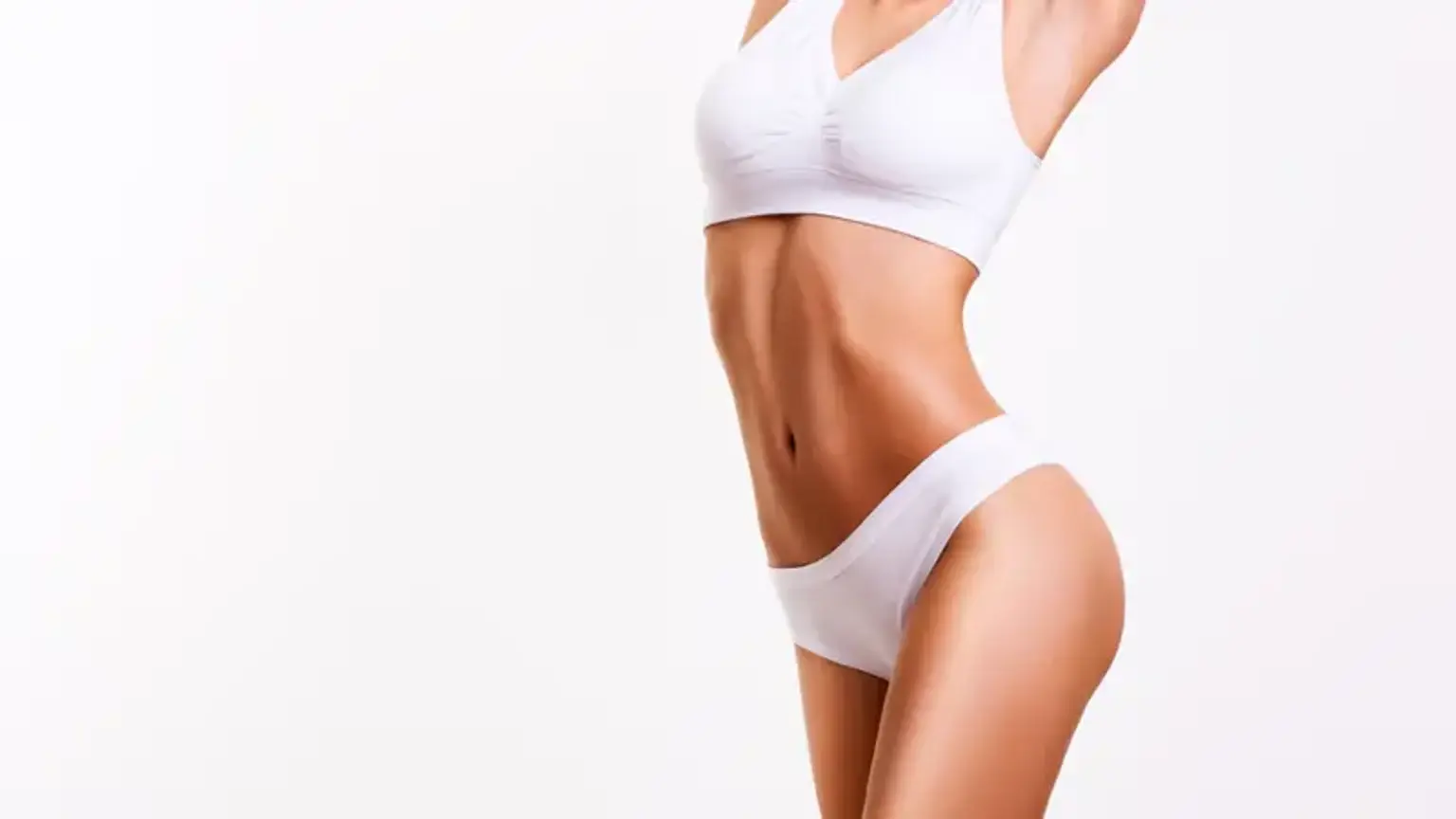
In recent years, non-surgical body contouring has gained popularity worldwide, with millions opting for these procedures. These treatments are designed to target specific areas of fat, such as the abdomen, thighs, or love handles, providing a more sculpted and toned appearance. Whether you're looking to eliminate stubborn fat or tighten skin, non-surgical body contouring can offer noticeable results with minimal disruption to daily life.
How Non-Surgical Body Contouring Works
Non-surgical body contouring works by targeting and breaking down fat cells without harming surrounding tissues. There are several technologies used in these treatments:
Cryolipolysis (CoolSculpting): Uses controlled cooling to freeze and eliminate fat cells. The body naturally processes and removes the destroyed fat cells over several weeks.
Ultrasound Fat Reduction: High-frequency sound waves break down fat cells, which are then gradually removed by the body’s natural metabolic processes.
Radiofrequency (RF) Technology: Radiofrequency energy is used to heat and destroy fat cells while tightening the skin, leaving a smoother, firmer appearance.
These procedures target fat cells in specific areas of the body, shrinking them over time without the need for invasive surgery or recovery periods. The best part is, most people experience little to no downtime, which makes these treatments perfect for individuals with busy lifestyles.
Types of Non-Surgical Body Contouring Procedures
There are several popular non-surgical body contouring options, each offering unique benefits:
CoolSculpting: This procedure is based on cryolipolysis, where fat cells are frozen, leading to their gradual removal. Ideal for areas like the abdomen, thighs, and flanks, CoolSculpting is one of the most well-known body contouring treatments.
Ultrasound Fat Reduction: This method uses sound waves to target fat cells, disrupting their structure and allowing the body to eliminate them naturally. It is effective for body shaping and reducing localized fat.
Radiofrequency (RF) Body Contouring: RF technology works by emitting heat, which not only reduces fat but also stimulates collagen production, tightening the skin. This makes it ideal for body areas that require skin firming, such as the stomach and arms.
Laser Lipolysis: Laser energy is used to liquefy fat cells, which are then naturally eliminated by the body. It is highly effective for small areas of stubborn fat and also helps improve skin tone.
Each of these procedures is non-invasive, meaning they don’t require anesthesia, and patients can resume normal activities right after treatment. Depending on the area being treated, multiple sessions may be required to achieve the desired result.
Who is a Good Candidate for Non-Surgical Body Contouring?
Non-surgical body contouring is designed for individuals who are near their ideal weight but have stubborn areas of fat that don't respond to diet and exercise. The best candidates typically:
Have localized fat deposits that they want to target (e.g., love handles, abdomen, thighs, or under the chin).
Are looking for a non-invasive solution with minimal downtime.
Maintain a healthy lifestyle and are not expecting drastic weight loss from the procedure.
While non-surgical treatments are effective for body sculpting, they are not meant to replace weight loss. If someone has a large amount of excess weight, traditional weight loss methods or surgical options may be more appropriate. Additionally, people with certain medical conditions or who are pregnant may not be eligible for treatment.
Benefits of Non-Surgical Body Contouring
Non-surgical body contouring offers a variety of benefits over traditional surgery, making it a desirable option for many people:
Minimal Downtime: Unlike liposuction, which requires significant recovery time, non-surgical procedures typically have little to no downtime. Most patients can return to normal activities immediately after the treatment.
No Surgery or Scarring: These procedures are non-invasive, meaning there are no incisions, no stitches, and no scarring. The risks of infection and complications are significantly lower.
Quick Results with Gradual Improvement: While surgical methods offer immediate results, non-surgical body contouring provides gradual improvements over time, which may seem more natural. Results typically become noticeable within a few weeks as the body eliminates the fat.
Safe and FDA-Approved: Many of these treatments are FDA-approved, ensuring that they are safe when performed by a trained and certified professional. They are also suitable for most body types and skin tones.
No Anesthesia Required: These procedures are often performed without anesthesia, which means there’s no need for post-treatment sedation recovery.
These benefits make non-surgical body contouring an attractive option for people looking to reshape their bodies with minimal intervention.
Before and After: What to Expect
Before Treatment:
Consultation: A consultation with a qualified provider is essential to determine if you're a good candidate. This usually includes an assessment of your medical history, body goals, and expectations.
No Special Preparation: Most procedures require little to no preparation beforehand. However, it’s advisable to stay hydrated, avoid alcohol, and refrain from using certain medications (e.g., blood thinners) before treatment.
During Treatment:
Minimal Discomfort: The procedures are generally well-tolerated. Some patients feel a cold sensation during CoolSculpting or heat during RF treatments, but these sensations are usually mild and temporary.
Quick Sessions: Treatment sessions usually last between 30 minutes to an hour, depending on the size of the area being treated.
After Treatment:
Minimal Downtime: Most patients can resume daily activities immediately. Some may experience mild redness, swelling, or a feeling of firmness in the treated area, but these side effects typically subside within a few hours to a few days.
Results Over Time: The fat cells are gradually eliminated by the body, and noticeable changes can take up to 3 months to fully manifest.
Expected Results from Non-Surgical Body Contouring
Results from non-surgical body contouring vary based on the procedure used, the area treated, and the individual's body. Generally, most people start seeing results within 3 to 4 weeks after treatment, with optimal results appearing after 2 to 3 months.
What to Expect:
Fat Reduction: Many patients notice a reduction of 20-25% in fat in the treated area after just one session, though multiple sessions may be required for larger areas.
Improved Skin Tone: With treatments like RF body contouring, patients may notice firmer, tighter skin along with fat reduction.
Long-Term Results: Once fat cells are destroyed, they do not regenerate, meaning the results are long-lasting, provided patients maintain a stable weight.
To achieve the best results, it's important to follow any aftercare instructions provided by the practitioner, including staying hydrated, maintaining a healthy diet, and engaging in regular physical activity.
Safety Protocols and Risks
While non-surgical body contouring is considered safe, it's important to follow safety protocols to minimize risks:
Safety Protocols:
Certified Providers: Only choose a board-certified or licensed professional who specializes in non-surgical body contouring. The treatment should be done in a clinical setting with appropriate medical supervision.
Pre-Treatment Assessment: A thorough consultation will help identify any contraindications, such as underlying medical conditions that might affect the treatment.
Common Side Effects:
Redness and Swelling: It's normal to experience some temporary redness or swelling after treatment, particularly with CoolSculpting or RF contouring.
Bruising and Tenderness: Some patients report mild bruising or tenderness in the treated area, which typically fades within a few days.
Risks:
Rare Complications: Though uncommon, serious side effects like burns (from lasers or RF treatments) or nerve damage can occur if the procedure isn't performed correctly. Choosing a qualified provider greatly reduces this risk.
Temporary Effects: Some patients may experience numbness, tingling, or firmness in the treated area, but these symptoms generally resolve on their own.
By carefully selecting a skilled professional and following pre- and post-treatment instructions, the risk of complications is low, making non-surgical body contouring a safe and effective option for many individuals.
Cost of Non-Surgical Body Contouring
The cost of non-surgical body contouring can vary widely based on factors such as the treatment type, the size of the area being treated, and the number of sessions required. On average:
CoolSculpting: $2,000 - $4,000 for a full treatment cycle
Ultrasound Fat Reduction: $1,000 - $2,500 per session
Radiofrequency (RF) Contouring: $1,500 - $3,000 per session
Other factors that can influence cost include the expertise of the provider and the geographical location of the clinic. Many clinics offer payment plans, and insurance typically does not cover these procedures as they are considered cosmetic. It’s important to inquire about all fees during the consultation.
Global Popularity of Non-Surgical Body Contouring
Non-surgical body contouring has rapidly gained popularity worldwide. In the U.S., Europe, and Asia, millions of people are opting for these treatments as a less invasive alternative to surgery. Social media and celebrity endorsements have also played a significant role in this trend, with influencers and high-profile personalities showcasing their results.
The appeal lies in the ability to achieve a more sculpted body with minimal downtime and fewer risks compared to traditional liposuction. As the technology continues to evolve, more people are discovering these treatments, further boosting their global demand.
Effectiveness of Non-Surgical Body Contouring: Real Patient Stories
Patients who undergo non-surgical body contouring often report significant improvements in their body shape. Many see up to a 25% reduction in fat in the treated areas after just one session.
Before/After: Real patient stories show visible changes, such as flatter stomachs and more toned thighs. Some individuals even report feeling more confident and comfortable in their clothes, enhancing their overall quality of life.
One patient, after a few CoolSculpting sessions, shared how their persistent belly fat finally diminished, leaving them with a smoother silhouette. These transformations demonstrate how effective non-surgical body contouring can be, especially when paired with a healthy lifestyle.
Non-Surgical Body Contouring vs. Surgical Options: A Comparison
While both non-surgical and surgical options aim to contour the body, the two methods differ significantly:
Recovery Time: Non-surgical body contouring requires little to no downtime, while surgery, such as liposuction, often demands weeks of recovery.
Results: Non-surgical methods provide gradual changes over time, whereas surgical procedures show immediate results.
Cost: Non-surgical treatments are generally more affordable than surgery, but may require multiple sessions.
Risks: Non-invasive treatments have a lower risk profile, with few side effects, whereas surgery comes with higher risks, including infection and scarring.
Non-surgical body contouring is ideal for those seeking subtle, gradual improvements with minimal downtime. In contrast, those looking for more dramatic, immediate changes may prefer surgical options.
The Role of Diet and Exercise in Enhancing Results
While non-surgical body contouring effectively targets and reduces stubborn fat, maintaining a healthy diet and regular exercise routine can enhance and prolong results.
Diet: Eating a balanced diet rich in whole foods, such as vegetables, lean proteins, and healthy fats, supports overall body health and helps prevent new fat from accumulating. Staying hydrated also aids in the body's natural fat elimination processes.
Exercise: Regular physical activity, including strength training and cardio, can further sculpt and tone the body, complementing the fat reduction achieved through contouring treatments. Exercise also boosts metabolism, helping the body naturally flush out the fat cells that have been targeted by the procedure.
Maintaining these healthy habits is essential for keeping the results of non-surgical body contouring in the long term.
Common Myths About Non-Surgical Body Contouring
There are several myths surrounding non-surgical body contouring that can cause confusion. Let’s debunk a few:
It’s a Quick Fix for Weight Loss. Non-surgical body contouring isn’t a weight-loss solution. It’s designed for those who are already close to their goal weight but have trouble areas of stubborn fat.
Results Are Instant. While results appear gradually over weeks or months, they are permanent once fat cells are eliminated. Immediate dramatic changes are more common with surgical options.
It's Painful. Most people report mild discomfort during treatment, such as cooling or heating sensations, but the procedures are generally well-tolerated and don’t require anesthesia.
It’s Only for Women. Non-surgical body contouring is for everyone, regardless of gender. Many men use these treatments to target areas like the abdomen and love handles.
Non-Surgical Body Contouring for Different Body Types
Non-surgical body contouring isn’t a one-size-fits-all solution. It can be customized for different body types and needs. Here's how these treatments can work for various individuals:
Slimmer Individuals: Those who are at or near their ideal weight often use non-surgical body contouring to target small, stubborn fat pockets that are resistant to exercise or diet (e.g., love handles, double chin, or muffin tops).
Postpartum Women: Non-surgical body contouring is popular among women looking to regain their pre-pregnancy shape, targeting areas like the belly or thighs where fat may accumulate.
Older Adults: As metabolism slows with age, fat can accumulate in areas like the stomach or arms. Non-surgical treatments can provide a non-invasive way to combat this natural change.
Athletes or Active Individuals: Even fit individuals may struggle with localized fat. These treatments help contour areas where fat remains despite a healthy diet and exercise routine.
Each body type can benefit from customized non-surgical body contouring treatments, with options tailored to their specific goals and problem areas.
How to Choose a Qualified Practitioner for Non-Surgical Body Contouring
Selecting the right provider for non-surgical body contouring is critical to achieving safe and effective results. Here’s how to choose a qualified professional:
Certifications and Experience: Look for a licensed practitioner with training and experience in non-surgical body contouring procedures. Certifications from reputable organizations, like the American Society for Aesthetic Plastic Surgery (ASAPS), ensure they meet the required standards.
Consultation: A reputable provider will offer a detailed consultation to assess your body and discuss your goals. They should explain the procedure, risks, benefits, and expected results in a way that is easy to understand.
Technology and Facility: Ensure that the clinic uses FDA-approved, cutting-edge technology and follows strict hygiene protocols. The treatment environment should be clean, professional, and comfortable.
Patient Reviews: Read reviews or ask for before-and-after photos of previous patients. Positive testimonials and results can help you feel more confident in your decision.
Choosing a qualified, experienced professional ensures your safety and maximizes the chances of achieving your desired results.
Preparing for Non-Surgical Body Contouring: What You Need to Know
Preparation for non-surgical body contouring is straightforward, but following a few steps can ensure the best possible results:
Consultation: Start with a consultation to discuss your goals, medical history, and treatment options. Your provider will assess your body, explain the procedure, and tailor the treatment to your needs.
Hydration: Drink plenty of water before your session to support the body's natural processes and fat removal.
Avoid Alcohol and Smoking: For optimal results, it’s best to avoid alcohol and smoking for a few days before your treatment, as these can interfere with your body’s healing and fat elimination.
Medications: If you’re on medications, discuss them with your provider, especially blood thinners or anything that could affect your skin’s sensitivity.
By preparing adequately and following your provider’s advice, you can maximize the success of your non-surgical body contouring treatment.
Post-Treatment Care and Maintenance
After your non-surgical body contouring treatment, taking proper care of your body is essential for maintaining results:
Massage and Movement: Some treatments, like CoolSculpting, may recommend gentle massage to help break down fat cells. Light activity can also promote circulation and aid in fat elimination.
Skin Care: Moisturize the treated areas to reduce dryness and irritation. If you’ve had RF treatments, consider using gentle, hydrating skincare products to maintain skin health.
Healthy Lifestyle: As with any cosmetic treatment, maintaining a healthy diet and regular exercise routine is key to preserving the results.
Most people find that the post-treatment care is minimal, with any discomfort, swelling, or redness resolving within a few days.
Frequently Asked Questions About Non-Surgical Body Contouring
Q: How many sessions will I need?
Most people need 1 to 3 sessions for optimal results, depending on the area treated and the method used. Larger areas may require more sessions for noticeable fat reduction.
Q: Is non-surgical body contouring permanent?
While fat cells are permanently eliminated, maintaining results requires healthy lifestyle habits, such as regular exercise and proper diet. Weight gain can still impact the treated areas.
Q: Does it hurt?
Non-surgical body contouring is generally not painful. Some treatments cause mild discomfort, such as cold or heat sensations, but these are temporary and well-tolerated by most patients.
Q: Are there any side effects?
The most common side effects are mild swelling, redness, or temporary numbness in the treated area. Serious side effects are rare, especially when the procedure is performed by a certified professional.
Conclusion
Non-surgical body contouring offers a safe and effective way to enhance your body shape without the need for invasive surgery. With minimal downtime, fewer risks, and gradual, natural-looking results, it’s no wonder these procedures have become so popular.
For those looking to target stubborn fat areas, improve skin tone, or achieve a more contoured silhouette, non-surgical body contouring is a fantastic option. However, it’s important to manage expectations, as these treatments work best for individuals who are already close to their ideal weight and want to refine their shape.
If you're considering non-surgical body contouring, consult with a qualified provider to ensure the right treatment plan for your goals. With the right care, you can enjoy lasting results and a boost in confidence.