Introduction
Orthopedic care traditionally focuses on surgeries for joint pain, injuries, and musculoskeletal disorders. However, non-surgical orthopedic treatments have emerged as highly effective alternatives for patients looking to avoid invasive procedures. These treatments aim to relieve pain, improve function, and accelerate recovery without the risks and downtime associated with surgery.
Non-surgical therapies are suitable for conditions like arthritis, sports injuries, tendon strains, and even spinal issues. By using advanced techniques such as regenerative medicine, physical therapy, and chiropractic care, patients can experience significant improvement in their symptoms and quality of life.
Common Non-Surgical Orthopedic Treatments
There are several non-invasive treatments available for orthopedic conditions. Some of the most common include:
Physical Therapy: Focuses on strengthening muscles, improving range of motion, and restoring function through tailored exercises and stretches.
Platelet-Rich Plasma (PRP) Therapy: Involves injecting concentrated platelets to promote healing in tissues like tendons, ligaments, and muscles.
Stem Cell Therapy: Uses stem cells to regenerate damaged tissues, often utilized for cartilage or tendon injuries.
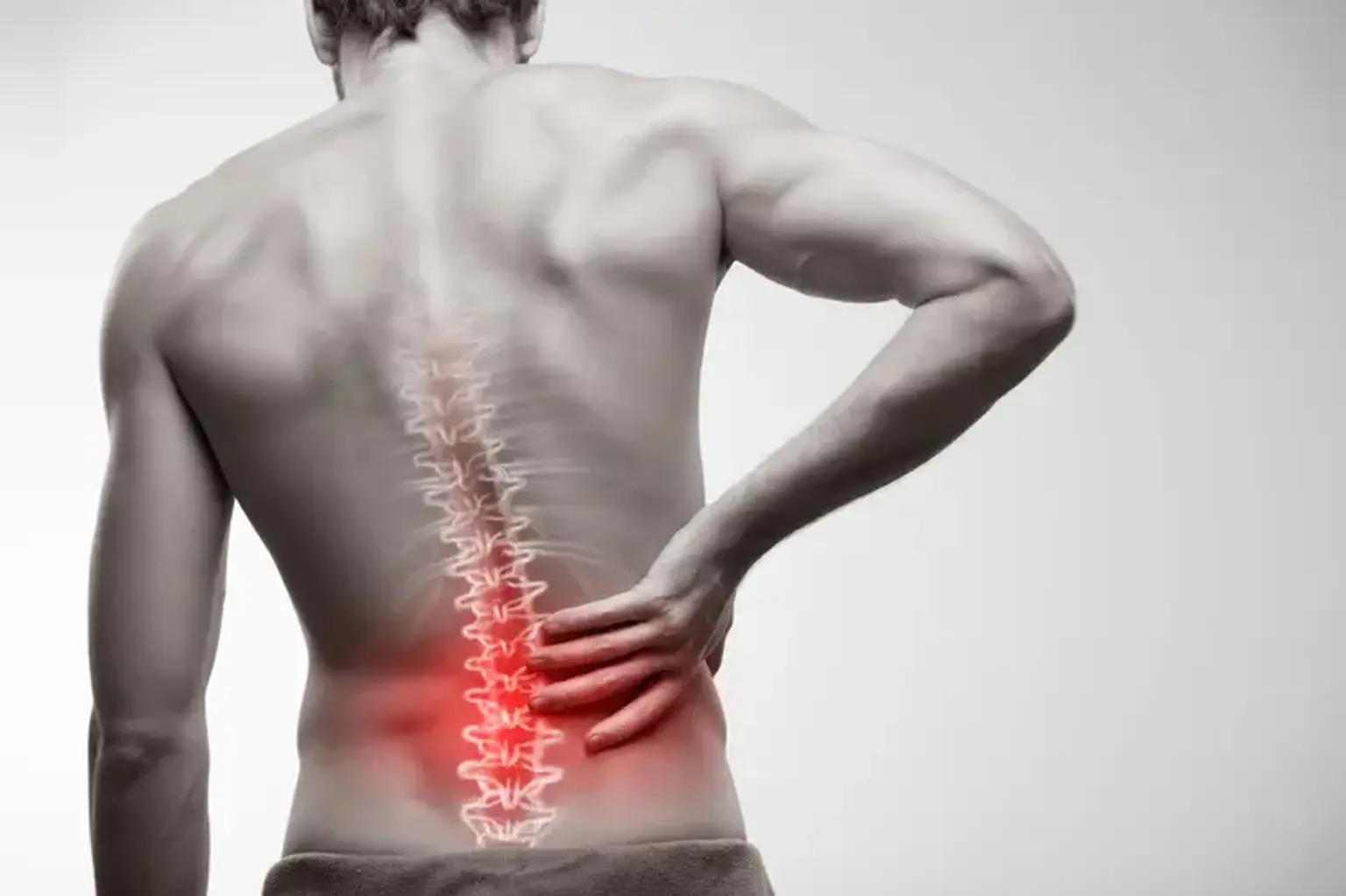
Chiropractic Care: Offers spinal adjustments and manipulations to relieve pain and improve alignment.
Joint Injections: Includes hyaluronic acid or corticosteroid injections to reduce inflammation and improve joint mobility.
Benefits of Non-Surgical Orthopedic Treatments
Non-surgical orthopedic treatments provide numerous benefits for patients, including:
Faster Recovery: These therapies generally have shorter recovery times compared to surgery.
Reduced Risk of Complications: Non-invasive procedures minimize the risk of infection, scarring, or anesthesia-related complications.
Pain Management: Many non-surgical treatments focus on pain relief and long-term symptom management without the need for opioids.
Cost-Effective: Without the need for surgery, hospital stays, or post-operative care, these treatments are often more affordable.
Improved Quality of Life: Non-surgical options can help patients regain mobility and function, allowing them to return to normal activities faster.
How Non-Surgical Treatments Work
Each non-surgical treatment works in a unique way to address specific orthopedic conditions:
Physical therapy relies on targeted exercises to restore muscle strength, flexibility, and balance.
PRP therapy accelerates healing by using growth factors to stimulate tissue regeneration and repair.
Stem cell therapy harnesses the body's natural healing power to regenerate damaged tissues, often used for cartilage and tendon injuries.
Chiropractic care involves spinal adjustments to relieve pain and improve alignment, which can benefit various musculoskeletal conditions.
Joint injections provide temporary relief by delivering anti-inflammatory or lubricating substances directly into the affected area.
These treatments are customized to each patient’s condition, allowing for a tailored approach to healing.
Conditions Treated with Non-Surgical Orthopedic Treatments
Non-surgical orthopedic treatments are versatile and can address a wide range of musculoskeletal conditions. Some of the most common conditions treated include:
Arthritis: Both osteoarthritis and rheumatoid arthritis can benefit from non-surgical treatments such as PRP therapy, physical therapy, and joint injections to manage pain and improve mobility.
Sports Injuries: Athletes often turn to non-invasive therapies for recovery from injuries like sprains, strains, and tendonitis. Stem cell therapy and PRP can promote faster healing in soft tissues.
Spinal Conditions: Herniated discs, sciatica, and spinal stenosis are often managed with non-surgical options like chiropractic care, physical therapy, and spinal decompression techniques.
Tendon and Ligament Injuries: Injuries to tendons and ligaments can be treated effectively with regenerative treatments like stem cell therapy or PRP to promote tissue healing.
These therapies offer patients a chance to avoid surgery while managing their conditions and restoring function.
Risks and Considerations
While non-surgical treatments are generally safe, there are some factors to consider before proceeding:
Effectiveness: Results vary based on the condition and the patient’s response to treatment. Some patients may experience significant improvement, while others might not see as much benefit.
Duration of Results: Non-surgical treatments may require ongoing therapy or maintenance to sustain benefits, particularly for chronic conditions.
Eligibility: Not all patients are candidates for non-surgical treatments. Some conditions may require surgical intervention if non-invasive options are ineffective.
Patients should consult with qualified orthopedic specialists to discuss the best approach for their specific needs.
The Role of Qualified Practitioners
Choosing a qualified professional is crucial to the success of non-surgical orthopedic treatments. A board-certified orthopedic specialist or physiotherapist should assess your condition, develop a tailored treatment plan, and monitor your progress.
Practitioners must be trained in the latest techniques, such as PRP therapy and stem cell injections, to ensure safety and optimal outcomes. If you're considering a chiropractic adjustment or joint injections, it's important to work with a licensed chiropractor or orthopedic surgeon with experience in these areas.
Always ensure that the professional administering your treatment has a proven track record in the specific therapy you're receiving.
Preparing for Non-Surgical Treatment
Before beginning non-surgical orthopedic treatments, patients should undergo a thorough pre-treatment evaluation. This often includes:
Medical History: A detailed review of your health, lifestyle, and any previous treatments.
Physical Examination: A physical assessment of your range of motion, strength, and specific areas of discomfort.
Diagnostic Imaging: X-rays, MRIs, or ultrasounds may be necessary to identify the extent of damage and tailor the treatment plan.
Understanding the specifics of your condition allows the practitioner to choose the most appropriate non-surgical approach for your treatment.
Post-Treatment Care and Recovery
One of the advantages of non-surgical orthopedic treatments is the relatively short recovery time. Depending on the treatment, patients can often resume daily activities almost immediately or within a few days.
Physical Therapy: After treatments like PRP or stem cell therapy, physical therapy may be recommended to help restore strength, flexibility, and function. This often includes stretching exercises, strength training, and joint mobilization.
Follow-Up Appointments: Regular follow-ups with the orthopedic specialist are crucial to monitor progress and adjust the treatment plan as needed. It’s important to attend these appointments to ensure optimal recovery.
Although recovery time is generally shorter, full healing can still take several weeks to months depending on the severity of the injury or condition.
Long-Term Benefits of Non-Surgical Orthopedic Treatments
Non-surgical orthopedic treatments can offer long-lasting relief for many conditions, particularly when combined with proper aftercare:
Reduced Pain: Many patients experience long-term pain relief, especially with regenerative treatments like stem cell therapy or PRP.
Improved Mobility: With therapies such as physical therapy and chiropractic care, many individuals regain their full range of motion, which enhances their ability to perform everyday tasks.
Avoidance of Surgery: The most significant benefit is the ability to avoid the risks, costs, and recovery time associated with surgery.
For many patients, non-surgical treatments provide sustained improvement without the need for invasive procedures.
Costs of Non-Surgical Orthopedic Treatments
While non-surgical orthopedic treatments are often more affordable than surgery, they can still represent a significant investment. The costs vary depending on the type of treatment, the condition being treated, and the geographic location.
Physical Therapy: Generally more affordable, though the cost can add up if long-term rehabilitation is required.
PRP and Stem Cell Therapy: These treatments tend to be more expensive, as they involve specialized procedures and technologies. Prices vary, but they can range from a few hundred to a few thousand dollars per session.
Joint Injections: While more affordable than surgeries, these injections can also cost several hundred dollars per treatment.
It’s important to consult with your healthcare provider about insurance coverage, as some treatments may be partially covered under certain plans.
Global Popularity of Non-Surgical Orthopedic Treatments
Non-surgical orthopedic treatments have gained popularity worldwide due to their effectiveness and minimal recovery time. In many countries, these treatments are seen as the first line of defense before resorting to surgery.
North America: In the U.S. and Canada, regenerative medicine, such as PRP and stem cell therapy, has become increasingly popular, especially among athletes.
Europe: Countries like Germany and France have been pioneers in non-surgical spinal decompression and chiropractic care.
Asia: In countries like Japan and South Korea, non-surgical orthopedic treatments are also widely used, with a focus on joint injections and manual therapies.
As awareness continues to grow, more people around the world are opting for these non-invasive solutions to address orthopedic conditions and injuries.
Patient Experience with Non-Surgical Orthopedic Treatments
For many patients, the experience of non-surgical orthopedic treatments is overwhelmingly positive. Unlike surgery, these treatments don’t require extensive hospital stays or long recovery periods. Most patients report feeling a reduction in pain and an improvement in mobility shortly after their sessions.
Initial Treatment Phase: During the first few sessions, patients may feel mild discomfort, especially with treatments like joint injections or PRP therapy. However, these treatments are designed to accelerate healing, so any discomfort is usually short-lived.
Progressive Improvement: Over time, many patients notice a gradual improvement in symptoms. Physical therapy, for example, may feel challenging at first but often leads to significant strength and mobility gains.
Personalized Care: The treatment plan is typically tailored to the patient's specific needs, ensuring that each individual gets the best possible outcome. Regular check-ins with the medical provider help ensure that progress is being made.
Integrating Non-Surgical Treatments with Lifestyle Changes
While non-surgical treatments provide relief, patients also need to consider integrating lifestyle changes to maximize results. Lifestyle factors such as diet, exercise, and posture can significantly impact orthopedic health.
Exercise: Strengthening exercises and stretching can improve muscle support around joints, reducing strain and preventing future injuries. Physical therapists often recommend specific exercises tailored to the individual’s condition.
Weight Management: Carrying excess weight puts added pressure on joints, particularly the knees and hips. Maintaining a healthy weight can significantly reduce the risk of joint degeneration and enhance the effects of non-surgical treatments.
Ergonomics: Proper posture and ergonomics in daily activities can prevent strain on the spine and joints, helping to maintain long-term orthopedic health.
Combining non-surgical treatments with healthy lifestyle habits leads to better, more sustainable outcomes.
How to Choose the Right Non-Surgical Treatment for You
Choosing the right non-surgical orthopedic treatment depends on your specific condition, goals, and personal preferences. Here’s how to make an informed decision:
Consultation with a Specialist: A comprehensive evaluation by an orthopedic specialist is essential. They will assess your condition, review your medical history, and recommend the most effective treatment options.
Treatment Options: Your doctor will discuss the various non-surgical treatments available and explain the pros and cons of each. For instance, PRP therapy may be a great option for tendon injuries, while physical therapy may be the best choice for improving joint function.
Personal Goals: Consider your desired outcome. Are you looking for pain relief, better mobility, or faster recovery? Your treatment plan should align with your long-term goals.
Budget and Insurance: It’s important to understand the costs involved and whether your insurance covers any of the treatments. Ask your healthcare provider about payment options or financing if necessary.
Making an informed choice ensures that you receive the treatment that best suits your needs.
Future of Non-Surgical Orthopedic Treatments
The future of non-surgical orthopedic treatments is bright, with ongoing research and technological advancements continually improving the effectiveness of these therapies.
Regenerative Medicine Advancements: Research in stem cell therapy and PRP treatments is rapidly advancing, leading to more effective and targeted therapies for conditions like arthritis, tendon injuries, and cartilage degeneration.
Wearable Technology: New wearable devices are being developed to help with rehabilitation and injury prevention. These devices can track progress, provide feedback, and even deliver targeted therapy at home.
Personalized Treatment Plans: As technology advances, personalized treatment plans will become more sophisticated, with treatments tailored not just to the condition, but also to the patient's unique genetic profile and lifestyle.
With continuous innovation, non-surgical orthopedic treatments will only become more accessible, effective, and affordable, making them an even more attractive option for patients worldwide.
Common Questions About Non-Surgical Orthopedic Treatments
Patients often have several questions before starting non-surgical treatments. Here are answers to some of the most common inquiries:
Q: How long do non-surgical treatments take to show results?
A: The timeframe varies depending on the treatment and condition. Some patients notice improvements within a few days or weeks, while others may need a few months to feel full benefits, particularly with regenerative therapies like stem cell or PRP treatments.
Q: Are non-surgical treatments safe?
A: Yes, non-surgical treatments are generally safe when performed by qualified professionals. However, as with any medical procedure, there are risks, so it’s important to have a thorough consultation and evaluation beforehand.
Q: Do non-surgical treatments work for everyone?
A: While non-surgical treatments can be effective for many conditions, they may not work for all patients. Severe injuries or conditions might still require surgical intervention. Your healthcare provider can help determine if you're a good candidate for these treatments.
Q: Are non-surgical treatments covered by insurance?
A: Coverage for non-surgical treatments depends on your insurance plan and the specific procedure. It's important to check with your insurance provider to understand what treatments are covered.
The Role of Preventative Care in Orthopedic Health
In addition to treating existing conditions, non-surgical orthopedic treatments also play an important role in preventive care. By addressing issues before they become serious, patients can avoid future injuries and slow the progression of degenerative conditions.
Strengthening Exercises: Physical therapy and exercise can help improve muscle strength around joints, reducing the risk of injuries. Strengthening key muscle groups can prevent strains, sprains, and other orthopedic issues.
Regular Checkups: Regular visits to orthopedic specialists or physiotherapists can help identify early signs of musculoskeletal issues and provide treatments to prevent further damage.
Stretching and Flexibility: Maintaining flexibility through regular stretching can reduce joint stiffness and improve overall mobility, helping to prevent overuse injuries.
Incorporating non-surgical treatments into a long-term health plan can significantly reduce the risk of future orthopedic problems.
Conclusion
Non-surgical orthopedic treatments are revolutionizing the way we approach musculoskeletal care. With fewer risks, faster recovery times, and a wide range of benefits, these treatments provide an effective solution for many orthopedic conditions. From joint injections to regenerative therapies like PRP and stem cell treatment, non-invasive options allow patients to regain their mobility and quality of life without the need for surgery.
As advancements in technology and research continue, the future of non-surgical orthopedics is bright. More patients are turning to these treatments as their first line of defense against pain and injury, and the availability of these therapies will only increase.
Whether you're dealing with chronic pain, recovering from an injury, or seeking to maintain joint health, non-surgical orthopedic treatments can offer a path to healing and an improved quality of life.