What is Ultherapy?
Ultherapy is a non-invasive skin tightening treatment that uses focused ultrasound energy to lift and tighten the skin. This FDA-approved procedure targets the deeper layers of the skin to stimulate collagen production, a vital protein that keeps skin firm and youthful. Unlike traditional facelifts that require surgery, Ultherapy is non-surgical and requires no incisions, making it a safer, more convenient option for those seeking a lift without the downtime.
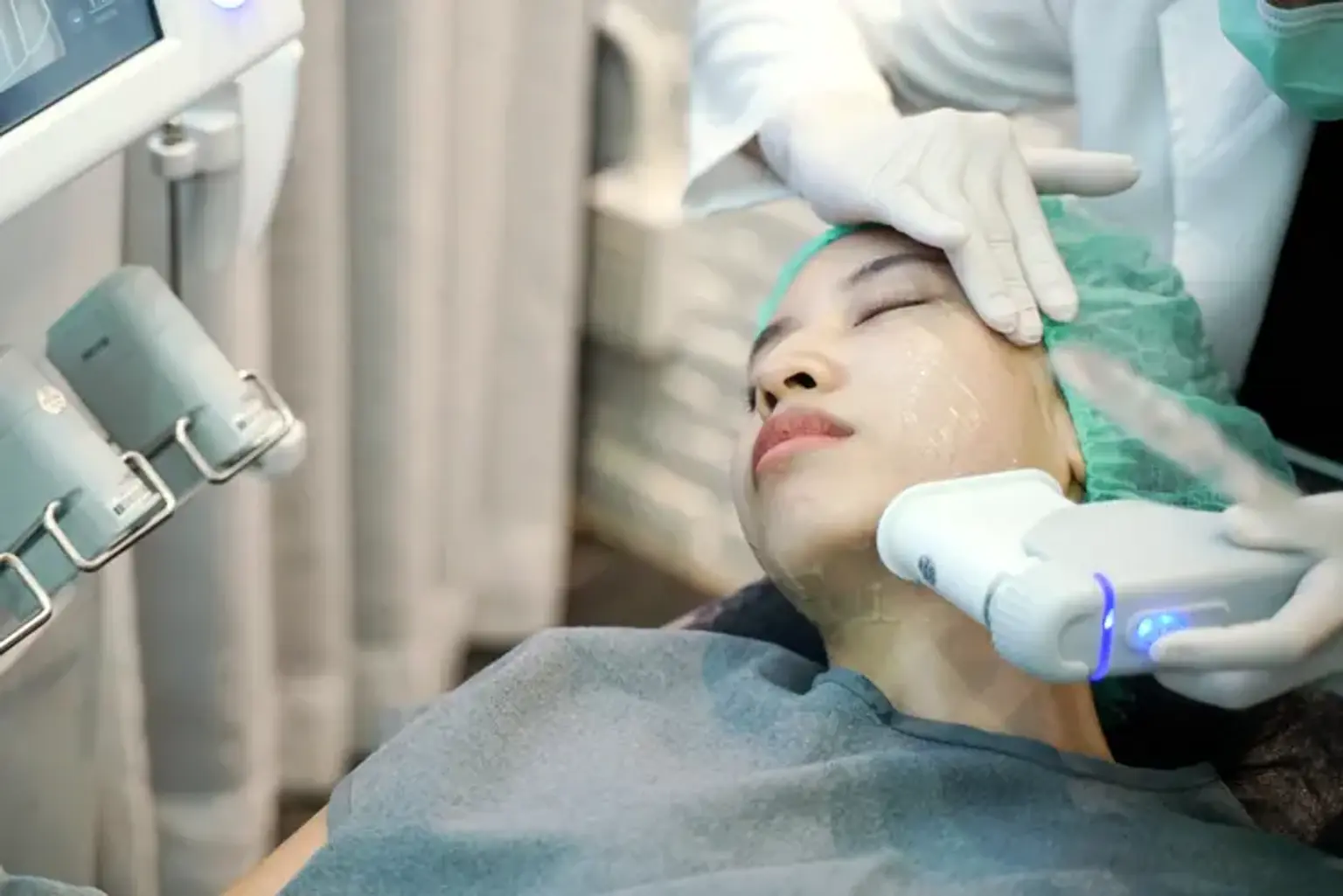
The procedure works by delivering ultrasound energy to specific layers of the skin, including the dermis and SMAS (Superficial Muscular Aponeurotic System) layer, where the skin's collagen network resides. Over time, this energy stimulates collagen production, resulting in tighter, firmer skin that looks more youthful and rejuvenated.
Ultherapy is commonly used for treating sagging skin on the face, neck, and décolletage, and can help reduce fine lines, improve skin texture, and restore skin’s natural lift without any surgical intervention.
How Ultherapy Works for Skin Tightening
Ultherapy uses focused ultrasound energy to penetrate beneath the skin's surface. The process starts with your practitioner applying a gel to the treatment area, followed by the ultrasound device, which delivers the energy to specific layers of skin.
The ultrasound energy generates controlled heat in the dermal layers, which causes the skin’s collagen to contract and stimulate new collagen production. This stimulation leads to smoother, firmer skin as the body naturally rebuilds its collagen network. Since collagen is the main structural protein in the skin, its production leads to tighter, more youthful skin over time.
One of the great benefits of Ultherapy is that it uses ultrasound imaging, allowing practitioners to see the tissue layers beneath the skin, ensuring precise targeting of the treatment area for maximum effectiveness. Unlike some other skin-tightening treatments, Ultherapy stimulates collagen at deeper layers, which can result in longer-lasting results.
Benefits of Ultherapy: Why Choose It?
Ultherapy offers several advantages over traditional facelifts and other skin-tightening treatments:
Non-Invasive: Unlike facelifts, which require surgery and lengthy recovery periods, Ultherapy is completely non-invasive. There are no incisions, no anesthesia, and minimal downtime involved.
Minimal Recovery Time: Most patients experience only mild redness or swelling post-treatment, which resolves quickly. There's no need for time off work or significant restrictions on normal activities.
Long-Lasting Results: While the results are not immediate, Ultherapy offers gradual improvements over the next two to three months. Results can last anywhere from 6 months to 2 years, depending on skin condition, age, and lifestyle factors.
No Surgery, No Scars: Ultherapy allows you to achieve the lifting effect of a facelift without the scars or risks associated with surgery.
Natural-Looking Results: Ultherapy’s gradual skin tightening process leads to natural-looking results that enhance your appearance without drastic changes. This makes it an excellent option for those seeking a subtle improvement.
Areas of Treatment
Ultherapy is versatile and can treat multiple areas of the body where skin has begun to sag or lose elasticity. Common treatment areas include:
Face: Ultherapy can lift and tighten sagging skin on the forehead, cheeks, jawline, and around the eyes. It can also smooth out fine lines and wrinkles, particularly around the mouth and nose.
Neck: Ultherapy is commonly used to treat loose skin under the chin (double chin) and around the neck, areas that typically show signs of aging and gravity.
Décolletage: The chest area often shows early signs of aging, such as wrinkles and sagging. Ultherapy helps to firm up this area and restore smoother skin.
These treatment areas respond well to Ultherapy because the ultrasound energy can penetrate deeply enough to stimulate collagen production where it's needed most. Before-and-after results show significant improvements in skin tightness and texture, making Ultherapy a highly effective option for those looking to refresh their appearance without surgery.
What to Expect During an Ultherapy Session
An Ultherapy session typically lasts between 30 to 90 minutes, depending on the areas being treated. Here’s what you can expect:
Consultation: The process begins with a consultation where your skin concerns and goals are discussed. A treatment plan will be created based on your needs.
Preparation: The treatment area will be cleaned, and a special ultrasound gel is applied to the skin. This helps the ultrasound energy penetrate effectively.
Treatment: Using a handheld ultrasound device, the practitioner applies focused ultrasound energy to specific layers of the skin. You may feel a sensation of heat or slight tingling as the energy is delivered, but most people find it tolerable.
Post-Treatment: After the procedure, you may experience mild redness or swelling in the treated areas, but this usually fades within a few hours. There's no downtime, so you can resume your regular activities immediately.
Who is an Ideal Candidate for Ultherapy?
Ultherapy is suitable for people looking to address mild to moderate skin sagging and wrinkles, typically over the age of 30. The ideal candidate is someone who has good skin elasticity but starts to notice signs of aging, such as:
Loose skin on the face, neck, or chest.
Jowls or sagging around the jawline.
Fine lines or wrinkles that don’t require invasive surgery.
While it’s effective for most skin types, Ultherapy may not be ideal for people with more advanced sagging that would require more extensive lifting or surgery. Additionally, it is not recommended for pregnant women or people with certain medical conditions, such as active skin infections.
Risks and Side Effects of Ultherapy
Ultherapy is generally considered safe, but like any procedure, there are some risks and potential side effects:
Temporary Redness or Swelling: Mild redness or swelling can occur, particularly in the treated areas. This usually subsides within a few hours to a day.
Tenderness or Numbness: Some patients may experience temporary tenderness or a mild burning sensation in the treatment area.
Bruising: In rare cases, minor bruising can occur, especially if the skin is more sensitive.
Uneven Results: While uncommon, there is a slight risk of uneven results, such as over-tightening or under-tightening, if the procedure is not performed by an experienced practitioner.
Overall, these side effects are temporary, and Ultherapy has a strong safety record when performed by a qualified professional.
Recovery Time and Aftercare
One of the biggest advantages of Ultherapy is the minimal recovery time:
Immediate Return to Normal Activities: Most people can resume their daily activities right after the procedure. There’s no need for special post-treatment care.
Possible Side Effects: Mild redness, swelling, or tenderness might occur immediately after the treatment but usually resolves within a few hours.
Avoid Sun Exposure: It’s important to avoid excessive sun exposure or tanning for a few days after the procedure to reduce the risk of irritation.
Hydration: Keeping the skin moisturized and hydrated can enhance healing and ensure better results.
Unlike surgical facelifts, which require significant recovery time, Ultherapy has no downtime, making it a convenient option for people with busy lifestyles.
Ultherapy Results: What to Expect
After an Ultherapy session, results are not immediately visible but appear gradually as the skin’s collagen production increases. Most patients will notice some tightening and lifting in the days following the treatment, but the most noticeable results typically occur after 2 to 3 months. This delayed effect is because collagen remodeling takes time, which means the skin will continue to improve over several months.
The treatment results are subtle, natural, and long-lasting, with effects lasting anywhere from 6 months to 2 years, depending on your skin condition and lifestyle. Many people choose to have a touch-up treatment after a year to maintain results, particularly if they experience natural aging or lifestyle factors that affect their skin.
Unlike some other treatments, Ultherapy provides a non-surgical solution that continues to improve with time. As the collagen regenerates, you can expect a firmer, more youthful appearance with reduced fine lines and improved skin texture.
Cost of Ultherapy Treatment
The cost of Ultherapy can vary depending on several factors, including the area being treated, the geographic location of the clinic, and the expertise of the practitioner. On average, the price for a single Ultherapy session ranges from $1,500 to $4,000.
Face: Treating the face, including areas like the brow, cheeks, and jawline, may cost between $2,000 and $3,500.
Neck and Décolletage: For neck and chest areas, prices typically range from $1,500 to $2,500.
Full Treatment: For a more comprehensive treatment that includes multiple areas, the cost can rise up to $4,000 or more.
While Ultherapy is more expensive than some other non-invasive skin tightening treatments, its long-lasting results and the fact that it’s a non-surgical procedure can make it a worthwhile investment. Many clinics offer financing options or payment plans to make the treatment more accessible. It’s also important to consider the value of avoiding the recovery time and risks associated with surgery.
Comparing Ultherapy with Other Non-Surgical Treatments
When considering skin tightening options, it’s important to understand how Ultherapy compares to other popular non-surgical treatments:
Radiofrequency (RF) Therapy: Both Ultherapy and RF treatments stimulate collagen production, but Ultherapy uses ultrasound energy, which penetrates deeper into the skin than RF therapy. This allows Ultherapy to target deeper layers, offering more significant lifting and tightening results for certain areas.
Microneedling: This procedure uses tiny needles to create micro-injuries in the skin, stimulating collagen growth. While it’s effective for improving skin texture and minor wrinkles, Ultherapy is generally more effective for lifting and tightening the skin, particularly in areas where sagging is a concern.
Laser Treatments: Some lasers, like Fraxel or CO2 lasers, can help tighten the skin by resurfacing the top layers. However, these treatments typically don’t go as deep as Ultherapy, meaning they’re better suited for skin texture improvement rather than lifting or tightening.
Ultherapy stands out as the best option for deep skin tightening, particularly for sagging or loose skin that other treatments might not effectively address. It's ideal for patients looking for noticeable improvements in skin laxity without resorting to surgery.
How Effective is Ultherapy for Wrinkle Reduction?
Ultherapy is an excellent treatment for reducing wrinkles, particularly around the mouth, eyes, and forehead. The procedure works by stimulating collagen production, which helps fill out fine lines and wrinkles and improves the skin’s overall texture.
Fine Lines and Wrinkles: Ultherapy is most effective at treating fine lines, particularly around the eyes, mouth, and forehead, areas that typically show early signs of aging. By tightening and lifting the skin, Ultherapy smooths these lines, offering a more youthful appearance.
Crow’s Feet and Forehead Lines: For wrinkles around the eyes (crow’s feet) and the forehead, Ultherapy can significantly improve skin tone and texture, reducing the appearance of these lines.
Nasolabial Folds: These deep lines from the nose to the corners of the mouth can also benefit from Ultherapy, though results may vary depending on the severity of the folds. Ultherapy helps to lift the skin around the folds, reducing their appearance and improving overall facial aesthetics.
Though Ultherapy may not completely erase deep wrinkles, it is effective at softening their appearance and preventing further deepening, making it an excellent option for those looking to maintain a more youthful look without resorting to invasive treatments. Results can be long-lasting, and many patients find the improvement in skin quality and tightness to be worth the investment.
Who is an Ideal Candidate for Ultherapy?
Ultherapy is suitable for individuals looking to improve mild to moderate skin sagging and signs of aging without resorting to surgery. Ideal candidates typically fall within the following categories:
Age: People between the ages of 30 and 60 are usually the best candidates, as they often show early signs of aging, such as mild to moderate skin laxity, but still have some level of natural collagen production. However, older patients with more pronounced sagging can also benefit from Ultherapy, although the results may be less dramatic.
Skin Condition: Candidates should have some degree of skin laxity or early sagging but still possess enough skin elasticity for the treatment to work effectively. Ultherapy is not ideal for those with severely loose or sagging skin, as surgical options may be more appropriate for dramatic lifting.
Health and Expectations: The best candidates are those in good overall health with realistic expectations about what Ultherapy can achieve. It's important to note that Ultherapy is not a substitute for a facelift, and its results are more subtle than surgical procedures.
Consultation with a certified practitioner is key to determine if Ultherapy is right for you. During the consultation, your skin's condition, your medical history, and your desired outcomes will be evaluated.
Preparation for an Ultherapy Treatment
Preparing for Ultherapy is straightforward, with no significant lifestyle changes required. However, there are a few steps to ensure the procedure goes smoothly:
Consultation: Before undergoing the treatment, you will have a consultation with a qualified practitioner. During this session, your skin will be evaluated to ensure Ultherapy is suitable for your needs. The practitioner will also discuss your expectations and help you set realistic goals for the procedure.
Avoid Sun Exposure: It’s advisable to avoid excessive sun exposure or tanning beds for a few weeks before your Ultherapy treatment. Sunburned or tanned skin may be more sensitive to the ultrasound energy, potentially affecting treatment outcomes.
Medications and Supplements: You may be asked to avoid certain medications or supplements, especially those that thin the blood, like aspirin or vitamin E, in the days leading up to your treatment. This helps reduce the risk of bruising or discomfort.
Pre-Treatment Care: On the day of your treatment, avoid applying heavy makeup, moisturizers, or lotions to the treatment area. The skin should be clean to ensure the ultrasound energy is delivered effectively.
By following these simple guidelines, you can help ensure the best possible results from your Ultherapy session.
What to Expect During the Ultherapy Procedure
The Ultherapy procedure itself is relatively straightforward and minimally uncomfortable for most patients. Here’s what you can expect:
Preparation: After cleaning the treatment area, a topical numbing cream may be applied to the skin to ensure comfort. Although some patients opt for a light sedative to relax, numbing cream is usually sufficient to manage discomfort during the procedure.
Ultherapy Device: The practitioner will then use a handheld device to deliver focused ultrasound energy to targeted areas. You may feel a slight tingling or warmth during the treatment, but most people find the experience tolerable.
Duration: The length of the procedure varies depending on the treatment area. A full face and neck treatment typically takes about 60 to 90 minutes. Smaller areas may take less time, while larger areas like the chest could take longer.
Post-Treatment: There is minimal downtime after Ultherapy. Most patients can resume their normal activities immediately following the procedure. You may experience some redness or mild swelling, but these side effects usually subside within a few hours to a few days. Some patients may feel slight tenderness in the treatment area, but this is temporary.
Overall, Ultherapy is well-tolerated and requires no anesthesia or significant recovery time, making it an excellent option for busy individuals looking to improve their appearance without major disruptions to their daily lives.
Side Effects and Risks of Ultherapy
While Ultherapy is generally considered safe and non-invasive, like any procedure, it comes with some potential risks and side effects. However, serious complications are rare.
Mild Redness and Swelling: The most common side effects are temporary redness, swelling, and tenderness at the treatment site. This is usually mild and resolves within a few hours to a few days.
Bruising: Some patients may experience bruising, especially in areas where the skin is thinner, such as under the eyes or around the jawline. This side effect is usually short-lived and fades within a few days.
Numbness or Tingling: A small number of patients report feeling numb or tingling sensations in the treatment area post-treatment. This is typically temporary and resolves within a few weeks.
Rare Complications: In rare cases, some patients may experience temporary nerve irritation or an uneven skin texture. These complications are uncommon and tend to resolve on their own over time.
To minimize risks, it is crucial to choose a qualified and experienced practitioner. They will ensure the treatment is tailored to your needs and delivered safely.
How to Maintain Results After Ultherapy
After your Ultherapy treatment, maintaining the results is essential to prolong the youthful appearance. Here are a few tips:
Skincare Routine: Use a skincare routine that supports collagen production, such as products with retinol, vitamin C, and peptides.
Sun Protection: Protect your skin from sun damage with broad-spectrum SPF 30 or higher. UV exposure can accelerate skin aging and diminish the effects of the treatment.
Healthy Lifestyle: Eating a balanced diet rich in antioxidants and staying hydrated will help support collagen production and keep your skin healthy.
Although the results are long-lasting, maintaining healthy habits can help preserve your improved skin appearance.
Ultherapy vs. Facelift Surgery: Which is Right for You?
Ultherapy is often compared to a traditional facelift, but they offer different benefits:
Non-Invasive vs. Surgical: Ultherapy is a non-invasive treatment that requires no surgery or long recovery time. A facelift, on the other hand, is a surgical procedure that involves incisions and a longer recovery.
Results: While a facelift offers more dramatic results, Ultherapy is ideal for those looking for a subtle lift and improvement in skin tone and texture without the risks of surgery.
Recovery Time: Ultherapy has minimal downtime, while facelifts require several weeks of recovery, including rest and managing post-surgical care.
For those with mild to moderate skin sagging, Ultherapy can be an excellent alternative, offering natural-looking results with less risk and recovery time.
Ultherapy for Men: A Growing Trend
While Ultherapy has been popular among women, it is increasingly becoming a go-to treatment for men as well. Men are seeking non-surgical solutions to tighten skin, reduce wrinkles, and restore a youthful appearance without looking "done."
Men typically experience skin laxity around the jawline, neck, and eyes. Ultherapy effectively addresses these areas, providing a more defined jawline and smoother skin without the need for invasive procedures. The treatment offers a natural, masculine result that enhances appearance without dramatic changes.
Ultherapy Success Stories and Real-Life Examples
Many patients have shared positive results after their Ultherapy treatments, reporting a significant improvement in their skin’s firmness and tone. For example, patients often see visible lifting in areas like the jawline, neck, and under the eyes, with smoother, tighter skin that looks naturally rejuvenated.
One patient reported noticing a lifted, refreshed appearance around their neck and cheeks within three months of treatment, with no signs of the procedure’s effects being obvious. Another patient described a firmer jawline and a reduction in sagging skin after just one session, with no downtime required.
These success stories highlight Ultherapy's ability to deliver gradual, natural-looking improvements that leave patients feeling more confident and satisfied with their appearance.
Conclusion
Ultherapy offers a non-invasive, effective solution for individuals looking to tighten skin, reduce wrinkles, and achieve a youthful appearance without surgery. With minimal downtime and gradual, natural results, it's an appealing choice for those who want subtle, long-lasting improvements.
While it’s not a replacement for a facelift, Ultherapy is ideal for those with mild to moderate skin sagging. It’s suitable for both men and women and works well for various areas of the face and neck. By stimulating collagen production, Ultherapy continues to improve the skin over time, offering patients noticeable lifting and skin rejuvenation.
If you're considering Ultherapy, consult a qualified practitioner to determine if it’s the right option for your skin and goals. The results, combined with its safety and convenience, make Ultherapy a popular and growing treatment for non-surgical skin tightening.