Overview
A non-surgical thread lift is a popular, minimally invasive procedure that tightens and lifts sagging skin without the need for traditional surgery. Using PDO threads, which are made from a biocompatible material, this treatment encourages collagen production, helping the skin become firmer and smoother. It's an ideal option for those seeking skin rejuvenation and a facelift alternative without the long recovery times and risks associated with surgery.
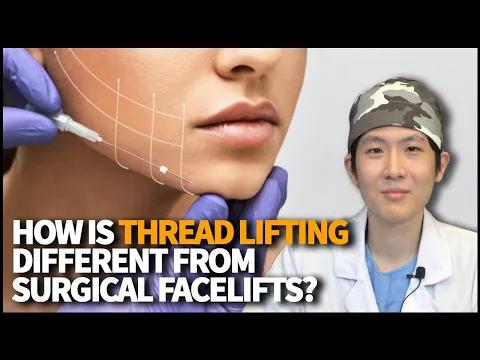
As the demand for non-invasive cosmetic treatments increases worldwide, the non-surgical thread lift has quickly gained traction as a safe and effective method for skin tightening. The procedure is commonly performed on the face, neck, and jawline to address sagging skin, wrinkles, and loss of firmness, offering a youthful appearance with minimal downtime.
Why Thread Lifts Are Gaining Popularity Globally
The non-surgical thread lift has become increasingly popular due to its minimally invasive nature. Unlike traditional facelifts that involve incisions, anesthesia, and a lengthy recovery period, thread lifts offer an alternative that produces similar results with much less hassle.
Globally, more people are turning to non-invasive treatments as a way to enhance their appearance without the risks and recovery time associated with surgery. The procedure’s appeal lies in its ability to deliver noticeable results with less discomfort and a faster recovery time. Whether it's for a subtle lift or more dramatic changes, PDO thread lifting can offer a solution for various stages of aging, making it suitable for a wide range of patients.
What is a Non-Surgical Thread Lift?
A non-surgical thread lift involves the insertion of specialized threads, often made of PDO (Polydioxanone), into the skin. These threads act as a "scaffold" to lift and tighten the skin. The procedure stimulates the body’s natural collagen production, resulting in a firmer, more youthful appearance.
The process is straightforward: the threads are inserted under the skin using a fine needle, targeting areas of sagging. Over time, the threads dissolve naturally, leaving behind firmer, smoother skin. In addition to providing a lift, PDO threads also stimulate skin rejuvenation, improving texture and elasticity.
Typically, thread lifts are performed on areas like the face, neck, and jawline. However, the treatment can be customized to meet individual needs, including addressing fine lines and wrinkles.
The Science Behind Skin Tightening
The main mechanism behind non-surgical thread lifts is the stimulation of collagen production. As the threads are inserted, they trigger a natural healing response in the skin. This process leads to the production of new collagen fibers, which help tighten and firm the skin.
PDO threads are particularly effective because they are biodegradable and safe for the body. As they dissolve, they not only lift the skin but also enhance the elasticity and tone of the tissue, improving the overall appearance of the skin.
Unlike other non-invasive treatments like Botox or fillers, which temporarily smooth wrinkles or add volume, thread lifts provide long-lasting structural benefits by stimulating the skin's own repair processes. This makes them ideal for those looking for a natural, gradual improvement in skin texture and appearance.
Target Areas for Non-Surgical Thread Lifts
A non-surgical thread lift can target several areas of the face and body, making it a versatile treatment option. The most common areas treated include:
Face: Thread lifts are particularly effective in lifting sagging cheeks, jowls, and the brow area, restoring a youthful contour.
Neck: For patients with loose skin or “turkey neck,” PDO threads can tighten and firm the skin, giving the neck a smoother, lifted appearance.
Jawline: Thread lifts can help redefine a sagging jawline, creating a sharper, more sculpted look.
While these are the most common treatment areas, thread lifts can also be used to smooth wrinkles and tighten skin on other areas of the body, such as the décolletage or arms. The procedure is customized based on individual concerns, offering a tailored approach to each patient’s needs.
Advantages of Non-Surgical Thread Lifts Over Traditional Facelifts
One of the biggest reasons for the non-surgical thread lift's rise in popularity is the significant advantages it offers over traditional facelifts:
Minimally Invasive: Unlike facelifts that require incisions, general anesthesia, and longer recovery times, thread lifts only require small needle insertions. No major cuts are needed, which means minimal scarring and reduced risks.
Shorter Recovery Time: With a traditional facelift, patients may need weeks to heal. However, with a thread lift, most patients return to normal activities within 1 to 2 days. There may be some swelling or bruising, but these side effects typically subside within a few days.
Lower Cost: Thread lifts are more affordable than full facelifts, making them a desirable option for those on a budget. The cost of PDO thread lifting typically varies based on the area treated but remains a fraction of the price of surgery.
Natural Results: Since thread lifts stimulate the body's natural collagen production, the results are gradual and appear more natural, avoiding the “pulled” look often associated with surgery.
In addition to these benefits, PDO thread lifting can be performed with local anesthesia, reducing discomfort and allowing for quicker, safer procedures.
Long-Lasting Results with Minimal Downtime
One of the standout features of non-surgical thread lifts is their ability to provide long-lasting results with very little downtime. Although the threads dissolve over time, the collagen they stimulate remains, providing sustained skin tightening effects.
Duration of Results: The effects of a PDO thread lift typically last between 12 to 18 months, depending on the patient's skin condition and lifestyle. Over time, the body's collagen production continues to support the skin’s firmness, leading to results that last much longer than other non-invasive treatments.
Minimal Recovery: Most patients can resume their normal activities within 24 to 48 hours. While there may be slight swelling or bruising immediately after the procedure, these symptoms are usually mild and fade quickly. Aftercare instructions generally include avoiding intense physical activity for a few days and refraining from touching the treated areas to ensure the threads settle properly.
Because of the minimal downtime, the thread lift is ideal for those with busy schedules who want noticeable improvements without taking extended time off work or social events.
Safety and Reduced Risk
Unlike traditional surgery, which carries the risk of significant complications, the non-surgical thread lift is a safe procedure with minimal risk. However, like any medical treatment, it’s important to ensure the procedure is performed by a qualified practitioner to minimize the risk of side effects.
Qualified Practitioners: It’s crucial to seek out certified professionals with experience in PDO thread lifts. Choosing a skilled and experienced provider ensures the procedure is performed safely and yields the best possible results.
Low Risk of Complications: Since the procedure doesn’t involve major incisions or anesthesia, the risks are significantly lower than traditional surgery. The most common side effects include temporary bruising, swelling, or mild discomfort, which usually resolve within a few days.
Safety Protocols: During the procedure, proper sterilization techniques are followed to prevent infection, and the threads used are FDA-approved. Additionally, patients should adhere to post-treatment instructions carefully to avoid complications, such as infection or thread migration.
By choosing a reputable clinic and following post-treatment guidelines, patients can enjoy the benefits of a safe, effective thread lift with little risk involved.
Versatility of Thread Lifts for Different Skin Types and Ages
The non-surgical thread lift is not limited to a specific age group or skin type, making it a versatile option for many people looking to address signs of aging.
Younger Patients: Thread lifts are often used for those in their 30s or early 40s who are beginning to experience slight skin sagging or loss of elasticity. The procedure can offer a subtle lift and prevent the deepening of wrinkles before they become more pronounced.
Older Patients: Thread lifts are also effective for older patients with moderate skin laxity. The procedure can tighten and lift sagging skin on the face, neck, and jawline, offering a rejuvenated appearance without the need for invasive surgery.
Skin Types: The PDO threads used in the procedure are suitable for a wide range of skin types. Whether a patient has oily, dry, or sensitive skin, the threads will stimulate collagen production and provide tightening benefits without causing irritation.
By offering a customizable approach, thread lifts cater to the needs of various skin types and age groups, addressing concerns ranging from fine lines to deeper sagging.
Step-by-Step Guide to the Thread Lift Procedure
The thread lift procedure is straightforward and minimally invasive, usually performed under local anesthesia. Here's what you can expect during the treatment:
Consultation: Before the procedure, a thorough consultation is conducted to determine the areas that need lifting and to customize the treatment to your goals.
Marking and Preparation: The practitioner marks the areas to be treated, cleans the skin thoroughly, and applies a local anesthetic to ensure comfort.
Thread Insertion: Using a fine needle, the practitioner inserts the PDO threads beneath the skin, carefully lifting and tightening the tissue. The procedure usually takes between 30 to 60 minutes, depending on the treatment area.
No Incisions: Unlike facelifts, there are no major incisions. The procedure involves small punctures that are nearly invisible after healing.
The thread lift procedure is quick, and patients are usually able to return to their normal activities within 1 to 2 days.
What Happens After the Procedure?
After a thread lift, recovery is relatively quick, and most patients can resume daily activities within a day or two. However, there are a few things to keep in mind:
Immediate Post-Treatment Care: Expect some swelling, bruising, or mild discomfort in the treated areas. These effects should subside within a few days.
Avoid Intense Activity: For about a week following the procedure, avoid strenuous exercise, facial massages, and any activities that could disturb the threads.
Monitoring the Threads: The threads naturally dissolve over time, but it’s important to monitor the skin for any irregularities or complications. In rare cases, thread migration or infection can occur, so following aftercare instructions is essential.
Most patients are able to enjoy their results within a few weeks, as the skin begins to tighten and the collagen production is stimulated.
Before and After: Real-Life Results
Seeing before and after photos can be a powerful way to visualize the effects of a non-surgical thread lift. Many patients report noticeable improvements in skin firmness, with a more lifted and youthful appearance.
Facial Transformation: For patients with sagging cheeks or jowls, thread lifts often result in a more contoured face, with skin that appears firmer and smoother. The jawline and neck also show significant improvement, with a more sculpted, youthful look.
Neck and Jawline Rejuvenation: Thread lifts are particularly popular for rejuvenating the neck and jawline areas. As skin sags with age, thread lifts help tighten and lift the skin, creating a more defined contour.
The results of a thread lift are often subtle but significant, offering a natural, refreshed look. Many patients report feeling more confident and youthful after the procedure, with long-lasting results that continue to improve over time.
Managing Expectations: What Results to Expect
While the non-surgical thread lift offers impressive results, it's important to manage expectations about what can be achieved. The procedure is highly effective for mild to moderate skin sagging and can provide a noticeable lift in the targeted areas. However, it is not a substitute for a full surgical facelift, especially for patients with advanced sagging or significant skin laxity.
Gradual Results: The effects of the treatment are not immediate. While some initial lifting can be seen right after the procedure, the full results typically appear within 3 to 6 months, as collagen production increases and the threads dissolve.
Long-Term Maintenance: Results can last anywhere from 12 to 18 months, depending on the individual’s skin type, lifestyle, and how their body responds to the threads. Some patients may choose to undergo follow-up treatments to maintain their results.
It’s essential for patients to understand that while thread lifts provide significant improvement, the results may not be as dramatic as surgical facelifts, and the procedure may need to be repeated for optimal maintenance.
Common Misconceptions About Thread Lifts
Despite the growing popularity of thread lifts, there are several misconceptions that often discourage potential patients. Let’s clear up some of these misunderstandings:
Myth 1: Thread Lifts Are Only for Older People
While thread lifts are commonly used by older individuals looking to rejuvenate their skin, younger patients can also benefit from the procedure. It is an excellent preventive treatment for those in their 30s and 40s who want to delay the signs of aging and maintain skin firmness.Myth 2: Thread Lifts Are Painful
Many people are concerned about pain during the procedure. However, local anesthesia is used, ensuring minimal discomfort. Most patients report feeling little to no pain, and any soreness afterward typically resolves quickly.Myth 3: Thread Lifts Are Only for the Face
While facial treatments are the most common, thread lifts can be performed on various parts of the body, such as the neck, décolletage, and arms, for overall skin tightening and rejuvenation.
By addressing these misconceptions, patients can feel more confident about choosing a thread lift as an effective and safe option.
Cost of Non-Surgical Thread Lifts
One of the significant advantages of non-surgical thread lifts is their affordability compared to traditional facelifts. While the exact cost can vary depending on factors such as the clinic location, the number of threads used, and the area being treated, thread lifts generally cost less than a full surgical facelift.
Pricing Factors: The cost typically ranges from $1,500 to $4,500 per treatment session. Prices vary based on the extent of the treatment area and the expertise of the practitioner. Clinics in major metropolitan areas may charge higher fees than those in smaller cities or towns.
Insurance Coverage: Since thread lifts are considered cosmetic procedures, they are generally not covered by insurance. However, some clinics may offer payment plans to make the treatment more accessible.
When considering the cost, it’s important to weigh the affordability of the procedure with the long-term benefits and minimal recovery time, which make it a cost-effective solution for many.
Choosing the Right Provider for Your Thread Lift
The success of your non-surgical thread lift largely depends on selecting a qualified and experienced practitioner. Here are a few tips to ensure you choose the right provider:
Check Credentials: Always verify that the practitioner is a licensed and board-certified professional. Look for a dermatologist, plastic surgeon, or aesthetician with specific training and experience in PDO thread lifting.
Consultations: A consultation should be thorough, with the practitioner taking time to understand your concerns, expectations, and medical history. They should explain the procedure clearly, outline potential risks, and help you set realistic expectations.
Before-and-After Photos: Request to see before-and-after photos of previous patients who underwent the procedure. This will give you an idea of the results you can expect.
Clinic Reputation: Look for a clinic with positive reviews and a reputation for providing safe, effective treatments. Word-of-mouth recommendations and patient testimonials can be a valuable source of information.
Choosing the right provider ensures that your thread lift is performed safely and that you achieve the best possible results.
Combining Thread Lifts with Other Aesthetic Treatments
For patients seeking more comprehensive rejuvenation, thread lifts can be combined with other non-surgical aesthetic treatments to enhance overall results. Some common complementary treatments include:
Botox and Dysport: These neuromodulators can be used to relax wrinkles in areas such as the forehead, crow’s feet, and between the eyebrows. Combining Botox with a thread lift can smooth out expression lines while lifting sagging skin.
Dermal Fillers: Fillers like Hyaluronic Acid (HA) or Calcium Hydroxylapatite (Radiesse) are effective for restoring volume to areas like the cheeks, lips, and nasolabial folds. Pairing dermal fillers with PDO threads creates a more youthful, plump appearance with additional skin tightening.
Laser Treatments: Laser resurfacing treatments like Fraxel or CO2 laser can be used to improve skin texture, tone, and pigmentation. Laser treatments can enhance the overall results of a thread lift, especially for patients with sun damage or uneven skin tone.
By combining different treatments, patients can achieve a holistic rejuvenation effect, addressing multiple concerns at once and enhancing the results of the thread lift.
Thread Lift vs. Other Non-Surgical Alternatives
In the world of non-surgical skin tightening, PDO thread lifting is not the only option available. Patients often compare it to other non-invasive treatments like:
Ultherapy: Ultherapy uses ultrasound energy to stimulate collagen production, effectively tightening the skin on the face, neck, and décolletage. While Ultherapy can be effective, it typically requires more sessions to see optimal results compared to a thread lift, which provides an immediate lift.
Radiofrequency (RF) Therapy: RF treatments, like Thermage, use heat to tighten and contour the skin. However, results tend to be more gradual, and multiple sessions are often required to achieve a significant effect.
Microneedling with PRP (Platelet-Rich Plasma): Microneedling stimulates collagen production and can improve skin texture and firmness. When combined with PRP, it can offer great results, but it doesn’t provide the same lifting effects as thread lifts.
While each treatment has its advantages, thread lifts are unique in their ability to provide instant results combined with long-lasting tightening effects. They are a more direct, lifting solution than some of these alternatives.
Global Popularity of Non-Surgical Thread Lifts
The demand for non-surgical thread lifts has skyrocketed worldwide, especially in countries with a high focus on aesthetics and beauty. Popularity is seen not only in places like the United States and Europe, but also in regions like Asia and South America, where non-invasive beauty treatments are highly sought after.
Asia: Countries like South Korea and Japan are at the forefront of innovative non-surgical procedures. The thread lift is widely popular in these regions due to its quick results and minimal downtime, which fits with the busy lifestyles of many patients.
Europe and the United States: In Europe and North America, the thread lift is increasingly favored over traditional facelifts for its affordability and less invasive nature. It's especially popular among individuals looking to maintain a youthful appearance without the risk and recovery time associated with surgery.
Latin America: In countries like Brazil and Mexico, aesthetic treatments are commonly performed as part of routine beauty care. The PDO thread lift is widely available and has become a go-to procedure for non-invasive facial rejuvenation.
As the technology behind thread lifting continues to evolve, the procedure's popularity is expected to grow, making it an accessible treatment option for people all over the world.
Conclusion
Ultimately, whether a non-surgical thread lift is right for you depends on your unique goals and expectations. For individuals seeking a non-invasive solution for mild to moderate skin sagging, thread lifts offer an effective, safe, and affordable option. It’s an excellent choice for those who want noticeable improvement without the commitment or downtime of surgery.
Ideal Candidates: Individuals with mild to moderate skin sagging in areas such as the face, neck, or jawline are ideal candidates. It’s also a great preventive measure for younger patients looking to maintain skin tightness.
Consult a Professional: The key to achieving the best results is working with a qualified practitioner who can assess your needs, explain the treatment in detail, and help you set realistic expectations.
A PDO thread lift is a powerful tool in the world of aesthetic treatments, offering a rejuvenated, youthful look with minimal risk and recovery time. Whether combined with other treatments or performed as a standalone procedure, it remains one of the most sought-after non-surgical alternatives to facelifts.