Introduction
Numbness, also known as paresthesia, refers to a loss of sensation or abnormal sensations like tingling or "pins and needles." It can affect various parts of the body, including the hands, feet, arms, and legs. While occasional numbness can occur due to temporary conditions like sitting in one position for too long, chronic or recurring numbness may signal underlying health issues. Understanding numbness diagnosis and its treatment options is essential for addressing the root cause and improving quality of life.
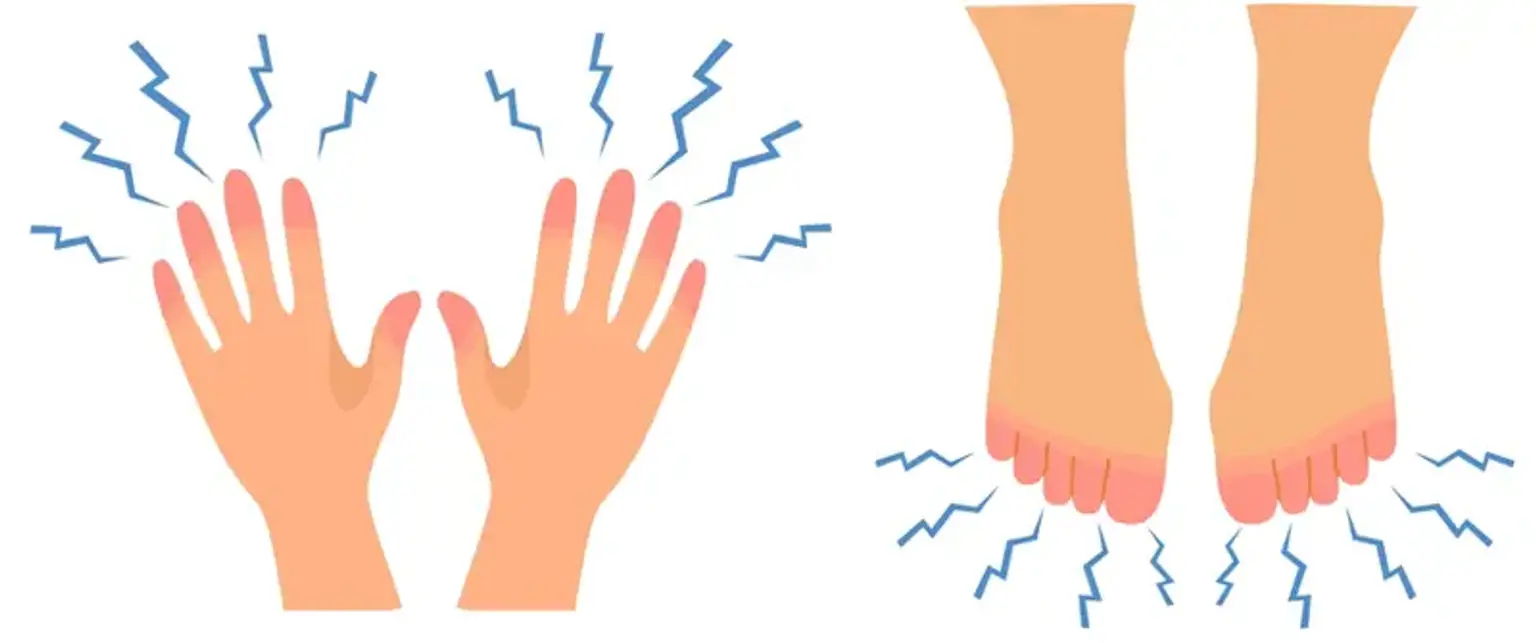
This article explores the causes of numbness, the process of diagnosis, and available treatment methods. Whether due to nerve compression, peripheral neuropathy, or chronic conditions like diabetes, timely intervention can make a significant difference.
Understanding Numbness
Numbness can manifest as a complete loss of feeling or a strange tingling sensation, often described as a "pins and needles" feeling. The severity and location of numbness can vary, affecting one part of the body (e.g., fingers, toes) or more extensive areas (e.g., limbs, face). While temporary numbness can happen due to poor posture or external pressure on nerves, persistent numbness is a sign that something more serious may be occurring.
The primary reason for numbness is nerve dysfunction, where sensory nerves fail to transmit signals properly to the brain. Other factors, such as poor circulation, nerve damage, or systemic diseases like multiple sclerosis or diabetes, can also cause long-term numbness.
Diagnosing Numbness
A thorough diagnosis is essential to identify the underlying cause of numbness. Here's what the process typically involves:
Medical History Review: Your healthcare provider will begin by asking about your medical history, including whether you have conditions like diabetes, hypertension, or autoimmune diseases that could contribute to nerve problems.
Physical Examination: A physical exam will help the doctor assess the affected area and check for any visible signs of injury or abnormalities in sensation. They may test your reflexes, muscle strength, and sensation levels.
Diagnostic Tests:
Nerve Conduction Studies: This test measures the speed and strength of electrical signals as they travel along nerves. It helps identify nerve damage or compression.
MRI or CT Scan: Imaging tests like an MRI can reveal structural problems, such as herniated discs or brain abnormalities (e.g., strokes).
Blood Tests: A blood test may be used to check for vitamin deficiencies, diabetes, or signs of infections or autoimmune disorders.
Referral to Specialists: If your primary doctor suspects a neurological issue, they may refer you to a neurologist, a specialist in diagnosing and treating conditions that affect the nervous system.
Proper diagnosis is crucial for determining the right treatment plan. Misdiagnosing numbness could lead to ineffective treatments, potentially worsening the condition.
Causes of Numbness
Numbness can result from a variety of factors, ranging from lifestyle habits to serious medical conditions:
Peripheral Neuropathy: One of the most common causes, this occurs when the peripheral nerves (nerves outside the brain and spinal cord) become damaged. Conditions like diabetes, infections, or toxins often contribute to peripheral neuropathy, leading to numbness, especially in the feet and hands.
Nerve Compression: Conditions such as Carpal Tunnel Syndrome or Sciatica compress nerves, causing numbness and tingling in the affected area. For example, a herniated disc in the spine can irritate nearby nerves, leading to leg numbness.
Stroke: A stroke can block or reduce blood flow to parts of the brain, leading to sudden numbness, usually on one side of the body. Prompt medical intervention is crucial in cases of stroke-induced numbness.
Vitamin Deficiencies: Lack of essential vitamins like B12 can cause nerve damage, leading to numbness and tingling sensations, particularly in the hands and feet.
Multiple Sclerosis (MS): MS is an autoimmune condition that affects the central nervous system. Numbness is a common symptom of MS, often accompanied by weakness and difficulty with coordination.
Diabetes: Diabetic neuropathy results from high blood sugar levels that damage nerves over time. This form of neuropathy leads to numbness, especially in the extremities.
The Role of Peripheral Neuropathy in Numbness
Peripheral neuropathy is one of the most common causes of numbness. It occurs when the nerves outside the brain and spinal cord are damaged. This condition is often linked to diabetes, but it can also result from infections, injury, toxins, or inherited disorders.
Symptoms of peripheral neuropathy include numbness, tingling, and weakness, typically starting in the hands or feet. In severe cases, it can spread to other parts of the body. Early detection is key to preventing further nerve damage. Treatments focus on managing underlying causes (like blood sugar control for diabetes), pain relief, and nerve regeneration through medications like antidepressants or anticonvulsants.
Managing Numbness from Diabetes
Diabetic neuropathy is a type of peripheral neuropathy caused by high blood sugar levels over time, leading to nerve damage, particularly in the feet and hands. Managing diabetes through regular monitoring of blood sugar levels is the most effective way to prevent or reduce numbness caused by this condition.
Treatment focuses on:
Blood Sugar Control: Keeping blood glucose levels within a target range to prevent further nerve damage.
Pain Management: Medications like pregabalin or duloxetine can help alleviate the discomfort associated with diabetic neuropathy.
Foot Care: Regular foot exams are crucial since nerve damage can lead to injuries that patients may not feel due to numbness.
With proper treatment, many people with diabetic neuropathy can reduce the severity of their symptoms and maintain a good quality of life.
Numbness Caused by Nerve Compression
Nerve compression occurs when surrounding tissues, such as bones, muscles, or tendons, press against nerves, disrupting normal function. Common causes of nerve compression include Carpal Tunnel Syndrome (compression of the median nerve in the wrist) and Sciatica (compression of the sciatic nerve in the lower back).
Numbness caused by nerve compression often affects the hands, wrists, or legs. Treatment may include:
Non-Surgical Options: These include splinting, stretching exercises, physical therapy, and anti-inflammatory medications.
Surgical Intervention: For persistent cases, surgery may be required to release the pressure on the nerve, especially in conditions like Carpal Tunnel Syndrome.
Vitamin Deficiencies and Numbness
Vitamin deficiencies, particularly Vitamin B12, are a common but often overlooked cause of numbness and tingling, especially in the hands and feet. B12 deficiency can lead to nerve damage, known as peripheral neuropathy, resulting in abnormal sensations and weakness.
Treatment for vitamin deficiency-related numbness typically involves supplementation (oral or injections) of the deficient vitamin, alongside dietary adjustments to include foods rich in B12, such as meat, fish, eggs, and fortified cereals. Early diagnosis and treatment can prevent irreversible nerve damage.
People who follow vegetarian or vegan diets, older adults, and those with gastrointestinal issues are at higher risk of vitamin B12 deficiency.
Stroke and Numbness
A stroke occurs when the blood supply to part of the brain is interrupted, either by a blockage or rupture. This disruption can result in sudden numbness, usually affecting one side of the body. If you experience sudden numbness, especially if it is accompanied by weakness, confusion, or speech difficulties, immediate medical attention is necessary.
Treatment for stroke-related numbness involves emergency care to restore blood flow to the brain. After stabilization, rehabilitation therapies (e.g., physical therapy, occupational therapy) are used to help regain lost function. Numbness often improves over time as the brain and body adapt, but some residual effects may persist.
The Impact of Multiple Sclerosis on Numbness
Multiple sclerosis (MS) is an autoimmune disease that attacks the central nervous system, leading to nerve damage. One of the hallmark symptoms of MS is numbness, which typically starts in the limbs or face. It can be accompanied by weakness, vision problems, and balance issues.
While there is no cure for MS, treatment focuses on managing symptoms and slowing disease progression. Disease-modifying therapies (DMTs) are used to reduce the frequency and severity of flare-ups. Additionally, medications like corticosteroids can help manage inflammation during exacerbations, while physical therapy supports mobility and reduces the impact of numbness on daily activities.
Treatment Options for Numbness
Treating numbness depends on its underlying cause. Here are common treatment options:
Conservative Treatments:
Lifestyle Changes: Adopting a balanced diet, exercising regularly, and avoiding alcohol or tobacco can help manage conditions like diabetic neuropathy or vitamin deficiencies.
Medications: Over-the-counter pain relievers, such as ibuprofen, can help with mild discomfort. For chronic numbness, doctors may prescribe antidepressants or anticonvulsants (e.g., amitriptyline, gabapentin) that help manage nerve pain.
Physical Therapy: In cases where numbness affects mobility or coordination, physical therapy can help. It focuses on strengthening muscles and improving range of motion to reduce discomfort and improve function.
Nerve Stimulation: Techniques like transcutaneous electrical nerve stimulation (TENS) may be used to reduce pain and numbness by stimulating nerves with mild electrical currents.
Surgical Options: In severe cases of nerve compression, such as in Carpal Tunnel Syndrome or spinal disc herniation, surgery may be necessary to relieve pressure on the affected nerve.
Treating Chronic Numbness
Chronic numbness can be frustrating, as it often leads to a significant reduction in quality of life. Treatment options for chronic numbness vary depending on the underlying cause, but may include a combination of medications, therapy, and lifestyle changes.
Medications: For ongoing nerve pain, doctors may prescribe gabapentin, pregabalin, or amitriptyline, which are often used to manage chronic nerve pain and numbness.
Physical Therapy: Regular physical therapy exercises can help maintain muscle strength, improve mobility, and alleviate symptoms associated with chronic numbness.
Lifestyle Adjustments: For conditions like diabetic neuropathy, maintaining blood sugar control and making dietary changes can significantly reduce symptoms. Additionally, avoiding toxins and alcohol can prevent further nerve damage.
In cases where conservative treatments fail, advanced treatments such as nerve stimulation or surgical intervention may be considered.
Surgical Options for Severe Numbness
When conservative treatments such as medications and physical therapy fail to alleviate severe numbness, surgical intervention may become necessary. Surgery aims to relieve pressure on nerves or correct anatomical issues that impair nerve function. Here are some common surgical options:
Carpal Tunnel Release: This procedure involves cutting the ligament that compresses the median nerve in the wrist, often leading to immediate relief from numbness and tingling associated with Carpal Tunnel Syndrome.
Spinal Surgery: For patients with herniated discs or sciatica, surgery may be required to remove part of the disc pressing on the spinal nerves, thereby alleviating pain and restoring sensation.
Nerve Decompression: If a nerve is compressed due to trauma or other conditions, surgical decompression can help restore blood flow and support nerve regeneration.
Surgery is typically reserved for severe cases where non-invasive treatments have failed, and it can offer significant improvements in both pain management and quality of life.
When to Seek Medical Attention
While occasional numbness due to temporary conditions (such as sleeping on your arm) is common and usually resolves quickly, there are times when numbness should not be ignored:
Sudden Numbness: If you experience sudden, severe numbness, especially on one side of the body, combined with other symptoms like weakness, difficulty speaking, or vision changes, seek immediate medical attention. This could be a sign of a stroke, which requires urgent intervention.
Persistent Numbness: Numbness that persists for hours or recurs frequently should be evaluated by a doctor. It may signal an underlying condition such as nerve damage or neuropathy.
Numbness After Injury: If numbness follows an injury, such as a fall or car accident, it could be due to nerve compression or damage. Early treatment can prevent further injury.
Associated Pain: If numbness is accompanied by sharp, shooting pain or burning sensations, it may indicate a more serious condition like nerve impingement or peripheral neuropathy.
In all cases, early medical intervention is crucial for an accurate diagnosis and to prevent the condition from worsening.
Psychological and Emotional Effects of Numbness
Dealing with chronic numbness can have a significant psychological impact. The physical symptoms of numbness—whether from a condition like peripheral neuropathy or Carpal Tunnel Syndrome—can lead to feelings of frustration, anxiety, and even depression. The inability to perform daily activities can affect a person's sense of independence and self-worth, leading to social isolation.
It’s important for patients to address the emotional side of living with numbness. Therapy or counseling can be helpful in managing the emotional toll of chronic pain or loss of sensation. Cognitive-behavioral therapy (CBT) is particularly useful for helping patients develop coping strategies and improve their mental outlook.
Support groups for people with conditions like diabetic neuropathy or multiple sclerosis can also provide emotional support and a sense of community.
Advancements in Numbness Treatment
Recent advancements in the treatment of numbness have brought new hope to those suffering from conditions like diabetic neuropathy, multiple sclerosis, and Carpal Tunnel Syndrome. Some of the most notable innovations include:
Gene Therapy: Research is underway to explore gene therapy as a potential treatment for nerve regeneration in conditions like peripheral neuropathy. This could lead to more effective treatments that promote healing at the cellular level.
Stem Cell Therapy: Early studies suggest stem cells may help repair damaged nerves and improve sensation. Although still in experimental stages, this approach holds promise for patients with nerve damage due to diabetes or other chronic conditions.
Nerve Growth Factors: Treatments that use nerve growth factors are being explored to stimulate nerve regeneration, especially in diabetic neuropathy and chronic pain conditions.
These advancements offer hope for more effective treatments and better outcomes for patients living with chronic numbness.
Prevention of Numbness
While not all causes of numbness can be prevented, lifestyle adjustments can reduce the risk of developing conditions that cause nerve damage or compression. Here are some key preventive strategies:
Managing Chronic Health Conditions: Proper control of diabetes, high blood pressure, and other chronic conditions can help prevent nerve damage. Regular check-ups and monitoring are essential.
Healthy Diet: A well-balanced diet rich in B vitamins, particularly Vitamin B12, helps maintain nerve health. Foods such as lean meats, fish, dairy, and fortified cereals are excellent sources of B12, which is vital for nerve function.
Exercise and Movement: Regular physical activity boosts circulation and nerve function. Activities such as walking, swimming, and stretching can prevent conditions like sciatica and Carpal Tunnel Syndrome, which are often caused by poor posture or repetitive stress.
Ergonomics: Those who work in environments where they use computers for long hours should pay attention to ergonomics. Simple changes, like adjusting the height of your chair or using a wrist rest, can prevent nerve compression in the wrists, hands, and shoulders.
The Global Impact of Numbness
The prevalence of numbness and its associated conditions is rising worldwide, particularly in regions with increasing rates of diabetes, obesity, and aging populations. Conditions like peripheral neuropathy and diabetic neuropathy are particularly common in countries like the United States and those in Europe and Asia.
Public health campaigns promoting awareness of early detection and treatment for conditions like stroke, multiple sclerosis, and diabetic neuropathy are crucial for addressing this growing concern. Globally, healthcare systems are focusing on improving access to specialized care and support for patients dealing with chronic numbness.
How Numbness Affects Daily Life
Living with chronic numbness can profoundly impact a person's daily life. For individuals with conditions like Carpal Tunnel Syndrome, sciatica, or diabetic neuropathy, routine tasks such as typing, walking, or even holding objects can become difficult or painful.
Reduced Mobility: Numbness in the legs or feet can make walking or standing for long periods challenging. This can limit a person’s ability to work, engage in physical activities, or enjoy everyday life.
Loss of Independence: In severe cases, numbness can interfere with basic self-care tasks, such as dressing or cooking. This loss of independence can lead to feelings of frustration and depression.
Social Impact: Persistent numbness, especially if accompanied by pain or weakness, can lead to social withdrawal. People may avoid social situations due to embarrassment or difficulty with mobility.
Understanding the impact of numbness on daily life is essential for creating effective treatment plans and providing support for affected individuals.
Conclusion
Numbness, while often dismissed as a mild inconvenience, can be a symptom of a variety of underlying medical conditions, ranging from nerve damage and diabetes to stroke or multiple sclerosis. Early detection and appropriate treatment are key to managing this condition and preventing further complications.
With advancements in medical research, including gene therapy, stem cell treatments, and improved pain management strategies, the future of numbness treatment is promising. Patients can expect more personalized and effective solutions that not only address the physical symptoms but also improve quality of life.
While some causes of numbness are preventable through lifestyle changes such as healthy diet, exercise, and ergonomics, it’s important to seek medical attention if symptoms persist or worsen. Managing the emotional and psychological effects of chronic numbness is also essential, as it can impact daily activities and overall well-being.
Ultimately, with the right care, support, and ongoing research, individuals affected by numbness can lead fulfilling, active lives despite their challenges. The global focus on improving healthcare access and treatment options ensures that help is available for those who need it most.