Overview
Oral and maxillofacial surgery is a specialized field that focuses on diagnosing, treating, and correcting a range of conditions affecting the mouth, jaw, face, and neck. This branch of surgery covers everything from routine dental extractions to complex facial trauma reconstructions. Whether it’s for functional or aesthetic reasons, oral and maxillofacial surgery plays a crucial role in improving oral health and restoring facial appearance.
The most common procedures include wisdom teeth removal, dental implants, corrective jaw surgery, and facial trauma repair. These surgeries are performed by highly trained oral surgeons or maxillofacial surgeons, who undergo years of additional education and training beyond dental school.
Global Popularity and Demand for Oral and Maxillofacial Surgery
Oral and maxillofacial surgery has become increasingly popular worldwide due to advancements in dental health care and facial reconstruction techniques. With rising awareness of oral health, more people are seeking procedures like dental implants, corrective jaw surgery, and treatments for facial trauma or congenital conditions such as cleft lips and palates.
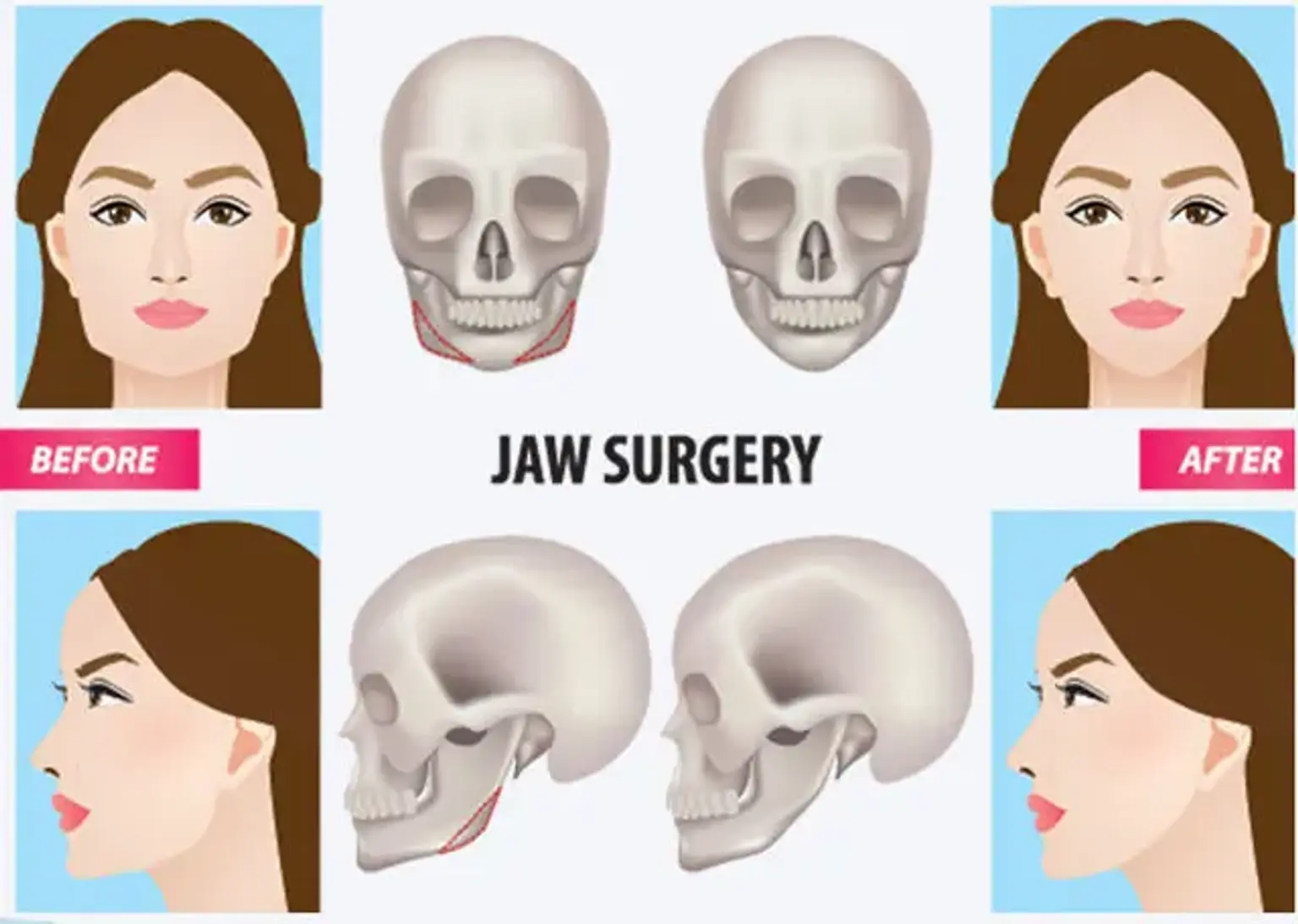
The demand for dental implants, in particular, has surged as more people opt for these permanent solutions to replace missing teeth. Similarly, corrective jaw surgery, also known as orthognathic surgery, has gained recognition for its ability to correct bite issues, improve facial appearance, and enhance overall functionality. Additionally, facial trauma surgery continues to evolve, using advanced imaging and 3D technologies to ensure precise, minimally invasive treatments.
What is Oral and Maxillofacial Surgery?
Oral and maxillofacial surgery is a specialized surgical field that focuses on both the hard and soft tissues of the mouth, jaw, face, and neck. While "oral surgery" primarily deals with procedures related to the teeth and mouth, "maxillofacial surgery" extends to the facial bones, skin, and surrounding structures.
This type of surgery addresses a wide variety of issues, including jaw misalignments, facial trauma, TMJ (temporomandibular joint) disorders, cleft lip and palate, and oral cancers. Procedures range from simple tooth extractions and dental implant placements to complex surgeries for facial reconstruction and jaw realignment.
Surgeons in this field have extensive training in both dentistry and surgical techniques, enabling them to perform intricate procedures that improve both function and appearance.
Common Conditions Treated by Oral and Maxillofacial Surgeons
Oral and maxillofacial surgeons treat various conditions, including:
Jaw Misalignment: Corrective jaw surgery (orthognathic surgery) is used to realign the upper and lower jaws, improving bite, speech, and chewing function.
Facial Trauma: Accidents or injuries may lead to fractures or deformities in the facial bones, which are repaired through maxillofacial surgery.
TMJ Disorders: TMJ surgery can help manage severe cases of temporomandibular joint dysfunction, reducing pain and improving movement.
Cleft Lip and Palate: Surgical correction of cleft lip and palate is crucial for improving both appearance and function in children born with these conditions.
Oral Cancer: Oral and maxillofacial surgeons perform surgeries to remove tumors in the mouth, jaw, and neck, followed by reconstructive procedures to restore form and function.
In addition to these conditions, oral surgeons also manage issues like impacted teeth, infections, and bone loss, ensuring patients regain optimal oral health and facial harmony.
Corrective Jaw Surgery (Orthognathic Surgery)
Corrective jaw surgery, also known as orthognathic surgery, is designed to treat misalignments in the jaw and bite. Common reasons for the procedure include overbites, underbites, or jaw-related issues caused by trauma, congenital defects, or diseases. This surgery not only improves the functionality of the jaw—helping with speech, chewing, and breathing—but also enhances facial symmetry.
The procedure is generally performed under general anesthesia, and it may require a combination of surgery and orthodontics. After surgery, patients usually wear braces for several months to achieve the desired alignment. Recovery can take several weeks, and patients may experience swelling, bruising, and discomfort during the healing period.
Wisdom Teeth Removal Surgery
Wisdom teeth, or third molars, are often extracted because they can become impacted or cause overcrowding in the mouth. Many patients experience complications such as infections, pain, or cyst formation if the wisdom teeth don't fully emerge.
The surgery is typically done under local anesthesia or conscious sedation. In some cases, general anesthesia is used, especially if all four wisdom teeth need to be removed at once. Recovery usually takes a few days, and patients are advised to rest and apply ice to reduce swelling. A soft diet and good oral hygiene are essential for proper healing, and pain can typically be managed with over-the-counter medications.
Dental Implants and Bone Grafting
Dental implants are a permanent solution for replacing missing teeth. This procedure involves the placement of a titanium post into the jawbone, which will eventually fuse with the bone in a process called osseointegration. After this healing process, a prosthetic crown is attached to the implant, creating a functional and aesthetically pleasing replacement for a missing tooth.
In some cases, bone grafting may be necessary before placing implants. If a patient's jawbone is not thick enough to support the implant, bone grafting involves adding bone material to the jawbone. This can come from the patient’s own body or synthetic materials. The healing period for bone grafting can take several months before the implant procedure can proceed, but the results provide a strong foundation for the implant.
Maxillofacial Reconstruction and Facial Trauma Surgery
Maxillofacial reconstruction is often needed after trauma, such as fractures from accidents, sports injuries, or violent events. The surgery focuses on restoring both function and appearance by repairing facial bones, tissues, and nerves. This procedure can address complex issues, such as fractures to the jaw, cheekbones, or skull, and may involve rebuilding or repositioning broken bones, as well as repairing soft tissue damage.
Advancements in 3D imaging have significantly improved the precision of facial trauma surgeries. Surgeons can now plan procedures with detailed, three-dimensional models of the patient's anatomy, which results in quicker surgeries and better post-operative outcomes. Depending on the extent of the injury, recovery time can vary from a few weeks to several months.
Maxillofacial Reconstruction and Facial Trauma Surgery
Maxillofacial reconstruction is a critical area of oral and maxillofacial surgery, focusing on repairing and restoring the function and appearance of the face and jaw after traumatic injuries. Accidents, falls, or violent impacts can cause fractures to the facial bones, leading to significant deformities and functional impairments.
Facial trauma surgery aims to realign broken bones, repair soft tissue damage, and restore symmetry to the face. This surgery often involves advanced imaging techniques, such as 3D CT scans, to plan the most precise surgical approach. In many cases, titanium plates and screws are used to stabilize fractured bones, ensuring proper healing and functionality.
Reconstructive surgery can also address congenital deformities, such as cleft lip and palate, improving both function (like speech and eating) and aesthetic appearance. The goal of facial trauma surgery is not only to restore the facial structure but also to enhance the patient's confidence and quality of life.
Innovations in Maxillofacial Surgery: 3D Imaging and Robotics
The field of oral and maxillofacial surgery has seen tremendous advancements with the introduction of 3D imaging and robotic technologies. These innovations allow for more precise and minimally invasive procedures, improving surgical outcomes and reducing recovery times.
3D Imaging has become a game-changer in pre-surgical planning. Surgeons can now create highly detailed digital models of a patient’s facial structures, including the jaw and bones, allowing for accurate simulations of the surgery. This technology provides a clearer picture of complex conditions like jaw misalignments, facial fractures, and tumors, helping surgeons devise the most effective treatment plans.
Robotic Surgery is also making strides in the field, providing enhanced precision during procedures. Robotic systems allow for smaller incisions, reducing trauma to the surrounding tissue and speeding up recovery. These systems can be especially useful in delicate surgeries such as nerve repairs or intricate bone reconstruction, where precision is critical.
Sinus Lift Surgery
Sinus lift surgery, also known as sinus augmentation, is a specialized procedure that is often performed in preparation for dental implants. This surgery is necessary when there isn’t enough bone in the upper jaw to support implants due to the proximity of the sinus cavity.
During the procedure, the surgeon lifts the sinus membrane and adds bone material to the sinus floor to create enough space for the dental implant. The bone graft may come from the patient’s own body, a donor, or synthetic materials. This surgery can take several months to heal, as the new bone must fuse with the existing bone before the implant can be placed.
For patients with insufficient bone density, a sinus lift can make dental implants possible, restoring function and aesthetics to their smile. The procedure has a high success rate, but like any surgery, it comes with potential risks, including infection or sinus issues, which are minimized with careful planning and aftercare.
Surgical Orthodontics: Combining Surgery and Braces
Surgical orthodontics is a field that combines traditional orthodontics (braces) with surgical procedures to correct severe dental and jaw misalignments that cannot be treated with braces alone. It is typically recommended for patients who have significant issues like a misaligned bite, facial asymmetry, or problems related to jaw growth.
The process begins with braces being placed on the teeth to align them. Once the teeth are positioned properly, the surgeon performs jaw surgery to reposition the upper and/or lower jaw. This procedure can help improve the bite, enhance facial appearance, and eliminate functional issues like difficulty chewing or speaking.
Surgical orthodontics is usually done in adulthood after the bones have stopped growing. The combination of braces and surgery leads to long-term, stable results, improving both the aesthetic and functional aspects of the jaw. Recovery involves some discomfort and time to heal, but the results can significantly improve the patient's quality of life.
What to Expect After Oral and Maxillofacial Surgery
After undergoing oral and maxillofacial surgery, patients can expect some discomfort and swelling, especially in the first few days. The extent of recovery depends on the complexity of the procedure, but most patients experience some pain, which can be managed with prescribed pain relievers.
For procedures like wisdom teeth removal or dental implants, swelling is common and typically peaks within the first 48 hours. Ice packs and medications prescribed by your surgeon can help manage these symptoms. It's important to follow the post-surgical instructions carefully to reduce the risk of complications, such as infection or delayed healing.
Patients are also advised to rest and limit physical activities during the initial recovery phase. A soft-food diet is usually recommended, and smoking should be avoided as it can hinder the healing process. Follow-up appointments with the surgeon are essential to monitor healing and address any concerns.
Postoperative Care for Jaw Surgery and Other Procedures
Postoperative care after jaw surgery, or any oral and maxillofacial procedure, is crucial to ensure proper healing and minimize complications. For jaw surgery, patients are typically advised to stick to a liquid or soft-food diet for the first few weeks. Chewing may be difficult initially, and the jaw may be immobilized with splints or elastic bands to ensure proper alignment.
It’s normal to experience some swelling and bruising, which usually subsides within a few days to a week. Medications prescribed by your surgeon can help with pain management and reduce inflammation. A strict oral hygiene routine is also essential to prevent infection, but patients are usually instructed on how to clean their mouths without disturbing the surgical site.
Patients should attend all follow-up appointments so the surgeon can assess healing, remove any stitches if needed, and adjust splints or bands. In some cases, orthodontic treatments may be required after jaw surgery to ensure long-term results.
Managing Pain and Discomfort After Surgery
Managing pain after oral and maxillofacial surgery is an essential part of the recovery process. Pain and discomfort are common, but they can be effectively controlled with medications. Surgeons typically prescribe pain relievers, and over-the-counter options may also be suggested for milder discomfort.
In addition to medication, applying ice packs to the face in the first 24-48 hours can help reduce swelling and numb the area, providing relief. Over-the-counter anti-inflammatory medications, like ibuprofen, can also help reduce swelling and pain, but it’s important to follow your surgeon’s instructions regarding their use.
Most patients feel better after a few days, but it’s important to rest and avoid strenuous physical activities for several weeks. Any unusual or severe pain should be reported to your surgeon immediately to rule out potential complications like infection or nerve damage.
The Role of Post-Surgical Orthodontics and Follow-up Appointments
After oral and maxillofacial surgery, especially jaw surgery, post-surgical orthodontics can play an important role in ensuring the long-term success of the procedure. Once the jaw and teeth are healed, orthodontic treatment (such as braces) may be used to perfect the alignment of the teeth and improve the bite.
Follow-up appointments with both your oral surgeon and orthodontist are essential to ensure proper healing and that the surgical goals are achieved. Your surgeon will monitor how well your jaw has healed, while your orthodontist will adjust your braces or other orthodontic devices to perfect the final outcome.
The post-surgical period can take several months, and the timeline for follow-up care will vary depending on the complexity of the surgery. These follow-up visits are critical for making necessary adjustments and ensuring that the functional and aesthetic results of the surgery are optimized.
Risks and Complications of Oral and Maxillofacial Surgery
While oral and maxillofacial surgery is generally safe, there are some risks involved, as with any surgery. Common complications include infection, bleeding, and swelling. Infection can be minimized with proper post-surgical care and the use of prescribed antibiotics.
Other potential risks include nerve damage, which can cause temporary or, in rare cases, permanent numbness or tingling in the face or mouth. There may also be issues related to anesthesia, though these are rare when administered by qualified professionals. It's essential to discuss these risks with your surgeon during the consultation to make an informed decision.
Cost of Oral and Maxillofacial Surgery
The cost of oral and maxillofacial surgery can vary depending on the complexity of the procedure and the location. Simple procedures like wisdom tooth extraction may cost a few hundred dollars, while more advanced surgeries, such as jaw realignment or facial reconstruction, can run into the thousands.
Insurance coverage for these surgeries varies as well, with many plans covering medically necessary procedures such as jaw surgery or facial trauma repair. Cosmetic procedures, however, may not be covered by insurance. It's essential to consult with your insurance provider and surgeon to understand potential out-of-pocket costs and financing options.
Choosing the Right Oral and Maxillofacial Surgeon
Choosing the right oral and maxillofacial surgeon is crucial for the success of the procedure. It's important to ensure that the surgeon is board-certified and has experience performing the specific surgery you need. A good surgeon should be able to provide clear explanations, show before-and-after photos of previous patients, and answer any questions you may have about the procedure.
Patient reviews and referrals from your dentist or other healthcare providers can also provide valuable insight into the surgeon’s expertise and patient care. Don’t hesitate to seek a second opinion if you’re unsure or uncomfortable with the proposed treatment plan.
How Oral and Maxillofacial Surgery Improves Quality of Life
Oral and maxillofacial surgery can significantly improve a patient's quality of life, both physically and emotionally. For patients with facial trauma, reconstructive surgery can restore facial aesthetics, leading to increased self-esteem and confidence. Similarly, surgeries to correct jaw misalignments can improve speech, chewing, and breathing.
In many cases, these surgeries also help eliminate chronic pain associated with TMJ disorders, jaw misalignments, or facial trauma. Additionally, dental implants can restore function to those who have lost teeth, improving both oral health and appearance. Overall, these procedures can lead to a greater sense of well-being and a better quality of life.
Conclusion
Oral and maxillofacial surgery plays a vital role in improving both the functional and aesthetic aspects of a patient’s life. From corrective jaw surgeries to dental implants, facial trauma repair, and more, this specialized field addresses a broad range of conditions that affect the mouth, jaw, and face.
While the recovery process can involve some discomfort and care, the long-term benefits, including improved appearance, better function, and reduced pain, often outweigh the challenges. Technological advancements like 3D imaging and robotic surgery have made these procedures more precise and less invasive, leading to faster recovery times and better outcomes.