Introduction
Orthodontic treatment refers to dental procedures designed to straighten teeth, correct bite issues, and improve the overall alignment of the teeth and jaw. The most common tool for achieving this is braces, which are designed to gently move teeth into the correct position over time. Whether you’re dealing with crooked teeth, gaps, or more complex issues like overbites and underbites, orthodontic treatment can improve both your smile and oral health.
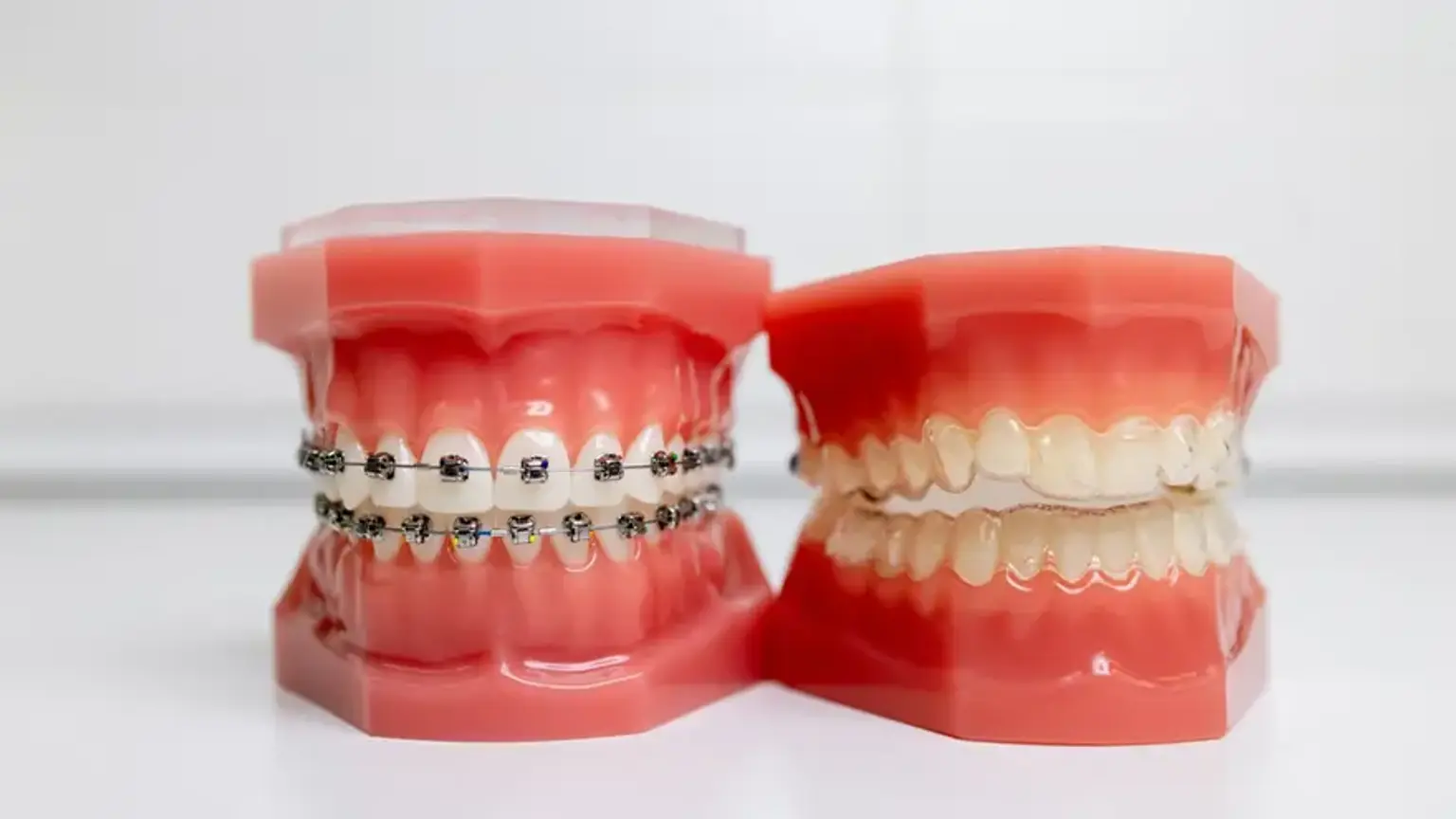
Braces not only enhance aesthetic appeal but also improve functionality by making it easier to bite, chew, and speak. As a result, orthodontic treatment plays a key role in overall dental health and self-confidence.
Types of Braces Available Today
There are several types of braces available today, each with unique features and benefits.
Traditional Metal Braces: These are the most commonly used braces, consisting of metal brackets attached to the teeth and connected by a wire. While they are noticeable, they are highly effective and often the most affordable option.
Clear Braces: Made of ceramic material, these braces are less visible than metal braces and are a popular choice for those seeking a more discreet treatment.
Invisalign (Clear Aligners): A modern alternative, Invisalign uses a series of custom-made, clear plastic aligners that gradually move teeth into place. These are removable, offering greater convenience and comfort, though they may not be suitable for all cases.
Each type of braces has its advantages, depending on factors like the severity of misalignment and personal preferences. The best choice varies for each patient, and an orthodontist will help determine the most appropriate option.
Understanding the Need for Braces
Braces are typically recommended when a patient has issues such as:
Crooked Teeth: Teeth that are out of alignment can affect both the appearance and function of your smile.
Overbite/Underbite: When the upper teeth overlap the lower teeth (overbite) or the lower teeth extend beyond the upper teeth (underbite), it can cause difficulty in chewing and speaking.
Gaps Between Teeth: Large spaces between teeth may affect the bite and cause discomfort.
Misaligned Jaw: An improper bite can lead to pain, difficulty eating, and even jaw disorders like TMJ.
If these issues are left untreated, they can lead to long-term dental problems, such as tooth decay, gum disease, and excessive wear on teeth. Braces can address these concerns by gently guiding teeth into the correct position.
How Braces Work: The Science Behind Teeth Straightening
Braces work through a simple but effective process of gradual movement. When braces are placed, they apply constant pressure on the teeth, which causes the bone around the teeth to gradually reshape. Over time, the teeth shift into a better position.
Brackets: These small squares are bonded to the teeth and hold the wire that connects all the teeth together.
Archwire: This wire runs through the brackets and applies pressure to guide the teeth into their desired positions.
Elastic Bands: Sometimes used to help with bite alignment, these bands are placed around the brackets to ensure the teeth move in the right direction.
The process is slow but steady, usually taking between 12 to 24 months for most patients, depending on the severity of the misalignment. Regular adjustments are needed to tighten the braces and keep the pressure consistent.
The Process of Getting Braces: Step-by-Step
The process of getting braces is straightforward, though it involves several steps:
Initial Consultation: During your first visit, the orthodontist will assess your dental health. This includes taking X-rays, impressions, and possibly photographs of your teeth. The orthodontist will discuss your treatment options, explain the process, and provide an estimated timeline.
Treatment Planning: Based on the assessment, the orthodontist will create a personalized treatment plan tailored to your specific needs. This includes choosing the type of braces and setting the treatment goals.
Placing the Braces: The actual process of placing braces typically takes 1-2 hours. Brackets are glued to each tooth, and an archwire is threaded through them. If you're opting for traditional braces, this part may involve attaching rubber bands and other components for added adjustment.
Follow-Up Appointments: After the braces are in place, you'll need to return to the orthodontist every 4-6 weeks for adjustments. These appointments are vital for monitoring progress and making necessary tweaks to your braces.
Duration of Braces Treatment
The length of time you will need to wear braces depends on the complexity of your dental issues. For most patients, the average treatment time is between 12 to 24 months, but it can vary.
Mild to Moderate Misalignments: Treatment may take as little as 12-18 months.
Severe Misalignments: More complex cases, such as extreme overbites or underbites, can take closer to 24 months or even longer.
Factors that influence the duration include the type of braces you choose, how well you follow the orthodontist's instructions, and how often you attend follow-up appointments. Younger patients may experience faster results, as their bones are still growing and adjusting more quickly.
Pain and Discomfort During Orthodontic Treatment
It’s normal to experience some discomfort when you first get braces and after each adjustment. Here’s what to expect:
Initial Placement: When braces are first placed, you might feel mild soreness for a few days as your mouth adjusts to the new hardware. Over-the-counter pain relievers can help manage this discomfort.
After Adjustments: As the braces are tightened during follow-up appointments, you may experience soreness for a few days afterward. This discomfort should fade quickly as the teeth begin to shift.
Managing Pain: Orthodontists recommend soft foods, over-the-counter painkillers, and orthodontic wax (for irritated areas inside the mouth) to help ease discomfort. If pain persists or if there’s any sign of complications, it's important to contact your orthodontist.
While the discomfort can be unpleasant, it’s a temporary part of the process, and it means that the braces are working to move your teeth into the correct position.
The Role of Retainers After Braces
Once your braces treatment is complete, your orthodontist will likely recommend wearing a retainer. Retainers are essential for maintaining the newly aligned position of your teeth. Without them, there’s a risk that your teeth could shift back to their original positions.
There are a few different types of retainers:
Fixed Retainers: A small wire bonded to the back of your teeth, usually placed on the lower teeth to maintain alignment.
Removable Retainers: These are clear plastic devices that you wear over your teeth, similar to Invisalign aligners. They are usually worn full-time for the first few months, then only at night.
It’s important to follow your orthodontist’s instructions regarding how long and when to wear the retainer. This helps ensure that the results of your treatment last long-term.
Cost of Orthodontic Treatment
The cost of orthodontic treatment varies widely depending on factors such as location, the severity of the dental issue, and the type of braces chosen.
Traditional Metal Braces: Typically the most affordable option, costing anywhere from $3,000 to $7,000.
Clear Braces & Ceramic Braces: These can be more expensive, ranging from $4,000 to $8,500.
Invisalign: Clear aligners tend to be pricier, with costs between $3,500 and $8,000.
Many orthodontists offer payment plans, and insurance may cover part of the cost, especially if the treatment is deemed medically necessary. It's important to discuss the financial aspects with your orthodontist before starting treatment.
Braces Maintenance and Care
Proper maintenance is crucial for ensuring your braces work effectively and that your teeth stay healthy throughout the process:
Daily Care: Brush your teeth after every meal and floss regularly to prevent plaque buildup. Special tools like interdental brushes can help clean around brackets and wires.
Food Restrictions: Avoid sticky, hard, or chewy foods that can damage the braces, such as caramel, popcorn, or hard candy.
Regular Check-Ups: Attend scheduled appointments to ensure your braces are adjusted as needed and that your teeth are progressing as expected.
By following these steps, you can avoid complications and keep your treatment on track.
Benefits of Early Orthodontic Treatment
Starting orthodontic treatment early, typically around age 7, can be beneficial. Early evaluation allows the orthodontist to identify problems before they become more complex.
Prevention of Future Issues: Early treatment can prevent more severe misalignments later on.
Shorter Treatment Times: Correcting issues early can sometimes shorten the overall treatment time.
Improved Self-Esteem: Fixing alignment issues during childhood can boost confidence, as kids won’t have to go through their teenage years with noticeable dental problems.
Early orthodontic evaluation is essential to ensure any issues are addressed before they affect the child’s long-term dental health.
Orthodontic Treatment for Adults
While orthodontic treatment is often associated with teenagers, an increasing number of adults are seeking braces. Today, braces are more discreet and comfortable than ever, making them a popular choice for adults who want to improve their smile.
Advantages for Adults: Braces can correct dental issues that were not addressed in childhood, such as overcrowding or bite problems.
Clear Options: Adults often opt for less noticeable treatments like ceramic braces or Invisalign.
Health Benefits: Aside from aesthetics, braces can improve oral health by making it easier to clean teeth and gums, which reduces the risk of gum disease.
With advancements in orthodontic technology, adults now have more treatment options and can enjoy a beautiful, functional smile at any age.
Common Myths About Braces
There are several myths surrounding braces that can cause confusion. Here are a few of the most common:
Braces are only for kids and teens: While many people get braces during their youth, adults of all ages are choosing orthodontic treatment.
Braces are painful: While some discomfort is normal, modern braces are much more comfortable than before. Pain typically lasts only for a few days after adjustments.
Braces take forever: Treatment times can vary, but with modern methods like Invisalign, treatment may take as little as 6-12 months for minor corrections.
Braces will ruin your teeth: In fact, braces help maintain oral health by improving alignment, which makes cleaning teeth easier and reduces the risk of tooth decay and gum disease.
It’s important to separate fact from fiction and consult your orthodontist to get accurate information.
Potential Risks and Complications
Like any dental procedure, braces come with potential risks, though complications are rare. Some issues to be aware of include:
Tooth Decay: If proper care is not taken, plaque buildup around the brackets can lead to tooth decay or gum disease.
Root Resorption: In rare cases, the roots of the teeth may shorten during treatment, affecting long-term tooth stability.
Discomfort or Irritation: Brackets and wires can sometimes irritate the inside of the mouth, causing temporary discomfort or sores.
Following your orthodontist’s care instructions and attending regular check-ups significantly reduces the risk of complications. Any concerns should be promptly addressed by your orthodontist.
How Braces Improve Overall Health
Braces do more than just improve the appearance of your smile; they can also benefit your overall health:
Improved Oral Hygiene: By aligning teeth, braces make it easier to brush and floss effectively, reducing the risk of gum disease and tooth decay.
Better Functionality: Correcting bite issues helps with chewing, speaking, and even breathing. A well-aligned bite reduces strain on the jaw, preventing TMJ (temporomandibular joint) problems.
Prevention of Future Dental Issues: Addressing misalignments early prevents more severe issues in the future, such as wear and tear on teeth or jaw pain.
Braces are a long-term investment in both aesthetics and overall dental health.
Global Popularity of Braces
Braces are not just popular in Western countries; they have become a global phenomenon. From Asia to Europe to North America, millions of people seek orthodontic treatment every year.
Growing Demand: As cosmetic dentistry becomes more accessible, the demand for braces has grown, particularly in countries like Brazil, South Korea, and the U.S.
Technological Advancements: Modern technologies such as Invisalign and clear ceramic braces have expanded the appeal of orthodontic treatment to a broader range of individuals.
Cultural Acceptance: In many cultures, braces are viewed as a rite of passage for teenagers, while in others, adults seeking braces are increasingly common.
The global acceptance and demand for braces highlight their widespread benefits, making them a popular choice for people worldwide.
Frequently Asked Questions (FAQs) About Braces
As with any medical treatment, there are several common questions people have about braces. Here are some frequently asked questions:
How long will I need to wear braces? The average treatment time is 12 to 24 months, but it depends on the severity of the misalignment. Your orthodontist will provide an estimate after your initial evaluation.
Will braces hurt? You may experience mild discomfort after getting braces or following adjustments. This is usually temporary and can be managed with over-the-counter pain relief.
Can I still play sports with braces? Yes! However, it’s recommended to wear a mouthguard to protect your braces and teeth from injury during sports.
What happens if I don’t wear my retainer? Not wearing your retainer after treatment can cause your teeth to shift back to their original position, potentially undoing the progress made with braces.
These FAQs can help ease some of the common concerns about braces, making the process feel less daunting.
How to Choose the Right Orthodontist
Choosing the right orthodontist is crucial to achieving the best results. Consider these factors when selecting an orthodontist:
Qualifications: Make sure the orthodontist is board-certified and has the necessary training to perform the treatment.
Experience: Look for an orthodontist with experience in the specific type of treatment you need (e.g., Invisalign or traditional braces).
Patient Reviews: Read online reviews and ask for recommendations from family and friends to ensure the orthodontist is reputable and reliable.
Treatment Options: The right orthodontist will offer a variety of treatment options and will help you select the one that’s best for your needs.
A good orthodontist will guide you through the process and make sure you’re comfortable every step of the way.
Braces for Special Needs Patients
Orthodontic treatment can be tailored to meet the needs of patients with physical or cognitive challenges. In fact, many special needs patients benefit from braces:
Children with Disabilities: Kids with conditions like Down syndrome or cerebral palsy may require special care during orthodontic treatment. The treatment can improve speech, chewing, and overall dental health.
Adults with Special Needs: Adults with developmental disabilities may also seek orthodontic treatment to correct dental problems, improve self-esteem, and enhance oral health.
Customized Treatment Plans: Orthodontists may adjust the treatment plan to accommodate specific health conditions, ensuring the patient gets the best care possible.
Orthodontists who specialize in treating special needs patients can provide personalized treatment options that address both the patient's medical and orthodontic requirements.
The Future of Orthodontic Treatment
Orthodontic treatment continues to evolve with technological advancements. The future of braces may include:
More Comfortable Materials: Newer materials will likely make braces even more comfortable and less visible, reducing the discomfort often associated with traditional braces.
Faster Treatment: Advances in treatment techniques may allow for faster and more efficient teeth alignment, cutting treatment time.
Artificial Intelligence (AI): AI could play a role in personalized treatment plans, analyzing data to predict the best course of action for each patient.
Invisible Braces: Clear aligners and ceramic braces will continue to improve, making orthodontic treatment more discreet.
The future of orthodontics is exciting, offering more options, shorter treatment times, and improved comfort for patients.
Conclusion
Orthodontic treatment, whether through traditional braces or modern alternatives like Invisalign, offers significant benefits for both dental health and aesthetic appearance. While the journey may require time, commitment, and some discomfort, the long-term rewards are undeniable. From straightening teeth and improving bite functionality to boosting self-confidence and overall oral health, braces play a vital role in shaping a better smile.
With advancements in orthodontic technology, options are now more accessible and comfortable than ever, allowing patients of all ages to achieve the smile they've always desired. Whether you're considering treatment for yourself or a child, it's important to consult with a qualified orthodontist who can guide you through the process, tailor the treatment to your needs, and ensure the best possible outcome.
Remember, the process of wearing braces is not just about cosmetic improvement, but also about improving the functionality of your teeth, reducing the risk of oral health issues, and investing in your future smile. So, take the step today toward achieving a healthier, more confident smile that lasts a lifetime!