Introduction
Orthokeratology, commonly known as Ortho-K, is a non-surgical vision correction method that uses specially designed gas-permeable contact lenses to reshape the cornea while you sleep. This allows individuals with myopia (nearsightedness), astigmatism, and even mild hyperopia (farsightedness) to see clearly without the need for glasses or daytime contact lenses.
Unlike traditional contact lenses that must be worn throughout the day, Ortho-K lenses work overnight to gently mold the cornea. When the lenses are removed in the morning, light entering the eye is properly focused onto the retina, resulting in clear vision throughout the day.
As more people seek alternative vision correction options, Ortho-K is becoming increasingly popular among children, teenagers, and adults who want to avoid glasses or refractive surgery like LASIK. It is particularly beneficial for slowing the progression of myopia in younger patients, making it an effective tool in myopia management.
What is Orthokeratology (Ortho-K)?
Orthokeratology is a specialized treatment that involves the use of rigid gas-permeable (RGP) contact lenses designed to temporarily reshape the curvature of the cornea. This process, known as corneal reshaping therapy (CRT), allows light to be correctly focused onto the retina, thereby improving vision without the need for glasses or contact lenses during the day.
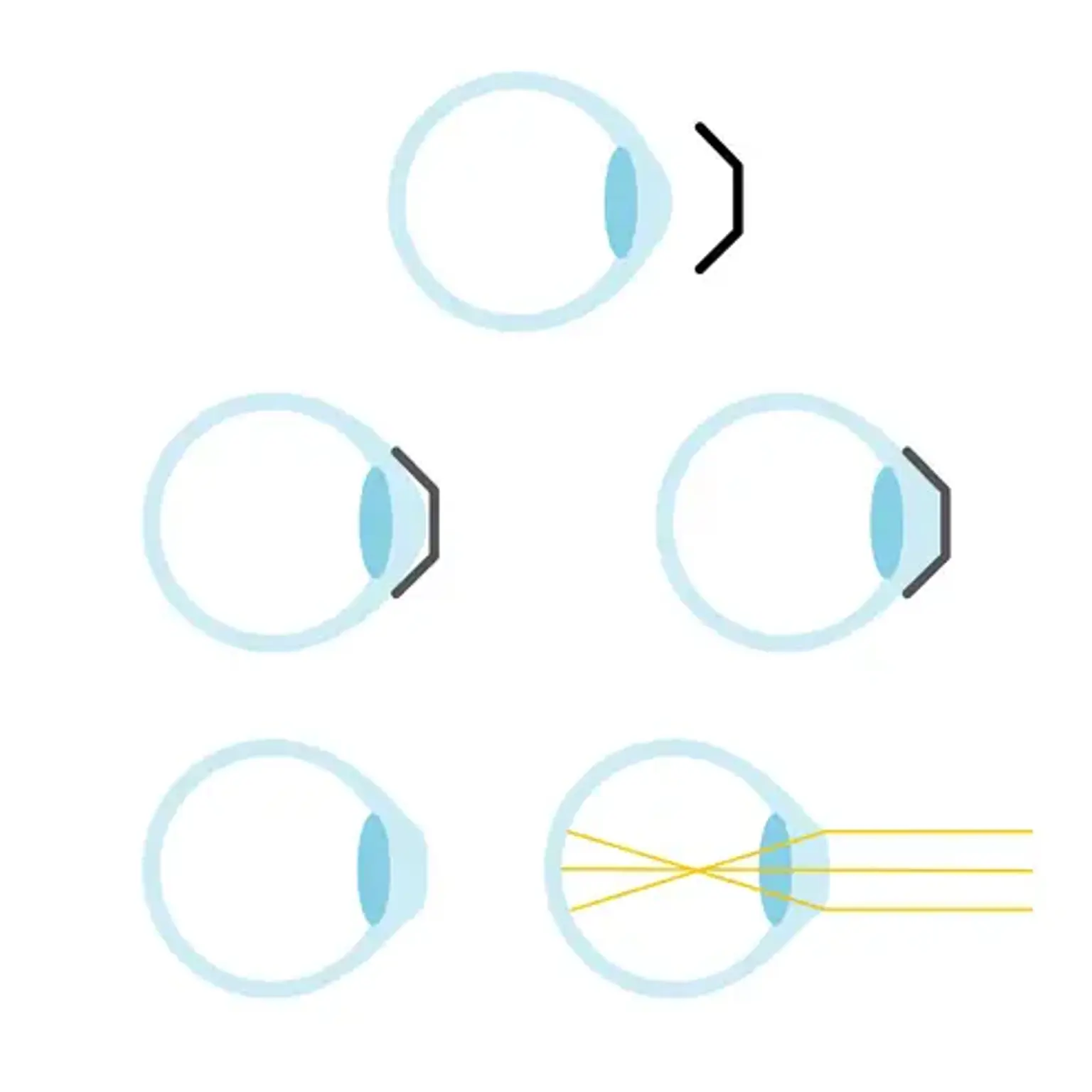
How Do Ortho-K Lenses Work?
The lenses are worn overnight and apply gentle pressure to the cornea.
By morning, the cornea has temporarily adjusted, enabling clear daytime vision.
The effect typically lasts one to two days, meaning consistent wear is necessary for maintaining results.
The U.S. Food and Drug Administration (FDA) has approved Ortho-K lenses for overnight use, confirming their safety and effectiveness when properly fitted and maintained. While originally developed for myopia correction, Ortho-K is now used for astigmatism, hyperopia, and even mild cases of presbyopia (age-related vision loss).
Who Can Benefit from Ortho-K?
Ortho-K is an ideal solution for people who:
Have mild to moderate myopia (nearsightedness) and want a non-surgical correction.
Are children or teenagers needing myopia control to slow down vision deterioration.
Are athletes or individuals with active lifestyles who find glasses or soft contact lenses inconvenient.
Work in dusty or dry environments where soft contacts may cause discomfort.
Are not eligible for LASIK due to thin corneas or other conditions.
Why Ortho-K is Recommended for Kids
One of the biggest advantages of Ortho-K is its ability to slow down myopia progression in children. Studies have shown that wearing Ortho-K lenses reduces the rate of myopia development by altering how light is focused in the peripheral retina. This makes it a preferred choice for parents looking for effective myopia control strategies for their children.
How Long Does It Take to See Results?
One of the most common questions about Orthokeratology (Ortho-K) is how quickly it provides noticeable vision improvement. The answer varies depending on factors like prescription strength, corneal rigidity, and consistency in wearing the lenses.
1. Typical Timeline for Vision Improvement
Many patients notice some improvement after the first night of wearing Ortho-K lenses.
Significant vision correction is usually achieved within one to two weeks of consistent overnight wear.
Higher levels of myopia may take a few weeks longer to stabilize fully.
2. Factors Affecting the Speed of Correction
Degree of Myopia: Individuals with mild myopia (-1.00D to -3.00D) experience faster correction, while those with moderate to high myopia may take longer.
Lens Fit & Design: A well-fitted custom Ortho-K lens ensures efficient corneal reshaping, speeding up the process.
Adherence to Wearing Schedule: Skipping nights or improper wear may delay the full effect.
Corneal Elasticity: Younger patients often experience faster adaptation due to more flexible corneas.
3. How Long Do the Effects Last?
Once the cornea is reshaped, clear vision typically lasts 24-48 hours.
If the lenses are not worn for a few nights, the cornea gradually returns to its original shape, requiring re-adaptation.
Long-term Ortho-K wear can result in more lasting effects, allowing some patients to go longer periods without lenses.
4. Real-Life Success Stories
Many Ortho-K users share positive experiences:
Children undergoing myopia control often see a significant slowdown in prescription progression.
Athletes and professionals enjoy the freedom of clear vision without glasses during the day.
People who were previously ineligible for LASIK find Ortho-K to be a safe, reversible alternative.
Safety and Risks of Ortho-K Lenses
While FDA-approved and widely considered safe, Ortho-K lenses require proper care and hygiene to avoid complications.
1. Potential Side Effects and How to Manage Them
Like any contact lens, Ortho-K may have minor side effects, but they are usually manageable with proper lens care and regular follow-ups.
Mild Discomfort or Dryness: Common in the first few days; using artificial tears can help.
Temporary Vision Fluctuations: Some patients experience halo effects or glare initially, but this typically resolves within weeks.
Corneal Staining: Occurs if the lenses are too tight or improperly fitted—adjustments can resolve this.
2. Importance of Hygiene and Proper Lens Care
Handwashing: Always wash hands before handling lenses.
Disinfection: Use recommended cleaning solutions—avoid tap water or saliva.
Lens Replacement: Follow the prescribed schedule for replacing lenses to maintain safety.
Regular Eye Check-ups: Visit your eye doctor regularly to ensure your lenses fit properly.
3. Comparing Ortho-K Risks to LASIK and Soft Contacts
LASIK Surgery: Permanent with potential complications (e.g., dry eye, corneal flap issues).
Soft Contact Lenses: Can cause dryness and irritation with prolonged wear.
Ortho-K: Reversible, non-invasive, but requires strict hygiene practices to avoid infection risks.
Ortho-K Lens Fitting Process
The process of getting fitted for Ortho-K lenses involves several key steps:
1. Comprehensive Eye Exam
An optometrist or ophthalmologist specializing in Ortho-K will conduct a thorough eye examination, which includes:
Measuring corneal curvature using corneal topography.
Assessing tear film quality to ensure the eyes can tolerate overnight lens wear.
Checking vision prescription and ruling out any conditions that may interfere with Ortho-K treatment.
2. Custom Lens Design
Each Ortho-K lens is custom-made to fit the patient's unique eye shape. The doctor uses advanced mapping technology to design a lens that will effectively reshape the cornea overnight.
3. Initial Lens Trial and Adjustment
Patients are usually provided with a trial pair of lenses to wear overnight. The next day, the doctor checks how well the cornea is responding and makes adjustments if necessary.
4. Adaptation Period
It takes a few days to a couple of weeks for most patients to achieve clear, stable vision throughout the day. During this time:
Vision may fluctuate as the cornea gradually reshapes.
Some patients may still need glasses for specific activities during the transition.
Regular follow-ups are scheduled to monitor progress and fine-tune the lenses if needed.
Comparing Ortho-K to Other Vision Correction Methods
Ortho-K is often compared to soft contact lenses, glasses, and LASIK surgery. Each option has its own advantages and disadvantages.
1. Ortho-K vs Soft Contact Lenses
Ortho-K: Provides daytime freedom from glasses or lenses.
Soft Lenses: Require daily wear, increasing risk of dry eyes and irritation.
2. Ortho-K vs LASIK Surgery
Ortho-K: Reversible, safe for children, and suitable for changing prescriptions.
LASIK: Permanent; not suitable for those with thin corneas or unstable vision.
3. Cost Differences
Ortho-K lenses cost $1,000–$2,500 per pair (replaced every 1-2 years).
LASIK surgery costs $2,000–$4,000 per eye (one-time cost but permanent).
Soft contact lenses cost $300–$700 per year but require lifetime purchases.
Verdict: Ortho-K is a great middle-ground option—it’s non-surgical, cost-effective over time, and suitable for children and adults alike.
Ortho-K for Myopia Control in Children
One of the most significant benefits of Ortho-K is its ability to slow down myopia progression in children.
1. How Ortho-K Helps with Myopia Control
Myopia (nearsightedness) is becoming a global epidemic, especially among children.
Studies show Ortho-K lenses can reduce myopia progression by 30-50% compared to regular glasses.
By reshaping the cornea, Ortho-K modifies how light enters the peripheral retina, signaling the eye to slow down elongation, reducing worsening myopia.
2. Why Pediatric Eye Doctors Recommend Ortho-K
Delays high myopia development, reducing risks of glaucoma, retinal detachment, and cataracts later in life.
Safe for kids, as it does not involve permanent surgical changes.
Boosts confidence by eliminating the need for glasses during school or sports.
3. Long-Term Benefits of Starting Early
Slower myopia progression means a lower final prescription in adulthood.
Lower prescription = fewer risks of serious eye diseases later in life.
Greater vision stability in teenage years and beyond.
Cost and Availability of Ortho-K Treatment
Ortho-K is an advanced vision correction method that requires a specialized fitting process and custom-designed lenses, making it more expensive than traditional contact lenses. However, the benefits—such as myopia control and daytime freedom from glasses—make it a valuable investment for many patients.
1. How Much Does Orthokeratology Cost?
The cost of Ortho-K varies depending on location, eye doctor expertise, and lens customization. Here’s an estimated price range:
United States: $1,000 – $2,500 per eye
United Kingdom: £800 – £1,500 per eye
Australia: AUD $1,500 – $3,000 per eye
Asia (e.g., Singapore, Hong Kong, Japan): $1,000 – $2,500 per eye
Europe: €1,200 – €2,500 per eye
The total cost includes:
Initial eye examination and corneal mapping
Custom Ortho-K lenses
Follow-up visits for adjustments
Lens replacements (every 1-2 years)
2. Factors That Influence Ortho-K Pricing
Complexity of the prescription: Higher myopia or astigmatism may require more advanced lens designs, increasing costs.
Specialist expertise: Experienced Ortho-K providers may charge more due to their advanced training and precision fitting techniques.
Geographical location: Prices in urban areas with high demand for Ortho-K tend to be higher than in rural areas.
Additional services: Some clinics offer bundled packages, including lens care kits, follow-up visits, and replacements.
3. Is Ortho-K Covered by Insurance?
In most cases, insurance does not cover Ortho-K because it is classified as an elective vision correction method. However, some vision insurance plans and Health Savings Accounts (HSA) or Flexible Spending Accounts (FSA) may offer partial reimbursement.
4. Finding a Certified Ortho-K Specialist Near You
Look for doctors certified by organizations like the American Academy of Orthokeratology and Myopia Control (AAOMC).
Ask for recommendations from eye doctors or online reviews.
Check for clinics that specialize in myopia control and corneal reshaping therapy.
Common FAQs About Ortho-K
Is Ortho-K safe for long-term use?
Yes! Ortho-K is FDA-approved for overnight wear and has been used safely for decades. However, proper hygiene and regular check-ups are essential to avoid complications.
Can Ortho-K fully cure myopia?
No, Ortho-K does not permanently cure myopia. However, it provides temporary correction and can slow down the progression of myopia in children.
How often do I need to replace Ortho-K lenses?
Most Ortho-K lenses last one to two years before needing replacement, depending on lens care and prescription stability.
Can I stop wearing Ortho-K lenses?
Yes! If you stop wearing the lenses, your cornea will gradually return to its original shape within a few days or weeks.
Who is NOT a good candidate for Ortho-K?
People with severe dry eyes, irregular corneas, or corneal diseases may not be suitable for Ortho-K. A detailed eye exam is necessary to determine eligibility.
Maintaining and Caring for Ortho-K Lenses
Ortho-K lenses are an investment in your vision, and like any specialized contact lenses, they require proper care and maintenance to ensure safety, comfort, and longevity. Taking good care of your lenses is essential to avoid complications such as infections, lens damage, or discomfort.
1. Daily Cleaning and Disinfection
Clean your lenses every night before wearing them to avoid bacteria build-up.
Use only recommended cleaning solutions that are specifically designed for rigid gas-permeable (RGP) lenses.
Rub and rinse the lenses to remove any deposits or debris.
Store the lenses in a clean case and replace the case regularly to prevent contamination.
2. Avoid Water Contact
Never expose your Ortho-K lenses to water, including:
Tap water
Swimming pools
Hot tubs
Showering with lenses in
Water can introduce bacteria or microorganisms that may lead to serious eye infections like keratitis.
3. Regular Lens Checks and Replacements
Ortho-K lenses are designed to be worn nightly and can last 1-2 years before needing a replacement. However, regular follow-up visits with your optometrist are essential to ensure the lenses remain well-fitted and your eyes are healthy.
Annual eye exams are recommended to monitor corneal health and vision stability.
Lens replacements should be made if the lenses show signs of scratching or distortion.
4. Managing Discomfort or Issues
Dryness or Irritation: If you experience dryness or discomfort during the day, use artificial tears to lubricate your eyes.
Temporary Blurriness: If you notice blurred vision, this may indicate that the lenses are not fitting properly. Contact your eye care provider to have the lenses adjusted.
Redness or Pain: If you experience persistent pain, redness, or discomfort, remove the lenses immediately and consult your eye doctor to avoid potential complications.
Ortho-K and Its Impact on Myopia Control
Ortho-K’s ability to slow down myopia progression in children is one of its most significant benefits. Myopia, or nearsightedness, has become an increasing global concern, especially among young children. As the prevalence of myopia rises, particularly in Asia, Ortho-K is increasingly being used as a myopia management tool to address this issue.
1. How Ortho-K Slows Myopia Progression
Peripheral defocus theory: Ortho-K lenses work by creating different levels of focus on the retina. This shifts the focus from the central retina to the peripheral retina, where myopic eyes tend to elongate. By altering this, Ortho-K can slow down the progression of myopia.
Studies have shown that Ortho-K slows myopia progression by 30-50% in children. This reduction in progression can result in a lower final prescription as the child grows, reducing the risk of high myopia-related complications in adulthood.
2. Benefits for Children and Teens
Safety and Reversibility: Ortho-K is a non-invasive treatment and is reversible, meaning if a child decides they no longer want to wear the lenses, their cornea will gradually return to its original shape.
Improved Quality of Life: Children no longer have to wear glasses during the day, allowing them to participate more freely in sports and outdoor activities.
Prevention of High Myopia: Children with progressive myopia are at greater risk for serious eye diseases like retinal detachment, glaucoma, and cataracts later in life. Ortho-K can reduce this risk by slowing down the elongation of the eyeball.
3. Real-World Case Studies
Case Study 1: A 10-year-old boy with -3.00D myopia was fitted with Ortho-K lenses. After one year of treatment, his myopia had progressed to -3.50D, a slower rate of progression compared to children with glasses.
Case Study 2: A 12-year-old girl with -4.50D myopia experienced a reduction in progression and maintained her prescription at -4.50D over two years, avoiding further increases in her prescription.
The Future of Ortho-K and Myopia Control
As myopia rates continue to rise globally, Ortho-K is becoming a cornerstone in myopia management, particularly for children. Research into Ortho-K’s long-term efficacy, combined with technological advancements in lens design and corneal mapping, suggests that its role will only increase in the future.
1. Technological Advancements in Ortho-K Lenses
Improved Materials: Newer materials for Ortho-K lenses offer greater oxygen permeability, enhancing comfort and corneal health.
Smarter Designs: With better corneal mapping technology, lenses are becoming even more tailored to the individual’s unique corneal shape, leading to better results and faster adaptation.
Automated Fitting Systems: The future may see more automated and precise fitting systems, improving the accuracy of lens design and reducing fitting errors.
2. Global Expansion and Accessibility
Rising Demand in Asia: Countries like China, Japan, and South Korea have seen a surge in demand for Ortho-K due to their high myopia rates.
More Research and Awareness: As more studies show the benefits of Ortho-K in myopia control, awareness is growing, and it is becoming more accessible to patients worldwide.
Integration with Other Myopia Control Methods: In the future, Ortho-K may be combined with other myopia control methods, such as atropine eye drops or multifocal lenses, to enhance results.
Conclusion
Orthokeratology (Ortho-K) offers a safe, effective, and non-invasive solution for individuals seeking to improve their vision without the need for glasses or daytime contact lenses. It is particularly effective for myopia control in children, preventing the progression of nearsightedness and reducing the risk of serious eye conditions later in life. By maintaining proper care of the lenses, undergoing regular check-ups, and following the doctor’s guidance, Ortho-K can provide significant, long-term benefits.
Whether you are considering Ortho-K for yourself or your child, it is essential to consult with an experienced Ortho-K specialist to determine if this treatment is the right option for your vision needs.