Introduction
Overview of Ovulation Disorders
Ovulation is a crucial part of the reproductive cycle. It’s the process where an egg is released from the ovary, making it available for fertilization by sperm. For women trying to conceive, ovulation is vital. However, when ovulation doesn't occur regularly or at all, it can lead to fertility issues. This condition is known as an ovulation disorder. These disorders can disrupt a woman's ability to get pregnant and can cause significant emotional and physical distress.
Ovulation disorders affect a significant portion of women worldwide and are one of the leading causes of infertility. Fortunately, advances in medical research and fertility treatments have provided effective ways to diagnose and treat these conditions, making pregnancy a possibility for many women who might have otherwise struggled.
Importance of Diagnosis and Treatment
Getting an accurate diagnosis and understanding the underlying causes of an ovulation disorder is the first step toward successful treatment. Early intervention can prevent complications and increase the likelihood of conceiving. With the right treatment plan, many women can resume normal ovulation, while others may find assisted reproductive technologies, such as in-vitro fertilization (IVF), to be a viable option.
While ovulation disorders can be concerning, it’s important to remember that with modern treatments and support, there are numerous pathways to treatment. The global rise in awareness and understanding of these disorders has made it easier than ever to access the right care.
Understanding Ovulation Disorders
What Is Ovulation Disorder?
An ovulation disorder occurs when a woman’s ovaries fail to release eggs regularly, making it difficult or impossible to get pregnant. Ovulation disorders are often categorized by whether or not ovulation occurs (anovulation vs. irregular ovulation) and the hormonal or structural causes behind the dysfunction.
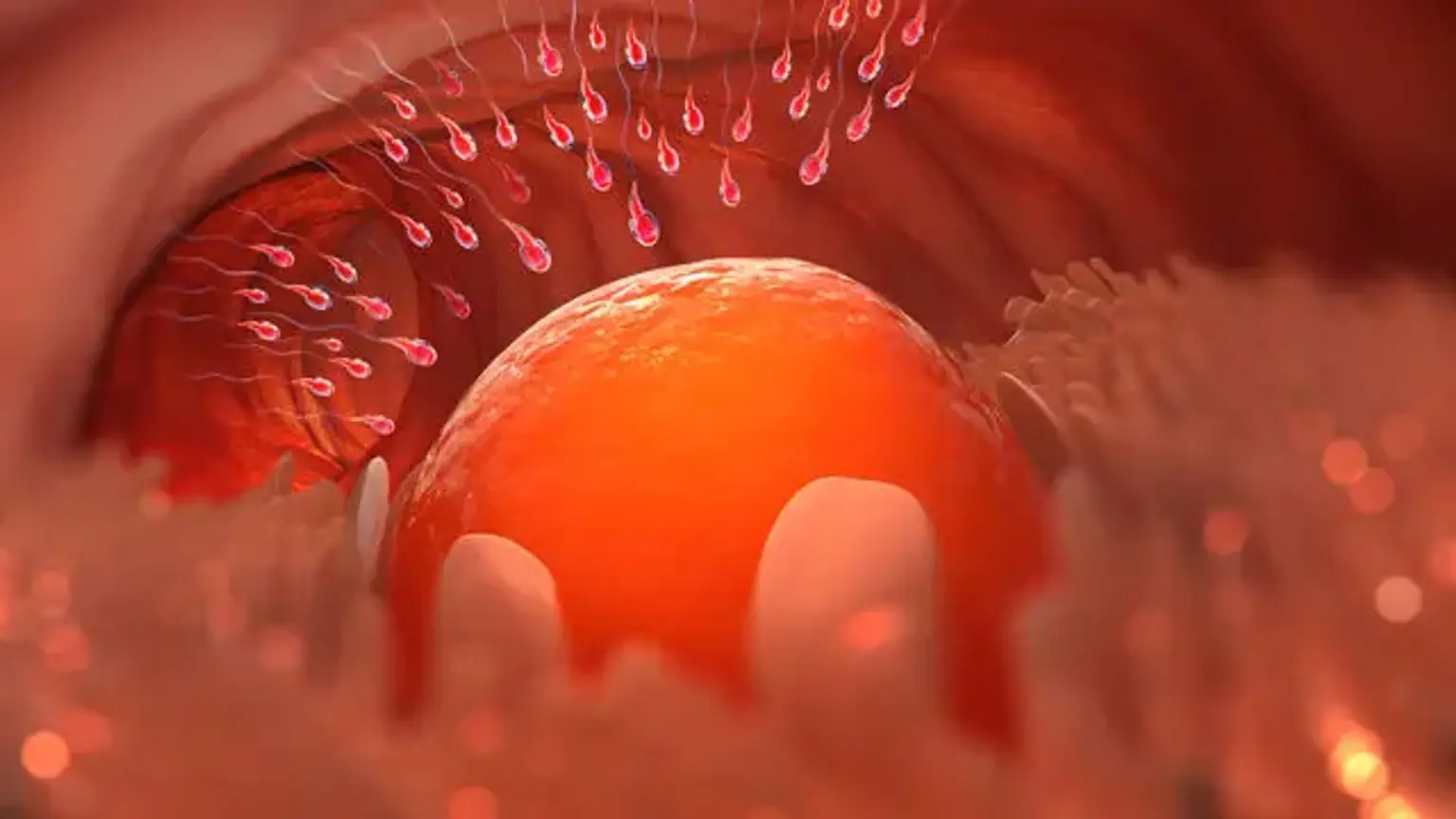
Anovulation: This is the absence of ovulation altogether. Without ovulation, no egg is available for fertilization, leading to infertility. Anovulation is most often caused by hormonal imbalances, such as those seen in conditions like PCOS (Polycystic Ovary Syndrome).
Irregular Ovulation: This condition occurs when ovulation does happen, but it’s irregular or inconsistent. Women may experience missed periods, long cycles, or cycles that are too short. While ovulation may happen intermittently, the irregularity can make conception difficult.
Understanding these differences is essential for determining the correct course of treatment, which can vary based on the specific type of ovulation disorder.
Common Causes of Ovulation Disorders
Several factors can lead to ovulation disorders. Some of the most common causes include:
Hormonal Imbalances: The hormonal signals that regulate ovulation can become disrupted due to various conditions, such as thyroid disorders or problems with the pituitary gland. These imbalances can cause either complete anovulation or irregular ovulation.
Polycystic Ovary Syndrome (PCOS): One of the most common causes of anovulation, PCOS affects about 5-10% of women of reproductive age. Women with PCOS often have elevated levels of male hormones, which can prevent the ovaries from releasing eggs.
Endometriosis: This condition occurs when tissue that normally lines the inside of the uterus grows outside of it. Endometriosis can impact the ovaries, fallopian tubes, and other parts of the reproductive system, often leading to infertility.
Stress and Lifestyle Factors: Physical or emotional stress can influence hormone levels, making ovulation irregular. Excessive weight gain or loss, excessive exercise, and poor diet can also interfere with the body's ability to ovulate regularly.
Other Medical Conditions: Conditions such as hyperprolactinemia (high levels of the hormone prolactin), obesity, or diabetes can also contribute to ovulation disorders.
Symptoms of Ovulation Disorders
The most obvious symptom of an ovulation disorder is difficulty getting pregnant. However, other symptoms can indicate the presence of ovulation issues, including:
Irregular or Absent Menstrual Periods: An irregular cycle, missed periods, or periods that are excessively heavy or light can be a sign that ovulation is not occurring normally.
Difficulty Conceiving: Women who are trying to conceive but have difficulty doing so may be experiencing ovulation problems. In fact, ovulation disorders are one of the most common causes of female infertility.
Hormonal Symptoms: Increased acne, excessive hair growth (hirsutism), and thinning hair can all be signs of a hormonal imbalance that is preventing normal ovulation.
Painful Periods or Ovulation: Women may experience pelvic pain or discomfort that is associated with irregular or abnormal ovulation.
Recognizing these symptoms early can lead to more effective treatment and better fertility outcomes.
Treatment Options for Ovulation Disorders
Lifestyle Changes and Management
For many women, lifestyle changes can improve ovulation and fertility. Here are some lifestyle recommendations:
Balanced Diet and Exercise: Maintaining a healthy weight is crucial for hormone regulation. Excessive weight can interfere with ovulation, while being underweight can also disrupt the menstrual cycle. A diet rich in fruits, vegetables, and whole grains, along with regular moderate exercise, can help regulate hormones and improve fertility.
Stress Management: Since stress can interfere with ovulation, practicing relaxation techniques such as yoga, meditation, or deep breathing exercises may help balance hormone levels and encourage regular cycles.
Avoiding Toxins: Exposure to environmental toxins, like those found in some household products and pesticides, has been linked to fertility problems. Reducing exposure to these toxins can improve reproductive health.
Medications for Ovulation Disorders
If lifestyle changes are insufficient, medications are often the next step. Several drugs are available to stimulate ovulation:
Clomiphene Citrate (Clomid): One of the most commonly used drugs for inducing ovulation, Clomid works by blocking estrogen receptors in the brain, prompting the body to release hormones that stimulate ovulation. It’s commonly used for women with PCOS or irregular cycles.
Letrozole (Femara): Originally used to treat breast cancer, Letrozole is now also used to stimulate ovulation, especially in women with PCOS. It works by lowering estrogen levels, which prompts the release of FSH and LH, encouraging the ovaries to produce eggs.
Gonadotropins: These injectable hormones (FSH and LH) can stimulate the ovaries to produce multiple eggs and are often used for women who do not respond to oral medications.
Metformin: For women with PCOS, Metformin, a medication used to manage type 2 diabetes, can help improve insulin sensitivity and restore normal ovulation.
Success Rates and Considerations
Success Rates of Ovulation Disorder Treatments
When it comes to treating ovulation disorders, the success rates can vary depending on the treatment used, the underlying cause of the disorder, and individual factors such as age and overall health. Here’s a breakdown of success rates for common treatments:
Clomiphene Citrate (Clomid): For women with anovulation or irregular ovulation, Clomid is often the first line of treatment. Around 70% of women who take Clomid will ovulate successfully. Of those who ovulate, approximately 40-45% will conceive within 6 months, depending on other factors like age and the quality of the partner’s sperm.
Letrozole (Femara): Studies suggest that Letrozole may be slightly more effective than Clomid for women with PCOS. Roughly 80% of women using Letrozole will ovulate, and around 30-40% of women will conceive in the first year of treatment.
Gonadotropins: This treatment is often used for women who don’t respond to oral medications. Gonadotropins are generally more effective, with a 60-70% ovulation rate. The success rate for conception after using gonadotropins is higher compared to Clomid, especially when combined with intrauterine insemination (IUI).
In-Vitro Fertilization (IVF): For women with severe ovulation disorders or other fertility issues, IVF may be necessary. The success rate of IVF varies widely, but for women under 35, it can range from 40-50%. However, this drops with age, with women over 40 having lower success rates.
While success rates are promising for many women, it’s essential to understand that fertility treatments may take time. The process can be emotional and physically demanding, so support from healthcare providers, family, and friends is critical.
Risks and Side Effects of Treatments
Each treatment for ovulation disorders comes with its own set of risks and side effects:
Clomiphene Citrate (Clomid): While Clomid is generally safe, it can cause side effects like hot flashes, mood swings, nausea, and headaches. Some women may experience ovarian cysts or multiple pregnancies (twins or more), as Clomid can sometimes stimulate the ovaries to release more than one egg.
Letrozole (Femara): Side effects of Letrozole are similar to Clomid and include hot flashes, fatigue, and headaches. The risk of multiple pregnancies is also present, though it is typically lower with Letrozole compared to Clomid.
Gonadotropins: Gonadotropins have a higher risk of causing ovarian hyperstimulation syndrome (OHSS), a condition where the ovaries become swollen and painful. Multiple pregnancies are also more common with gonadotropins, especially when combined with IUI.
In-Vitro Fertilization (IVF): IVF carries the risk of OHSS, especially if gonadotropins are used to stimulate the ovaries. IVF also has emotional and physical costs, and there’s the possibility of multiple pregnancies (although many clinics now transfer only one embryo at a time to reduce this risk). The psychological strain of IVF can be significant, particularly if the cycle is unsuccessful.
Costs and Accessibility
The cost of treatment for ovulation disorders varies significantly, depending on the country, healthcare system, and specific treatment options:
Clomid and Letrozole: These medications are relatively inexpensive, with Clomid costing around $10-$100 per cycle. Letrozole can be a bit more expensive, ranging from $30-$200 per cycle. These treatments are often covered by insurance, though this depends on your policy.
Gonadotropins: Injectable gonadotropins can be costly, with each cycle typically ranging from $1,500 to $4,000, not including additional costs like ultrasounds, blood tests, or IUI. Insurance coverage can vary, so it’s important to check your policy.
In-Vitro Fertilization (IVF): IVF is one of the most expensive fertility treatments, with costs ranging from $12,000 to $15,000 per cycle in the U.S. This price can increase with the use of donor eggs, genetic testing, or multiple cycles. Many clinics offer payment plans or financial assistance programs, but IVF is still inaccessible for many without insurance coverage.
Global Accessibility: In countries with robust healthcare systems, treatments for ovulation disorders may be covered by insurance or government health programs. However, in developing countries or places with limited access to fertility care, the cost of IVF or other treatments can be prohibitively expensive, and many women may not have access to these treatments.
Women in low-income regions often rely on lifestyle changes or medications like Clomid or Letrozole, which are more affordable. However, accessibility remains a challenge in many parts of the world, leading to disparities in fertility care.
Diagnosing Ovulation Disorders
Medical Consultation and History
The first step in diagnosing an ovulation disorder is to see a healthcare provider, typically an OB-GYN or fertility specialist. During the consultation, the doctor will take a detailed medical history, including menstrual cycle patterns, past health issues, and any relevant family history of fertility problems.
Your doctor may ask about lifestyle factors such as weight changes, stress levels, exercise habits, and dietary habits. Understanding these details can help pinpoint potential contributing factors. In many cases, this is all the information needed to begin treatment, especially if a clear condition like PCOS is suspected.
Tests and Diagnostic Tools
Once your healthcare provider has a good understanding of your health history, they will likely order several tests to confirm the diagnosis of an ovulation disorder:
Blood Tests: Hormonal imbalances are a common cause of ovulation disorders. Blood tests can measure hormone levels such as progesterone, follicle-stimulating hormone (FSH), luteinizing hormone (LH), and thyroid hormones. Elevated or suppressed levels of these hormones can signal a dysfunction in the ovulatory cycle.
Ultrasound: A pelvic ultrasound may be used to visualize the ovaries and uterus. This can help identify conditions like ovarian cysts or abnormalities in the structure of the reproductive organs. An ultrasound can also show the development of follicles in the ovaries, which is important for tracking ovulation.
Basal Body Temperature (BBT) Charting: Some women track their basal body temperature, which is the body's temperature at rest. A slight rise in temperature after ovulation can confirm that ovulation has occurred. Tracking BBT over a few months can help identify patterns of ovulation.
Ovulation Predictor Kits (OPKs): These over-the-counter tests can detect the surge in luteinizing hormone (LH) that occurs right before ovulation. While these are helpful, they may not be enough alone to diagnose an ovulation disorder.
Advanced Diagnostics
In some cases, additional diagnostic tests may be needed to confirm the presence of underlying conditions that might contribute to ovulation dysfunction:
Laparoscopy: This minimally invasive surgery can help diagnose conditions like endometriosis, which can interfere with ovulation. It involves inserting a camera into the pelvic area to look at the ovaries, fallopian tubes, and uterus.
Hysterosalpingography (HSG): This X-ray procedure involves injecting dye into the uterus and fallopian tubes to look for blockages or abnormalities. It’s especially useful if there is a concern about the fallopian tubes, which can be affected by infection or scarring.
Global Outlook on Ovulation Disorders
Prevalence of Ovulation Disorders Worldwide
Ovulation disorders are a significant cause of infertility worldwide, with studies suggesting that approximately 25-30% of women experiencing infertility have issues related to ovulation. The prevalence of ovulation disorders, particularly PCOS, varies by region, with higher rates seen in countries with higher obesity rates.
PCOS (Polycystic Ovary Syndrome): This condition is the most common cause of anovulation. It is estimated that around 5-10% of women of reproductive age globally have PCOS, although many go undiagnosed. Women with PCOS may struggle with irregular ovulation or anovulation, and they are at higher risk for other health issues like diabetes and heart disease.
Other Conditions: Endometriosis and thyroid disorders also contribute to ovulation dysfunction, though their prevalence is less well-documented. Many women with these conditions may experience delayed diagnosis, further complicating their ability to conceive.
Advancements in Ovulation Disorder Treatments
Recent advancements in the treatment of ovulation disorders have improved success rates and broadened the range of options available to women. For example, the development of Letrozole as an ovulation induction drug has given women with PCOS a better chance at conception, as it appears to have fewer side effects than Clomid.
Additionally, fertility treatments like IVF have advanced significantly. The use of genetic testing (PGT) during IVF allows for more personalized treatment and better selection of healthy embryos, increasing the chances of successful pregnancy. Moreover, improved IVF protocols and embryo freezing techniques have enhanced the outcomes of assisted reproductive technologies, making pregnancy more achievable for women with ovulation disorders.
Ovulation Disorder Treatment Accessibility in Developing Countries
While advancements in treatment have improved the success rates for women with ovulation disorders, the accessibility of these treatments remains a significant issue, especially in developing countries. In low-resource areas, many women may not have access to the advanced diagnostics, medications, or fertility specialists necessary to treat ovulation problems effectively.
Initiatives like government-backed fertility awareness programs, low-cost fertility clinics, and global outreach efforts are helping to improve access to care. However, many women still face barriers such as high treatment costs, lack of infrastructure, and cultural stigmas surrounding infertility.
As global awareness increases and fertility treatment options become more widely available, the hope is that women everywhere will have better access to the care they need to manage ovulation disorders and conceive.
Psychological and Emotional Impact of Ovulation Disorders
Emotional Toll of Ovulation Disorders
Dealing with an ovulation disorder can take a significant emotional toll on women, especially when trying to conceive. Many women who struggle with ovulation issues often face feelings of frustration, sadness, guilt, and isolation. The uncertainty about their ability to have children, combined with the challenges of treatment, can create stress and emotional exhaustion.
Frustration and Anxiety: The journey to conceive can become a long, uncertain process when ovulation is irregular or absent. This can lead to anxiety about the future and worry over not being able to become pregnant. The added pressure of needing to time treatments like Clomid or IVF correctly can exacerbate stress.
Feelings of Guilt or Inadequacy: Women with ovulation disorders often struggle with feelings of inadequacy, as they may feel "broken" or guilty about not being able to conceive naturally. These emotions can be compounded by societal expectations of women’s fertility, leading to self-blame.
Stress on Relationships: The strain of infertility can also impact relationships with partners. Couples may experience frustration or disconnect if one partner feels unable to contribute to the conception process, and communication about treatment options may become tense. The emotional burden of infertility can lead to relationship strain, making open communication and support vital.
Coping Strategies and Mental Health Support
Given the significant emotional challenges that come with ovulation disorders, seeking mental health support is crucial. Many fertility clinics now offer counseling services to help couples navigate the emotional rollercoaster of infertility. In addition to professional therapy, the following coping strategies can help manage the emotional toll:
Building a Support System: Support from family, friends, and fertility support groups can provide comfort and reassurance. Connecting with others who are going through similar experiences can help women feel less isolated and more empowered.
Self-Care Practices: Managing stress through mindfulness techniques, yoga, and exercise can help maintain emotional well-being. Ensuring adequate rest and maintaining a healthy lifestyle are important aspects of managing both physical and emotional health.
Open Communication with Partners: Couples dealing with ovulation disorders should maintain open communication. Sharing emotions, discussing fears, and supporting each other throughout the treatment process are key to strengthening the relationship during such a stressful time.
Fertility Counseling and Psychological Support
Fertility counseling provides a safe space to discuss the emotional and psychological challenges that accompany infertility treatments. A counselor can help individuals or couples explore their feelings and guide them in coping with the ups and downs of fertility treatments. Fertility counselors can also provide resources for coping with the emotional aspects of IVF cycles, including the possibility of failure.
Preventing Ovulation Disorders
Can Ovulation Disorders Be Prevented?
While not all ovulation disorders are preventable, there are steps women can take to reduce the risk of developing these conditions, particularly those that are influenced by lifestyle and environmental factors.
Healthy Weight and Nutrition: Maintaining a healthy weight through proper diet and exercise is crucial. Both underweight and obesity can disrupt hormonal balance and interfere with ovulation. A balanced diet rich in fruits, vegetables, and lean proteins can help regulate the body’s hormones.
Managing Stress: Chronic stress can lead to hormonal imbalances that interfere with ovulation. Practicing stress-reducing activities such as yoga, meditation, or engaging in hobbies can help manage stress levels and promote overall health.
Regular Medical Check-Ups: Women should regularly monitor their reproductive health through check-ups with their healthcare provider. Early detection of conditions such as PCOS or thyroid disorders allows for timely intervention and treatment.
Avoiding Toxins: Environmental toxins, such as those found in pesticides and household chemicals, can disrupt hormone levels and potentially lead to fertility issues. Using natural cleaning products and avoiding exposure to harmful substances can support hormonal health.
Early Intervention for Health Issues: Managing underlying health conditions like diabetes, high blood pressure, and thyroid disorders is essential for reproductive health. Early intervention and treatment can prevent these conditions from interfering with ovulation.
Conclusion
Ovulation disorders can be challenging, but with the right diagnosis, treatment, and emotional support, women can regain control over their reproductive health and increase their chances of conceiving. Advances in medical treatments have opened up numerous possibilities for women struggling with ovulation issues, offering hope where there once was uncertainty.
Understanding the causes and symptoms of ovulation disorders, seeking proper medical care, and making informed decisions about treatment options are key to navigating this journey. While the road to conception may not always be easy, the combination of effective treatments, lifestyle changes, and mental health support can make the process more manageable.
Women dealing with ovulation disorders should know they are not alone in this struggle. With growing awareness, research, and compassionate care, there is every possibility of achieving successful pregnancy. It’s crucial to keep hope alive and embrace the support systems available, as many women with ovulation disorders go on to become mothers, fulfilling their dreams of parenthood.