Introduction
Pediatric bone fractures are common injuries that occur when a child’s bone is broken due to an impact, fall, or accident. Since children's bones are still developing, they often heal faster than adult bones, but the treatment approach can differ. Early diagnosis and proper treatment are essential to prevent complications and ensure full recovery. In many parts of the world, pediatric fracture treatment has improved significantly, with advanced techniques and specialized care available to minimize long-term effects.
Understanding Pediatric Bone Fractures: Types and Causes
Bone fractures in children can occur from a variety of activities, from playground falls to sports injuries. The most common types of pediatric fractures include:
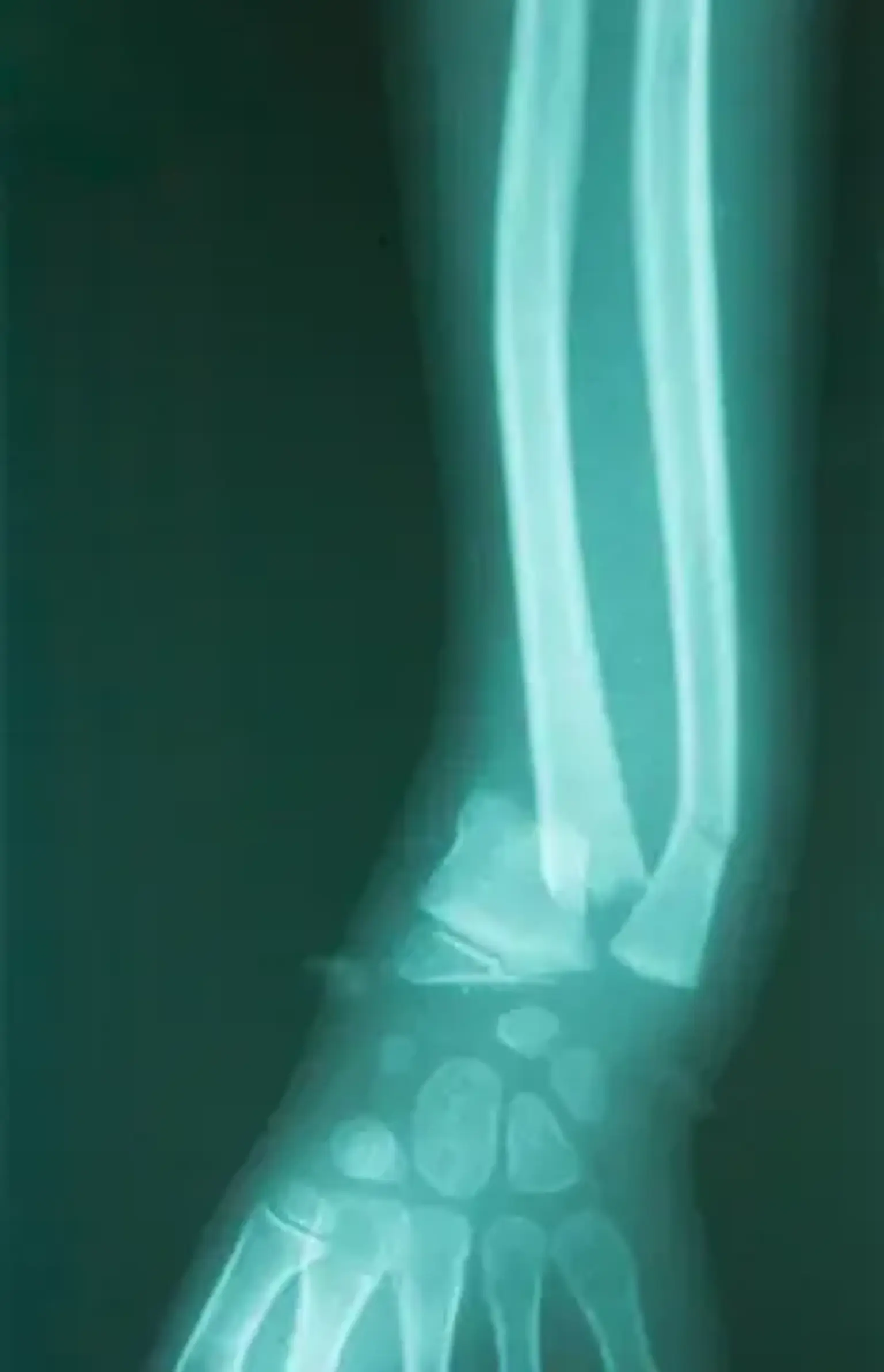
Greenstick Fracture: The bone bends but doesn’t completely break, similar to how a green twig bends.
Buckle (Torus) Fracture: A compression fracture often seen in younger children, where one side of the bone is compressed and bulges.
Growth Plate Fracture: These fractures affect the areas where bone growth occurs and can potentially impact the child’s future bone development.
The primary causes of these fractures are trauma (like falls or accidents), sports injuries, and repetitive stress, especially in active children and young athletes.
Pediatric Fracture Diagnosis: How Doctors Identify Bone Breaks in Children
When a child sustains a possible bone fracture, an orthopedic specialist will conduct a physical examination to assess pain, swelling, and the ability to move the affected limb. X-rays are the most common diagnostic tool used to confirm fractures and determine the type and severity. In some cases, MRI or CT scans may be used for more complex fractures or those near growth plates.
Pediatric orthopedic specialists play a critical role in ensuring an accurate diagnosis and appropriate treatment plan. Their experience with children's growing bones helps avoid complications like improper healing or growth issues.
Treatment Options for Pediatric Bone Fractures
Treatment for pediatric fractures varies depending on the fracture type and location:
Non-surgical treatment: For many fractures, a cast or splint is enough to immobilize the bone and allow it to heal naturally. This method is common for simple fractures or fractures in non-weight-bearing bones.
Surgical treatment: In more complex cases, surgery may be required to realign the bone or repair the fracture. Pediatric orthopedic surgeons use minimally invasive techniques when possible to reduce recovery time and complications.
In both cases, the goal is to ensure that the bone heals correctly and does not affect the child’s growth. Post-treatment care, including follow-up visits, is essential to monitor healing progress and make adjustments if necessary.
Recovery Time for Pediatric Fractures: What to Expect
Recovery time for pediatric fractures depends on the type of fracture and the child’s age. Generally, simple fractures may take 3-6 weeks to heal, while more complex fractures can require longer. Younger children tend to heal faster than teenagers due to their actively growing bones. During recovery, rest is essential, and the child should avoid activities that could strain the fractured bone.
Parents can expect follow-up appointments to monitor healing progress. A pediatric orthopedic specialist will typically adjust the cast or splint and may recommend physical therapy if needed to restore strength and mobility once the bone has healed.
Stages of Bone Healing in Children
Bone healing occurs in distinct stages:
Inflammatory stage: Right after the fracture, blood clots form at the break site to protect the bone. This typically lasts for a few days.
Reparative stage: The bone begins to regenerate. Soft tissue and cartilage form around the fracture, eventually turning into bone. This stage lasts several weeks.
Remodeling stage: Over months, the new bone is reshaped to its original form. In children, this process is faster due to the active growth of bone cells.
The healing process is generally quicker in children than adults, but it still requires careful monitoring to ensure proper alignment and avoid complications.
Risks and Complications of Pediatric Fractures
While fractures in children typically heal well, there are some risks to be aware of:
Infection: This can occur, especially in fractures requiring surgery. Proper care and hygiene are crucial.
Growth plate injuries: Damage to the growth plate can lead to bone deformities or affect bone growth, which is why these fractures require special attention.
Delayed healing or malunion: If a bone doesn’t heal properly, further treatment may be needed.
To minimize these risks, it’s essential for children to receive care from experienced pediatric orthopedic specialists who can provide personalized treatment plans and close monitoring.
Fracture Prevention in Children: Tips for Parents
Preventing pediatric fractures involves safety and education:
Use protective gear: For children involved in sports, ensure they wear appropriate safety gear such as helmets, knee pads, and elbow pads.
Encourage safe play: Supervise children during physical activities and avoid overly risky play that may lead to falls or accidents.
Promote bone health: Ensure children get sufficient calcium and vitamin D for healthy bone development. Regular exercise also strengthens bones and reduces the risk of fractures.
By implementing these preventative measures, parents can help reduce the likelihood of their child experiencing a bone fracture.
The Role of Pediatric Orthopedic Care in Long-Term Fracture Management
Pediatric orthopedic specialists play a crucial role in the long-term management of bone fractures. After the initial treatment, ongoing care is necessary to ensure that the bone heals correctly, and growth is not affected. Pediatric orthopedic care involves:
Monitoring healing: Specialists track the progress of the fracture with regular follow-up visits to adjust treatment if necessary.
Growth plate protection: Special attention is given to fractures involving the growth plate to ensure that the bone develops normally.
Rehabilitation: In some cases, physical therapy may be needed to restore strength, flexibility, and mobility once the bone has healed.
The goal is not just to heal the fracture but to promote optimal growth and development for the child.
What to Expect During Pediatric Fracture Treatment
When seeking treatment for a pediatric bone fracture, parents can expect several steps to ensure the child’s well-being:
Initial consultation: The orthopedic specialist will conduct an exam, take X-rays, and discuss the best treatment options. For minor fractures, non-surgical methods like casting may be recommended.
Cast/splint application: If non-surgical treatment is appropriate, a cast or splint will be applied. The child may need to wear it for several weeks, depending on the type of fracture.
Post-treatment care: After the bone is healed, the doctor will remove the cast and may suggest rehabilitation exercises to restore function.
Throughout the process, the medical team ensures that the child is as comfortable as possible, explaining the steps to both the child and parents to reduce anxiety.
Real-Life Examples: Successful Fracture Recoveries in Children
Numerous success stories highlight the positive outcomes of pediatric fracture treatment. For example, a young soccer player might suffer a broken arm during a game. After seeing a pediatric orthopedic specialist, the child is treated with a cast. With proper care and rest, the arm heals in just a few weeks, and the child returns to playing sports without complications.
Another case could involve a child with a growth plate fracture who undergoes surgical treatment to realign the bone. With consistent follow-up care, the child recovers fully and continues to grow without any permanent damage to their bone structure.
These examples showcase how early intervention and expert care lead to positive results, restoring both physical function and emotional well-being.
Safety Protocols and Pediatric Fracture Treatment Guidelines
When treating pediatric fractures, hospitals and clinics follow strict safety protocols to ensure the child’s safety:
Infection prevention: For surgical fractures, sterilization and proper wound care minimize the risk of infection. This is especially important in children, whose immune systems may be more vulnerable.
Pain management: Pain relief is a priority. Pediatric fracture treatment includes the use of appropriate medications to ensure the child is comfortable throughout the recovery process.
Patient-centered care: Pediatric care teams focus on the child’s emotional well-being, making sure the child is at ease during treatment. This may involve explaining procedures in child-friendly language, using distractions, or offering comforting support.
Pediatric hospitals and clinics ensure that treatment aligns with the latest clinical guidelines to guarantee the highest level of care for children with fractures.
The Global Popularity of Pediatric Bone Fracture Treatments
Pediatric bone fracture treatment has gained significant attention and improvement worldwide, thanks to advancements in medical technology and care practices. In countries with advanced healthcare systems, such as the United States, the United Kingdom, and Japan, specialized pediatric orthopedic care is widely available, with top-tier hospitals providing comprehensive services for fracture diagnosis, treatment, and rehabilitation.
However, in some developing regions, access to specialized care can be limited. Despite these challenges, global health organizations are working to improve access to pediatric fracture treatment, offering training to local healthcare providers and donating equipment to underserved areas. The popularity of pediatric orthopedic services continues to grow, as more parents recognize the importance of specialized care for their children’s bone health.
How Pediatric Orthopedic Surgeons Ensure Safe Recovery
Pediatric orthopedic surgeons are highly trained to handle fractures in children, using techniques tailored to the unique needs of growing bones. Their specialized knowledge ensures a safe and effective recovery for pediatric patients. Surgeons use:
Minimally invasive surgery: For more severe fractures, pediatric surgeons often perform minimally invasive procedures that require smaller incisions. This approach reduces the risk of complications, speeds up recovery, and minimizes scarring.
Growth plate preservation: Special attention is given to fractures that affect the growth plate, ensuring that the bone heals correctly and the child’s future development isn’t impacted.
Post-surgical rehabilitation: Following surgery, children are often given a rehabilitation plan that includes physical therapy and exercises designed to restore movement, strength, and flexibility.
The expertise of pediatric orthopedic surgeons ensures that children receive the best possible care, with an emphasis on safety and a quick return to normal activities.
Challenges and Innovations in Pediatric Fracture Treatment
While pediatric fracture care has advanced significantly, several challenges remain:
Complex fractures and growth plate injuries: These types of injuries require careful management to avoid long-term consequences, such as impaired growth or deformity.
Access to care: In some parts of the world, there is limited access to specialized pediatric orthopedic care, leading to delays in treatment and potential complications.
However, there have also been remarkable innovations in pediatric fracture treatment:
3D imaging and surgical planning: New technologies, such as 3D imaging, help surgeons create precise treatment plans for complex fractures.
Biodegradable implants: In some cases, biodegradable implants are used in pediatric orthopedic surgery, reducing the need for a second surgery to remove hardware once the bone has healed.
Faster healing techniques: Advances in bone healing technologies, such as ultrasound therapy, have been shown to speed up the recovery process in some cases.
These innovations are helping pediatric patients recover faster, with fewer complications, and improving long-term outcomes.
How Pediatric Bone Fracture Treatment Enhances a Child's Quality of Life
Effective pediatric bone fracture treatment plays a significant role in improving a child’s quality of life. When fractures are treated promptly and appropriately, children can return to their normal activities, including school, sports, and social interactions, more quickly. This recovery boosts their physical and emotional well-being, allowing them to regain confidence and avoid the frustrations that come with long-term disability.
Additionally, when a child receives specialized care that prioritizes their growth and development, there is less risk of lasting physical impairment. By ensuring that the bone heals properly, parents can rest assured that their child will not face long-term consequences from the injury.
Costs and Accessibility of Pediatric Fracture Treatment
The cost of pediatric fracture treatment varies widely depending on the severity of the injury, the type of treatment required, and the healthcare system in place. In developed countries, treatment costs may include X-rays, consultations, casts, or surgeries, with pediatric orthopedic care often covered by insurance.
However, in some areas, access to specialized pediatric care can be limited due to cost or location. Parents may face significant out-of-pocket expenses for treatment, and in remote regions, children may not have immediate access to an orthopedic specialist. Global health initiatives are working to reduce these disparities by providing training and resources to underserved communities.
Ensuring equitable access to quality fracture care is essential for improving outcomes in children worldwide.
FAQs About Pediatric Bone Fracture Treatment
Here are some common questions parents may have about pediatric bone fracture treatment:
How can I tell if my child has a fracture?
Symptoms of a bone fracture include pain, swelling, bruising, and an inability to move or use the affected limb. If you suspect a fracture, seek medical attention immediately for a proper diagnosis.How painful is fracture treatment for children?
Treatment may cause some discomfort, but doctors use appropriate pain management techniques, including local anesthesia and child-friendly pain medications, to minimize pain.Will my child’s bone grow normally after a fracture?
In most cases, yes. However, fractures near the growth plate require extra care, as they could potentially affect bone growth. Pediatric orthopedic specialists monitor these cases closely.Can children return to sports after a fracture?
Once the bone has healed and cleared by the doctor, children can generally return to physical activities. However, they must follow their doctor’s guidelines and allow enough time for recovery to prevent re-injury.
Resources and Support for Parents of Children with Bone Fractures
Parents seeking support for their child’s fracture treatment can turn to various resources for guidance and assistance:
Pediatric orthopedic clinics: These clinics offer specialized care for children with fractures and are equipped with the necessary tools and expertise to treat complex bone injuries.
Support groups and forums: Many parents connect online or in person to share their experiences, offer advice, and find emotional support during their child’s recovery.
Nonprofit organizations: Organizations such as the American Academy of Pediatrics and Bone Health and Osteoporosis Foundation provide educational resources for parents on bone health and fracture prevention.
By utilizing these resources, parents can ensure their child receives the best possible care and stay informed about treatment options and recovery strategies.
Conclusion
Proper treatment of pediatric bone fractures is crucial not only for healing the injury but also for promoting the child’s overall growth and development. Early diagnosis, appropriate treatment, and effective rehabilitation are key to ensuring that children recover fully and resume normal activities. Pediatric orthopedic specialists play an essential role in guiding both the child and their family through the healing process, providing expert care, and minimizing complications.
By understanding the different types of fractures, treatment options, and recovery expectations, parents can better navigate the process, reducing stress and ensuring the best possible outcomes for their child.