Introduction
Pelvic pain is a common condition that affects many people worldwide. It can be acute or chronic, with varying degrees of intensity. Acute pelvic pain often comes on suddenly, usually from conditions like infections or injuries, and tends to resolve once the underlying issue is treated. Chronic pelvic pain, on the other hand, persists for six months or more and can significantly impact daily life.
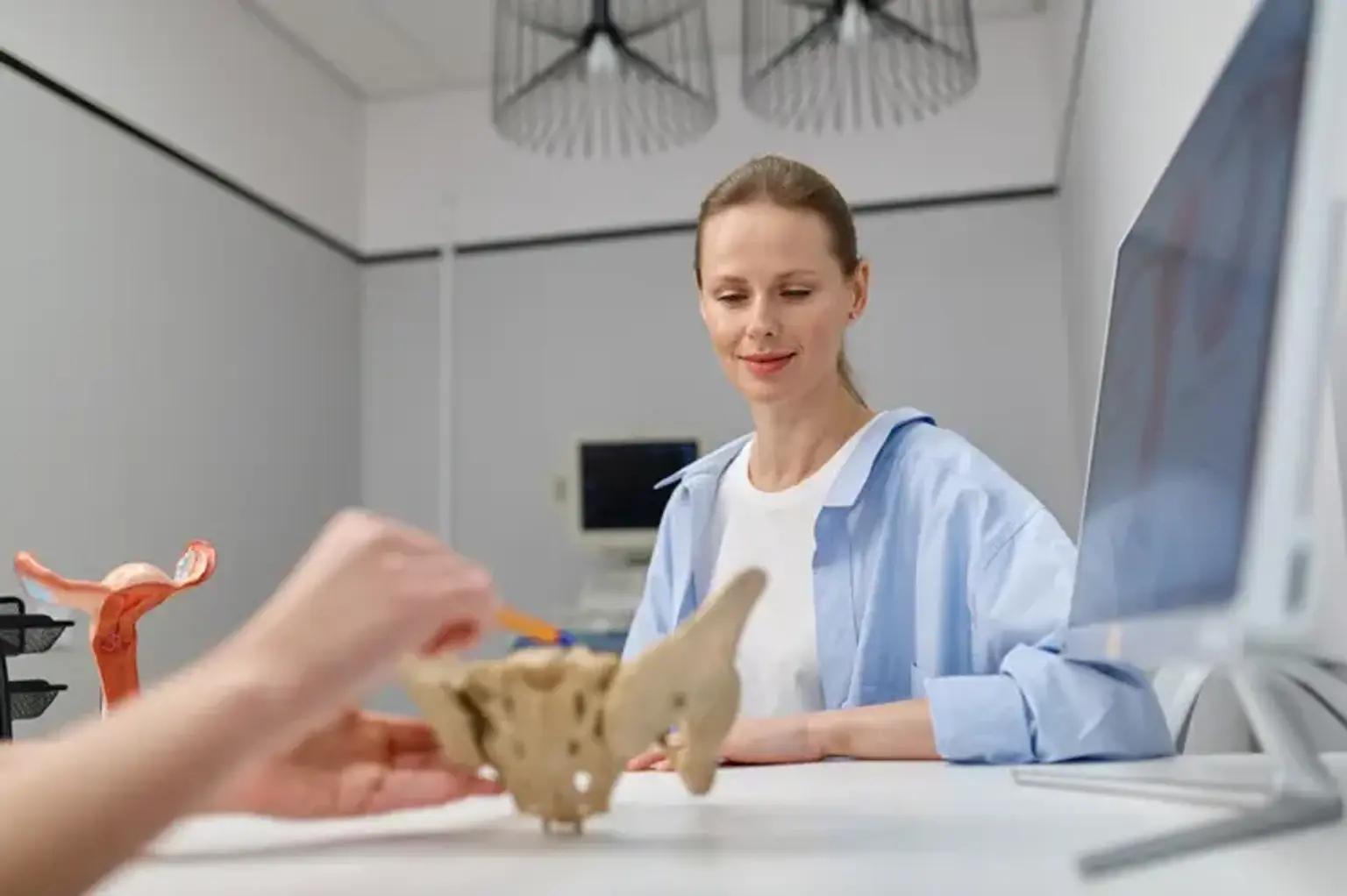
This condition affects both men and women, though it is more commonly associated with females due to gynecological conditions. Pelvic pain can result from a range of causes, including infections, reproductive issues, or digestive and urinary disorders. If you're experiencing pelvic pain, it's important to seek medical attention, as the underlying causes can vary widely.
Causes of Pelvic Pain
Pelvic pain can stem from a variety of conditions, many of which are gynecological. For women, common causes include:
Endometriosis: Tissue similar to the uterine lining grows outside the uterus, causing inflammation and pain.
Pelvic Inflammatory Disease (PID): An infection of the female reproductive organs, often caused by sexually transmitted infections (STIs).
Ovarian Cysts: Fluid-filled sacs on the ovaries that may cause pain if they rupture or twist.
Uterine Fibroids: Non-cancerous growths in the uterus that can cause pressure and discomfort.
For men, pelvic pain can be caused by conditions like prostate issues, hernias, or infections. Sometimes, pain originates from the pelvic floor muscles or nerves, leading to chronic discomfort.
Less common causes include interstitial cystitis, which involves bladder inflammation, and pelvic floor dysfunction, where muscles in the pelvic region don’t function properly.
Symptoms and Red Flags
Pelvic pain can vary in severity, from dull aches to sharp, stabbing pains. The pain may be constant or intermittent, and its location can differ depending on the underlying cause. It may radiate to the lower back or thighs. Accompanying symptoms might include:
Abnormal bleeding (heavy or irregular periods, bleeding between periods)
Nausea or vomiting
Bloating
Pain during intercourse
Painful urination or bowel movements
Certain symptoms signal the need for urgent medical care, such as:
Severe, sudden pelvic pain (possibly indicating an emergency like an ectopic pregnancy or ovarian torsion)
Fever and chills with pelvic pain (possible infection)
Unexplained weight loss or fatigue
Pain that doesn’t improve with over-the-counter pain relief
If you experience any of these red flags, it’s important to see a healthcare provider promptly.
Diagnosing Pelvic Pain
Diagnosing pelvic pain begins with a detailed medical history and physical exam. Your doctor will ask about the type, location, and duration of the pain, as well as any other symptoms. Based on this, your healthcare provider may recommend additional tests to pinpoint the cause.
Imaging tests like pelvic ultrasounds, MRIs, and CT scans are commonly used to examine the pelvic organs, detect growths, or identify abnormalities. These tests help identify conditions like ovarian cysts or uterine fibroids.
For more detailed diagnosis, laparoscopy may be used, which involves inserting a tiny camera through a small incision in the abdomen. It allows doctors to see directly inside the pelvic cavity and is particularly useful in diagnosing endometriosis.
In some cases, blood tests or urine tests may also be ordered to check for infections or hormonal imbalances. A physical exam might include a pelvic exam to feel for abnormalities or tenderness in the pelvic area.
The Role of Imaging and Tests in Diagnosis
Imaging plays a critical role in diagnosing the cause of pelvic pain. Pelvic ultrasound is one of the first-line imaging tools, especially for conditions like ovarian cysts, fibroids, or uterine abnormalities. It's a non-invasive, low-risk procedure that uses sound waves to create images of the pelvic organs.
For a more detailed view, CT scans and MRIs may be recommended, particularly if there are concerns about deeper pelvic issues such as cancer or large growths. MRIs are particularly effective in identifying soft tissue changes, like those seen with endometriosis or pelvic floor dysfunction.
If the cause remains unclear after imaging, laparoscopy is often the next step. This minimally invasive procedure involves inserting a small camera through the abdomen to directly observe the pelvic organs, helping diagnose conditions like endometriosis, adhesions, or PID.
Depending on the suspected cause, additional tests like blood tests or urine cultures may be used to check for infections or underlying hormonal imbalances.
Treatment Options for Pelvic Pain
Treating pelvic pain depends largely on its underlying cause. For most cases, the goal is to manage symptoms and improve the patient's quality of life.
Medications:
Pain relievers: Non-steroidal anti-inflammatory drugs (NSAIDs) like ibuprofen can help reduce pain and inflammation.
Hormonal treatments: Birth control pills, hormone replacement therapy, or GnRH agonists may be used to manage conditions like endometriosis or fibroids.
Antidepressants and anticonvulsants: These can help manage chronic pelvic pain, especially when nerve pain is involved.
Physical Therapy:
Pelvic floor physical therapy is often recommended for patients with pelvic floor dysfunction. Physical therapists can teach exercises to strengthen or relax the pelvic muscles, depending on whether the muscles are overactive or weak.
Lifestyle Modifications:
Managing stress, maintaining a healthy weight, and avoiding irritants like spicy foods (for bladder-related pain) can help reduce symptoms. Incorporating regular exercise can also improve blood flow and reduce muscle tension, offering relief for some patients.
Non-Invasive Treatment Approaches
Not all treatments for pelvic pain require surgery or medications. Several non-invasive approaches can be very effective:
Pelvic Floor Physical Therapy:
A trained physical therapist can help address issues like pelvic floor dysfunction, which often contributes to chronic pelvic pain. This therapy may involve exercises that focus on strengthening or relaxing the pelvic muscles to improve function and reduce pain.
Acupuncture:
Some patients find relief through acupuncture, which involves inserting fine needles at specific points on the body. It is believed to help restore the body's balance and reduce pain.
Cognitive Behavioral Therapy (CBT):
CBT is a type of talk therapy that helps patients manage chronic pain by changing how they think and react to pain. By learning new coping strategies, patients can reduce the emotional and psychological impact of pain, improving overall well-being.
Diet and Nutrition:
Certain dietary changes, such as reducing caffeine, alcohol, or processed foods, may help manage inflammation and pelvic discomfort. A well-balanced diet with anti-inflammatory foods (like leafy greens, berries, and fatty fish) can also support pain management.
Medications for Pelvic Pain Relief
Medication is often an essential part of managing pelvic pain, particularly for chronic conditions. Here's a breakdown of common medications used:
Over-the-Counter Pain Relievers:
For mild to moderate pain, NSAIDs (like ibuprofen or naproxen) can be effective in reducing inflammation and easing discomfort. These are typically used for conditions like pelvic inflammatory disease (PID) or menstrual cramps.
Prescription Pain Medications:
For more severe or chronic pain, stronger prescription pain relievers, including opioids or muscle relaxants, may be prescribed, though they are usually reserved for short-term use due to the risk of dependence.
Hormonal Treatments:
Hormonal therapies like birth control pills, IUDs, or GnRH agonists can help manage pain caused by endometriosis, fibroids, or other hormone-driven conditions. These treatments can reduce the severity of symptoms by regulating or suppressing hormone fluctuations.
Antidepressants and Anticonvulsants:
For nerve-related pelvic pain (such as that caused by pelvic floor dysfunction or nerve entrapment), medications typically used for mood disorders (like SSRIs or tricyclic antidepressants) or anticonvulsants (like gabapentin) can help reduce pain signals and improve quality of life.
Topical Treatments:
In some cases, topical creams or patches containing pain-relieving medications (such as lidocaine) can be applied directly to the skin over the pelvic region to provide targeted relief.
Surgical Options for Severe Pelvic Pain
In some cases, when pelvic pain is severe or doesn’t respond to other treatments, surgery may be necessary. The type of surgery depends on the underlying cause:
Laparoscopy: A minimally invasive procedure used to treat conditions like endometriosis, PID, or adhesions. It allows surgeons to remove or treat abnormal tissue while minimizing recovery time.
Hysterectomy: Removal of the uterus, often considered for patients with uterine fibroids or endometriosis that doesn’t respond to other treatments. In some cases, ovaries may also be removed.
Ovarian Cyst Removal: If ovarian cysts are large, painful, or likely to rupture, surgery may be needed to remove them.
Pelvic Nerve Block: A procedure to block pain signals from specific nerves in the pelvic region, providing relief for chronic pelvic pain.
Surgery is generally considered a last resort due to the risks involved, but it can offer significant relief for some patients.
Pelvic Pain Management During Pregnancy
Pelvic pain during pregnancy is common, especially as the body changes. Conditions like round ligament pain (due to stretching ligaments), sciatica, and even bladder pressure can cause discomfort.
Managing Pain:
Physical therapy: Gentle exercises can strengthen muscles and reduce pressure.
Heat packs: Applying heat to the lower back or abdomen can provide relief from muscle aches.
Prenatal support belts: These can support the abdomen and reduce strain on the pelvis.
Safe medications: Non-prescription pain relievers like acetaminophen can be used during pregnancy, but always consult a doctor first.
While most pelvic pain during pregnancy is not serious, severe or persistent pain may indicate an underlying issue like pelvic girdle pain or a urinary tract infection (UTI), requiring medical attention.
Chronic Pelvic Pain: Long-Term Management Strategies
Chronic pelvic pain can be difficult to manage, but with the right strategies, it’s possible to maintain a good quality of life. Some long-term management options include:
Multidisciplinary Approach:
A combination of treatments from different specialists—such as gynecologists, pain management experts, physical therapists, and mental health professionals—can help manage chronic pelvic pain.
Lifestyle Adjustments:
Stress reduction, regular exercise, a balanced diet, and healthy sleep habits can improve pain management. Activities like yoga or swimming can be particularly beneficial for relieving tension.
Support Systems:
Chronic pain can take a toll on mental health. Joining support groups, seeking counseling, or practicing mindfulness can help cope with the emotional aspect of living with pelvic pain.
Endometriosis and Pelvic Pain Management
Endometriosis is one of the leading causes of chronic pelvic pain in women. It occurs when tissue similar to the uterine lining grows outside the uterus, causing inflammation and pain, particularly during menstruation or intercourse.
Treatment Options:
Hormonal therapies: Birth control, IUDs, and GnRH agonists are commonly used to reduce the growth of endometrial tissue and manage pain.
Surgery: In severe cases, laparoscopic surgery can remove endometrial lesions and scar tissue, improving pain symptoms.
Pain management: NSAIDs and other pain relievers can help manage discomfort, along with pelvic floor therapy to improve muscle function.
Managing endometriosis often requires a combination of treatments. Early diagnosis and personalized care plans can help significantly reduce the impact of this condition on daily life.
Pelvic Pain and Psychological Impact
Chronic pelvic pain doesn’t just affect the body; it also takes a significant toll on mental and emotional health. Persistent discomfort can lead to feelings of frustration, anxiety, depression, and isolation, especially if the pain disrupts daily activities, work, or relationships.
Managing the Psychological Aspect:
Counseling: Cognitive Behavioral Therapy (CBT) or other forms of psychotherapy can help individuals cope with the emotional strain of chronic pain.
Mindfulness and Meditation: Practices such as mindfulness meditation can reduce stress and improve pain perception.
Support Groups: Connecting with others experiencing similar challenges can offer emotional support and practical coping strategies.
It's essential to treat both the physical and emotional components of pelvic pain to ensure a holistic approach to healing.
Alternative Therapies for Pelvic Pain
In addition to traditional medical treatments, many patients turn to alternative therapies for relief from pelvic pain. While these treatments may not be supported by all medical evidence, some people find them helpful for managing symptoms.
Acupuncture:
Acupuncture involves inserting fine needles into specific points on the body to stimulate healing. It is believed to help balance energy flow and reduce pain.
Chiropractic Care:
Chiropractors use manual adjustments to relieve pressure and tension in the pelvic region, potentially reducing pain and improving mobility.
Herbal Treatments:
Certain herbs, like turmeric, ginger, and chamomile, are thought to have anti-inflammatory properties that could alleviate pelvic discomfort. Always consult a healthcare provider before trying herbal remedies, especially when managing chronic pain.
Biofeedback:
Biofeedback teaches patients to control physiological processes like muscle tension, heart rate, and breathing. This can be helpful for managing pain and stress associated with pelvic pain.
Pelvic Pain Prevention Strategies
While not all pelvic pain is preventable, certain strategies can help reduce the risk of developing pain or manage it more effectively:
Maintaining a Healthy Weight:
Excess weight puts additional pressure on the pelvic region, contributing to pain. Maintaining a healthy weight through regular exercise and balanced nutrition can help prevent or reduce pelvic discomfort.
Pelvic Floor Exercises:
Regular pelvic floor exercises (like Kegels) can strengthen the muscles supporting the pelvis, improving support and reducing pain related to pelvic floor dysfunction.
Healthy Habits:
Avoiding smoking, excessive alcohol, and a sedentary lifestyle can improve overall pelvic health. Regular physical activity, particularly low-impact exercises like walking or swimming, can keep the pelvic muscles strong and flexible.
Managing Stress:
Stress is known to exacerbate chronic pain. Practicing relaxation techniques, including yoga, meditation, and deep breathing exercises, can help reduce tension in the pelvic area.
When to Seek Medical Help
If you're experiencing pelvic pain, it’s important to seek medical attention, particularly if the pain is persistent, severe, or accompanied by other concerning symptoms. Early diagnosis and treatment are essential to managing pelvic pain effectively and preventing it from interfering with your daily life.
You should see a doctor if:
The pain doesn’t improve with over-the-counter pain relievers.
You experience severe or sudden pain.
Pain is associated with abnormal bleeding, fever, or changes in bowel or urinary habits.
There’s a history of pelvic infections, endometriosis, or other pelvic conditions.
A healthcare professional can help determine the underlying cause of the pain and recommend appropriate treatment options.
Impact of Diet on Pelvic Pain
Diet plays a significant role in managing pelvic pain. Certain foods can reduce inflammation and support pelvic health, while others may trigger discomfort.
Helpful Foods:
Anti-inflammatory foods like salmon, berries, leafy greens, and nuts can reduce pain, especially for conditions like endometriosis.
Foods to Limit:
Spicy foods, caffeine, alcohol, and processed foods can irritate the bladder or pelvis, worsening pain. Identifying triggers through a food diary may help.
Hydration:
Drinking enough water is essential, especially for conditions like interstitial cystitis where bladder irritation can intensify pain.
The Role of Physical Therapy in Pelvic Pain Relief
Physical therapy can be a key treatment for pelvic pain, especially when pelvic floor dysfunction is involved. Therapists can guide patients through exercises and techniques to improve muscle function.
Pelvic Floor Exercises:
Kegel exercises strengthen the pelvic muscles, improving control and reducing pain related to muscle weakness or tightness.
Manual Therapy:
Therapists may use hands-on techniques to release muscle tension or scar tissue, particularly in cases of endometriosis or adhesions.
Biofeedback:
This technique helps patients gain awareness and control over their pelvic muscles, assisting with pain management and improving muscle coordination.
Chronic Pelvic Pain and its Effect on Relationships
Chronic pelvic pain can strain relationships by limiting intimacy and causing frustration. Open communication is essential for understanding and support.
Communication:
Discussing how pelvic pain impacts your life helps partners understand your condition and provides emotional support.
Counseling:
Couples counseling can assist in coping with the emotional aspects of chronic pain, offering tools to strengthen relationships despite the challenges.
Conclusion
Pelvic pain, whether acute or chronic, can significantly impact daily life, but with proper diagnosis and tailored treatment plans, relief is achievable. From lifestyle changes and medications to physical therapy and surgical options, there are numerous approaches to managing pelvic pain. Early intervention is essential in preventing long-term complications and improving overall well-being.
Additionally, addressing the emotional and psychological aspects of chronic pain is just as important as managing the physical symptoms. Support systems, counseling, and stress-reduction techniques can help patients navigate the challenges of pelvic pain, fostering a sense of control and resilience.
With ongoing care, attention to lifestyle factors, and the right treatment team, individuals living with pelvic pain can enjoy a fulfilling life free from the constraints of chronic discomfort. Never hesitate to seek professional advice, as the sooner the pain is addressed, the better the outcomes will be.