Introduction
What is Perilymph Fistula?
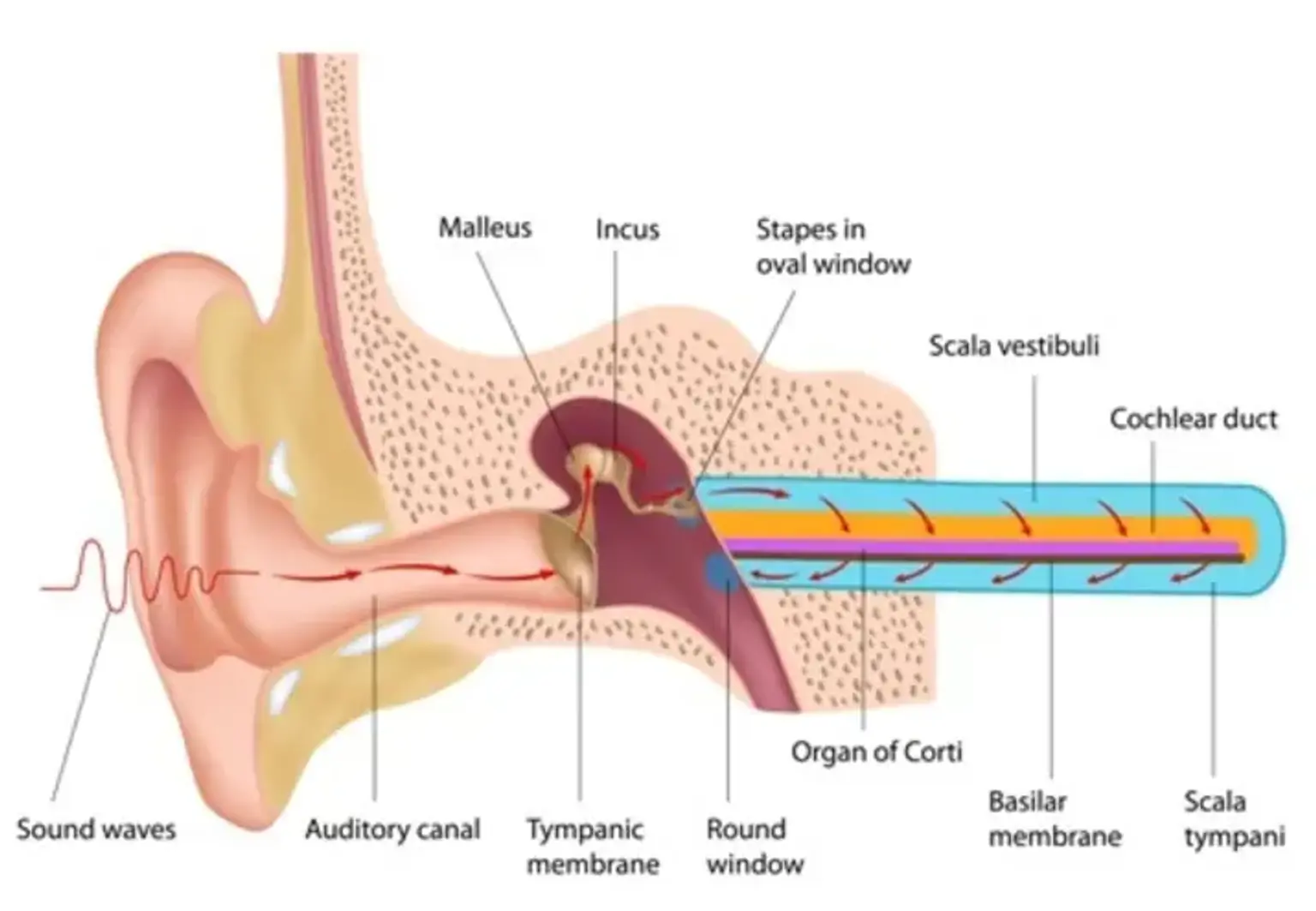
A perilymph fistula (PLF) is a medical condition where there is an abnormal opening or leak in the membrane separating the inner ear from the middle ear. This allows perilymph fluid from the inner ear to leak, affecting hearing and balance. It can result from head trauma, pressure changes, or even occur spontaneously. Recognizing this condition early is crucial to prevent permanent hearing loss or balance issues.
How Perilymph Fistula Affects the Inner Ear
Perilymph fluid plays a vital role in hearing and maintaining balance by transmitting sound and motion signals to the brain. When a fistula occurs, the fluid leaks, disrupting these functions. This often leads to symptoms such as sudden hearing loss, dizziness, and even vertigo. The condition’s impact can range from mild to severe, depending on the extent of the fluid loss and the underlying cause.
The Role of Inner Ear Surgery in Treatment
Surgical Techniques for Repairing Perilymph Fistula
The most common technique for repairing perilymph fistula involves a small incision in the eardrum or middle ear to access the fistula. The surgeon then uses specialized equipment to seal the hole, often using a tissue graft or a synthetic material to ensure the fluid no longer leaks. In some cases, the surgery may also involve repairing the ossicles (small bones in the ear) if they have been damaged.
How Perilymph Fistula Surgery Restores Hearing and Balance
The primary goal of surgery is to restore hearing and balance by stopping the leakage of perilymph fluid. Once the fistula is sealed, the inner ear’s normal pressure and fluid balance can be restored, leading to improved hearing and reduced vertigo or dizziness. Most patients experience a noticeable improvement in symptoms, though the recovery of hearing can vary depending on the extent of the damage.
Risks and Complications
As with any surgery, there are potential risks involved. These can include:
Infection at the surgical site
Continued hearing loss if the inner ear structures are damaged
Dizziness or vertigo after surgery, which usually resolves with time Though rare, complications can occur, and a discussion with a qualified surgeon about risks is important before proceeding.
Causes of Perilymph Fistula
Common Causes and Risk Factors
Several factors can cause a perilymph fistula. These include:
Head trauma: Blows to the head, such as car accidents or falls, can damage the inner ear, leading to a fistula.
Barotrauma: Rapid changes in pressure, like during air travel or scuba diving, can create enough force to cause a leak.
Surgical complications: Some surgeries involving the ear, such as ear drum repair or cochlear implants, may inadvertently result in a fistula.
Spontaneous occurrence: In rare cases, PLF can happen without any obvious cause.
How Perilymph Fistula Leads to Hearing Loss
The leakage of perilymph fluid interferes with the normal transmission of sound through the inner ear structures, which can result in hearing loss. Additionally, the disruption in fluid dynamics can cause balance disorders, such as vertigo. Tinnitus (ringing in the ears) is another common symptom associated with the condition. Over time, untreated PLF may lead to more significant hearing impairment or permanent balance problems.
Advanced Treatments for Perilymph Fistula in Korea
Why Korea is a Leading Destination for Treatment
Korea has become a hub for advanced ear treatments, including perilymph fistula repair. The country is known for its cutting-edge medical technology, highly skilled specialists, and state-of-the-art medical facilities. Patients from around the world travel to Korea for a variety of treatments, including inner ear surgeries, due to the country’s advanced healthcare infrastructure and excellent outcomes.
Best Treatment for Perilymph Fistula in Korea
Some of the leading hospitals and clinics in Korea specialize in ear, nose, and throat (ENT) treatments, including perilymph fistula repair. These centers employ experienced neurotologists and ENT surgeons who are skilled in diagnosing and treating inner ear disorders. The use of the latest diagnostic tools, coupled with advanced surgical techniques, ensures the best possible outcomes for patients. Many of these hospitals also offer personalized care, with English-speaking staff and support services for international patients.
Symptoms of Perilymph Fistula
Recognizing the Warning Signs
The symptoms of perilymph fistula can vary depending on the severity of the leak. Common symptoms include:
Sudden hearing loss: Often, this occurs in one ear and can fluctuate.
Dizziness and vertigo: This may be triggered by sudden movements or pressure changes.
Ear pressure: A sensation of fullness or pressure inside the ear, which doesn’t resolve with typical treatments.
How to Differentiate Perilymph Fistula from Other Ear Disorders
Since PLF shares symptoms with other ear conditions like Meniere’s disease or vestibular disorders, it can sometimes be misdiagnosed. The key difference is that PLF is usually triggered by specific physical events (trauma, pressure changes), and its symptoms tend to be more sudden and intense. Accurate diagnosis is critical for proper treatment.
Non-Surgical Treatments for Perilymph Fistula in Korea
Innovative Non-Surgical Approaches
In some cases, patients with perilymph fistula may be treated without surgery, especially if the condition is detected early or if the symptoms are mild. In Korea, where medical advancements are at the forefront, non-surgical treatments such as regenerative therapies and advanced hearing aids have gained popularity. These methods focus on reducing symptoms and supporting the body's natural healing process.
How These Treatments Compare to Traditional Surgery
While surgery remains the most effective solution for most cases of perilymph fistula, non-surgical treatments can help manage symptoms in early-stage cases. Regenerative treatments, such as stem cell therapy and platelet-rich plasma (PRP), aim to promote healing of the inner ear structures without the need for invasive procedures. Though these treatments are not universally available and are still being researched, they provide promising alternatives for patients who are not suitable candidates for surgery or who prefer non-invasive options.
Diagnosis of Perilymph Fistula
Medical History and Physical Examination
To diagnose perilymph fistula, a physician will first gather a detailed medical history. They will ask about any recent trauma, pressure changes, or prior surgeries that might have caused the condition. The physical examination will include assessing hearing and balance, as well as checking for signs of fluid leakage.
Diagnostic Tests
Several tests are used to confirm the diagnosis of PLF:
Electrocochleography (ECOG): Measures the electrical responses of the inner ear to sound and pressure.
CT or MRI scans: These imaging tests help detect structural issues or abnormalities in the ear that could be linked to a fistula.
Fistula test: The doctor may also perform a test where pressure is applied to the ear canal to check for signs of fluid leakage. If fluid escapes, this is a strong indicator of PLF.
The Global Appeal of Perilymph Fistula Treatment in Korea
Why International Patients Choose Korea for Perilymph Fistula Surgery
Korea has become an international leader in healthcare, particularly in ear-related treatments. The country’s medical tourism industry is booming, with thousands of international patients seeking specialized treatments for conditions like perilymph fistula. Key reasons for this include:
Highly qualified specialists: Korea has some of the most skilled surgeons in the world, particularly in the fields of ENT and neurotology.
Cutting-edge medical technology: Korean hospitals are equipped with the latest technology to ensure accurate diagnoses and the best treatment outcomes.
Affordable pricing: Compared to other countries, Korea offers high-quality medical care at more affordable prices, making it an attractive destination for international patients.
Cultural and Language Considerations
Korean hospitals are well-versed in treating international patients and provide English-speaking staff to assist with communication. Many medical centers also offer additional services, such as arranging accommodation, transportation, and guides to help international patients navigate their treatments and recovery.
Treatment Options for Perilymph Fistula
Non-Surgical Options
In mild cases of perilymph fistula, non-surgical treatment may be enough to relieve symptoms. This usually includes:
Rest and observation: Bed rest helps reduce inner ear stress and allows the body time to heal itself. Limiting sudden head movements and avoiding activities like flying or diving can prevent further damage.
Medication: Steroids or diuretics may be prescribed to reduce inflammation or manage fluid retention in the ear.
However, non-surgical treatment is typically effective only when the fistula is small and symptoms are mild. If symptoms persist or worsen, surgery may be needed.
Surgical Repair for Perilymph Fistula
For more severe cases, surgical repair is often the most effective solution. The surgery involves sealing the fistula to stop the fluid leak, usually performed via the eardrum or through a more invasive approach depending on the fistula’s location. This procedure is typically done under general anesthesia.
The success rate of surgery is high, with many patients regaining normal or near-normal hearing and balance. Post-surgical care is essential for a full recovery, and most patients experience significant symptom relief after the procedure.
Recovery After Perilymph Fistula Surgery
Post-Surgical Care and Considerations
After perilymph fistula surgery, patients need to follow a strict recovery plan:
Rest and Avoiding Pressure: Patients should avoid activities that could increase pressure in the ear, such as heavy lifting, bending over, or traveling by airplane, until cleared by the doctor.
Follow-Up Appointments: Regular check-ups are necessary to ensure that the fistula remains sealed and that the ear is healing properly. Hearing tests and balance assessments will be conducted to monitor recovery.
Medications: Pain medications and antibiotics may be prescribed to manage discomfort and prevent infection.
What to Expect During the Healing Process
The recovery period after surgery can range from a few weeks to several months. During this time, patients may experience temporary dizziness or a feeling of fullness in the ear. Most patients notice improvement in hearing and balance within 3 to 6 months, but it’s important to be patient and allow the ear time to heal completely.
The Importance of Qualified Practitioners
Choosing the Right Specialist for Perilymph Fistula Treatment
Selecting a qualified ENT specialist or neurotologist is essential for successful perilymph fistula treatment. In Korea, many leading hospitals feature highly specialized surgeons with experience in treating vestibular and auditory disorders. These practitioners are trained in the latest diagnostic and surgical techniques, ensuring that patients receive the best care available. When choosing a surgeon, patients should:
Verify the surgeon’s experience and expertise in inner ear surgery.
Ask about the surgeon’s success rates in treating perilymph fistula.
Ensure the clinic offers access to the latest medical technologies and post-surgical care.
Why Experience Matters
Experience plays a crucial role in the success of inner ear surgery, as the area is delicate and requires precision. Experienced surgeons are adept at managing complex cases and minimizing risks. They are also better equipped to handle unexpected complications during surgery and ensure the best possible outcome for the patient.
Risks and Safety Protocols in Perilymph Fistula Treatment
Safety Protocols Before Surgery
Ensuring the safety of patients is a top priority in perilymph fistula treatment, especially before undergoing surgery. In Korean clinics, rigorous pre-surgical assessments are carried out. These may include:
Comprehensive health evaluations: Ensuring patients are in good overall health before the procedure.
Pre-surgical imaging: Advanced diagnostic techniques such as CT scans and MRI to determine the location and extent of the fistula.
Hearing tests: Thorough assessments of the patient’s hearing to establish a baseline and track progress post-surgery.
Understanding Surgical Risks and Complications
As with any surgery, perilymph fistula repair carries certain risks, including:
Infection: As with any surgical procedure, there is a risk of infection at the incision site.
Hearing deterioration: Although rare, the procedure may result in a further decrease in hearing if complications arise.
Dizziness and balance issues: Some patients may experience temporary dizziness or imbalance, which typically resolves after a few weeks of recovery. Patients are fully informed about these risks, and highly experienced surgeons take necessary precautions to minimize complications.
Recovery and Rehabilitation
Rehabilitation After Surgery
After perilymph fistula surgery, recovery is a gradual process that often requires vestibular rehabilitation therapy (VRT). VRT helps patients restore balance and reduce dizziness by retraining the brain to process signals from the inner ear. Exercises are typically prescribed by a physical therapist and may include activities like head movements and visual tracking exercises.
For patients with hearing loss, hearing rehabilitation might include hearing aids or even cochlear implants in more severe cases. The rehabilitation process is personalized, depending on the extent of hearing and balance recovery. Patients should expect to follow a rehabilitation plan that aids both physical and emotional recovery.
Psychological Impact and Support
Dealing with hearing loss or balance disorders can take an emotional toll on patients. Support groups, counseling, and emotional support from loved ones play an essential role in helping patients recover psychologically. Many Korean clinics offer comprehensive care that addresses the mental well-being of patients, which can be just as important as physical recovery.
Patient Stories and Case Studies
Real-Life Experiences of Patients
Many patients who undergo perilymph fistula surgery share stories of how the procedure dramatically improved their quality of life. For example, a patient suffering from sudden hearing loss and vertigo may find that after surgery, their hearing is restored, and their balance issues resolved. These success stories are a testament to the effectiveness of surgery in providing long-term relief and restoration of normal functioning.
One case study highlights a patient who, after suffering from dizziness and hearing issues for months, traveled to Korea for surgery. Within weeks of the procedure, the patient’s dizziness subsided, and their hearing was significantly improved, allowing them to return to work and lead a more active lifestyle. Such real-life examples offer hope and reassurance for others facing similar challenges.
A Look at Perilymph Fistula Recovery Journeys
Recovery journeys can vary from patient to patient. Some individuals may notice improvements within a few weeks, while others may take several months to fully recover. Patients generally report a reduction in dizziness and restoration of hearing over time. The timeline for recovery depends on factors such as the severity of the fistula and the type of surgery performed.
Perilymph Fistula and Its Link to Tinnitus and Vertigo
Understanding the Connection to Vertigo
Perilymph fistula is closely linked to vertigo—a type of dizziness where patients feel like they or their surroundings are spinning. This occurs because the leak in the inner ear disrupts the balance system, leading to a sense of disorientation. Vertigo associated with PLF can be debilitating, making everyday tasks like walking, driving, or working difficult.
By sealing the fistula surgically, balance function can be restored. Surgical repair often leads to significant improvement in vertigo symptoms, allowing patients to regain their normal balance and reduce the risk of falls or accidents. Early intervention is key to minimizing vertigo's impact.
Tinnitus Treatment Options and Relief
Tinnitus, or ringing in the ears, is another common symptom of perilymph fistula. When fluid leaks from the inner ear, it may affect the auditory nerves, leading to abnormal sounds. Surgical repair often alleviates the ringing, especially when the fistula is the primary cause. However, some patients may need additional treatments like sound therapy or cognitive behavioral therapy (CBT) to manage persistent tinnitus after surgery.
Addressing Common FAQs About Perilymph Fistula
What is the success rate of Perilymph Fistula surgery?
The success rate for perilymph fistula surgery is high, with many patients experiencing significant improvements in both hearing and balance. Success rates can range from 80% to 90% depending on factors like the patient’s health and the surgical technique used.
Is Perilymph Fistula surgery covered by insurance?
Insurance coverage for perilymph fistula surgery varies by provider and region. Patients should check with their insurance company to understand what costs are covered. In many cases, the surgery is deemed medically necessary, especially if the fistula is causing significant hearing or balance problems.
How can I prepare for Perilymph Fistula surgery?
Preparation for perilymph fistula surgery involves undergoing a series of diagnostic tests to confirm the diagnosis. Patients should follow their doctor’s instructions regarding rest, medications, and lifestyle changes before surgery. They may also need to arrange transportation to and from the hospital, especially if general anesthesia is used.
Can Perilymph Fistula be treated without surgery?
In some cases, perilymph fistula can be managed with non-surgical methods like bed rest, medication, or observation. However, if symptoms persist or worsen, surgery is often necessary for long-term relief and recovery. Non-surgical treatments are usually effective only in mild cases.
The Importance of Early Detection and Treatment
Why Early Diagnosis is Key to Preventing Further Damage
Early detection of perilymph fistula is crucial for preventing long-term damage to hearing and balance. If left untreated, the fluid leak can worsen, leading to permanent hearing loss, persistent vertigo, and tinnitus. Timely intervention allows for more effective treatment and better outcomes, often restoring hearing and balance before the condition causes irreversible harm.
How Early Intervention Can Preserve Hearing and Balance
The sooner treatment begins, the higher the likelihood of preserving both hearing and balance. In many cases, early surgery or conservative treatments can prevent the condition from progressing. Patients who seek care promptly have a much better chance of experiencing full recovery and resuming normal daily activities.
The Future of Perilymph Fistula Treatment
New Advancements and Research in the Field
As medical technology evolves, treatments for perilymph fistula continue to improve. Researchers are investigating new surgical techniques and non-invasive therapies that may offer faster recovery times and fewer complications. For instance, regenerative treatments like stem cell therapy are being explored to aid in the healing of inner ear structures without the need for traditional surgery.
The Promise of Regenerative Medicine
Regenerative medicine holds great potential for patients with perilymph fistula, particularly in cases where surgery is not immediately recommended. These cutting-edge treatments aim to stimulate the natural healing process of damaged inner ear tissue, reducing the need for more invasive procedures and accelerating recovery.
Conclusion
Restoring Quality of Life Through Treatment
Perilymph fistula may cause significant disruptions to a person's hearing and balance, but with the right treatment, patients can regain their normal life. Whether through surgical repair, non-surgical options, or advanced therapies, there are numerous pathways to recovery. Seeking early medical intervention and consulting with qualified specialists ensures the best outcomes.
A Hopeful Outlook for Patients
With a high success rate for surgery and growing advancements in treatments, patients have a hopeful outlook for restoring their hearing and balance. Seeking care in Korea, where medical technology is state-of-the-art, offers patients the opportunity to receive world-class treatment and care, leading to improved quality of life.